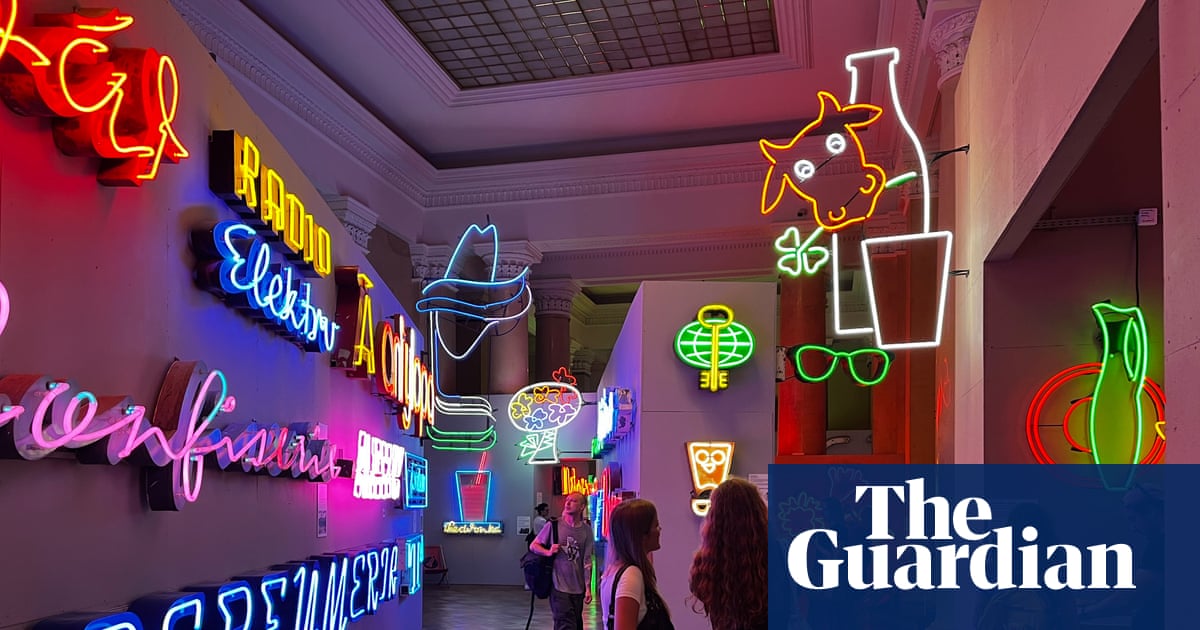
"When we started this, the neon signs were unloved and unwanted. They were ancient and rusting. Many were being taken down and tossed away, Hill said of the couple's interest in the signs, which began on a 2006 visit."
"We thought it would take a couple of months and we'd get back to our lives. Now it is our lives. We've become neon nerds."
"It showed the interest and love people had for them, even though they were thought to have no social or cultural value, Hill said."
"Neon signs emerged in the early 20th century after the 1898 discovery of the noble gas by the British chemists William Ramsay and Morris Travers."
Warsaw's neon signs, once symbols of Soviet propaganda, became beacons of hope during the Cold War. After communism's fall, many signs fell into disrepair and were discarded. Recently, neon has seen a revival, with historic signs restored and new ones created for modern establishments. The Neon Museum, founded in 2012 by Ilona Karwinska and David Hill, showcases cold war-era signs and attracts over 100,000 visitors annually. Their passion for neon began in 2006, leading to a significant cultural appreciation for these once-overlooked artifacts.
Read at www.theguardian.com
Unable to calculate read time
Collection
[
|
...
]