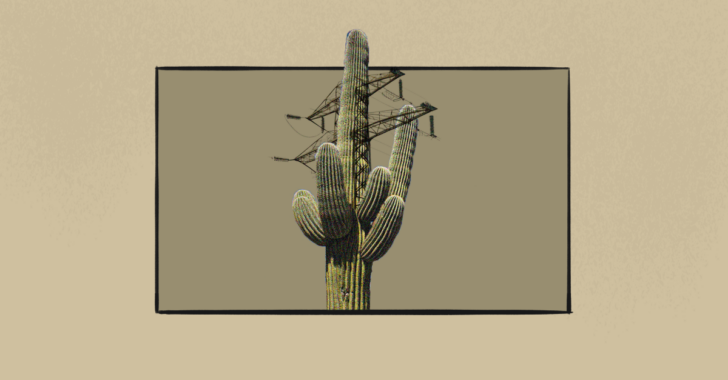
"During the summer of 2023, Phoenix, Arizona, endured a streak of heat so unrelenting that saguaro cacti were collapsing in the streets. For thirty-one consecutive days, temperatures broke 110 degrees."
"In Phoenix, air conditioning is not a luxury. It is a vital piece of survival infrastructure. If the power goes out during a heatwave, the consequences are immediately life-threatening."
"Electricity is incredibly fresh. When someone turns on an air conditioner, the power running it was generated just moments prior. Historically, the grid lacks large-scale storage, meaning electricity is consumed almost the instant it is produced."
"The city sits within the sprawling Western Grid, an interconnected network stretching from Canada to Mexico where utilities constantly coordinate to keep power flowing."
In the summer of 2023, Phoenix experienced extreme heat, with temperatures exceeding 110 degrees for thirty-one consecutive days. This heat led to the collapse of saguaro cacti and left playgrounds empty. Air conditioning became essential for survival, making the electrical grid a vital infrastructure. The grid, described as the largest machine in the world, operates without large-scale storage, requiring immediate balance between electricity supply and demand. The Salt River Project manages local power needs, ensuring continuous electricity flow to prevent blackouts.
Read at 99% Invisible
Unable to calculate read time
Collection
[
|
...
]