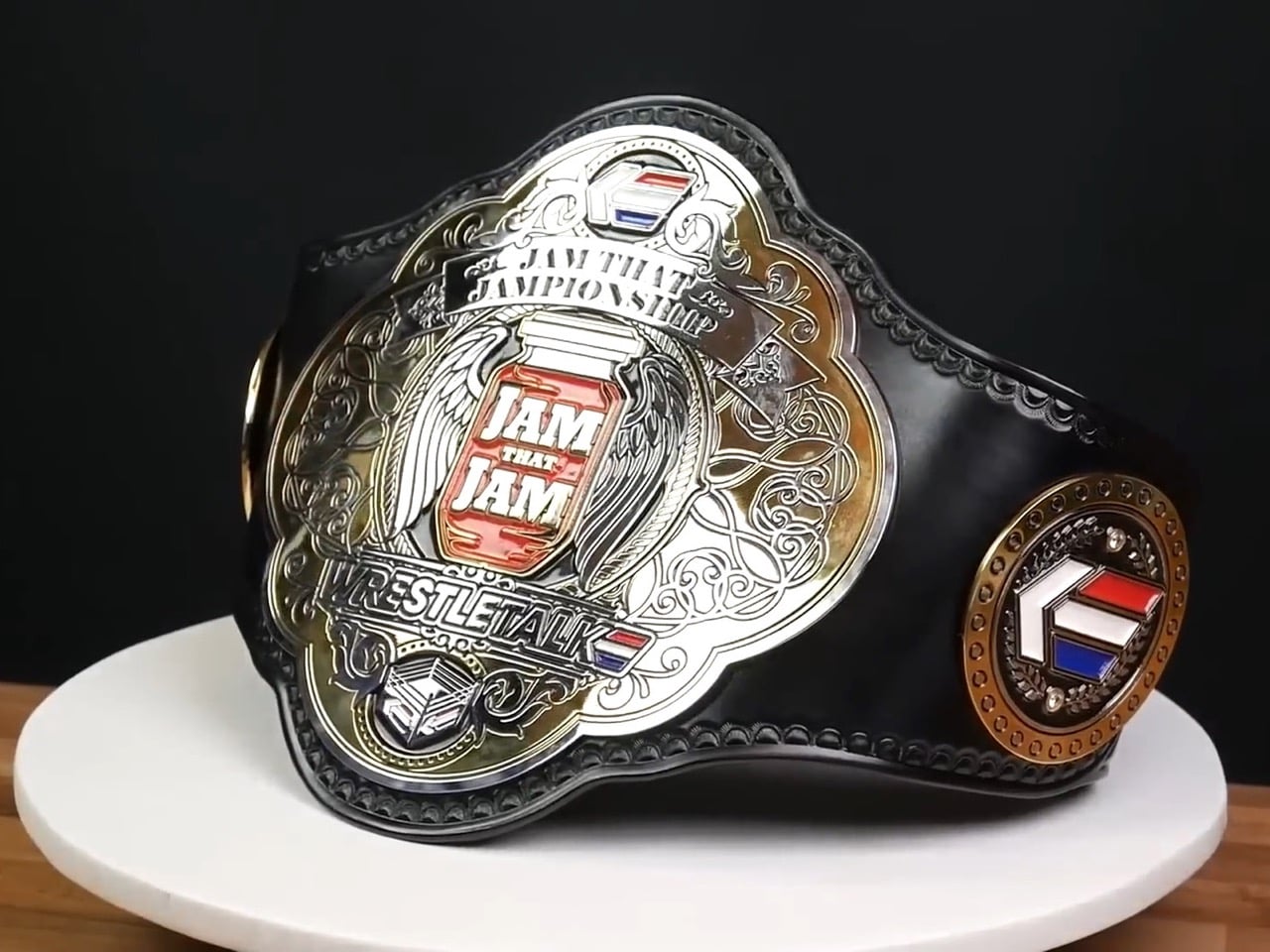
"John Cena's spinning championship belt should not have worked. It was gaudy, it was hip-hop inflected, it belonged more to a music video than a wrestling ring, and it absolutely captured a generation of young fans who grew up treating it as the definitive image of what a championship looked like."
"Championship belts predate professional wrestling entirely. The tradition traces back to 1810, when British boxer Tom Crib defeated American boxer Tom Molino in a grueling 35-round fight, and King George III presented Crib with what historians consider the first championship belt, reportedly constructed from lion skin decorated with silver claws."
"These objects absorb the identity of whoever holds them, and they carry that identity forward long after the reign ends. Mick Foley took three of the most brutal falls in WrestleMania history and walked away as champion, and the belt validated every bit of the punishment."
"When professional wrestling emerged as a competitive sport in the late 19th century, it borrowed the championship belt wholesale from boxing. The first recognized wrestling championship arrived in 1905, with George Hackenschmidt becoming the inaugural World Heavyweight Wrestling Champion."
Championship belts in wrestling serve as powerful symbols that embody the identity of their holders. John Cena's spinning belt, despite its gaudy design, became iconic and resonated with a generation of fans. The belt's significance persisted beyond Cena's character, illustrating how these objects can take on a life of their own. The tradition of championship belts dates back to boxing in the early 19th century, with the first wrestling championship belt recognized in 1905, showcasing the enduring legacy and symbolism of these awards in both sports.
Read at Yanko Design - Modern Industrial Design News
Unable to calculate read time
Collection
[
|
...
]