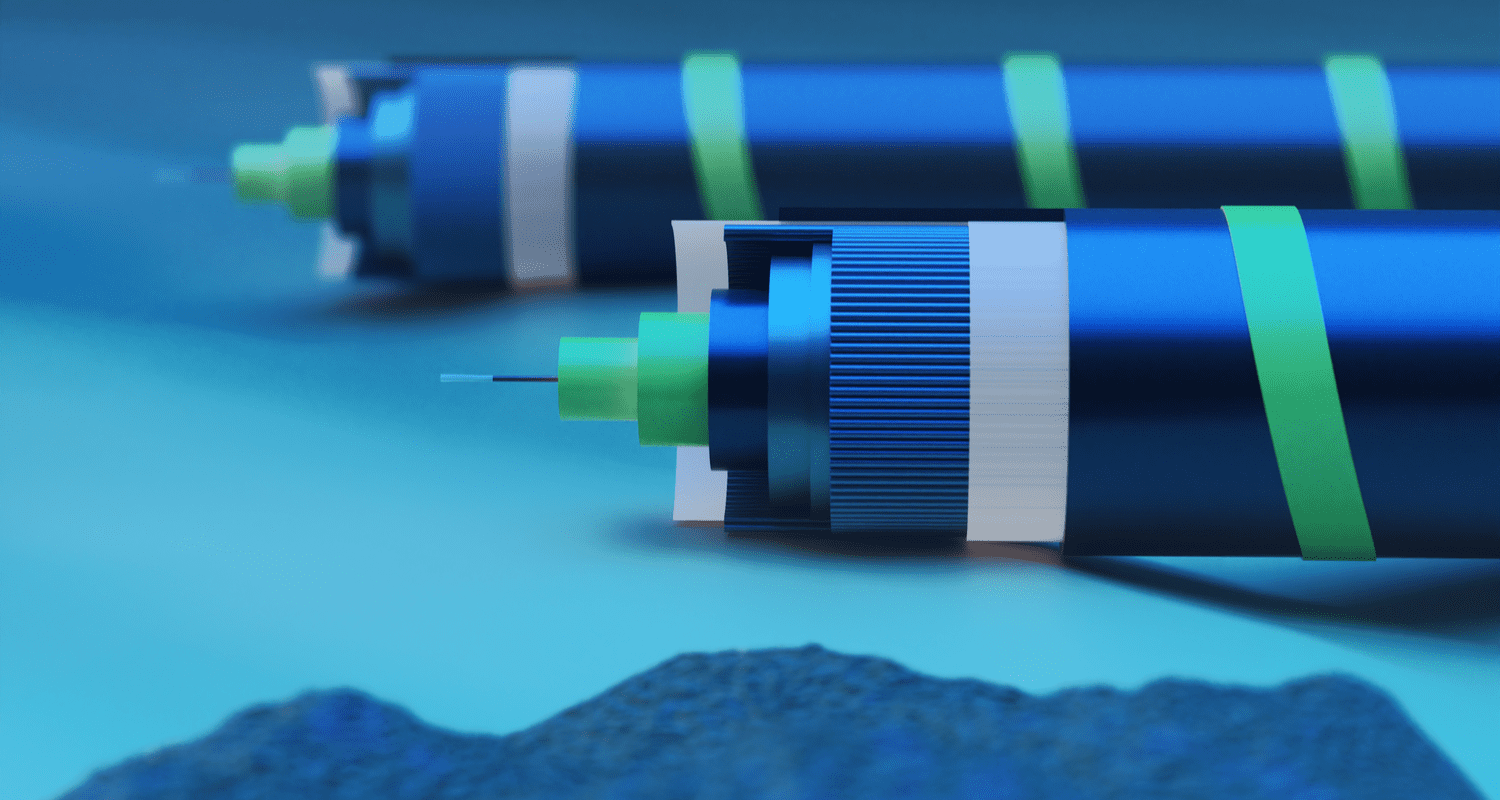
"Governments and technology companies are accelerating their use of drones, autonomous vessels, and sensor technology to better secure undersea data cables, driven by growing concerns about sabotage and disruptions."
"In Northern Europe, NATO has stepped up its maritime surveillance operations, deploying unmanned systems to detect suspicious movements near cable routes, emphasizing early recognition of anomalous behavior."
"Distributed acoustic sensing allows operators to use cables as sensors, distinguishing between different types of vessels by analyzing small vibrations in the cable caused by nearby activities."
"Companies are developing underwater sensor networks that can monitor strategic nodes autonomously, using sonar and other techniques to ensure continuous security without human intervention."
Governments and technology companies are increasingly utilizing drones, autonomous vessels, and sensor technology to secure undersea data cables. This shift is driven by concerns over sabotage and disruptions to critical infrastructure. NATO has intensified maritime surveillance, deploying unmanned systems to monitor cable routes. New methods, such as distributed acoustic sensing, allow cables to act as sensors, detecting nearby activities. Additionally, underwater sensor networks are being developed to monitor strategic locations autonomously. Despite advancements, physical protection of cables still faces limitations.
Read at Techzine Global
Unable to calculate read time
Collection
[
|
...
]