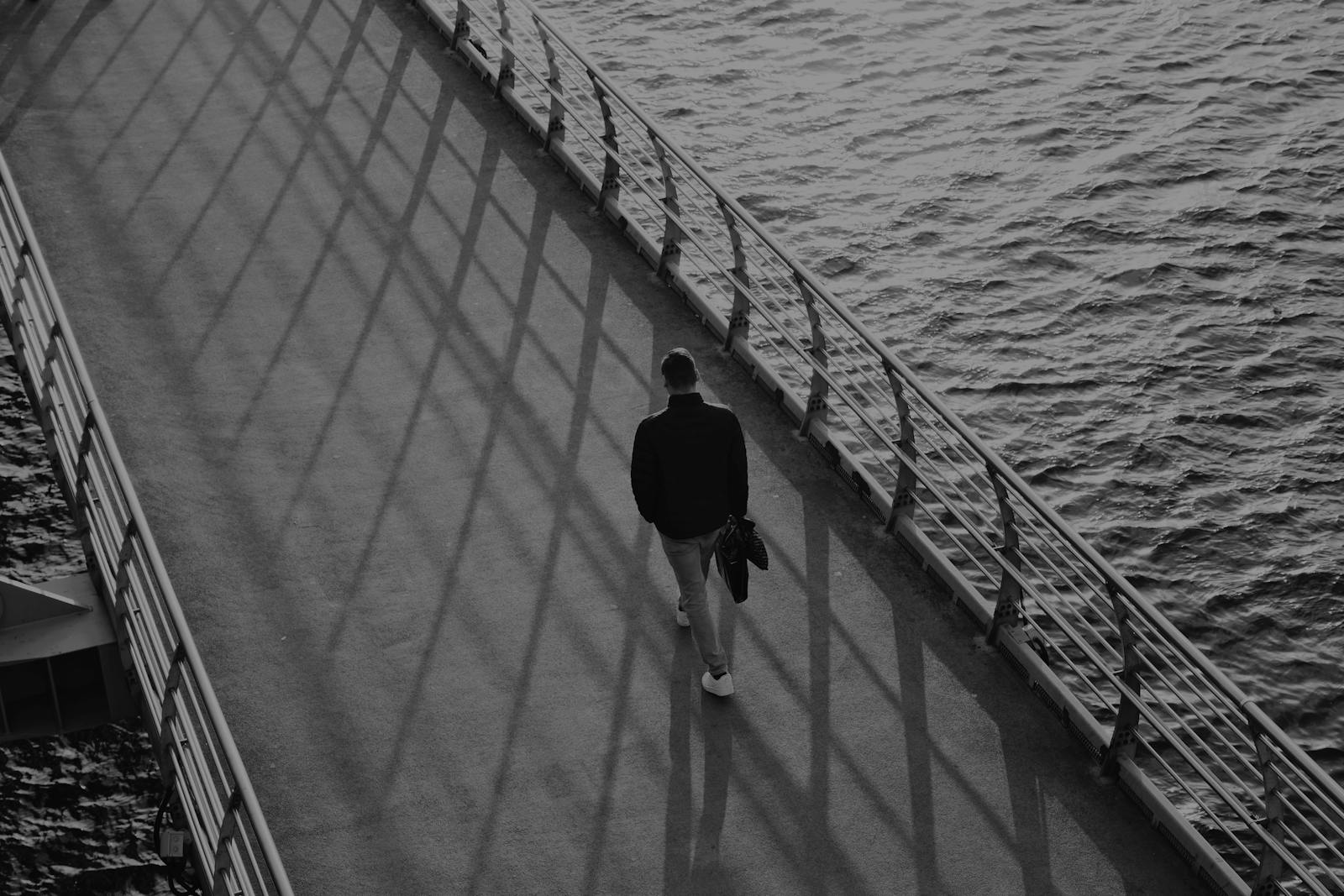
"The betrayal that shaped me wasn't the cruelty. It was the audience."
"The patients who carried the deepest bitterness into old age weren't always the ones who'd suffered the worst physical injuries or illnesses."
"These weren't dramatic betrayals in the way you'd imagine them - no slamming doors or public denunciations. They were quiet, structural absences."
"The sickest patients, emotionally, were the ones whose people had been right there and done nothing."
Resentment can be directed not only at those who inflict harm but also at those who witness it and choose silence. Observing the emotional impact of abandonment reveals that individuals often suffer more from the absence of support during difficult times than from the harm itself. Witnesses who remain passive contribute to a deeper sense of betrayal, highlighting the importance of acknowledging and addressing the gaps in support systems. Emotional wounds can be exacerbated by the inaction of those who are aware of the suffering.
Read at Silicon Canals
Unable to calculate read time
Collection
[
|
...
]