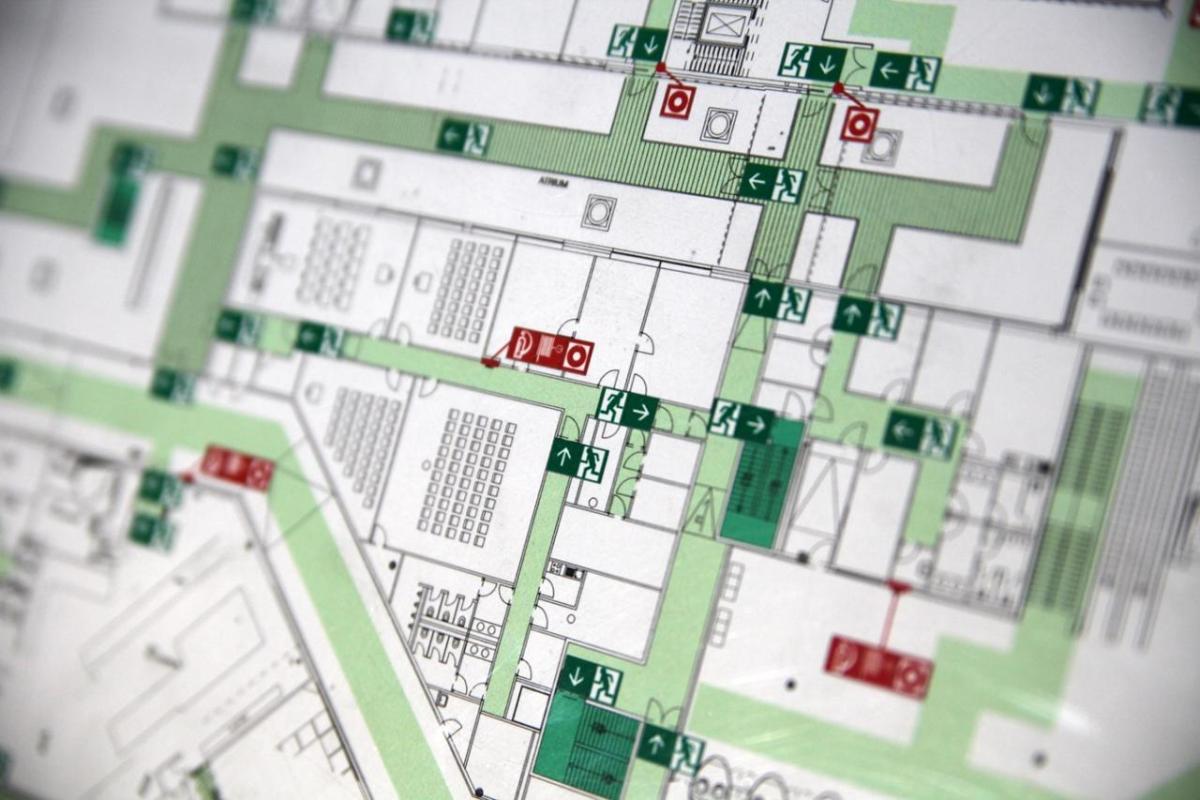
"The acceleration into hybrid working environments has rendered obsolete the traditional methods for training staff to carry out specific emergency roles. Evacuation plans often relied on 'Fire Wardens' or 'Floor Marshals' -- specific individuals trained to sweep a department and report back. However, training smaller, specific groups of people now leaves you at a significantly higher risk of having gaps in your plan."
"Modern facilities like data centers, multi-tenant buildings, and high-rises each present unique evacuation challenges that standard plans rarely address. A strong evacuation plan protects people first and foremost, but it also safeguards your reputation, regulatory standing, and stakeholder trust when it counts most."
Hybrid work environments challenge traditional evacuation plans, as reliance on specific individuals for safety roles can create dangerous gaps. Manual systems can hinder decision-making during emergencies. Transitioning from departmental to compartmental thinking allows broader participation in executing evacuation plans. Modern facilities, such as data centers and high-rises, present unique challenges that standard plans often overlook. A robust evacuation plan prioritizes the safety of individuals while also protecting an organization's reputation and stakeholder trust during crises.
Read at 3blmedia
Unable to calculate read time
Collection
[
|
...
]