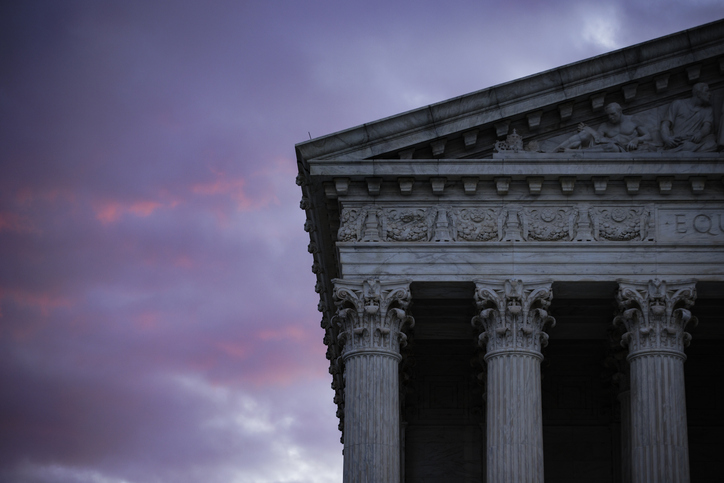
"The response was immediate, muscular, and deeply unserious. The investigation did basically everything except interview the justices, because why interview anyone with both opportunity AND motive? Say, a justice credibly accused of leaking the results of other decisions who might have feared that colleagues would water down the maximalist draft before the case came down? No need to check in on anyone like that!"
"Well, it turns out they might've spent less time worrying about threats from inside the building and more time assessing how easily someone could waltz in through the digital front door. A 24-year-old from Springfield, Tennessee, named Nicholas Moore is set to plead guilty to hacking the Supreme Court's electronic filing system. Not once or twice, but 25 times over a two-month span."
The Supreme Court pursued an aggressive investigation into the Dobbs draft leak, deploying the Marshal, outside help, and obtaining affidavits from many employees. The probe did not include interviews of the justices and ultimately fizzled. Attention shifted to digital vulnerability when Nicholas Moore, a 24-year-old from Springfield, Tennessee, was charged with hacking the Court's electronic filing system 25 times over two months. The Court failed to detect Moore's access for that period. A court filing is sparse on details, and Jeanine Pirro, the U.S. Attorney handling the case, has faced previous challenges in D.C. prosecutions.
#supreme-court-leak-investigation #electronic-filing-system-hack #nicholas-moore #internal-cybersecurity-failures
Read at Above the Law
Unable to calculate read time
Collection
[
|
...
]