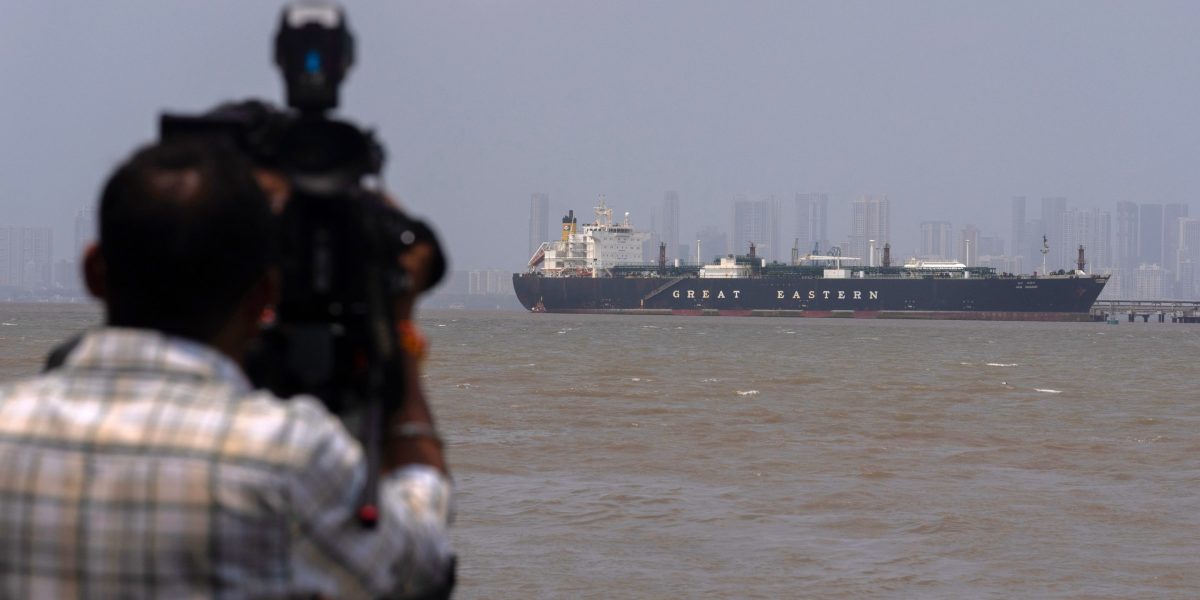
"Collecting tolls in the Strait of Hormuz would violate a fundamental principle of international maritime trade: freedom of peaceful navigation, as established by the United Nations' Convention on the Law of the Sea."
"Reopening the strait is critical for the global economy, which has faced rising energy and fertilizer prices since the war began, but agreeing to Iranian tolls would enhance its control over a key shipping route."
"Iran has already started charging vessels passing through the strait, leveraging the situation by blocking the strait and threatening ships, which has led to immediate shortages in energy-dependent countries."
Iran is insisting on the right to collect tolls in the Strait of Hormuz as a condition for reopening this crucial waterway. This demand contradicts the principle of freedom of navigation established by the United Nations' Convention on the Law of the Sea. Reopening the strait is essential for alleviating global economic pressures caused by supply constraints. However, allowing Iran to collect tolls would solidify its control over a vital shipping route for 20% of the world's oil, raising concerns among U.S. officials and Gulf oil producers.
Read at Fortune
Unable to calculate read time
Collection
[
|
...
]