#14th-gen-intel-hx
#14th-gen-intel-hx
[ follow ]
#intel #amd #ai #gaming-performance #nvidia #panther-lake #arm #apple #data-center #ryzen-7-9850x3d #performance









#intel-processors
Tech industry
fromThe Verge
3 weeks agoIntel announces Core Ultra 270K Plus and 250K Plus, its 'fastest gaming desktop processors ever'
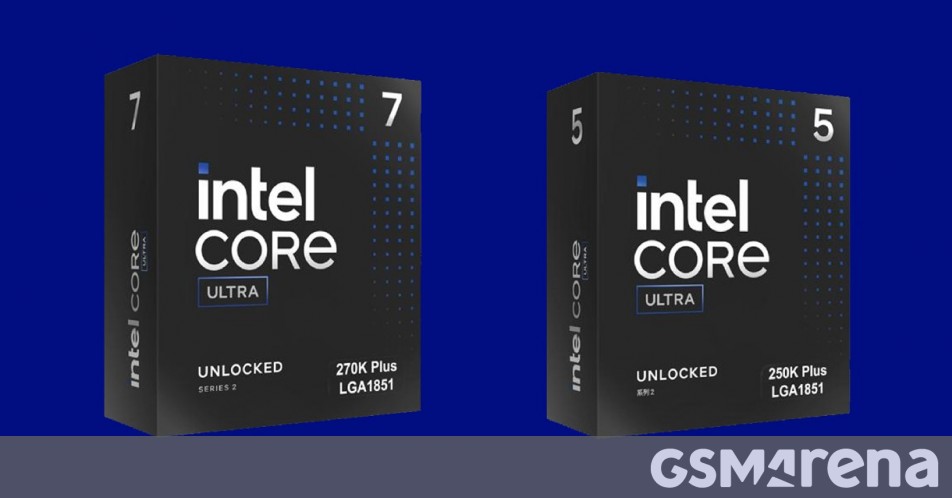
Intel launches Core Ultra 7 270K Plus and 250K Plus processors on March 26th, claiming superior gaming performance over previous flagship chips with competitive pricing and strong multithreaded capabilities.
fromArs Technica
3 weeks agoTesting Apple's 2026 16-inch MacBook Pro, M5 Max, and its new "performance" cores
The M5 Pro and M5 Max are no longer monolithic chips with all the CPU and GPU cores and everything else packed into a single silicon die. Using an 'all-new Fusion Architecture' like the one used to combine two Max chips into a single Ultra chip, Apple now splits the CPU cores (and other things) into one piece of silicon, and the GPU cores (and other things) into another piece of silicon.
Apple
fromTheregister
1 month agoAMD's edgiest Epycs get a Zen 5 boost with 84-core Sorano
Sorano will be available with up to 84 Zen 5 cores - up from 64 on Siena - in a power envelope of just 225 watts. AMD isn't ready to spill all the beans on its latest Epyc just yet, but based on core count alone, we surmise the chip will either feature six density-optimized Zen 5c chiplets with 14 of 16 cores enabled or 12 of the frequency-optimized Zen 5 variety with one of the eight cores fused off.
Artificial intelligence
fromGSMArena.com
2 weeks agoAMD buys HBM4 from Samsung for AI data centers
Samsung and AMD share a commitment to advancing AI computing, and this agreement reflects the growing scope of our collaboration. From industry-leading HBM4 and next-generation memory architectures to cutting-edge foundry and advanced packaging, Samsung is uniquely positioned to deliver unrivaled turnkey capabilities that support AMD's evolving AI roadmap.
Tech industry

#ryzen-ai-400-series
Gadgets
fromArs Technica
1 month agoAMD will bring its "Ryzen AI" processors to standard desktop PCs for the first time
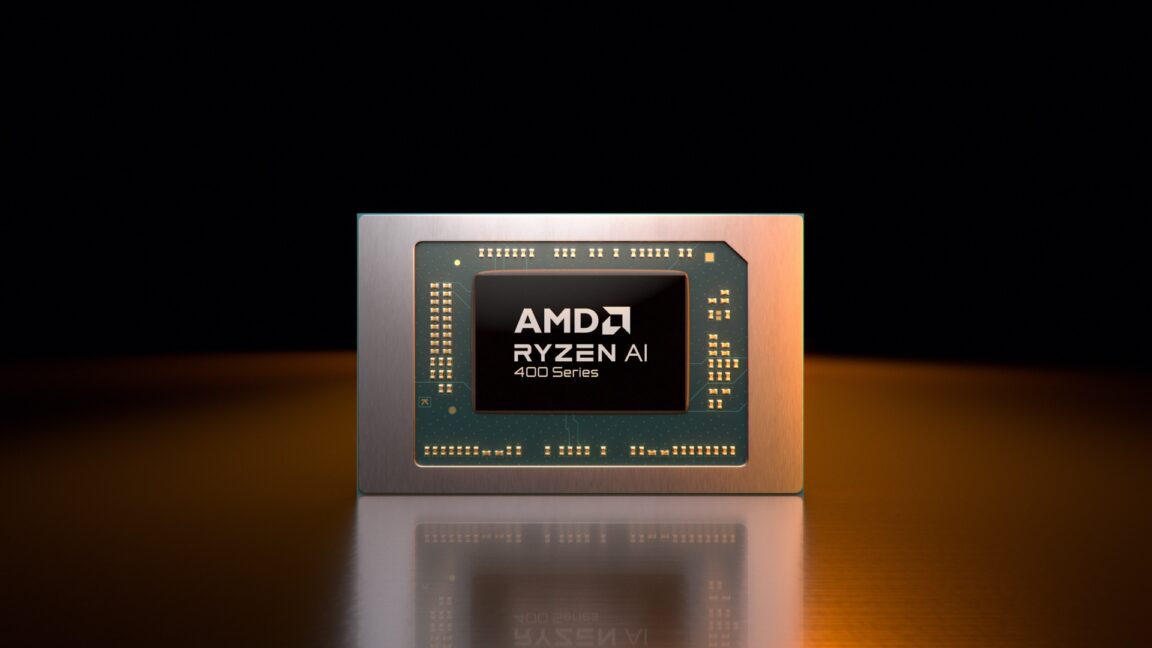
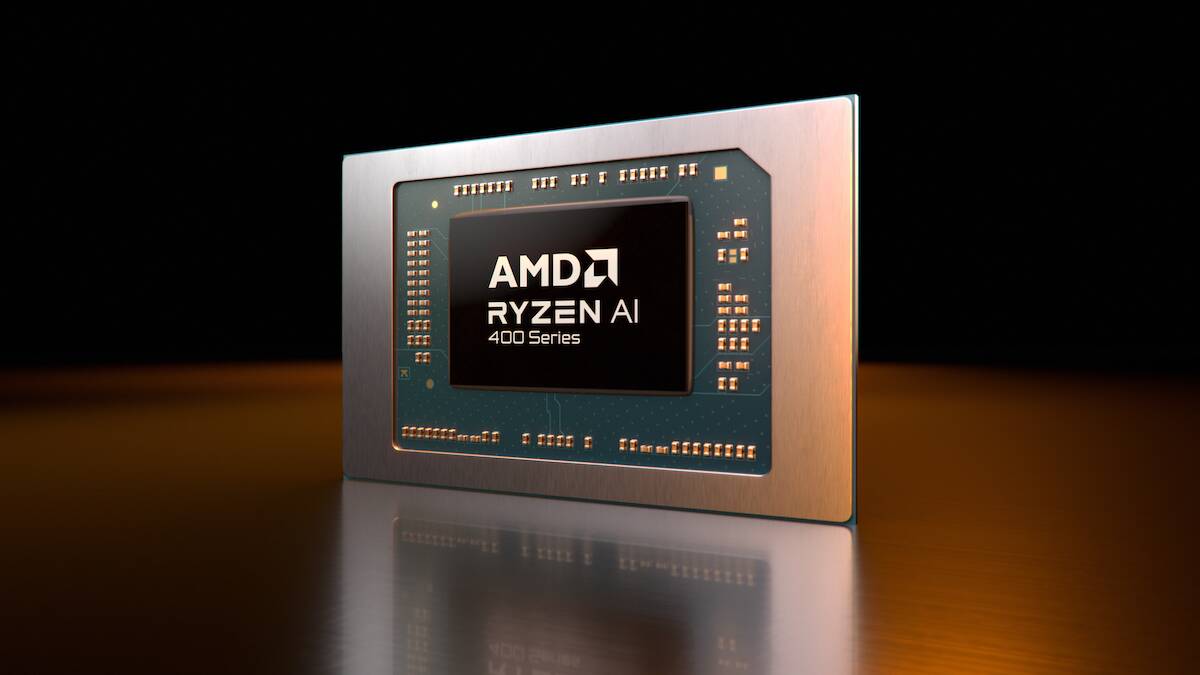
AMD's Ryzen AI 400-series desktop processors are repackaged laptop chips with up to 8 CPU cores and Radeon 860M GPUs, targeting business desktops rather than gaming due to high DDR5 memory costs.

Gadgets
fromArs Technica
1 month agoAMD will bring its "Ryzen AI" processors to standard desktop PCs for the first time
AMD's Ryzen AI 400-series desktop processors are repackaged laptop chips with up to 8 CPU cores and Radeon 860M GPUs, targeting business desktops rather than gaming due to high DDR5 memory costs.
Tech industry
from24/7 Wall St.
1 month agoAMD Looks to Displace Intel With World's First Copilot+ Desktop Chips
The AI PC market will grow at 30% annually from 2025 to 2034, reaching $967 billion, driven by on-device AI demand, with AMD's Ryzen AI 400 Series challenging Intel's x86 dominance through superior AI performance capabilities.
fromTheregister
2 months agoUnpacking AMD's latest datacenter CPU and GPU announcements
AMD clarified those estimates are based on a comparison between an eight-GPU MI300X node and an MI500 rack system with an unspecified number of GPUs. The math works out to eight MI300Xs that are 1000x less powerful than X-number of MI500Xs. And since we know essentially nothing about the chip besides that it'll ship in 2027, pair TSMC's 2nm process tech with AMD's CDNA 6 compute architecture, and use HBM4e memory, we can't even begin to estimate what that 1000x claim actually means.
Artificial intelligence
fromTheregister
1 month agoPositron opts for laptop RAM over HBM to take on Nvidia
On paper, Positron's next-gen Asimov accelerators, no doubt named for the beloved science fiction author, don't look like much of a match for Nvidia's Rubin GPUs. Yet, the Arm-backed AI startup boasts its inference chip will churn out five times as many tokens per dollar while using one-fifth the power of Nvidia's latest accelerators to do it. Those are certainly some bold claims, which the company contends are possible because the chip was designed to support large-scale inference workloads.
Artificial intelligence


fromEngadget
2 months agoAMD's new Ryzen AI Max+ chips and Ryzen 7 9850X3D court desktop enthusiasts at CES 2026
"Many people in the PC industry said, well, if you want graphics, it's gotta be discrete graphics because otherwise people will think it's bad graphics," Macri said at last year's CES. "What Apple showed was consumers don't care what's inside the box. They actually care what the what the box looks like. They care about the screen, the keyboard, the mouse. They care about what it does."
Gadgets
fromTheregister
2 months agoIntel greets memory apocalypse with Xeon workstation CPUs
The Xeon 600 lineup spans the gamut between 12 and 86 performance cores (no cut-down efficiency cores here), with support for between four and eight channels of DDR5 and 80 to 128 lanes of PCIe 5.0 connectivity. Compared to its aging W-3500-series chips, Intel is claiming a 9 percent uplift in single threaded workloads and up to 61 percent higher performance in multithreaded jobs, thanks in no small part to an additional 22 processor cores this generation.
Tech industry
fromGSMArena.com
2 months agoAMD announces the new Ryzen 7 9850X3D gaming CPU
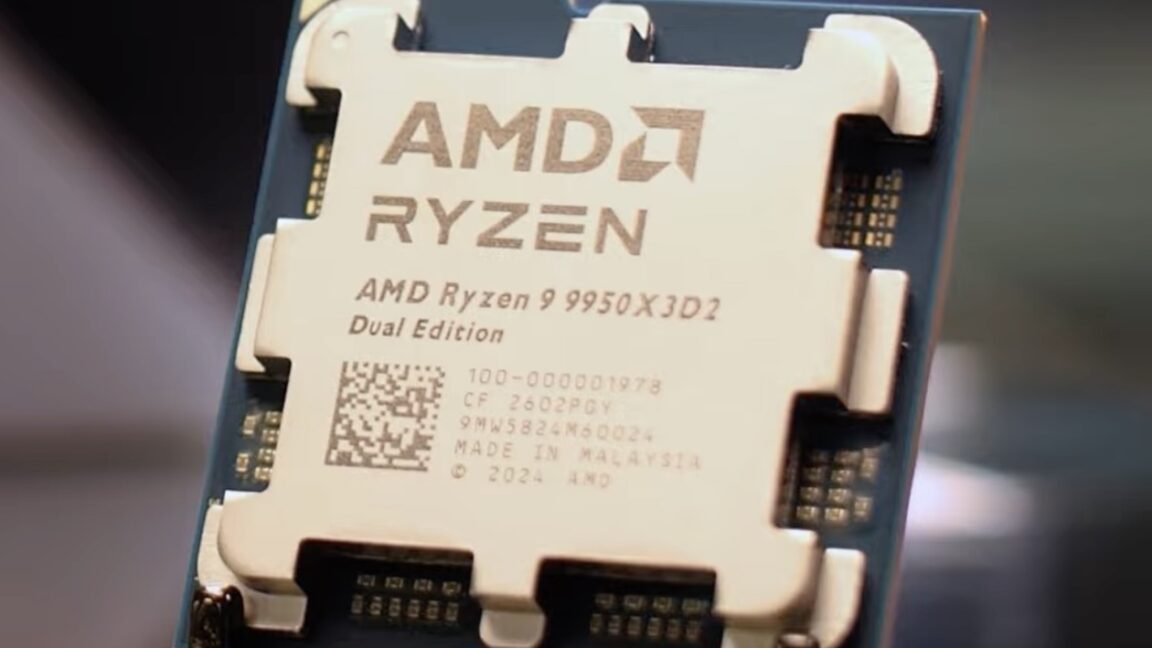
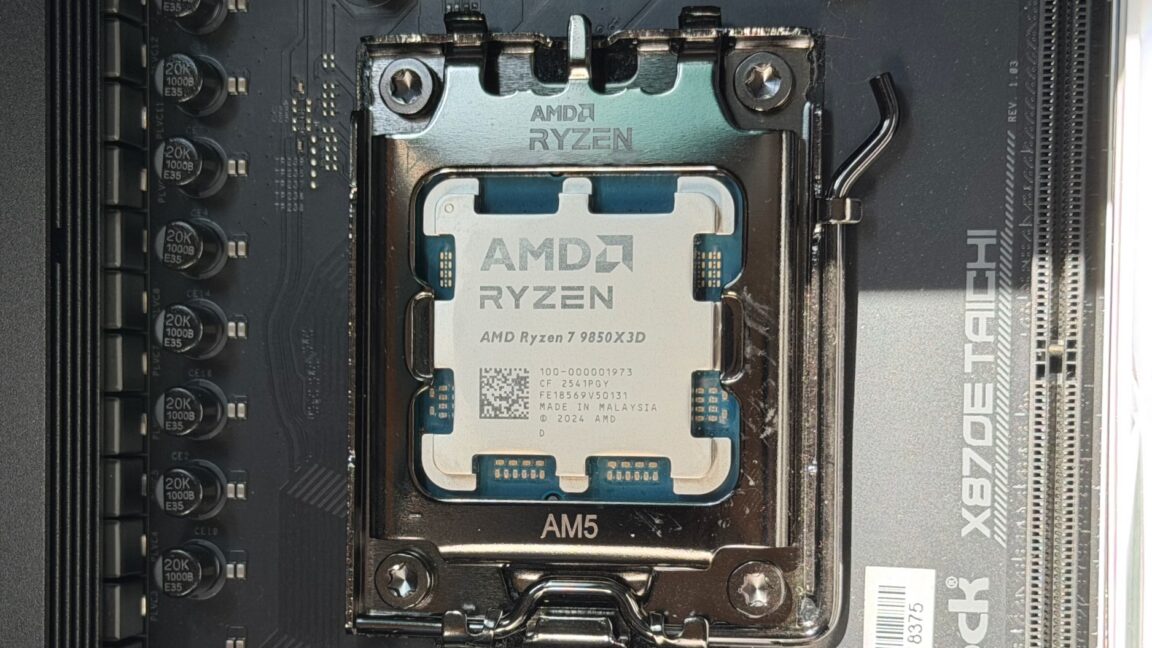
The Ryzen 7 9850X3D features the same 8-core, 16-threads design as the 9800X3D, as well as the same 96MB L3 cache that makes these chips especially suited for gaming workloads. Thanks to the higher level of binning, the 9850X3D can now hit 5.6GHz clock speeds, up from the 9800X3D's 5.2GHz, at the same 120W TDP. This is an almost 8% increase in clock speed, and should make the 9850X3D the fastest gaming CPU in AMD's lineup, and consequently, on the market.
Gadgets

fromThe Verge
1 month agoHP ZBook Ultra G1a review: a business-class workstation that's got game
Business laptops are typically dull computers foisted on employees en masse. But higher-end enterprise workstation notebooks sometimes get an interesting enough blend of power and features to appeal to enthusiasts. HP's ZBook Ultra G1a is a nice example. It's easy to see it as another gray boring-book for spendy business types, until you notice a few key specs: an AMD Strix Halo APU, lots of RAM, an OLED display, and an adequate amount of speedy ports (Thunderbolt 4, even - a rarity on AMD laptops).
Gadgets
fromThe Verge
2 months agoLeak: Nvidia is about to challenge 'Intel Inside' with as many as eight Arm laptops
They won't have an Nvidia graphics chip next to an Intel CPU, but rather an Nvidia N1 system-on-chip at the helm - and overnight, a Lenovo leak revealed that the company has built six laptops on the upcoming N1 and N1X processors, including a 15-inch gaming machine. Dataminer Huang514613 posted those names to X, including 14 and 16-inch models of the Ideapad Slim 5, two variants of the 15-inch Yoga Pro 7, and a Yoga 9 transforming 2-in-1.
Gadgets
[ Load more ]