#1998-trade
#1998-trade
[ follow ]
#tariffs #trade-policy #supreme-court #trump #us-tariffs #trump-administration #us-trade-policy #trade-agreements
fromFortune
8 hours agoThe World Cup is supposed to be an economic windfall. But 'you're seeing a lot of headwinds' now | Fortune
"The influx of visitors will likely generate billions of dollars in economic activity, benefiting the hospitality, transportation, and retail sectors. Host city hotels anticipate record occupancy, and local businesses will benefit from increased visitor traffic."
World news
#tariffs



US politics
fromwww.npr.org
1 month agoTrump's many tariff tools mean consumer prices won't go down, analysts say
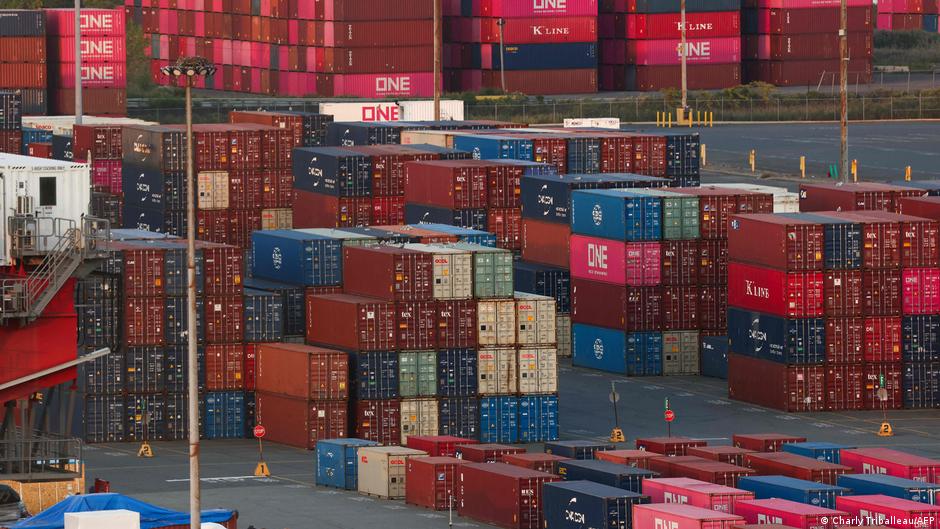
Consumers will not see cheaper grocery and retail prices despite the Supreme Court striking down some Trump tariffs, as the administration uses alternative legal tools to reimpose import taxes and price stickiness prevents price reductions.


Alternative transportation
fromStreetsblog USA
5 days agoTrump's 'Freedom Means Affordable Cars' Rings Hollow As Gas Prices Surge - Streetsblog USA
Rising gas prices challenge the Trump administration's oil consumption strategy and highlight the need for better mobility alternatives in American cities.
Canada news
fromenglish.elpais.com
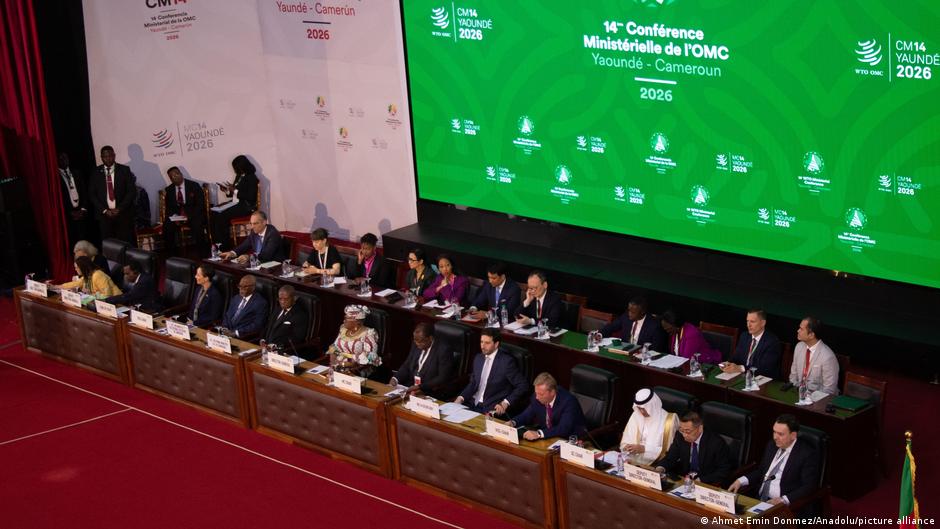
2 weeks agoMexico's economy secretary: Our vision in the USMCA is to reduce dependence on other regions'
Mexico's Secretary of Economy Marcelo Ebrard met with U.S. Trade Representative Jamieson Greer to initiate the USMCA review, presenting Mexico's priorities including reducing regional dependence, addressing trade asymmetries, and securing supply chains.


Europe news
fromLondon Business News | Londonlovesbusiness.com
3 weeks agoTrump Weighing Up Fresh Tariff Framework and Markets - London Business News | Londonlovesbusiness.com
European markets decline amid rising energy prices and stagflation concerns, while defence stocks gain on Iran conflict tensions and oil prices surge past $94 despite IEA's strategic reserve release.
Canada news
fromABC7 Los Angeles
2 weeks agoTricky negotiations begin Monday to renew a trade pact between the United States, Mexico and Canada
The USMCA trade agreement faces uncertain renewal as Trump demands changes and threatens withdrawal, potentially disrupting $1.6 trillion in annual North American trade.
#trade-investigations
European startups
fromwww.dw.com
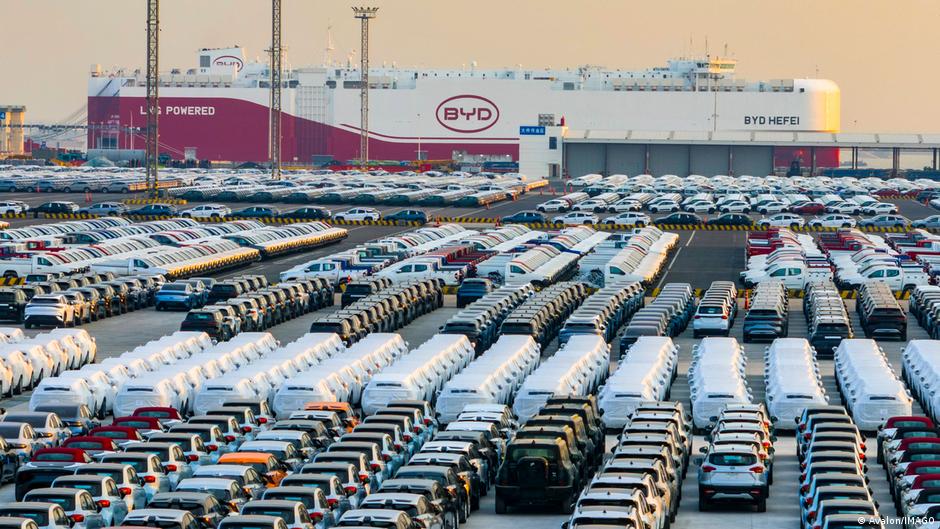
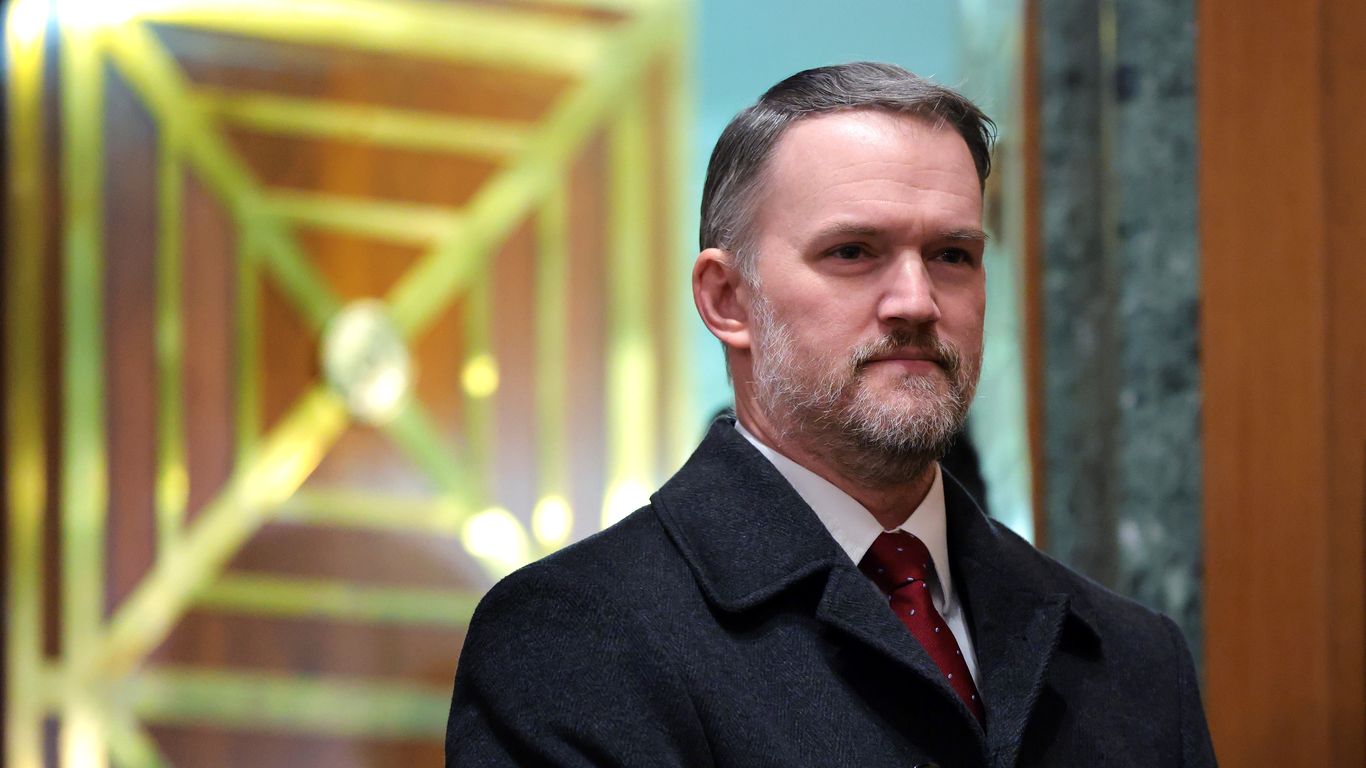
3 weeks agoUS trade probes could lead to new tariffs for EU, China
The US launched two trade investigations targeting excess industrial capacity and forced labor imports, potentially leading to new tariffs on major trading partners after the Supreme Court limited Trump's tariff authority.



US politics
fromFortune
1 month agoTrump brags that America is 'winning so much.' Without tariffs, "we could have seen more of the good news," IMF director says. | Fortune
The U.S. economy shows strong growth and resilience, but chronic budget deficits and tariff-based trade policies threaten its long-term fiscal health.
fromFortune
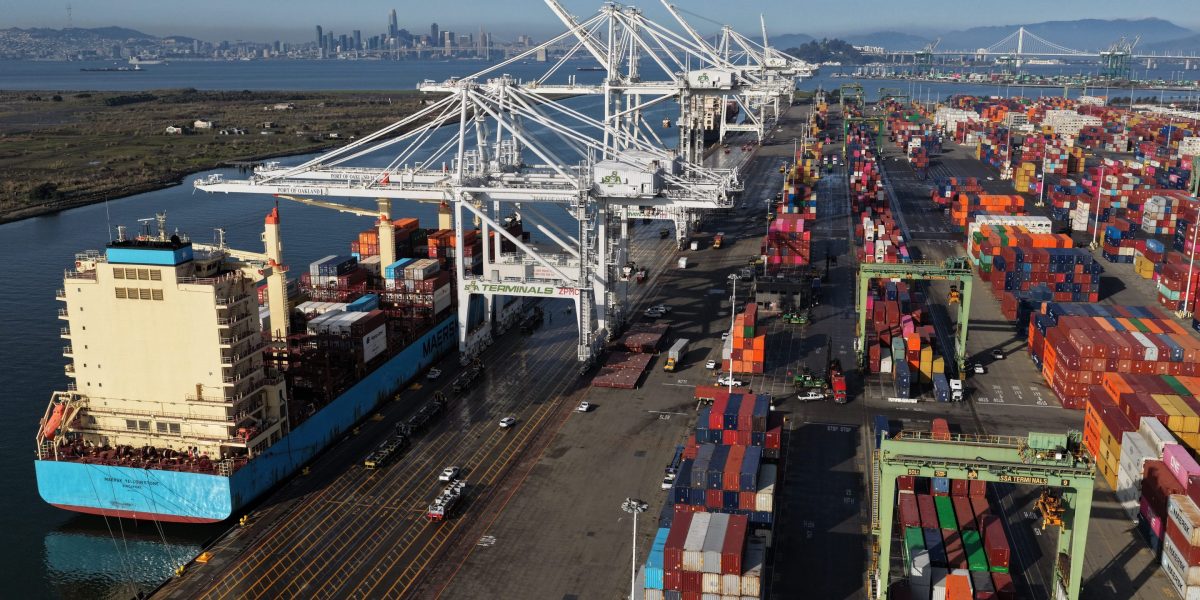
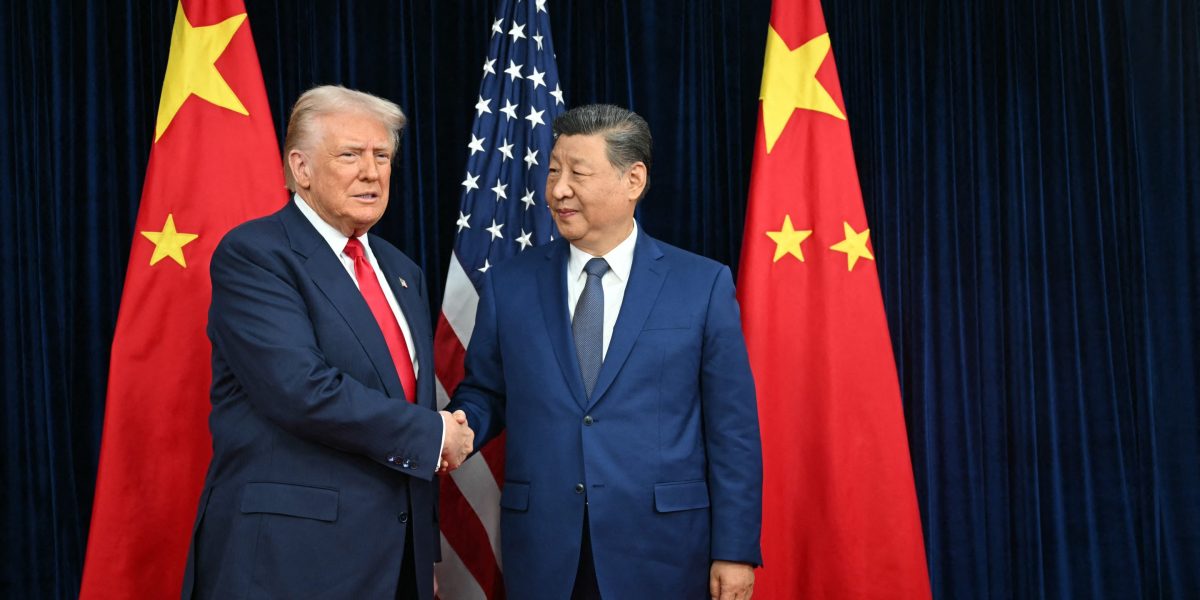
2 months ago'The Chinese have invaded us in terms of merchandise': Mexico and Argentina lead Latin America's struggles with flood of imports | Fortune
China has been flooding Latin American markets with low-priced exports, especially autos and e-commerce goods, as its exporters adjust to U.S. President Donald Trump's tariffs and geopolitical moves. The world's second-largest economy has become a major trading partner for many Latin American nations, seeking access to their abundant natural resources and growing markets while expanding its influence in a region Trump views as America's Backyard.
E-Commerce
fromwww.theguardian.com
2 months agoThe Guardian view on the EU's answer to Trump: trade without threats | Editorial
For the European Commission president, Ursula von der Leyen, the EU's trade pact with India was the mother of all deals. Seen from the other end of the telescope, it looked like the mouse of all deals, with just 4bn (3.5bn) in tariff reductions a rounding error in a 180bn trading relationship. But that misses the point: this is about economic heavyweights resetting the terms of their cooperation because of Donald Trump's use of tariffs as a tool of economic and political compulsion.
Europe politics
fromFortune
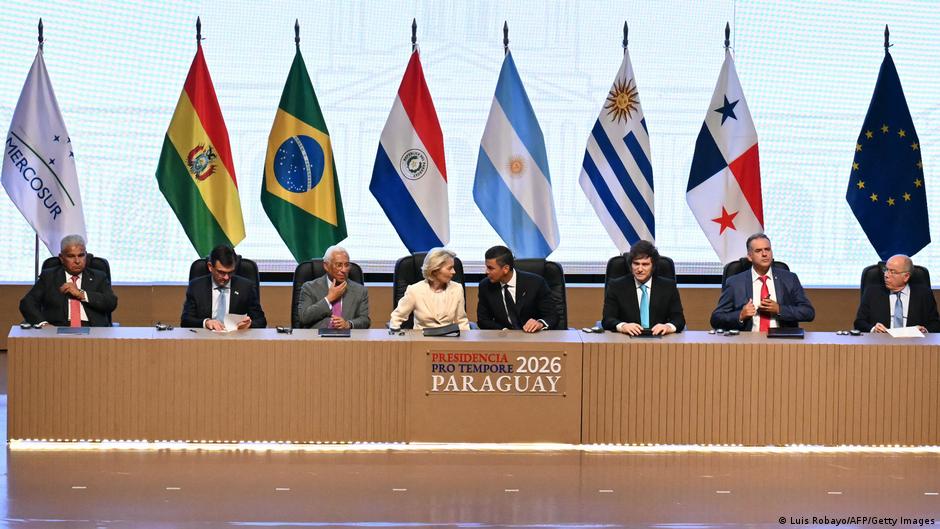
2 months agoEU and Mercosur bloc of South American nations sign trade deal to end quarter-century of talks, just as Trump hits Europe with new tariffs | Fortune
The European Union and the Mercosur bloc of South American countries formally signed a long-sought landmark free trade agreement on Saturday, capping more than a quarter-century of torturous negotiations to strengthen commercial ties in the face of rising protectionism and trade tensions around the world. The signing ceremony in Paraguay's capital, Asunción, marks a major geopolitical victory for the EU in an age of American tariffs and surging Chinese exports, expanding the bloc's foothold in a resource-rich region increasingly contested by Washington and Beijing.
Miscellaneous




fromRealagriculture
2 months agoFrontlines: From trade partner to pressure point - Canada's evolving leverage with Trump
Shapiro begins by revisiting-and correcting-his earlier view that Canada had little room to push back against U.S. pressure. "I think he's making a bet that Canada has far more leverage than I was giving it credit, and that actually Canada is the one holding the cards here," Shapiro says, arguing that Trump's negotiating style and domestic political constraints give Canada more room than was first assumed.
Canada news
fromFortune
2 months agoA spectre is haunting Europe - the spectre of Trump. Cue the Asian trade deals | Fortune
Stability. Consistency. Ever-changing complexity. With language like that, deployed in separate meetings in three Asian capitals this week, government leaders forged closer ties driven in part by a figure halfway around the world: the president of the United States. And much of the time, they didn't even mention Donald Trump's name. IN BEIJING: The U.K. and Chinese leaders called Thursday for a "long-term, stable, and comprehensive strategic partnership" between their two countries. The important words are long-term and stable. The two countries committed a decade ago to building a comprehensive strategic partnership but progress has been halting at best.
World politics
fromwww.theguardian.com
2 months agoIMF warns tariffs and geopolitical tensions threaten markets and global growth
The International Monetary Fund has warned mounting geopolitical tensions and an escalation of Donald Trump's tariff war could hit global economic growth and trigger a backlash in financial markets. In an update as Trump threatens to impose tariffs on Nato allies opposed to his ambitions in Greenland, the Washington-based fund said a renewed eruption in trade tensions was among the biggest risks to global growth in 2026.
World news
World news
fromwww.theguardian.com
2 months agoAs US influence wanes, the Chinese trade surplus strangles manufacturing across the globe
China's massive trade surplus and export surge are destabilizing the global trading order and straining other countries' manufacturing and international economic institutions.
fromFortune
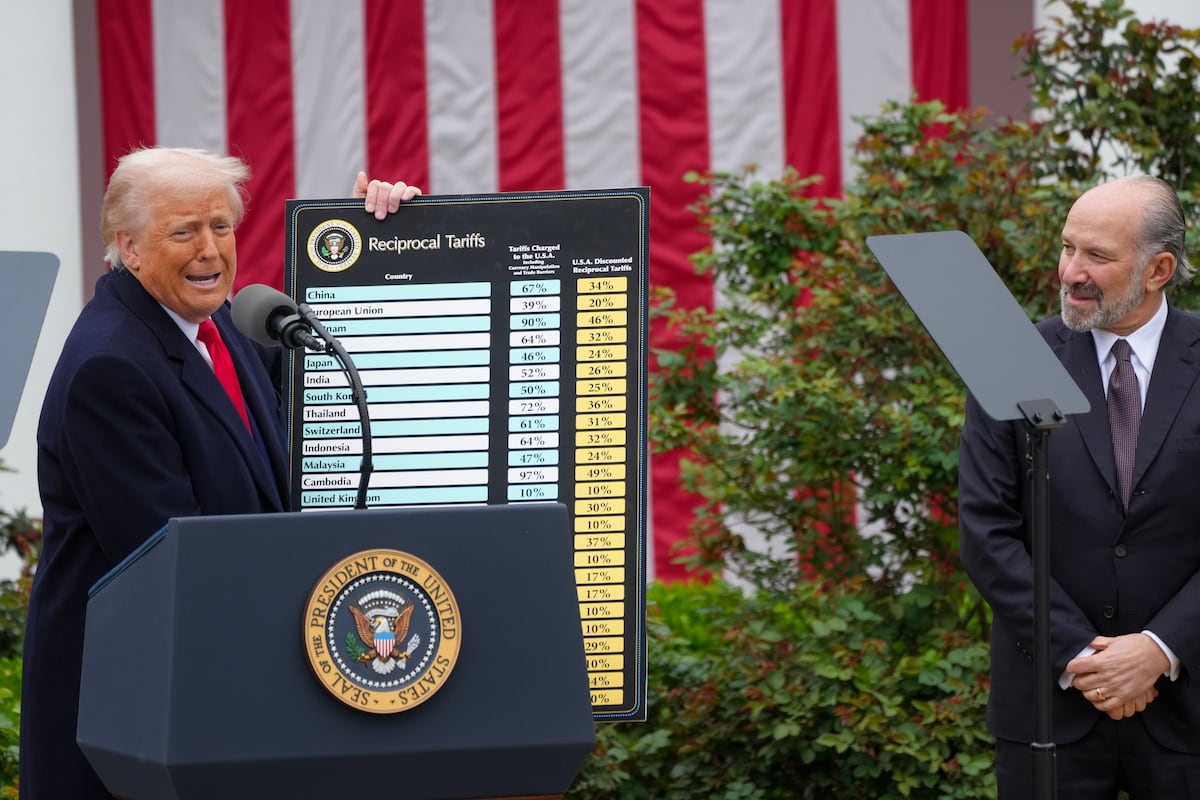
1 month agoTrump imposes 10% global tariff in bid to salvage trade plans | Fortune
Trump previously said he was implementing the new baseline duty under Section 122 of the Trade Act of 1974, which grants the president unilateral ability to impose tariffs. But the untested legal provision puts a 150-day limit on how long the duties can remain in place. Congress would need to approve any extension. The Supreme Court, in a 6-3 decision handed down earlier Friday, ruled that Trump's use of a decades-old federal emergency-powers law to impose his so-called "reciprocal" tariffs was unlawful.
US politics

[ Load more ]