#2030-emissions-target
#2030-emissions-target
[ follow ]
#climate-change


Germany news
fromwww.dw.com
1 week agoGermany's big climate move bold step or bare minimum?
Germany's new climate package aims to enhance wind power and e-mobility, but critics argue it is insufficient for meeting emission reduction targets.
OMG science
fromNature
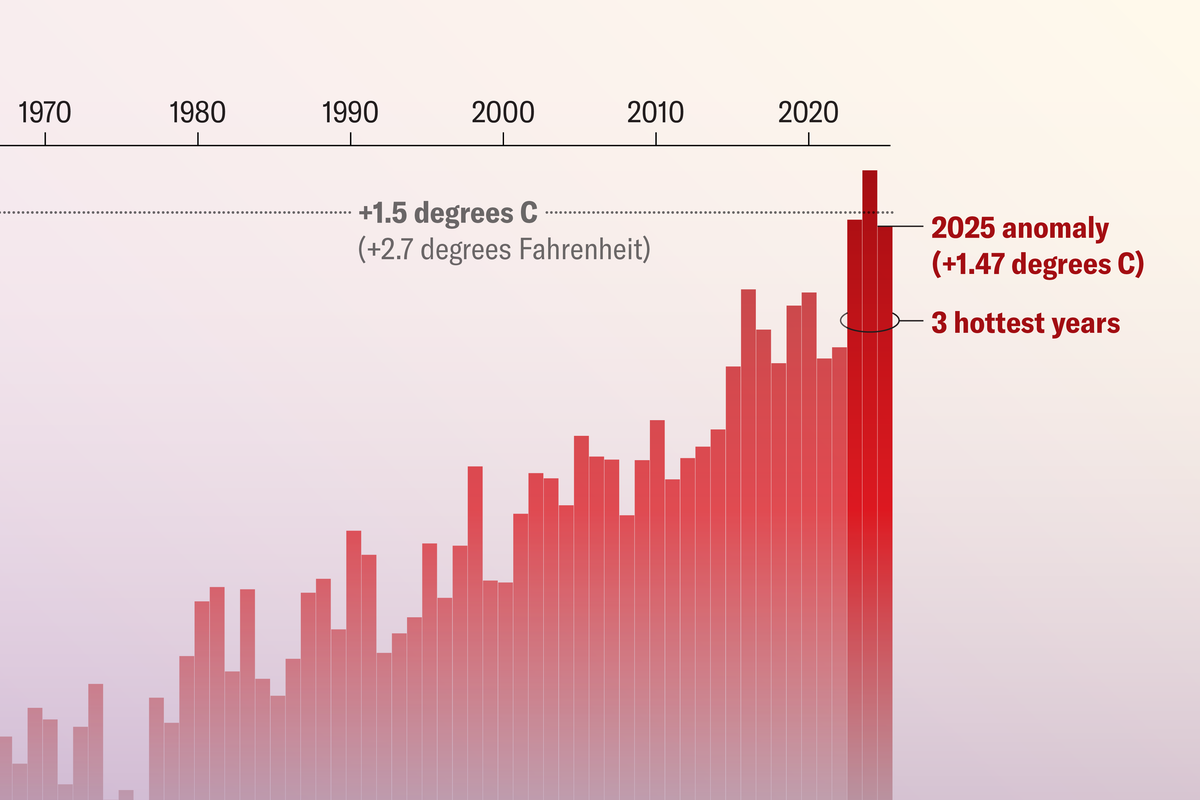
2 weeks agoDaily briefing: We've just had the 11 hottest years on record
Earth's climate is more out of balance than ever, with record heat and CO2 levels, highlighting the impact of fossil fuel dependency.

#windfall-tax
Europe news
fromFortune
1 day agoEuropean ministers urge EU to impose windfall taxes on energy companies as prices spike 'to ensure that this burden is distributed fairly' | Fortune
European finance ministers are urging a bloc-wide windfall tax on energy companies to address rising oil and gas prices and inflation concerns.


fromFuturism
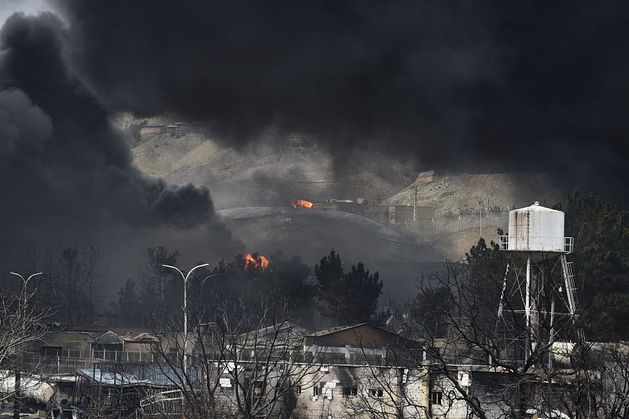
1 day agoEPA Now Values Human Lives at $0
When lives are assigned a higher dollar value, stricter pollution standards tend to clear the 'economic efficiency' sniff test, resulting in cleaner air. But that improved air quality comes at the expense of America's industrial industries, which have to invest in pricey systems to reduce the amount of these pollutants they spew down to acceptable levels.
US Elections
Non-profit organizations
fromLos Angeles Times
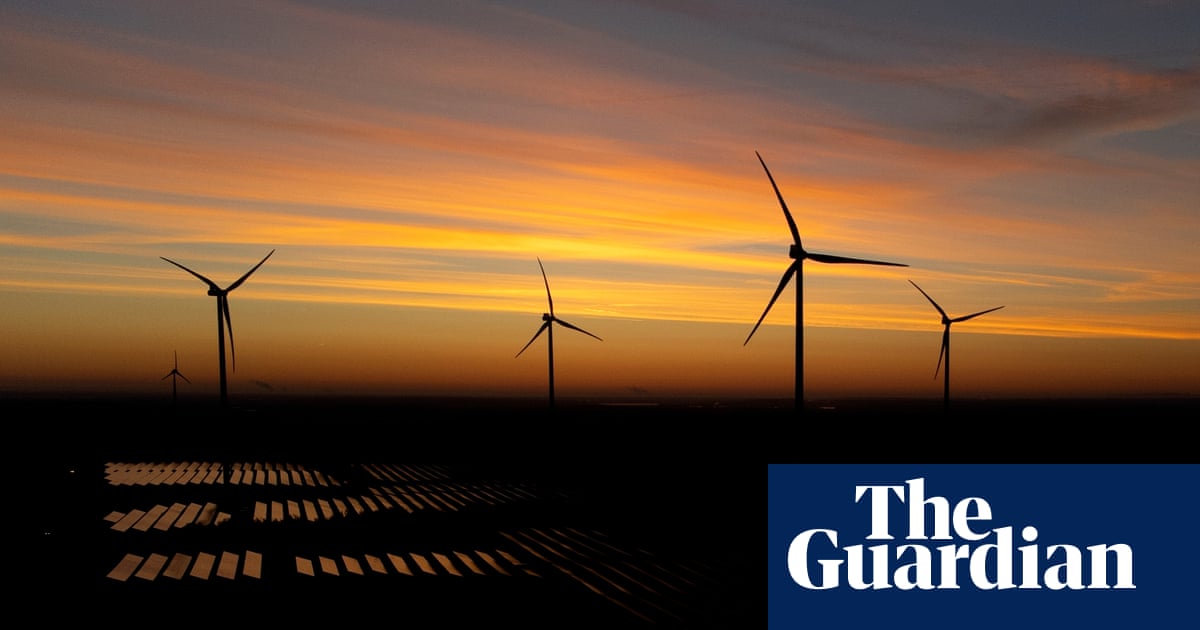
2 days agoTrump's 2027 budget would cut billions from clean energy and climate programs while boosting military spending
Trump's 2027 budget proposal includes significant cuts to clean energy and environmental programs, aiming to eliminate funding for the 'green agenda.'
World news
fromIrish Independent
2 days agoEU warns it's 'preparing for worst scenarios' and assessing 'all possibilities' including fuel rationing as energy crisis deepens
Tehran plans to charge for passage through the Strait of Hormuz, aiming to ensure safe navigation amid rising tensions with the US.

fromwww.theguardian.com
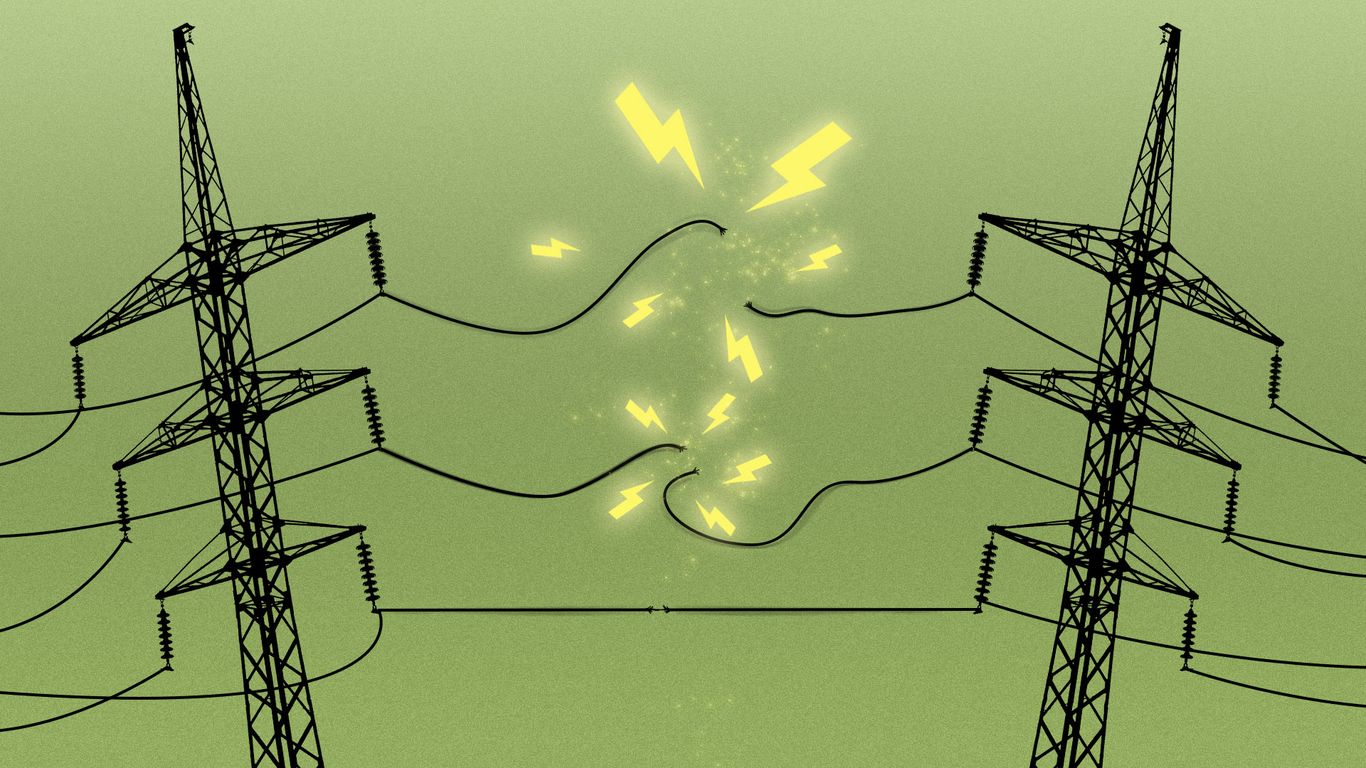
2 days agoWhy reducing air pollution deaths isn't just about reducing air pollution
Air pollution is the second-largest risk factor for early death globally. Traditionally, our response has focused on reducing the levels of pollution people breathe, but this is only part of the story.
Public health
fromComputerWeekly.com
3 days agoData dive: Government 2030 datacentre capacity targets look shaky | Computer Weekly
The UK has about 1.59GW of currently installed datacentre capacity at just under 190 sites. If we add existing capacity to that which is planned to complete by 2030 and which has planning consent, we get 4.9GW.
UK news
fromwww.kaltblut-magazine.com
3 weeks agoThe Climate Crisis
At a young age, I learned quickly how oil wealth and power could burn the land while people struggled. I saw heat rise off the streets, the Nile strained, and the air thickened with injustice. In my teenage years, through Aotearoa, being on the edge of the Pacific, I felt the ocean breathing heavy, swallowing the shores of islands that have done the least to cause this harm.
Photography
Germany news
fromwww.dw.com
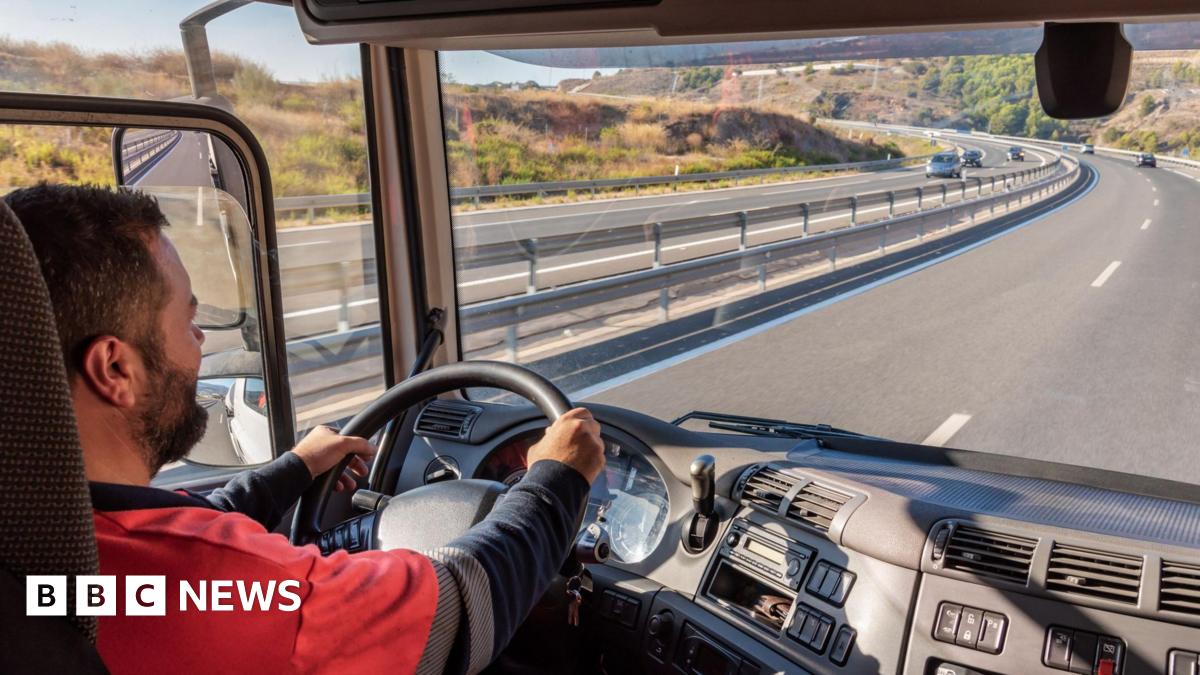
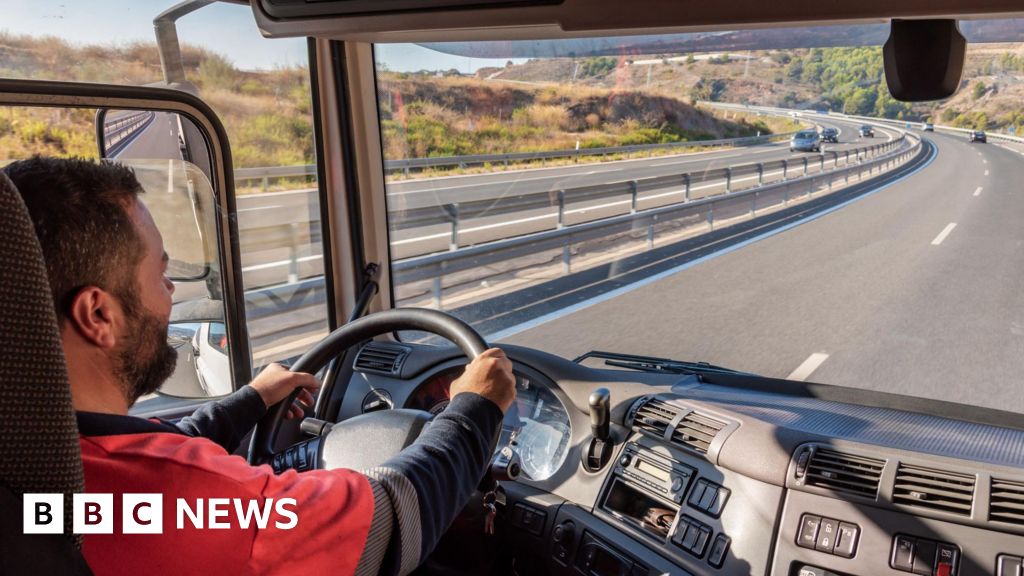
2 weeks agoGermany's Climate Protection measures are barely on target
Germany's climate protection efforts have stalled under the new conservative government, with emissions falling only 0.1% in 2025 and plans to build new gas-fired power plants undermining previous environmental commitments.
fromMail Online
2 weeks agoRevealed: How many will DIE by 2050 if we don't curb climate change
Rising temperatures are projected to increase the prevalence of physical inactivity, translating into additional premature deaths and productivity losses, especially in tropical regions. Prioritising heat-adaptive urban design, subsidised climate-controlled exercise facilities, and targeted heat-risk communication is essential to mitigate these emerging health and economic burdens, in addition to ambitious emissions reductions.
Public health
fromFortune
3 days agoCountries are turning to 'structurally more resilient' energy sources as oil and gas crisis deepens, UN renewables chief says | Fortune
"A more decentralized energy system, with a growing share of renewables and more market players, is structurally more resilient. Countries that invested in the energy transition are weathering this crisis with less economic damage, as they boost energy security, resilience and competitiveness."
Environment
Environment
fromwww.theguardian.com
4 days agoAsia ramps up use of dirty fuels to cover energy shortfall triggered by Iran war
Asian governments are increasing coal use to address energy shortages caused by geopolitical conflicts, raising environmental concerns and calls for renewable energy investment.
fromwww.theguardian.com
1 month agoDaunting but doable': Europe urged to prepare for 3C of global heating
as the EU's climate advisory board urges countries to prepare for a catastrophic 3C of global heating. Maarten van Aalst, a member of the European Scientific Advisory Board on Climate Change (ESABCC), said the continent was already paying a price for its lack of preparation but that adapting to a hotter future was in part common-sense and low-hanging fruit. It is a daunting task, but at the same time
Europe politics
fromwww.theguardian.com
3 weeks agoReaching net zero by 2050 cheaper for UK than one fossil fuel crisis'
Reaching net zero would cost about 4bn a year, the CCC found, or close to 100bn by 2050, which was roughly equivalent to the energy-related costs of the fossil fuel shocks that followed Russia's invasion of Ukraine. The findings contradict widespread claims made by rightwing thinktanks and populist politicians including the Reform party that net zero would represent a crippling cost of 9tn to the UK's economy.
Environment
fromwww.theguardian.com
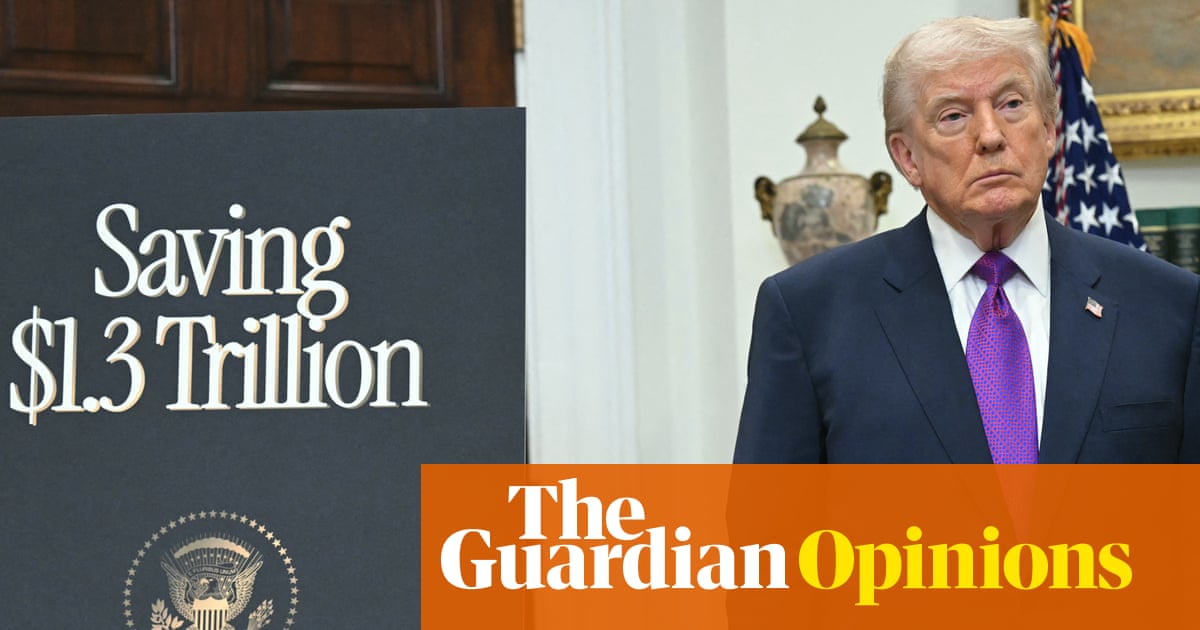
2 months agoTrump's move to pull US from key UN climate treaty may be illegal, experts say
In a Wednesday presidential memorandum, the president said the US shall withdraw from the UN Framework Convention on Climate Change (UNFCCC), along with 65 other organizations, agencies and commissions that it deemed contrary to the interests of the United States. It marks the first time any country has ever moved to exit the agreement. The UN climate body requires one year's notice for withdrawal, so the United States will not cease being a party for a year.
US politics
fromEngadget
2 months agoMeta announces a slew of nuclear energy agreements
The company's agreement with TerraPower will fund the development of two new reactors capable of delivering up to 690 megawatts of power as early as 2032. The deal also gives Meta rights to energy from six other reactors that could deliver an additional 2.1 gigawatts by 2035. All this power would come from TerraPower's "Natrium" reactors, which use sodium instead of water as a coolant.
Artificial intelligence
Environment
fromMail Online
1 month agoGlobal warming has accelerated significantly since 2015, study reveals
Global warming has accelerated to 0.35°C per decade over the past 10 years, double the 1970-2015 rate, threatening to exceed the 1.5°C Paris Agreement limit before 2030 without urgent CO2 emission reductions.
fromNature
1 month agoThe world is getting hotter faster - its pace nearly doubled in the past decade
Because the past three years have shattered temperature records, researchers have been exploring whether global warming is accelerating, and if so, why. Many scientists agree that the rate at which it is increasing has picked up. This is mainly because of a reduction in air pollution following the introduction of fuel regulations for international shipping (which has resulted in fewer pollutant particles that reflect sunlight into space and seed insulating clouds).
Environment
fromwww.aljazeera.com
1 month agoUN approves first carbon credits under Paris Agreement market mechanism
The UN-run market allows companies and countries to offset their excess emissions by financing projects that cut greenhouse gases in other nations. The new initiative involves a clean cooking project in Myanmar, which distributes efficient cookstoves that reduce pressure on local forests. Implemented in partnership with a South Korean company, the project will generate credits that will count towards the climate targets of South Korea and Myanmar.
Environment
Environment
fromwww.theguardian.com
1 month agoScotland's new emissions strategy too reliant on science fiction', critics say
Scotland's short-term climate emissions plans are realistic, but medium and long-term strategies face significant credibility concerns with confidence levels dropping from 91% by 2030 to 58% by 2040.
Environment
fromLondon Business News | Londonlovesbusiness.com
1 month agoHow to reduce carbon emissions from business heating - London Business News | Londonlovesbusiness.com
Choosing efficient heating, improving insulation, monitoring energy use, and switching to low-carbon technologies reduces costs and carbon without disrupting operations.
Environment
fromwww.theguardian.com
2 months agoA colossal own goal': Trump's exit from global climate treaties will have little effect outside US
US withdrawal from UNFCCC and IPCC worsens US security and prosperity while failing to change accelerating climate realities or the global transition to low‑carbon growth.
[ Load more ]