#4c-foods
#4c-foods
[ follow ]
fromHigh Country News
3 days agoHow HCN is helping fill a growing need for local news - High Country News
More than a third of the nation's local newspapers have folded in the last 20 years, with the Western U.S. being especially hard-hit, including significant losses in Utah and New Mexico.
Media industry
fromwww.scientificamerican.com
3 days agoEat more plant-based protein instead of meat, top heart health body says, contradicting RFK Jr.
The American Heart Association recommendations emphasize eating more plant-based protein instead of meat and drinking less alcohol, contradicting the recent food pyramid updates that suggest increased red meat and whole milk consumption.
Public health
Coffee
fromDaily Coffee News by Roast Magazine
3 days agoMajor Traders Agree on Two 'Principles of Procurement' to Improve Coffee Sector Sustainability
Major coffee traders and roasters have established principles to enhance the economic viability of coffee farmers through strategic partnerships and sustainable production support.
#sustainability
Online Community Development
fromDaily Coffee News by Roast Magazine
1 week agoStudy: Social Enterprises Beat Corporate Sustainability in Farmer Well-Being
Social enterprises significantly enhance farmer well-being compared to traditional corporate sustainability programs and cooperatives in the coffee and cocoa sectors.
fromSFGATE
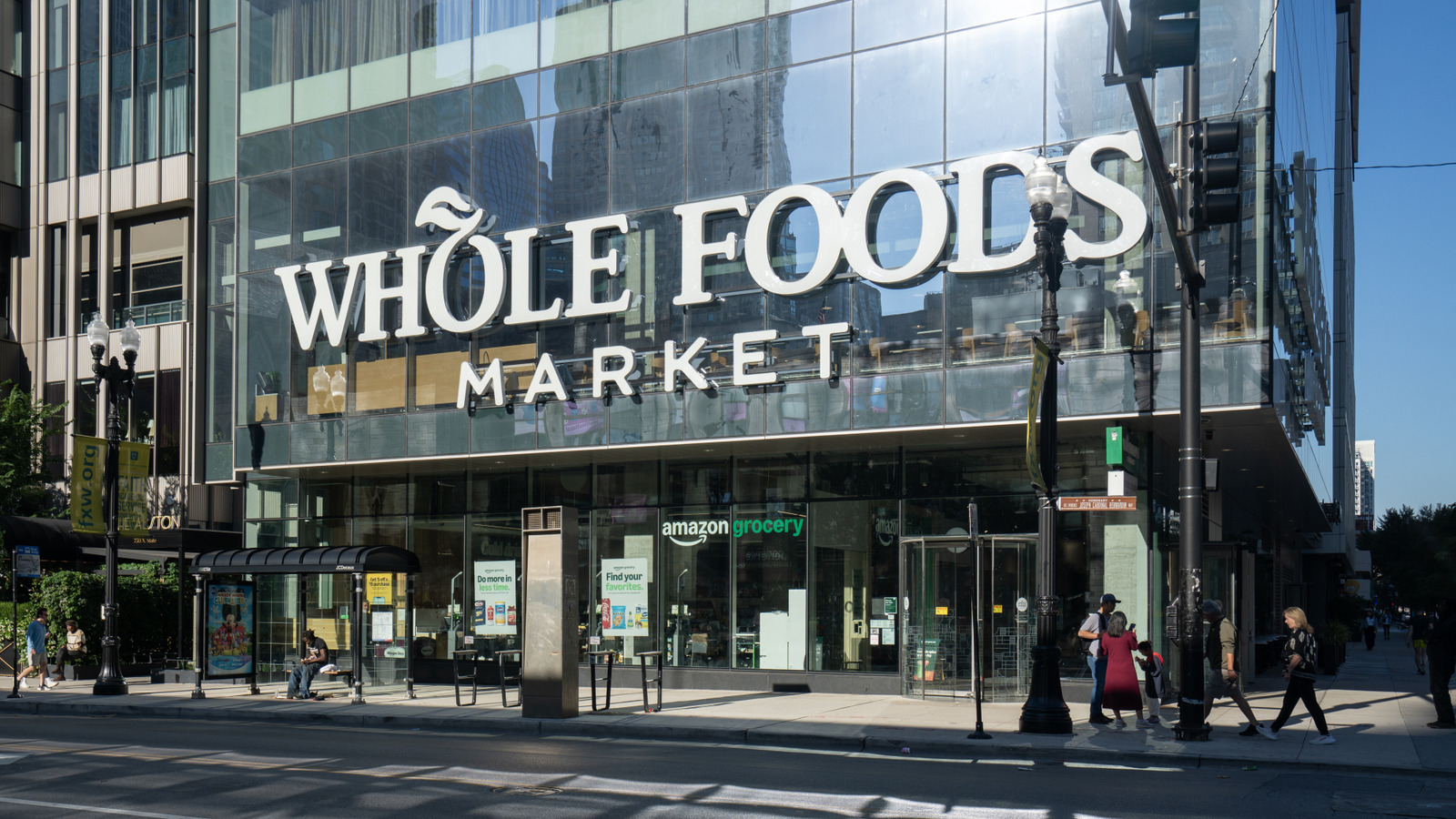
3 weeks agoSan Francisco is losing another major grocery store
Closing a store is not a decision we take lightly, but this store has had performance issues for an extended period of time. We have worked to enhance and remodel the location, but it has not shown the sales and profit needed to continue operations. In fact, despite the best efforts of a great team, we have lost money year over year at this location.
San Francisco
Public health
fromEurasia Review
3 weeks agoDigital Transformation Of Food Retail Is Reshaping Food Access For Consumers
Digital retail transformation reshapes food access through online platforms and AI, creating both health promotion opportunities and risks of targeted unhealthy food marketing to vulnerable populations.
fromThe Atlantic
3 weeks agoIt's Bean Time
These tiny packages pack a nutritional punch-so much so that the advisory committee for the 2025 U.S. Dietary Guidelines recommended upping the daily serving size of legumes and promoting them as a protein source over meat and seafood. Navy beans, for example, are especially fiber-dense, and lentils are protein powerhouses.
Food & drink

fromNatural Health News
3 months agoCalifornia Moves to Eliminate Ultraprocessed Foods from School Lunches - by 2035
California's "Real Food, Healthy Kids Act" represents the first law in the U.S. to define and ban ultraprocessed foods (UPFs) from public school lunches. As reported by CNN, the bill requires scientists and public health experts to determine which ingredients and additives are most damaging to children's health. These "foods of concern" will then be systematically phased out of school meal programs that serve over 1 billion lunches annually.
Alternative medicine
fromForbes
1 month agoThe Dense Bean Salad Effect: Why Community Now Drives Growth
Chef Violet Witchel, creator of the now-viral "dense bean salad," didn't build a 3 million strong social media following by chasing virality. She built it by solving a problem. At a time when protein goals were trending and food prices were rising, she noticed something simple: beans were affordable, high-protein, and meal-prep friendly.
Growth hacking
Online Community Development
fromStreetsblog
1 month agoHow the 'Little Free Pantry' Can Help Feed the Hungry Without Requiring Them to Drive - Streetsblog USA
Micro-pantries are small, community-maintained food compartments addressing food insecurity for people without reliable transportation to traditional food banks.
fromThe Art Newspaper - International art news and events
1 month agoArt collective Cooking Sections' food projects are helping save the planet
Since the duo got together as fellow students at Goldsmiths Centre for Research Architecture in 2013, they have been using the production and consumption of food as the focus for numerous long-term, site-specific projects that address how we should live-and eat in particular-in the face of climate change. As they put it: "Food is both deeply connected to the environment and to ecology but at the same time is also intersectional: every living organism on this planet is invested and preoccupied with processes of metabolism, ingestion and the acquisition of nutrients."
Arts
Agriculture
fromTasting Table
2 weeks agoCan You Grow A Garden From Grocery Store Produce Seeds? - Tasting Table
Growing vegetables from store-bought seeds is possible but results vary based on produce type, growing method, and post-harvest treatment, with hybrid plants producing different crops than their parent plants.
fromFuncheap
2 weeks agoEco SF School Farm Volunteer Work Day | SF
All skill levels and abilities are welcome, even for moral support and comic relief. They will provide some water and maybe a snack, and plenty of well worn gloves, but If you'd like, bring some more refreshments to share or your favorite personal protective equipment.
Agriculture
fromwww.theguardian.com
2 months agoHumanity's favourite food': how to end the livestock industry but keep eating meat
For someone aiming to end the global livestock industry, Bruce Friedrich begins his new book called Meat in disarming fashion: I'm not here to tell anyone what to eat. You won't find vegetarian or vegan recipes in this book, and you won't find a single sentence attempting to convince you to eat differently. This book isn't about policing your plate.
Environment
Food & drink
fromwww.theguardian.com
1 month agoWhy food justice isn't being served in America
Food justice advocates often misrepresent South Central Los Angeles as a resource-depleted food desert lacking grocery stores and knowledgeable residents, contradicting anthropological research documenting abundant food retail and community food practices.
fromwww.theguardian.com
2 months agoMy week avoiding ultra-processed foods: Why is it this hard?'
I've been eating ultra-processed foods (UPFs) all my life. Breakfast as a child was often Coco Pops, Rice Bubbles or white toast slathered in spreadable butter. Dinners usually involved processed sauces, such as Chicken Tonight or Dolmio, and my lunchboxes always contained flavoured chippies or plasticky cheese. I don't blame my parents for this. Now I'm a parent too, I have cartons of juice and flavoured yoghurt as part of my parenting arsenal.
Health
fromDaily Coffee News by Roast Magazine
1 month agoReport: Sustainability Must Be Embedded Into Core Buying Practices to Drive Change
"Ironically, many if not most of these 'sustainability' projects remain disassociated from companies' core procurement strategies, meaning the coffee produced from these projects is not necessarily bought by the companies involved, or only in minimal quantities," the paper states. "And for the coffee that is purchased, prices do not factor into the project design, despite the fact that price is the single variable impacting farmer income that is in the direct control of companies."
Coffee
Food & drink
fromFast Company
1 month agoWhy are Europeans eating more plant-based meat than Americans? It's not why you think
Major European and UK supermarkets are deliberately shifting shoppers toward plant-based proteins, driving strong private-label sales and reducing food-related carbon footprints.
fromLady Freethinker
2 months agoA Win for Plant-Based Kids: New Law Allows Dairy-Free Milk in School Lunches
A newly signed federal law will expand milk options in U.S. school cafeterias, allowing students who can't or don't consume dairy to receive a non-dairy alternative as part of standard school meals for the first time. In a win for animal advocates and public health experts, the Whole Milk for Healthy Kids Act formally opens the door for dairy‑free milk options to be served alongside cow's milk in school cafeterias, without requiring families to provide medical documentation. These provisions come from a congressional bill introduced last year known as The FISCAL Act, which allows schools to include plant-based milks in their cafeteria offerings.
Public health
fromThe Verge
2 months agoRFK Jr.'s new food pyramid could be a disaster for the environment - if Americans actually pay any attention to it
The Trump administration announced last week that it wants Americans to consume more protein, churning out a colorful illustration of an inverted food pyramid that prominently features a big, red steak, a wedge of cheese, and a carton of whole milk at the top and claiming it's "ending the war on protein." It may seem like another example of cartoonish propaganda from an administration that essentially runs on memes, but don't be fooled: It signals a marked turn from previous advice that encouraged Americans to limit high-fat sources of protein like red meat and whole milk for their health, which can incidentally also curb planet-heating pollution from the beef and dairy industries.
Environment
fromTasting Table
2 months agoThe 5 Grocery Stores With The Best Selection Of Produce - Tasting Table
Grocery stores that offer the best produce know it's crucial to nail a few key factors. First, produce needs to be fresh - that feeling when you get home and open a packet of cucumbers only to find that they're soggy and covered in slime is not a good one. Second, fruits and vegetables need to be priced right. While shoppers can expect to pay a premium of about 50 percent more for organically grown vegetables, anything more than that starts to feel unreasonable.
Food & drink
fromwww.theguardian.com
1 month agoEye-watering numbers': food producers sound alarm on rise in energy charges
Outside, it's an overcast and blustery February day in Kent hardly the ideal conditions for growing tomatoes, cucumbers and peppers. Yet inside the enormous glasshouses run by grower Thanet Earth, the climate has been optimised to a humid 20C, perfect for the regimented rows of small pepper plants poking out of raised trays. Growing fresh produce indoors in the south of England year-round requires plenty of energy to provide light, warmth and carbon dioxide.
Agriculture
fromTasting Table
2 months ago10 Food Trends You Can Expect To See In 2026 - Tasting Table
Food trends are changing and evolving constantly, with yesterday's textures, flavors, and ingredients moving aside or inspiring the ones we expect to see in 2026. We expect the upcoming year to be influenced by health trends, as well as politics, and the need for comfort in our food offerings. People's ever-expanding palates and health needs are also colliding with their budgets, but that doesn't mean they plan to sacrifice their food experiences.
Food & drink
fromABC7 Los Angeles
2 months agoFuel your fresh start: 18 must-have essentials to power your healthy eating goals
Great job choosing to eat healthier in 2026! To help you get started, shop our top picks of essentials that make healthy eating easy and fun. Here's to your healthiest year yet! Escali Primo Digital Scale A kitchen scale can really help you eat healthier. This Escali digital scale is great for weighing ingredients, portioning meals, or even measuring coffee beans.
Food & drink
fromwww.theguardian.com
2 months agoThe Guardian view on food security: Britain can no longer trust markets alone | Editorial
Food policy across much of the world is changing. But not in Britain. That may be a costly mistake as the prices of essentials rise because of the climate emergency, geopolitical tensions and the fragility of just-in-time supply chains. Many capitals are now reviving their strategic food reserves. European nations such as Sweden, Finland, Norway and Germany are rebuilding stocks dismantled after the cold war.
Food & drink
fromwww.theguardian.com
1 month agoWe're not hippies': why these Iowa farmers swapped pigs for mushrooms
My older brother has worked with pigs his entire adult life, managing about 70,000 of them across five counties, Faaborg says. But we got to a point where he went from laughing at me to saying: well, I guess maybe I'll quit my job and help you out. Now he's the most dedicated, says Katherine Jernigan, director of the Transfarmation Project at Mercy for Animals, a non-profit that helped the Faaborgs make the switch and set up their new business, 1100 Farm.
Agriculture
Food & drink
fromenglish.elpais.com
2 months agoThe world against vegans: can the movement withstand the reactionary wave and its own crisis of faith?
Veganism faces a modest decline with qualitative shifts: some businesses and high-profile individuals reintroducing animal products while overall veggie numbers remain largely unchanged.
fromInsideHook
2 months agoAn Essential Part of Farming Has Two Wings and a Beak
When you think of farming, what ingredients do you generally associate with a successful harvest? The basics certainly come to mind: fertile soil, plenty of sunlight and lots of water. But there are other variables that can also mean the difference between a crop of healthy fruits and vegetables and a large heap of organic waste. And it turns out that one of those variables is a very small hawk.
Agriculture
fromFuncheap
2 months agoEco SF School Farm Volunteer Work Day | SF
Come join a volunteer work party at The School Farm every second Saturday from noon to 4 pm to lend a hand and learn about farm work. All skill levels and abilities are welcome, even for moral support and comic relief. They will provide some water and maybe a snack, and plenty of well worn gloves, but If you'd like, bring some more refreshments to share or your favorite personal protective equipment. For more info, contact sam@eco-sf.org.
Agriculture
[ Load more ]