#60w-fast-charging
#60w-fast-charging
[ follow ]
#anker #wireless-charging #technology #smartphone #fast-charging #power-bank #usb-c #byd #electric-vehicles #travel







fromArs Technica
3 weeks agoBYD's latest EVs can get close to full charge in just 12 minutes
BYD's sales in the UK and Europe more than tripled last year to nearly 190,000 vehicles, according to trade body Acea. As of January, it had a 1.7 percent market share in the EU, with a 2.4 percent slice of the UK market last month.
European startups


Mobile UX
fromGSMArena.com
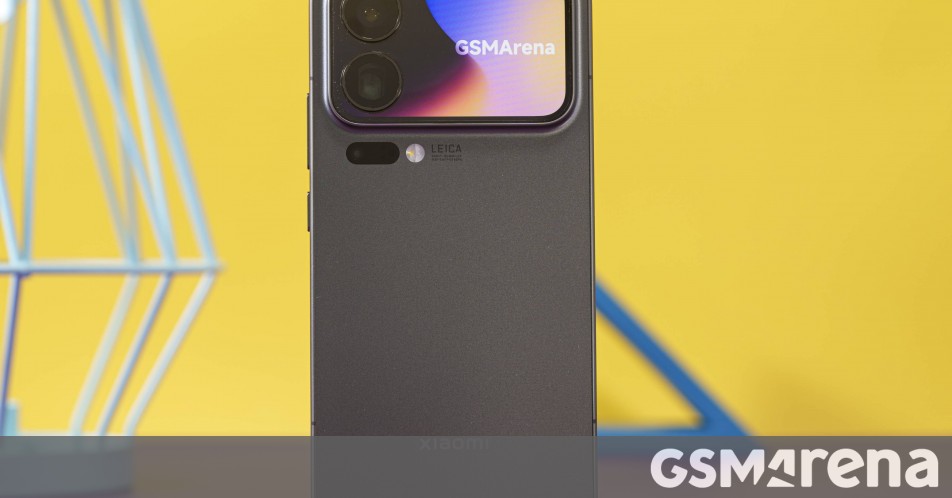
3 days agoOppo K15 Pro+ arrives with Dimensity 9500s and 8,000mAh Si-C battery, K15 Pro tags along
Oppo's K15 Pro series features advanced gaming aesthetics, powerful cooling systems, and high-performance specifications, including fast charging and impressive display technology.


frominsideevs.com
2 months agoHigh-Power Fast Charging Is The Leading Cause Of EV Battery Degradation: Report
Batteries in electric vehicles that regularly use 100-plus-kilowatts fast chargers degrade faster than those that rely primarily on slow charging, a new study suggests. Using fast chargers more frequently can cause some packs to lose nearly a quarter of their capacity in eight years, it claims. We've seen other studies suggest that fast charging has little impact on long-term battery health, so it's not a settled debate.
Science
fromYanko Design - Modern Industrial Design News
1 month agoPocket-sized Unix UX-1519 NEOM power bank is your reliable go to gadget - Yanko Design
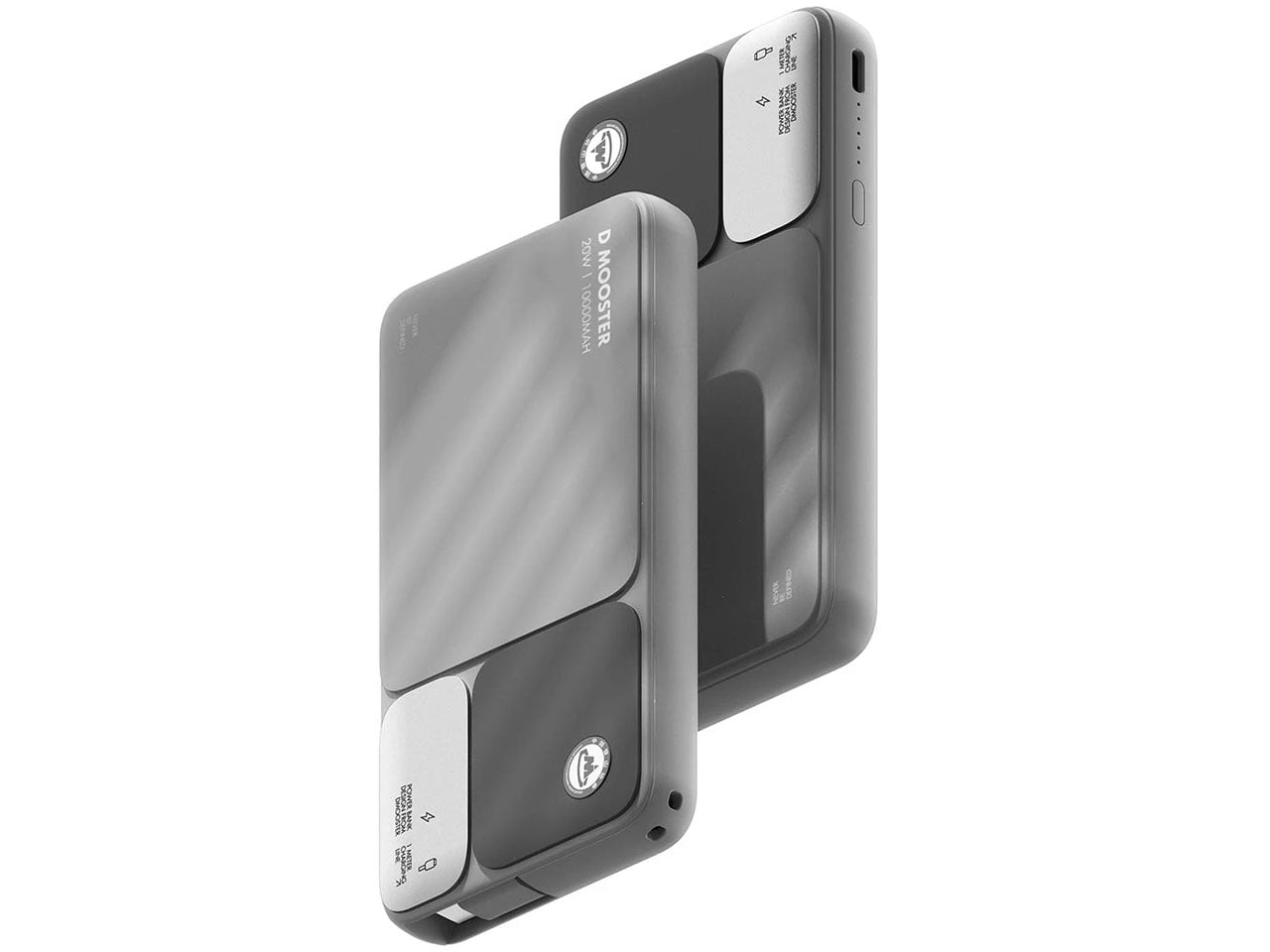
The Unix UX-1519 NEOM power bank is different as it takes industrial design into the mix of solid functionality, often customary to a battery bank. The 10,000mAh battery bank for your power-hungry gadgets delivers 22.5W fast charging for compatible devices, never letting you down when on-the-go.
Gadgets
Gadgets
fromYanko Design - Modern Industrial Design News
1 month agoCustom-built 96,000mAh power bank charges your laptop, phone, and even runs small appliances off-grid - Yanko Design
A DIY Omnibus 4×8 portable power station using 32 18650 cells delivers roughly 345 Wh with multiple high-power outputs and a robust BMS for extended multi-device use.
fromGSMArena.com
2 months agoOnePlus 16 could offer the same battery capacity as the Turbo 6 series
OnePlus unveiled its current flagship, the OnePlus 15, in October last year. Although the launch of its successor is still some time away, leaks have already begun to surface online. The latest leak hints at the phone's battery capacity. The OnePlus 16 will house a large 9,000mAh battery, according to a tipster. Notably, its predecessor, the 15, comes with a 7,300mAh unit with 120W fast charging support.
Mobile UX
fromGSMArena.com
2 months agoWeekly poll: how important is magnetic wireless charging to you?
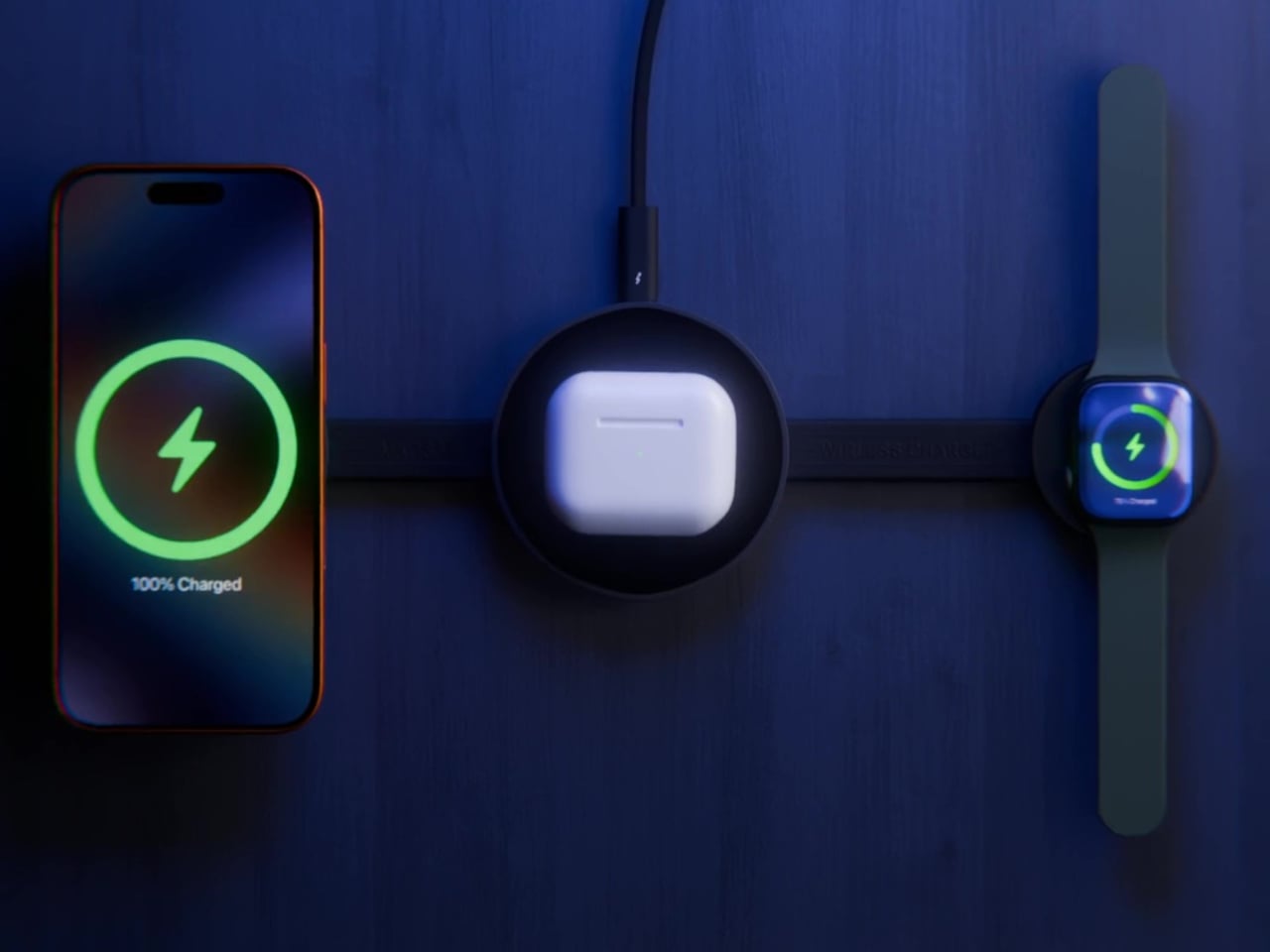
Apple introduced MagSafe wireless charging in 2020 with the iPhone 12 series. In contrast to regular wireless charging, it uses magnets rather than relying on manual alignment between the charging coils or on gravity to keep the phone and charger together. It is a simple, cheap and effective solution. So why is it that smartphone makers have been so reluctant to adopt it, even years after the Qi standard officially added a Magnetic Charging Profile?
Mobile UX
fromYanko Design - Modern Industrial Design News
2 months agoThis Smart Charging Adapter Finally Flexes So Your Cables Don't Have To - Yanko Design
Charging phones and portable devices has become one of the most routine actions of modern life. From the moment we wake up to the time we go to sleep, our devices depend on reliable power. We charge at home, in offices, cafés, airports, hotels, libraries, and public transportation spaces. Despite how frequently charging occurs, the physical environments designed to support it often feel like an afterthought.
Gadgets
fromZDNET
1 month agoThis $10 Anker USB-C charger is the best pocket-sized deal right now
Right now, one of the best cheap and practical Presidents' Day deals I've found is Anker's Nano USB-C wall charger for just $10. It's a 50% savings in the white color, and the lowest price I've seen this adapter sell for. Price comparison site CamelCamelCamel also points out that this limited-time deal is the lowest the charger has been recorded as selling for.
Gadgets


fromGSMArena.com
2 months agoThe Realme P4 Power arrives with 10,001mAh battery, 80W fast charging and a tough chassis
On a full charge, the phone can play BGMI for nearly 12 hours straight. Or you can watch YouTube videos for over 32 hours. Other things you can do on a single charge - you can use navigation for over 21 hours or record 4K video for 12 hours. That is, if you start at 100%. However, the battery is so massive that even at just 5% left, you can still do nearly 4 hours of voice calls or SatNav for over an hour.
Gadgets


fromYanko Design - Modern Industrial Design News
2 months agoWorld's Slimmest AC Power Bank Can Run Appliances And Charge Your Laptop At Just 0.6 Inches Thick - Yanko Design
At 16mm thick, it's built around portability rather than maximum runtime. The semi-solid-state battery delivers approximately 40 minutes of continuous output at full 70W load, or several hours for lower-draw devices like LED lights or camera batteries. That's not camping-weekend capacity, it's designed for day trips, flights, and situations where outlets exist but aren't convenient. The unit stays flight-safe under 100Wh limits, recharges in 90 minutes, and includes both USB-C PD output and pass-through charging.
Gadgets
fromKotaku
2 months agoAnker Offloads Its USB-C Car Charger (167.5W Max, 3-Port) at Its Lowest Price After Power Bank Deals - Kotaku
The Anker iPhone 17 USB-C Car Charger is a compact three-port car charger that charges your phone, tablet, and laptop from a single 12V outlet. This charger features an ultra-compact metal case that fits neatly in the socket without obstructing other controls. Two USB-C ports and one USB-A port share a combined high-output port, so you can charge multiple devices at once.
Gadgets
Gadgets
fromKotaku
2 months agoAnker's 26,250mAh Power Bank Hits Its First Low of the Year as This 300W Max 3-Port Charger Starts Selling Out Fast - Kotaku
Anker Prime Power Bank is a 26,250 mAh charger delivering up to 300W through two USB-C and one USB-A ports, compact, TSA-approved, with smart display.
fromZDNET
2 months agoThis snap-on iPhone charger finally let me toss my charging cables - and it's cheap
The Snap-n-Charge is small as power banks go, and only 3,200 mAh/16 Wh. This is good enough for a quick top-up of a smartphone or headphones. And a top-up is what you get -- the capacity is enough for about a 50% top-up for a smartphone or portable speaker, or about three or four recharges of earbuds or headphones. The power bank is housed in a polymer shell that shrugs off impacts and damage from being rattled around pockets and bags with things like keys.
Gadgets
fromZDNET
1 month agoGetting 'slow charger' warnings? This gadget tells you which USB cables work as advertised
The USB cable tester is a small box measuring 2.9 x 2.5 x 0.5 inches and features an array of ports. There are USB-C and USB-A output ports and corresponding USB-C, Lightning, miniUSB, and microUSB 2.0 and microUSB 3.0 input ports to testing cables. This means the tester can accommodate any cable with the respective output and input port. The unit is powered by a single AAA battery, or alternatively you can use USB-C input.
Gadgets
Gadgets
fromKotaku
2 months agoAnker Prime Charger (160W, 3-Port) Kicks Off the New Year at a Record Low, Cheaper Than Year-End Pricing - Kotaku
The Anker Prime Charger 160W is a compact, powerful portable charger that fast-charges multiple devices simultaneously and is currently discounted to $105.99 on Amazon.
[ Load more ]