#abolitionist-movement
#abolitionist-movement
[ follow ]
#civil-rights #underground-railroad #slavery #merchants-house-museum #human-rights #historic-preservation
fromSmithsonian Magazine
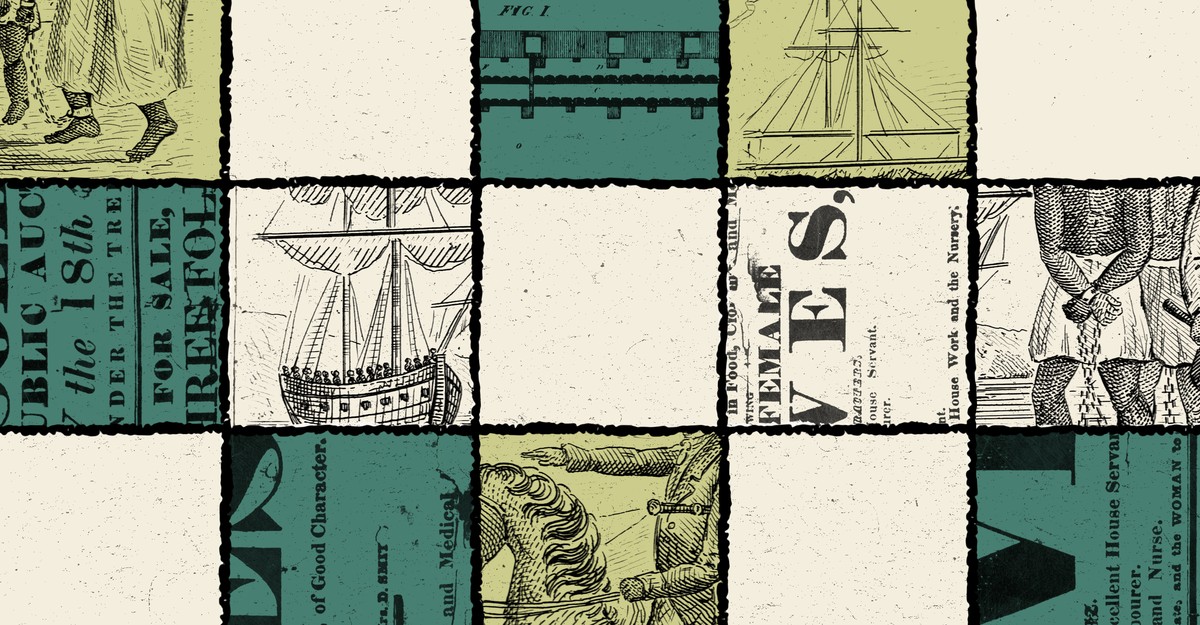
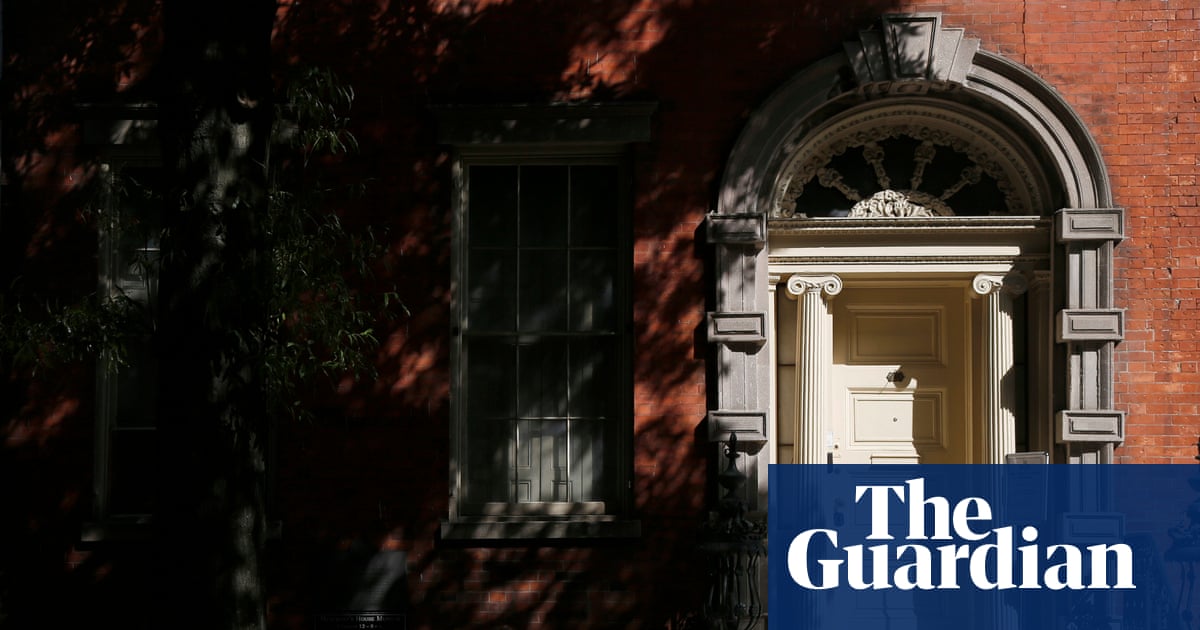
2 days agoThis Secret Passageway May Have Been Part of the Underground Railroad. Now, Preservationists Say It's in Danger
To find a previously undiscovered Underground Railroad site is the holy grail of historic preservation, according to attorney Michael Hiller, representing the Merchant's House Museum.





History
fromSmithsonian Magazine
3 days agoAbigail Adams Asked Her Husband to 'Remember the Ladies' as He Drafted America's Laws. Here's What She Really Meant
Abigail Adams expressed her concerns and thoughts about American independence through letters to her husband, John Adams, highlighting her intellectual engagement during that era.
History
fromSmithsonian Magazine
1 week agoNine Black College Students Were Arrested in 1961 for Reading at a Segregated Public Library. Their Contributions to the Civil Rights Movement Have Long Been Overlooked
The Tougaloo Nine staged a sit-in at a segregated library in 1961, significantly impacting the desegregation movement in Mississippi.
fromNonprofit Quarterly | Civic News. Empowering Nonprofits. Advancing Justice.
3 weeks agoHow the NAACP Is Stopping Dirty Data | Nonprofit Quarterly | Civic News. Empowering Nonprofits. Advancing Justice.
Developers promise "community investments," downtown revitalization, and a new "AI Center." What they don't say is that this development comes tethered to a massive resource-intensive data center that will cost billions, create pollution, and concentrate profits for the corporations and CEOs at the top-not the surrounding communities. This is not innovation, it's exploitation.
Environment
Social justice
fromwww.theguardian.com
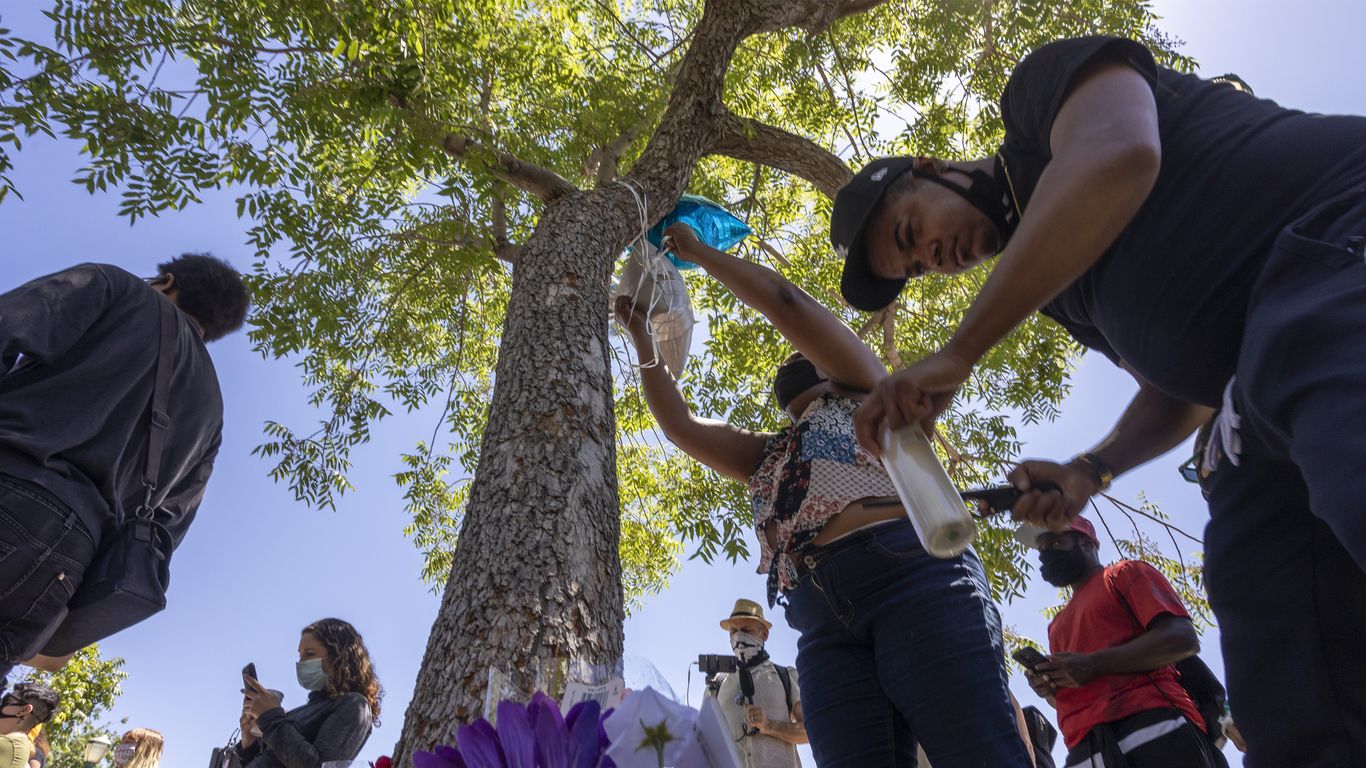
1 week agoIt's time for the UN to formally recognise the transatlantic slavery trade as a crime against humanity | John Dramani Mahama
Ghana calls for UN recognition of transatlantic slavery as a crime against humanity and seeks reparatory justice with global support.


Education
fromTruthout
1 month agoWe Must Defend Black History - It Fuels Freedom Dreams of Students Under Attack
Teachers must transform curricula to eliminate biases and systems of domination while protecting vulnerable students, particularly Black students and students of color, from contemporary educational injustices.
History
fromThe Atlantic
3 weeks agoThe Fugitive Slave Who Wrote to the President
William Grimes's 1825 autobiography was the first fugitive-slave narrative in American history, exposing slavery's brutality while asserting enslaved people's humanity and intellect against America's founding contradictions.
#black-history-month



Social justice
fromwww.amny.com
4 weeks agoNY Court System celebrates Black History Month by remembering Frederick and Anna Murray Douglass's legacy | amNewYork
The state court system honored Frederick Douglass and his wife Anna Murray Douglass during Black History Month, emphasizing the importance of preserving Black history and learning from their advocacy for justice and equality.
US politics
fromTruthout
1 month agoRobin D. G. Kelley: It's Not Enough to Abolish ICE - We Have to Abolish the Police
ICE operates with brutal violence and loyalty to Trump, resembling fascist paramilitary forces, while Black Americans recognize this as continuation of historical systemic oppression rather than a new phenomenon.
Social justice
fromwww.amny.com
4 weeks agoOp-Ed | Sojourner Truth didn't have to travel far to find injustice.She started right here | amNewYork
Sojourner Truth became the first Black woman to successfully sue a white man in America, winning her son's freedom from illegal slavery in 1828 Ulster County.
fromLGBTQ Nation
1 month agoThese oft-overlooked icons show why Black queer history still matters (now more than ever) - LGBTQ Nation
Black History Month is a time to acknowledge and celebrate the achievements and courageous acts of people of African descent in the United States and around the world. This year, Black History month celebrates its 100th anniversary. And yet, Black History Month has failed to fully acknowledge or celebrate the contributions of Black LGBTQ+ people. Just as Pride Month remains overwhelmingly white in its representation, Black History Month continues to be deeply homophobic in its omissions.
LGBT
fromwww.theguardian.com
1 month agoBlack History Month was never given' to Black people, thus, it can never be taken from us
If you know anything about the basic origins of Black History Month then you know that we weren't given' anything. The question of who owns and authorizes Black History Month holds particular relevance now, in its centennial year, and at a time when efforts to celebrate, preserve, and acknowledge Black people's past in this country are under attack.
History
Social justice
fromNonprofit Quarterly | Civic News. Empowering Nonprofits. Advancing Justice.
1 month agoBlack History Is Economic History: A Charge Toward Black Futures | Nonprofit Quarterly | Civic News. Empowering Nonprofits. Advancing Justice.
American prosperity was built on racialized capitalism through slavery and systematic exclusion, creating a persistent racial wealth divide that continues to deny Black communities economic opportunity and democratic participation.
fromPsychology Today
2 months agoMartin Luther King Jr.'s Most Urgent Question
In another, adapted from Theodore Parker, a 19th-century abolitionist preacher, Dr. King points to another aspect of his dream. King writes, "The arc of the moral universe is long, but it bends towards justice." The first quote points to individual behavior, the second toward social action. Dr. King didn't emphasize one approach over the other. For him, personal and social morality were of a piece. A good world is one that is both kind and just.
Philosophy
fromThe Atlantic
1 month agoThe Trump Administration Can't Kill Black History Month
She remembers walking with her big brothers down a sidewalk fractured by the roots of old oak trees while children played hopscotch on the playground. She remembers going outside and clapping erasers together so that plumes of chalk dust rose above her head. And she remembers being told that she was attending a school that many white parents had taken their children out of just a few years earlier because they didn't want them sitting in class with Negroes.
History
fromAdvocate.com
1 month ago6 Black activists who changed the HIV/AIDS response in America
By the mid-1980s, the AIDS epidemic had completely gripped the nation. Its victims, primarily queer men, were dying by the thousands. Fear and misinformation reigned supreme, and our government refused to respond to the crisis. Reverend Charles Angel, a community leader and activist who was living with HIV himself, recognized that queer men of color faced additional disparities due to cultural norms and societal inequities.
Public health
History
fromHarvard Gazette
1 month agoTracing Harvard's ties to slavery: Recovering names and histories - Harvard Gazette
Researchers identified over 1,300 formerly enslaved people connected to Harvard and hundreds of living descendants by examining probate records, tax lists, estate inventories, and family histories.

fromSan Jose Spotlight
1 month agoCantrell: Is California's 'justice' system just slavery by another name? - San Jose Spotlight
The next "Dying to Stay Here" podcast will feature a panel discussing what we call our criminal justice system. The panel reflected on a recent election in California, where voters were asked, in plain language, whether they wanted to remove slavery from our constitution, where it's still allowed "as punishment for a crime," and voted to keep it. As we celebrate another Black History Month, I reflect on the disproportionate number of Black people behind bars.
Social justice


History
fromSmithsonian Magazine
1 month agoSamuel Green Freed Himself and Others From Slavery. Then He Was Imprisoned Over Owning a Book
Samuel Green, a free Black Marylander aiding runaways, was arrested for possessing Uncle Tom's Cabin under a law banning 'abolition pamphlets,' becoming an abolition hero.
fromLos Angeles Times
2 months agoContributor: California's place in enslaved people's struggle for freedom
Despite being on the periphery of the Spanish empire and Mexico before becoming part of the United States, California had an important place in the larger struggle by enslaved people for their freedom. California connects Mexican and U.S. history while also serving as a reminder that there are few corners of the Western Hemisphere that are untouched by the legacy of slavery.
History
US politics
fromwww.theguardian.com
1 month agoThe criminalizing of protest and dissent has a long history in America
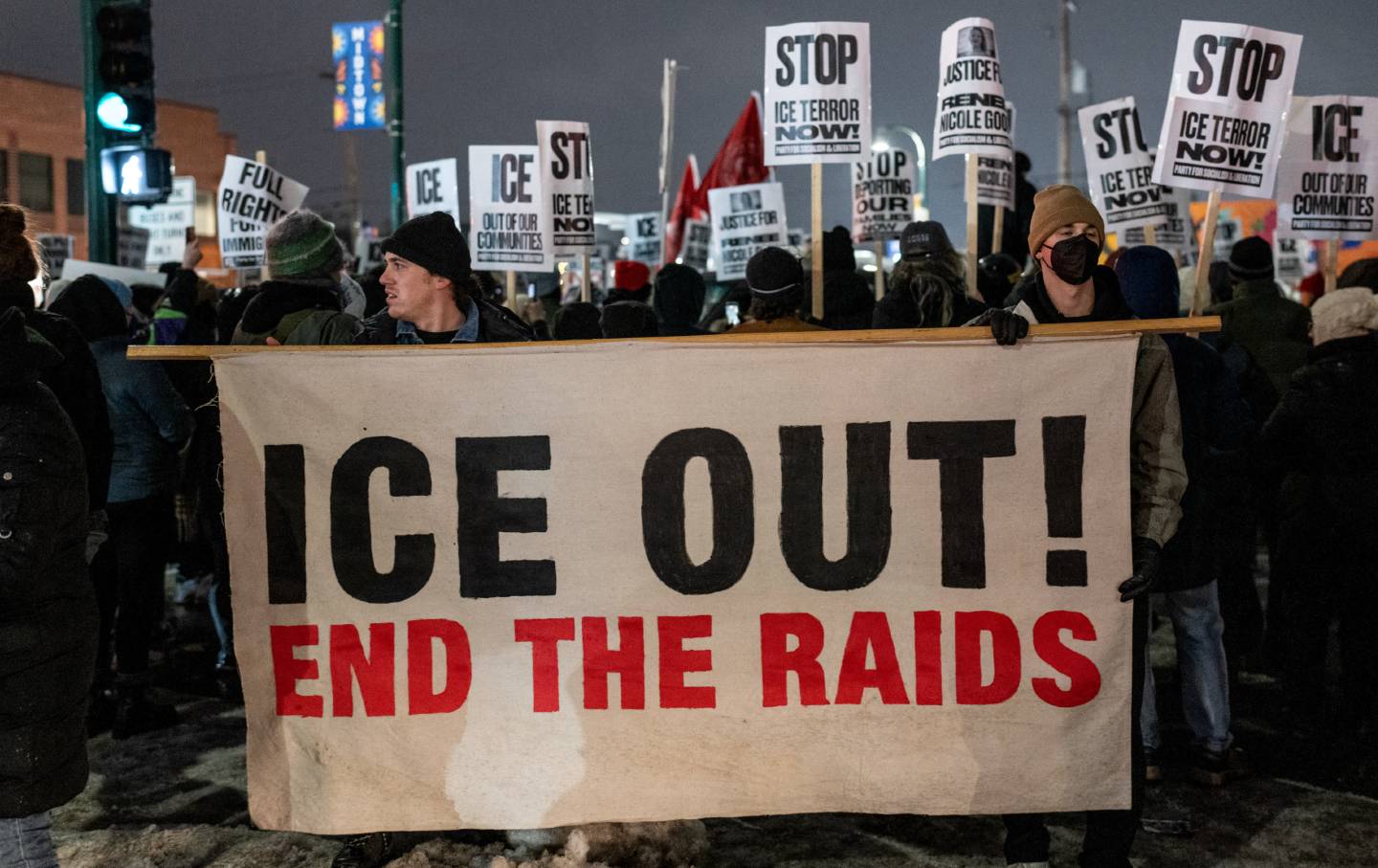
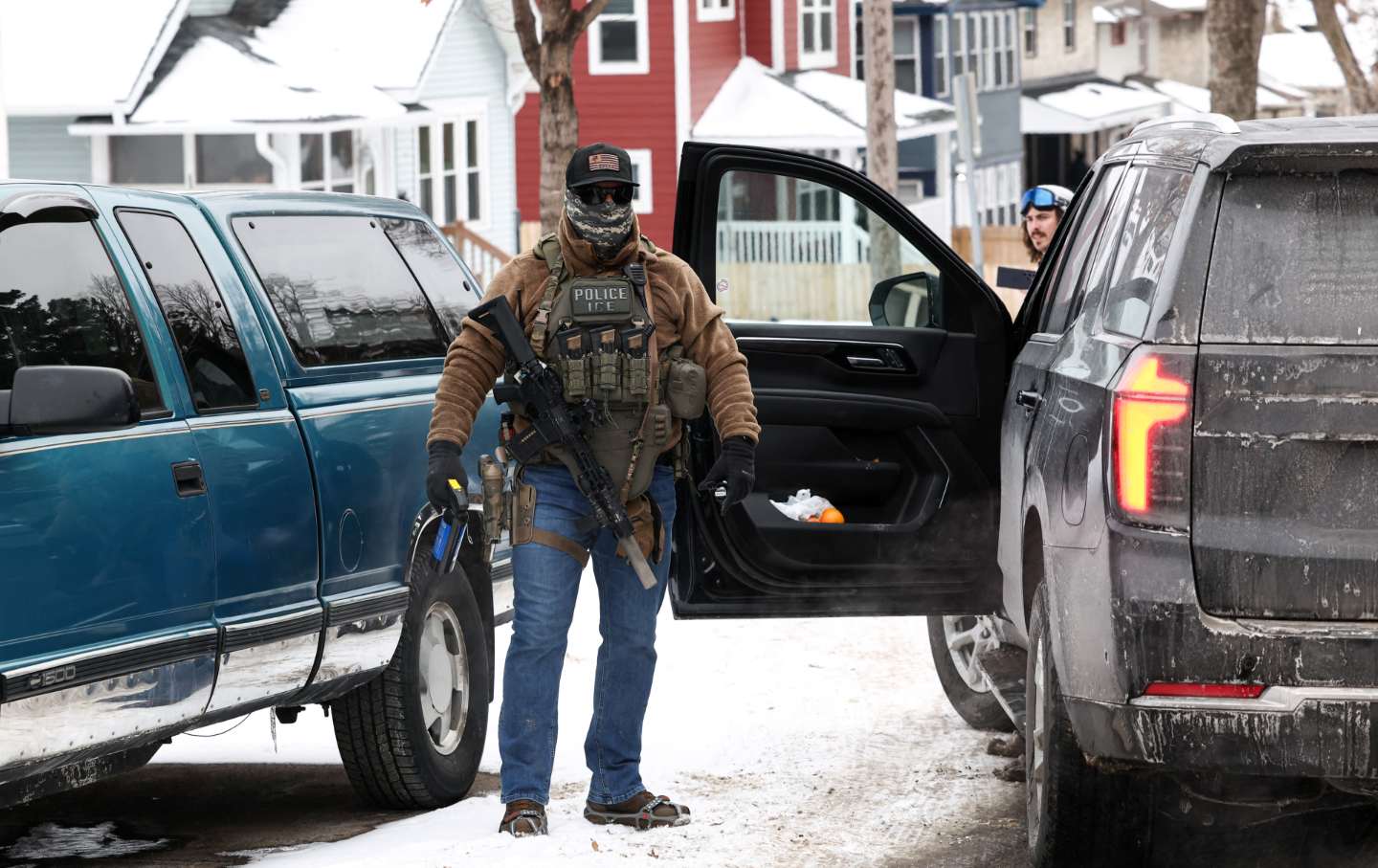
Federal immigration agents increasingly label protesters and observers as domestic terrorists and prosecutors file charges against victims, using force and Section 111 to criminalize dissent.
History
fromwww.theguardian.com
1 month agoThe Great Resistance by Carrie Gibson review a panoramic account of the fight to end slavery
Enslaved Africans and their descendants across the Americas mounted the largest, longest-running, and most diverse sustained insurrection for freedom from the 1500s to the 1800s.
fromThe Atlantic
1 month agoHow I Traced My Ancestor's Journey From Slavery to Freedom
The librarian sat me in front of a microfilm reader and brought out roll after roll of film. I stayed there for hours, squinting to decipher the archaic handwriting in the Free Negro Book, which was published annually in South Carolina before the Civil War. The names in each year's edition were alphabetized, but only roughly-all of the surnames starting with A came before all of the surnames starting with B, but Agee might come before Anderson, or it might come after.
History


History
fromwww.theguardian.com
2 months agoThere's this whole other story': inside the fight to end slavery in the Americas
Enslaved people across Spanish-, Portuguese-, and English-speaking Americas led a four-century, interconnected struggle of rebellion and resistance that ultimately produced abolition.
fromIntelligencer
2 months agoMamdani Makes Clear He Still Wants to Abolish ICE
I am in support of abolishing ICE, and I'll tell you why. What we see is an entity that has no interest in fulfilling its stated reason to exist. We're seeing a government agency that is supposed to be enforcing some kind of immigration law, but instead what it's doing is terrorizing people - no matter their immigration status, no matter the facts of the law, no matter the facts of the case.
US politics
fromSmithsonian Magazine
2 months agoThe British Crown Enslaved Thousands at the Height of the Trans-Atlantic Slave Trade. New Research Reveals Their Stories
On August 7, 1823, 19 enslaved people in Barbados became the property of the British crown after their enslavers died without legal heirs. These individuals had names, families and histories that stretched across years of shared survival under slavery. They included Quow and his son, Caesar; Orange and her son, October; and Abel and Lubbah and their children, Thomas, Kitty and Becky. There were also four sisters-Deborah, Sukey, Betsey and Polly-and their brother, Thomas, along with their children.
fromInside Higher Ed | Higher Education News, Events and Jobs
1 month agoWe Must Teach Young Americans That Associating Black People With Apes Is Racist
U.S. president Donald Trump shared a racist video on his Truth Social account in which former American president and first lady Barack and Michelle Obama were depicted as apes. I was unsurprised, yet nonetheless disgusted. U.S. senator Jon Ossoff also found the video unacceptable. He said during a rally in Atlanta that Donald Trump was "posting about the Obamas like a Klansman."
US politics
fromWorld History Encyclopedia
2 months agoFrom Fort Sumter to Juneteenth: how war remade the United States
The American Civil War (1861-1865) was the pivotal event in United States history and the largest armed conflict in the Western world following the end of the Napoleonic Wars (1815) and prior to the beginning of the First World War (1914). The central cause of the war was the institution of slavery, which had increasingly caused conflict between Southern states, which relied heavily on slave labor for their agrarian economy, and Northern states, which were heavily industrialized and had far less need for slaves.
History
fromThe Atlantic
1 month agoDeadlier Than Gettysburg
But Brundage, who teaches at the University of North Carolina at Chapel Hill, does more than expand our understanding of a neglected aspect of Civil War history. His study offers a window into larger questions-about the evolution of laws of war and the definition of war crimes, about the ethical responsibility of combatants, about the growth of the nation-state and its attendant bureaucracy, and about the defining presence of race in the morality play of American history.
History
[ Load more ]