#abortion-abolitionists
#abortion-abolitionists
[ follow ]

Cancer
fromNonprofit Quarterly | Civic News. Empowering Nonprofits. Advancing Justice.
1 day agoThe Birth Control Pill and Cancer: What Are the Risks? | Nonprofit Quarterly | Civic News. Empowering Nonprofits. Advancing Justice.
Hormonal birth control pills can increase cancer risk but also decrease it; the WHO's classification as a carcinogen is nuanced and not new.
History
fromSmithsonian Magazine
1 week agoAbigail Adams Asked Her Husband to 'Remember the Ladies' as He Drafted America's Laws. Here's What She Really Meant
Abigail Adams expressed her concerns and thoughts about American independence through letters to her husband, John Adams, highlighting her intellectual engagement during that era.
Media industry
fromNonprofit Quarterly | Civic News. Empowering Nonprofits. Advancing Justice.
6 days agoPolitics in an Attention Economy | Nonprofit Quarterly | Civic News. Empowering Nonprofits. Advancing Justice.
Candidates must be cultural figures to succeed in today's American politics, navigating an attention economy shaped by algorithms.
#abortion-decriminalization

UK politics
fromwww.bbc.com
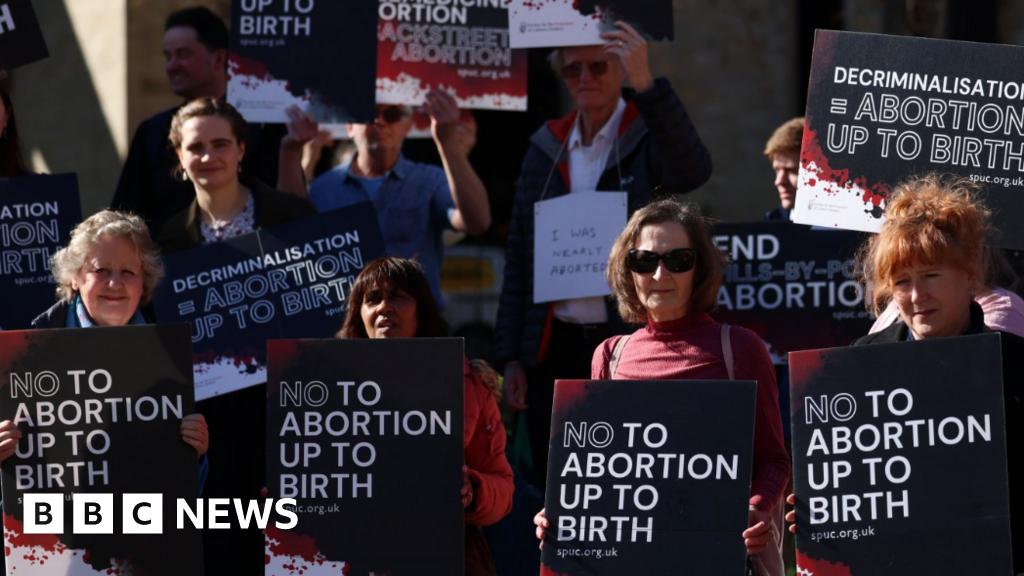
2 weeks agoHouse of Lords backs bid to decriminalise abortion
House of Lords peers voted to support decriminalizing abortion despite opposition from the Archbishop of Canterbury and Conservative peers who argued the change lacked proper scrutiny and could have serious consequences.
UK politics
fromwww.theguardian.com
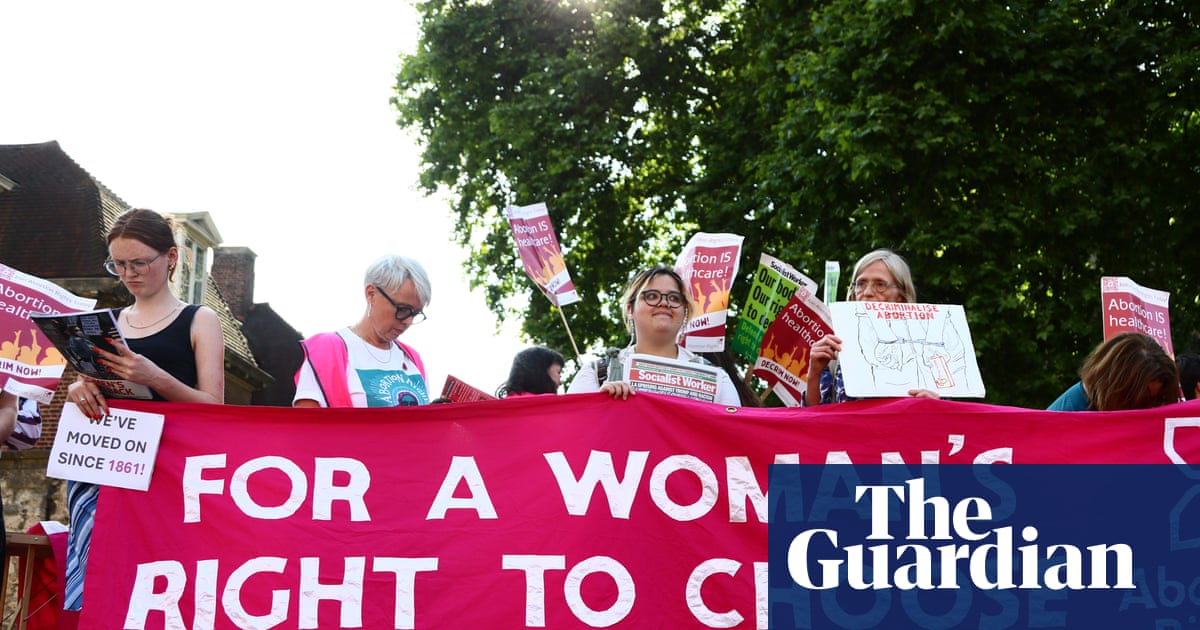
3 weeks agoDecriminalising abortion: how could the House of Lords amend the legislation?
MPs voted to decriminalize abortion for women terminating pregnancies outside legal frameworks, marking the largest reproductive rights advancement in England and Wales in 60 years, with the House of Lords now considering amendments to the legislation.
UK news
fromwww.theguardian.com
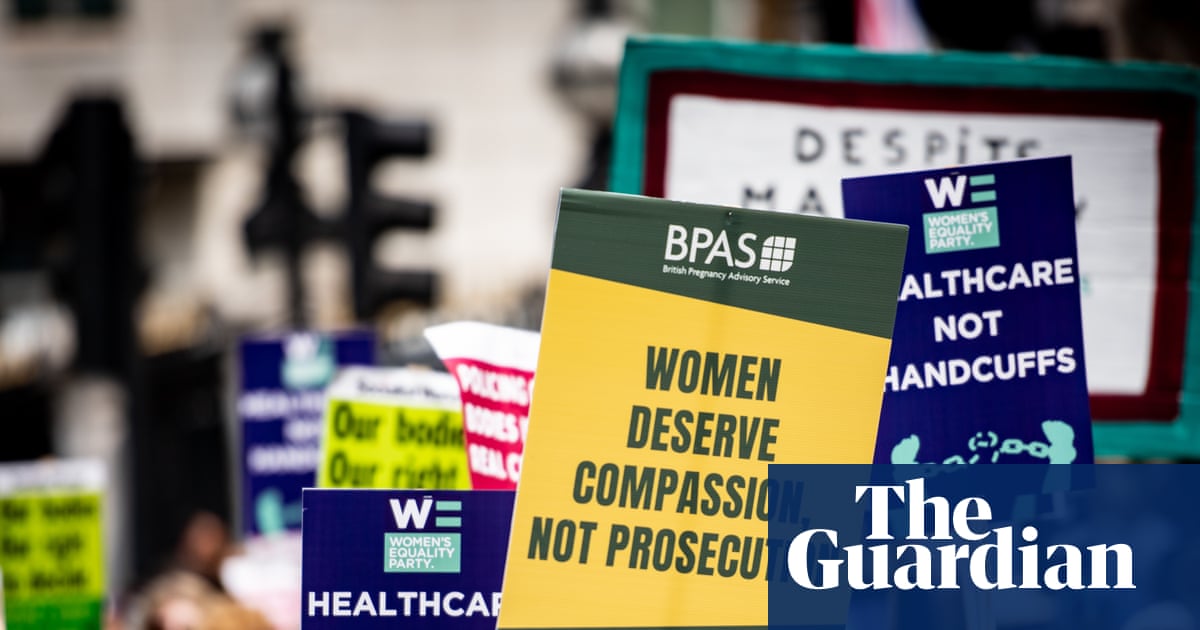
3 weeks agoVulnerable women in England still being arrested over suspected illegal abortions
Women in England continue facing arrest and police investigation for suspected illegal abortion despite parliamentary approval of decriminalization legislation that has not yet become law.

#abortion-access


Right-wing politics
fromJezebel
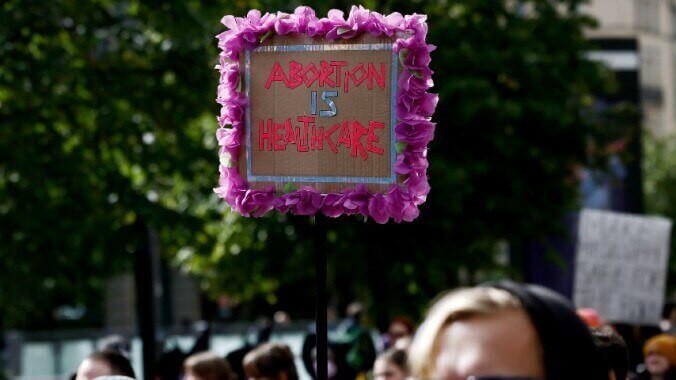
2 weeks agoMeryl Streep, Could We Interest You in Donating to an Abortion Fund??
Abortion funds face increased demand and shrinking resources as post-Roe restrictions make abortion care more expensive and difficult to access, with costs ranging from $800 to $2,000 per procedure.
Healthcare
fromwww.theguardian.com
2 weeks agoMillions of Americans are about to lose access to birth control. Why? | Moira Donegan
Title X program funding may expire March 31 due to Trump administration's refusal to complete administrative renewal tasks, threatening sexual and reproductive healthcare access for 2.3 million low-income Americans.
US politics
fromJezebel
3 weeks agoDOJ Quietly Pleads With Another State to STFU About Its Anti-Abortion Agenda
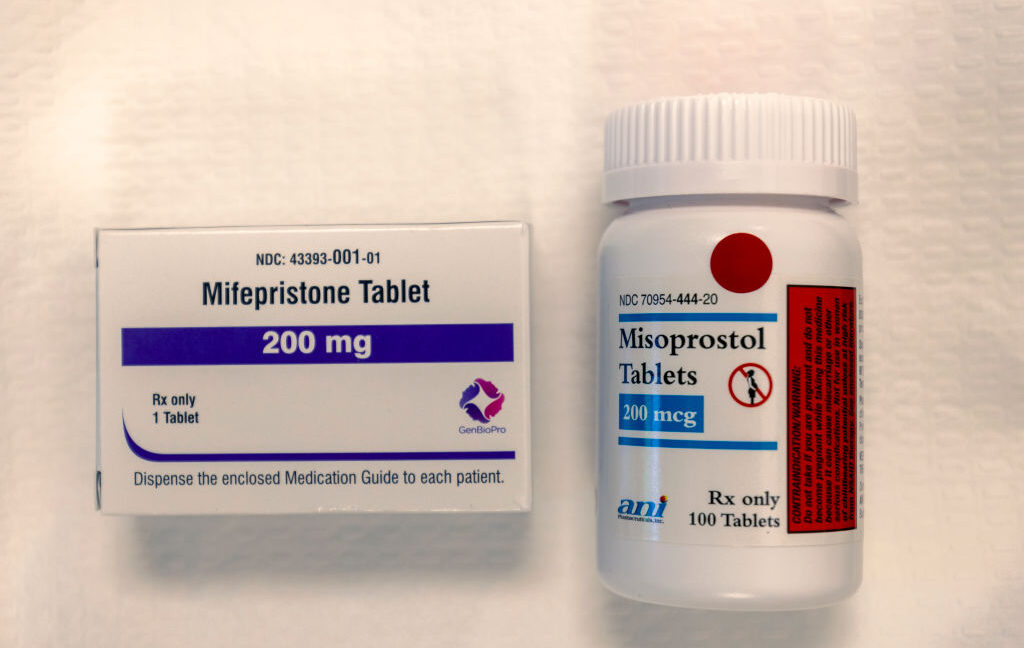
The Trump administration's DOJ is requesting federal courts pause mifepristone lawsuits filed by Republican state attorneys general, citing the need for FDA review before the midterm elections.
fromwww.npr.org
2 weeks agoRed states move to protect crisis pregnancy centers using model legislation
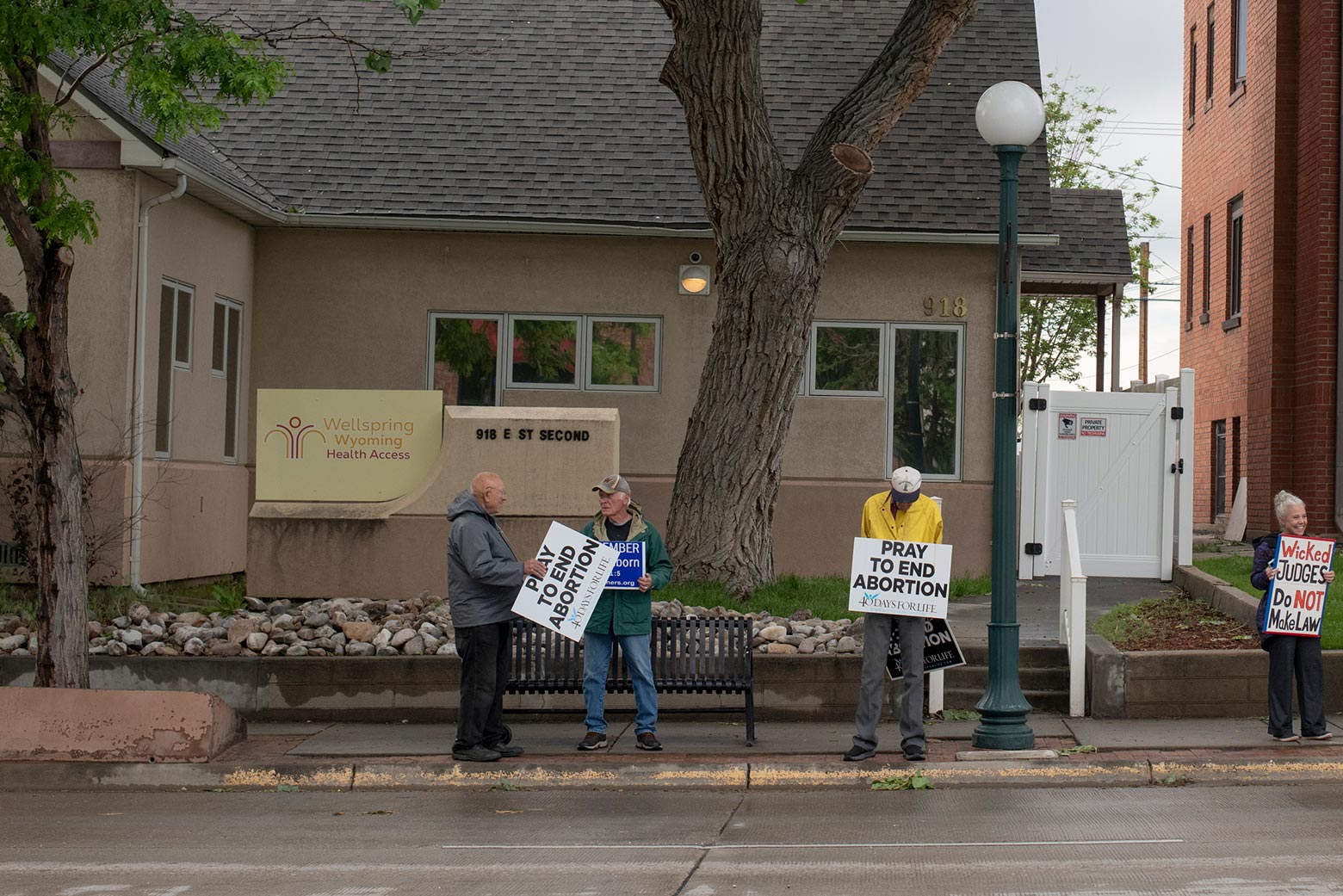
The CARE Act is "model legislation" created by the Alliance Defending Freedom, an anti-abortion, conservative Christian legal advocacy group. The Wyoming bill says that pregnancy centers, many of which are affiliated with religious organizations, need legal protection after facing "unprecedented attacks" following the U.S. Supreme Court's overturning of Roe v. Wade.
US news
US politics
fromThe Nation
4 weeks agoHow the Abortion Rights Activists Found Their Radical Imagination
President Obama called Nancy Keenan early morning to pressure NARAL Pro-Choice America's support for healthcare reform despite anti-choice Democrats' abortion coverage concerns tied to the Hyde Amendment's decades-old taxpayer funding restrictions.
fromTruthout
1 month agoFederal Funding for People in Poverty Is Going to Anti-Abortion Centers Instead
The bulk of the money Missouri gives to its crisis pregnancy centers comes from federal funds meant to assist families experiencing poverty with basic necessities and child care, Republican Rep. Jason Smith said on the U.S. House floor in January. As many as $3 of every $4 for pregnancy centers in Missouri was from the federal Temporary Assistance for Needy Families program in 2024, and in the 2026 fiscal year, it will be $2 out of $3.
Non-profit organizations
#abortion-criminalization
Right-wing politics
fromJezebel
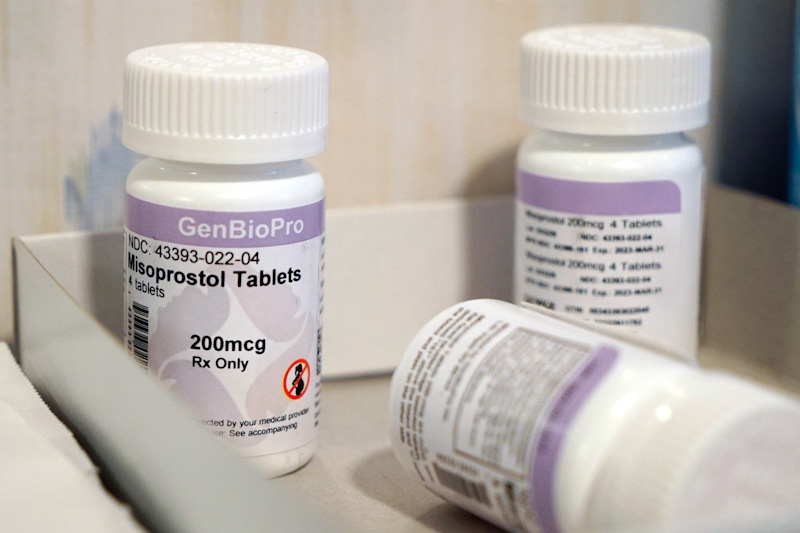
3 weeks agoPolice Charge Woman With Murder for Allegedly Taking Abortion Pill, Even Though State Law Says They Can't
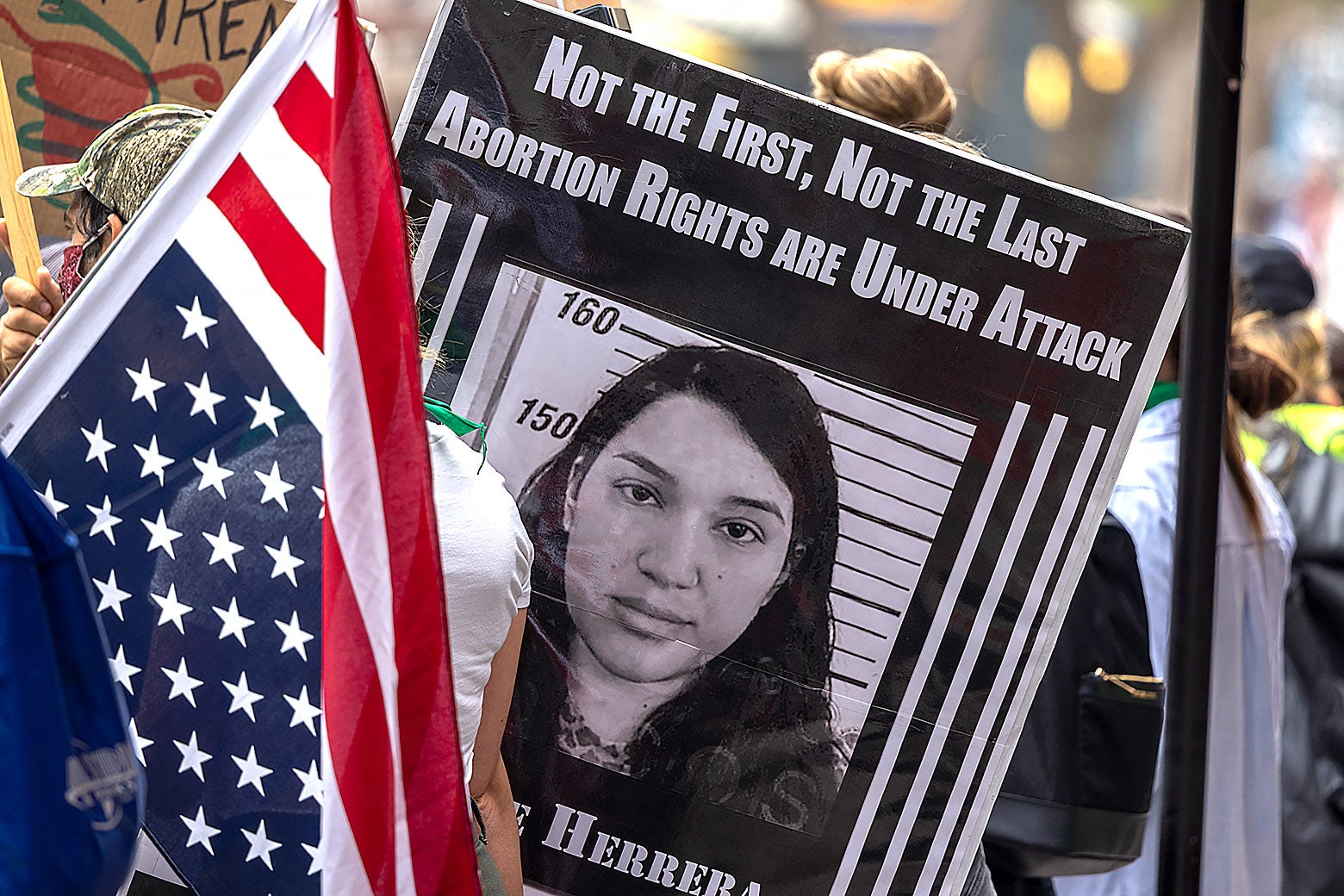
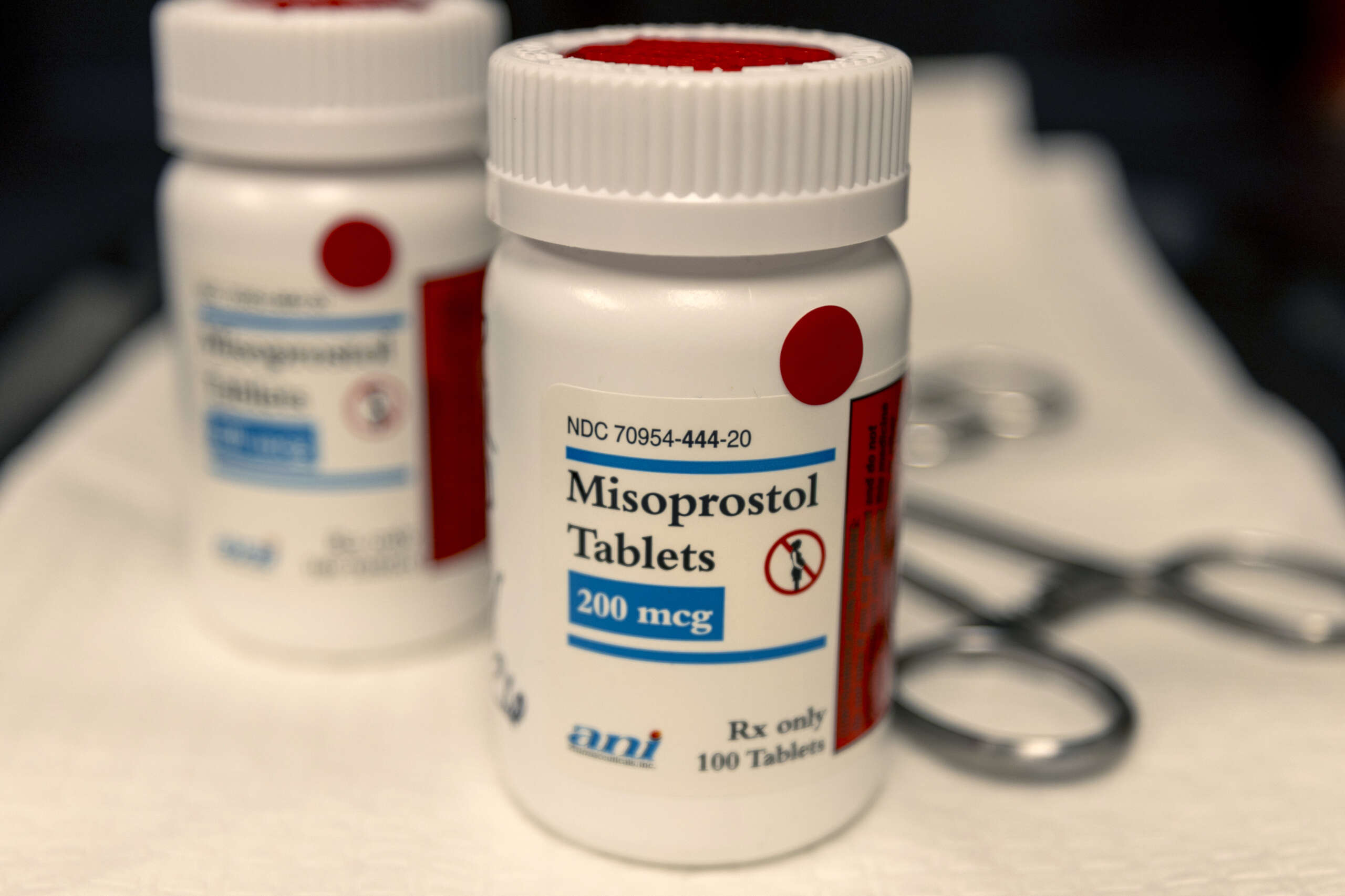
A Georgia woman was charged with first-degree murder for taking misoprostol for a medication abortion, despite state law prohibiting prosecution of pregnant people for ending pregnancies.
Right-wing politics
fromJezebel
3 weeks agoPolice Charge Woman With Murder for Allegedly Taking Abortion Pill, Even Though State Law Says They Can't
A Georgia woman was charged with first-degree murder for taking misoprostol for a medication abortion, despite state law prohibiting prosecution of pregnant people for ending pregnancies.
US politics
fromTruthout
3 weeks agoKansas Senator Is Framing an Anti-Abortion Proposal as an Equal Rights Amendment
A Kansas Republican introduced a constitutional amendment proposal framed as an 'equal rights amendment' that would establish life begins at conception, effectively enabling abortion restrictions despite voters rejecting similar measures in 2022.
#reproductive-rights
Right-wing politics
fromSlate Magazine
3 weeks agoMaine Could Determine Abortion Rights for the Nation. Why Aren't Reproductive Rights Groups Acting Accordingly?
Reproductive rights groups endorsed Maine gubernatorial candidate Mills despite her support for the Senate filibuster, which would obstruct abortion protection legislation.

Right-wing politics
fromSlate Magazine
3 weeks agoMaine Could Determine Abortion Rights for the Nation. Why Aren't Reproductive Rights Groups Acting Accordingly?
Reproductive rights groups endorsed Maine gubernatorial candidate Mills despite her support for the Senate filibuster, which would obstruct abortion protection legislation.
fromScary Mommy
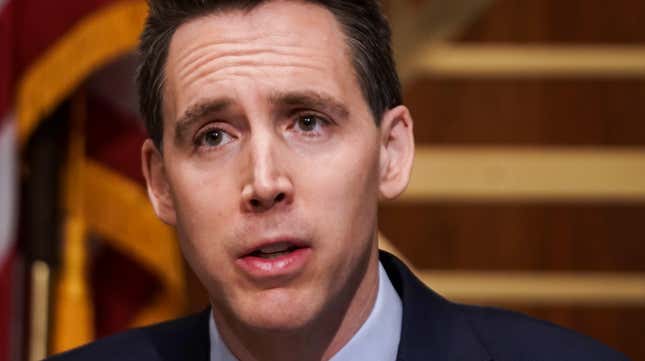
3 weeks agoMissouri Senator Josh Hawley Introduces Bill To Ban Abortion Pill
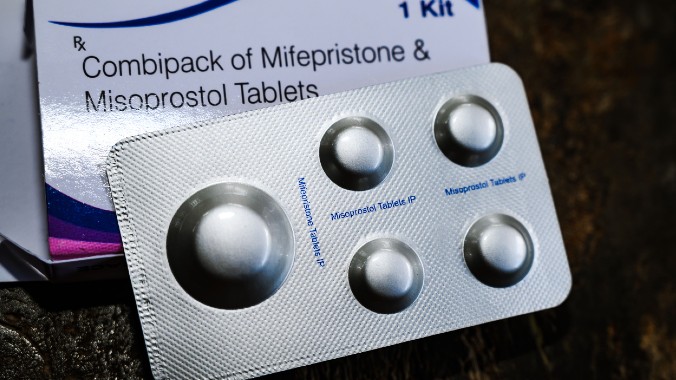
We've known for years that mifepristone is risky, but it's really just in the last few years that we've learned this drug is inherently dangerous and it's inherently prone to abuse. Hawley bases his opinion about the death pill on a 2025 study conducted by conservative think tank, the Ethics and Public Policy Center, which found that 11% of people taking the drug suffered serious adverse effects.
Right-wing politics
Right-wing politics
fromwww.theguardian.com
3 weeks agoWyoming passes new six-week abortion ban that lawmakers call insult to voters'
Wyoming's Republican legislature passed a six-week abortion ban that will likely face constitutional challenges, as previous similar bans were struck down by the state's Republican-appointed supreme court citing healthcare decision protections.
fromHuffPost
2 months agoMy Abusive Partner Might Have Killed Me - This Controversial Choice Saved My Life
When I took the assessment, shortly after leaving my partner, he scored an 8/10. If I had gone through with our pregnancy, he would have scored a 10. But we didn't have children because five years earlier, in a Chicago clinic, I'd had a medication abortion. At the time, the danger only registered as a faint sense of unease, nothing like the five-alarm fire my life would later become.
Relationships
fromInside Higher Ed | Higher Education News, Events and Jobs
2 months agoAbortion Rights Advocate Talk Canceled After TPUSA Pressure
Health Sciences Center and Texas Tech University system spokespeople didn't return Inside Higher Ed's requests for comment Thursday on who within the institution decided to nix the speech, but the Health Sciences Center sent a statement to the Scorecard saying the center "evaluated the request and determined that it is not in the best interest of the university to host this event on campus."
Higher education
fromSlate Magazine
1 month agoTexas Is Prosecuting a Midwife for Abortion. Its Case Is Already Falling Apart.
Since the fall of abortion rights, no abortion provider has been convicted of violating a state ban. Proceedings underway in Texas might soon change that. Last March, Ken Paxton, Texas' Republican attorney general, filed civil and criminal charges against a Houston midwife, accusing her of performing illegal abortions and practicing medicine without a license. Texas law permits penalties of up to life in prison for performing abortions. The midwife, Maria Margarita Rojas, has responded that the state just can't prove their case.
US politics
fromTruthout
2 months agoBills Targeting Abortion Pills Advance in States That Already Ban Most Abortions
Nearly 200 anti-abortion bills have been introduced in 29 states, according to an estimate by the Guttmacher Institute, a reproductive health research organization. "In 2026, medication abortion remains one of the central battlegrounds in the fight over reproductive autonomy, with policymakers in several states pushing bills that would criminalize patients, restrict telehealth and mailing, and even misclassify abortion pills as controlled substances or environmental hazards," Kimya Forouzan, Guttmacher's principal policy adviser for state issues, said in a statement.
US politics
US politics
fromSlate Magazine
2 months agoOne of the Most Significant Texas Abortion Bans Might Be Facing a Major Loss in Court
S.B. 8 enabled private bounty lawsuits and spurred nationwide abortion enforcement and censorship efforts, but more sweeping criminal bans and pill-targeting laws now supersede it.


fromTruthout
2 months agoTrial Over Missouri Abortion Regulations May Affect Access Across Midwest, South
The outcome of a trial over Missouri's abortion regulations could ripple far beyond the state, potentially creating new availability for women in the Midwest and South who can't access abortion close to home. As a judge weighs the constitutionality of a litany of state restrictions on abortion, the stakes are clear for Missouri women: The decision could hamper access for nearly everyone in the state - or greatly broaden it in ways not seen in decades.
US politics
US politics
fromNonprofit Quarterly | Civic News. Empowering Nonprofits. Advancing Justice.
2 months agoFunders Must Support Advocates Fighting Back Against Pronatalism | Nonprofit Quarterly | Civic News. Empowering Nonprofits. Advancing Justice.
The Trump administration prioritized pronatalist policies grounded in reproductive futurism, promoting heteronormative family ideals while eroding rights for transgender, queer, and marginalized people.
fromJezebel
2 months agoAnti-Abortion Extremists, Including Those Trump Pardoned, Are Remobilizing to Harass Clinics
Two days after his second inauguration, one of Donald Trump's first actions of his second presidency was to pardon nearly two dozen anti-abortion extremists, who had violently and illegally barricaded reproductive rights clinics, in some cases injuring staff and patients in the process, and in others, stealing aborted embryos and fetal tissue. At the time, Center for Reproductive Rights President Nancy Northrup told Jezebel the pardons were a "get-out-of-jail-free card inviting anti-abortion extremists to step up their attacks on reproductive health clinics with impunity."
US politics
US politics
fromwww.twincities.com
2 months agoHow abortion coverage threatens to prevent a congressional deal on health care subsidies
Bipartisan lawmakers support reviving expired federal health-care subsidies, but abortion coverage disputes threaten compromise and could leave millions facing higher premiums.
fromJezebel
1 month agoSouth Carolina Lawmakers Spent Hours Arguing How Many Reproductive Rights Women Should Have Left
Two amendments were ultimately added to the bill following the debate on the House floor: One would threaten up to life in prison for giving abortion pills to a pregnant person without their knowledge. (Administering drugs without consent is already a crime, but this amendment dramatically escalates the penalty.) The other makes it illegal to raise funds or distribute money to buy abortion pills, potentially destroying the crucial and life-saving work of abortion funds.
US politics
[ Load more ]