#addiction-treatment
#addiction-treatment
[ follow ]
#public-health #drug-policy #opioid-crisis #mental-health #glp-1-drugs #homelessness #harm-reduction
fromwww.theguardian.com
2 weeks agoCalifornia's new war on drugs': thousands arrested, few get treatment, data shows
Proposition 36, a state ballot measure, enacted harsher penalties for minor theft and drug offenses, with proponents pledging the crackdown would lead to mass treatment to keep people alive, out of jail, and off our streets. Case records, however, suggest the state is largely failing to meet the central goal of getting people help and instead conducting mass arrests and incarcerating more people with addiction.
California






Medicine
fromwww.theguardian.com
2 weeks agoThe Guardian view on weight-loss jabs and addiction: there is too much moralising about these remarkable medicines | Editorial
Weight-loss drugs show promise in reducing addiction risk, suggesting they may address shared biological mechanisms between food and drug cravings in the brain.






Public health
fromThe Jerusalem Post | JPost.com
4 weeks agoTel Aviv strike destroys home of addiction clinic director | The Jerusalem Post
Maya Riftin, manager of an addiction treatment clinic in Tel Aviv, returned to work hours after her home was destroyed, drawing strength from her patients' daily struggles with rehabilitation.


Canada news
fromwww.cbc.ca
1 month agoCalls to Ontario's gambling helpline up 317% after privatization of online betting: study | CBC News
Young men's contacts to Ontario's mental health helpline for gambling problems increased over 300% after private online gambling was legalized, indicating a significant rise in gambling-related mental health concerns.
fromPsychology Today
1 month agoWhy Addiction Treatment Keeps Failing
For decades, addiction treatment in the United States has relied on a familiar explanation when people relapse: recovery is hard, addiction is chronic and setbacks are part of the process. That narrative is often delivered with compassion, but it can obscure a more troubling reality. Many treatment failures are not personal shortcomings. They are predictable outcomes of how recovery is currently designed.
Mental health
Public health
fromLondon Business News | Londonlovesbusiness.com
2 months agoAssessing the Government's 10-year health plan: Enhancing support for prevention and recovery in England - London Business News | Londonlovesbusiness.com
The UK's ten-year health plan must accelerate prevention, digital transformation, and accessible addiction treatment to curb rising drug-related harms and reduce NHS strain.
fromwww.npr.org
2 months ago24 hours of chaos as mental health grants are slashed then restored
After a tense day of confusion and backroom negotiations, the Trump administration moved Wednesday night to restore roughly $2 billion in federal grant money for mental health and addiction programs nationwide. The money had been cut off late Tuesday without warning, sending shockwaves through a segment of the country's patchwork system of public health that relies on grant funding. "After a day of panic across the country, non-profits and people with mental health conditions are deeply alarmed, but also hopeful that this money is being restored," said Hannah Wesolowski with the National Alliance on Mental Illness. An administration official confirmed to NPR that the cuts, first announced by the Substance Abuse and Mental Health Services Administration (SAMHSA), were being reversed.
US news
fromwww.scientificamerican.com
2 months agoTrump Administration Slashes Mental Health and Addiction GrantsReport
The Trump administration has reportedly slashed U.S. federal funding for mental health and addition programs, a move that experts say will exacerbate the country's already acute drug crisis. The loss could total some $2 billion in grants from the Substance Abuse and Mental Health Services Administration (SAMHSA), NPR reported, citing unnamed sources. But the extent of the cuts has not been verified. The number of grants canceled could be as high as 2,800, according to STAT.
Mental health
Mental health
fromSlate Magazine
3 months agoEighteen Stints in Rehab Couldn't Help Rob Reiner's Son. Maybe Rehabs Themselves Are to Blame.
Repeated rehab stays often fail because rigid residential models, limited effective mental-health care, and patients' autonomy concerns prevent successful addiction treatment.


fromwww.theguardian.com
5 months agoOne in four UK people fear a loved one drinks too much, survey finds
One in four people in the UK fear that a partner, relative or friend drinks too much, while one in six worry that a loved one is taking too many drugs. The findings, from a representative survey of 2,000 adults, appear to underline what some experts say is a growing epidemic of addiction to alcohol or drugs such as cocaine and cannabis.
Public health
fromenglish.elpais.com
6 months agoFrom Synanon to influencers: The dangerous return of humiliation as a cure for drugs
In 1958, Charles Dederich, a recovering alcoholic, launched a program for addicts in Santa Monica, California, based on the Synanon Foundation. Those admitted had to cut their ties with family and friends and faced shock therapy that included public humiliation. The idea was to destroy people in order to rebuild them, and in the 1950s and 1960s, it was very successful, says Jaime del Corral, director of the Addictions Unit at the San Juan de Dios Clinic in Madrid.
Mental health
fromwww.mercurynews.com
6 months agoUC research works on balancing act to combat cocaine addiction
One of the key elements of the new study was ensuring that treatments don't dampen the same neural responses that enable people to enjoy the positive feelings they receive from activities such as eating and exercising. Part of the reason it's so hard to treat drug addiction is because they essentially hijack brain circuits that are involved in processing natural rewards and essentially overstimulate those when these addictive drugs are ingested, said Scott Sternson, a study leader from UCSD's Department of Neurosciences.
Medicine


fromLondon Business News | Londonlovesbusiness.com
7 months agoWhere are the best rehab centres in London - London Business News | Londonlovesbusiness.com
Choosing a rehab centre involves evaluating the environment, team, and approach that best fits individual recovery needs. The right match is crucial for effective treatment.
London
#opioid-crisis


NYC startup
fromNew York Post
11 months agoExclusive | NYC public hospital system adopts revolutionary 'hotspotting' addiction treatment program for the South Bronx
New York City's public hospital system introduces a groundbreaking addiction treatment program in South Bronx modeled on successful Staten Island initiative.
NYC startup
fromNew York Post
11 months agoExclusive | NYC public hospital system adopts revolutionary 'hotspotting' addiction treatment program for the South Bronx
New York City's public hospital system introduces a groundbreaking addiction treatment program in South Bronx modeled on successful Staten Island initiative.
fromMedscape
9 months agoCraving management workshops and peer-led support are helping French prisons reframe addiction as a healthcare issue.
Across France, various initiatives have emerged to improve addiction care in correctional settings, indicating a growing recognition of the importance of addressing substance use disorders among incarcerated populations.
France politics
Boston food
fromBoston.com
10 months agoFormer CEO of N.H. addiction treatment centers arrested for allegedly leading plot to stalk, harass journalists
Eric Spofford was indicted for conspiring to stalk NHPR journalists in retaliation for a published article detailing misconduct allegations against him.
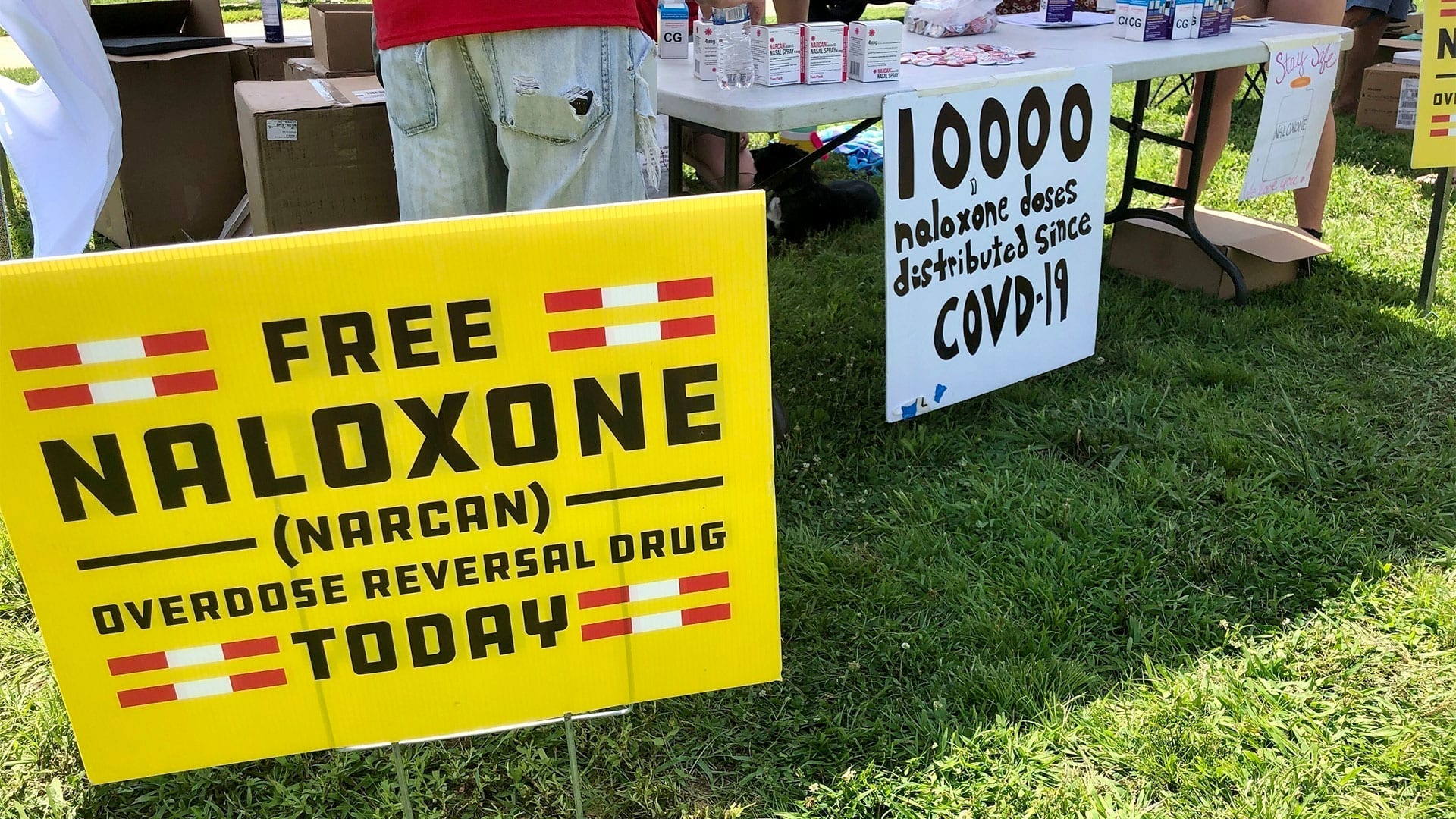

from48 hills
10 months agoFentanyl deaths up 50 percent in three months; why isn't this a big news story? - 48 hills
If you look past the press releases and corporate media headlines, you'll see that what's actually happening is people in active addiction are being shuffled from one block to another, arrested, jailed, and released.
NYC politics
Canada news
fromwww.cbc.ca
10 months agoForcing treatment for drug use could lead to overdoses, violate people's rights, experts say | CBC News
Involuntary addiction treatment raises ethical concerns and lacks evidence of effectiveness, with potential risks such as overdose for individuals with addiction issues.
Mental health
fromwww.ocregister.com
11 months agoNo stranger to body brokering and kickbacks,' insurer's lawsuit against California addiction treatment providers says
Blue Cross Blue Shield of Oklahoma's lawsuit highlights serious allegations against California addiction treatment providers, including fraud and exploitation of vulnerable populations.


[ Load more ]