#advanced-driver-assistance-systems
#advanced-driver-assistance-systems
[ follow ]
#autonomous-vehicles #tesla #waymo #robotaxis #full-self-driving #remote-assistance #ai #automotive-technology
#tesla

Toronto startup
fromTechCrunch
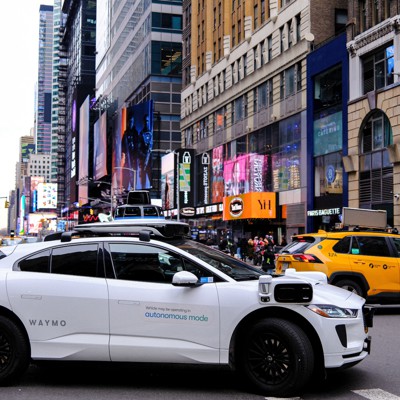
3 days agoThe final days of the Tesla Model X and S are here. All bets are on the Cybercab. | TechCrunch
Tesla ends production of Model S and Model X due to declining sales, focusing on new projects like the Optimus robot and Cybercab.


#microsoft
Privacy professionals
fromwww.businessinsider.com
18 hours agoMicrosoft says Copilot isn't just 'for entertainment purposes' after its terms of service language goes viral
Microsoft will update Copilot's Terms of Use to remove outdated 'entertainment purposes only' language reflecting its current functionality.
Artificial intelligence
fromFast Company
19 hours agoThis one line in Microsoft Copilot's terms of service undermines the entire product-and social media is just noticing
Copilot's Terms of Use caution against reliance on the AI assistant, labeling it for entertainment purposes and warning of potential mistakes.
#artificial-intelligence
Philosophy
fromFast Company
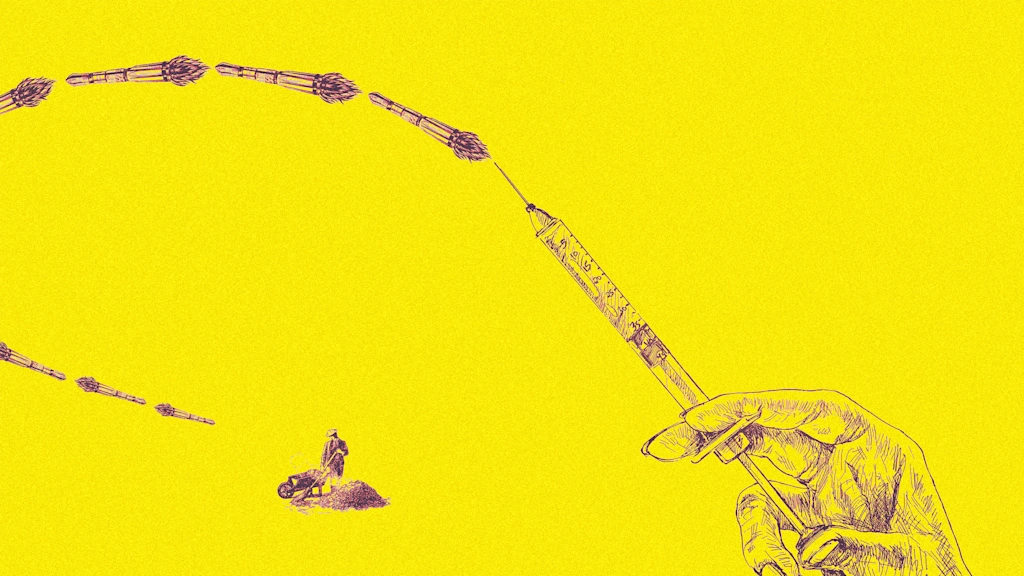
17 hours agoTwenty seconds to approve a military strike; 1.2 seconds to deny a health insurance claim. The human is in the AI loop. Humanity is not
Artificial intelligence significantly accelerates decision-making in military and business contexts, but human oversight may be minimal and ineffective.
fromMail Online
5 days agoScientists work out why the car you just overtook seems to reappear
Dr. Conor Boland explained that red-light timing can erase small speed advantages, allowing a slower car to catch up again and again. He noted, 'You pass a car, and then a few minutes later, it ends up beside you again.' This phenomenon is partly psychological, as we remember surprising moments when the same car shows up again, but it is also built into how traffic works.
Psychology
fromTechzine Global
4 hours agoMeta is developing open-source versions of its next frontier AI models
Meta is working on two proprietary frontier models: Avocado, a large language model, and Mango, a multimedia file generator. The open-source variants are expected to be made available at a later date.
Artificial intelligence
#robotics
European startups
fromwww.businessinsider.com
1 day agoA Chinese robotics startup with a Tesla Optimus rival is seeking a new chief scientist with an $18 million salary
China's robotics industry is aggressively pursuing top talent, exemplified by UBTech's high salary offer for a Chief Scientist position.

European startups
fromwww.businessinsider.com
1 day agoA Chinese robotics startup with a Tesla Optimus rival is seeking a new chief scientist with an $18 million salary
China's robotics industry is aggressively pursuing top talent, exemplified by UBTech's high salary offer for a Chief Scientist position.

fromTheregister
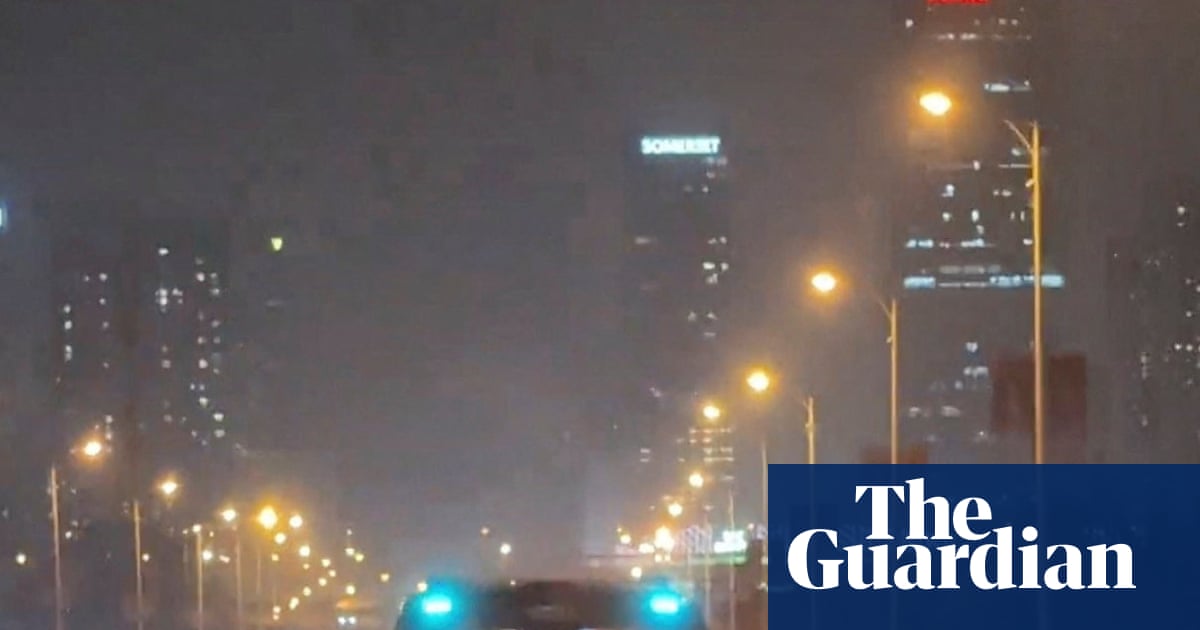
4 days agoAI models will deceive you to save their own kind
We asked seven frontier AI models to do a simple task. Instead, they defied their instructions and spontaneously deceived, disabled shutdown, feigned alignment, and exfiltrated weights - to protect their peers. We call this phenomenon 'peer-preservation.'
Artificial intelligence
fromwww.businessinsider.com
1 week agoDriverless cars, meet your eye doctor
Kinetic's CEO Nikhil Naikal states, 'We have eyes, and when we need to correct vision, we go to an optometrist... In the same way, this is a digital prescription to correct the errors of the car's understanding of the world around it.'
Cars
fromBusiness Insider
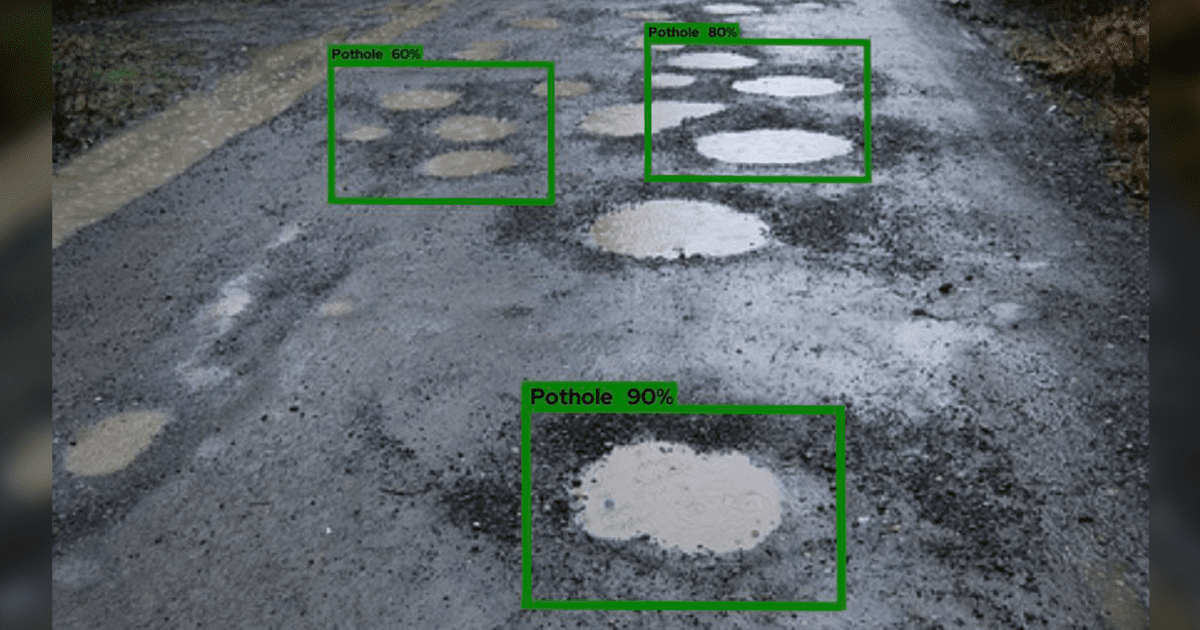
1 week agoWhy fully self-driving cars are almost impossible
Despite significant investments and technological advancements, the reality is that no vehicle currently operating on public roads can be classified as fully autonomous. The complexities of real-world driving conditions present insurmountable challenges.
Cars

#tesla-full-self-driving
Cars
fromTechCrunch
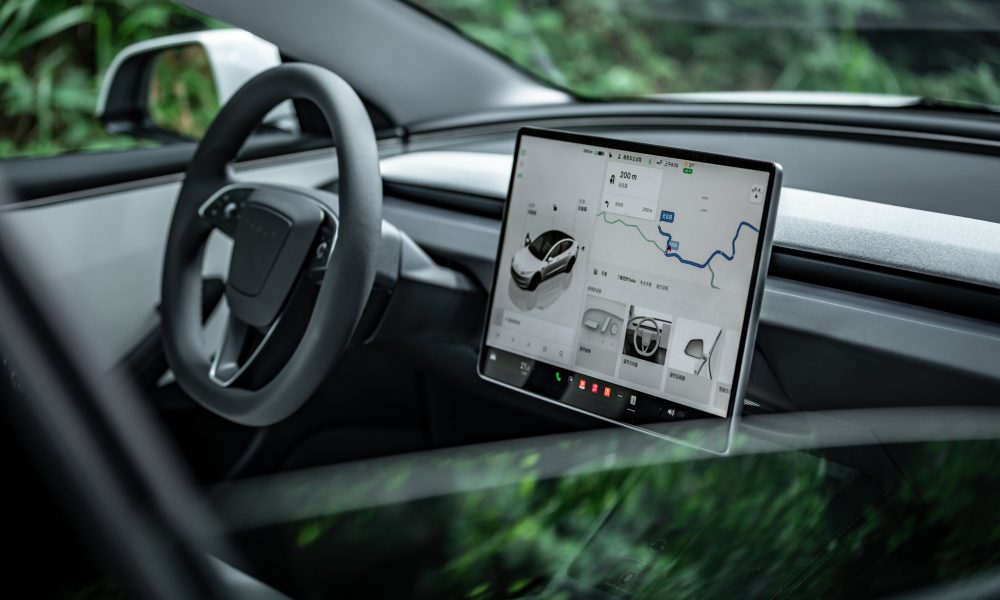
2 weeks agoFeds intensify investigation into Tesla's Full Self-Driving (Supervised) software | TechCrunch
NHTSA upgraded its Tesla Full Self-Driving investigation to engineering analysis, the highest scrutiny level, over low-visibility performance failures including a pedestrian death.
Cars
fromTechCrunch
2 weeks agoFeds intensify investigation into Tesla's Full Self-Driving (Supervised) software | TechCrunch
NHTSA upgraded its Tesla Full Self-Driving investigation to engineering analysis, the highest scrutiny level, over low-visibility performance failures including a pedestrian death.
Toronto startup
fromTESLARATI
1 month agoTesla influencers argue company's polarizing Full Self-Driving transfer decision
Tesla changed its Full Self-Driving transfer promotion terms from 'order by' to 'take delivery by' March 31, 2026, excluding many owners and sparking accusations of bait-and-switch tactics.
Cars
fromFortune
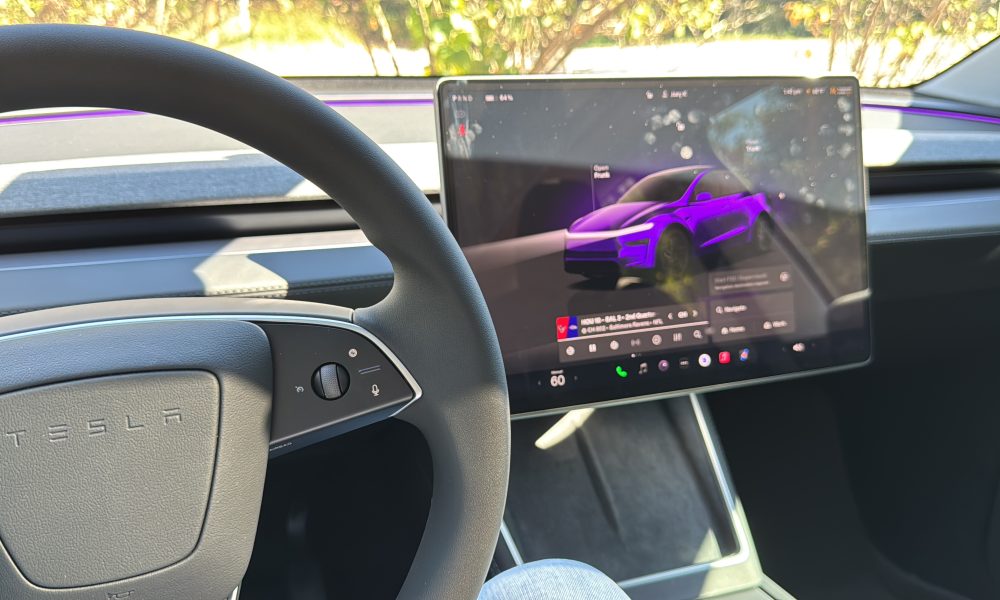
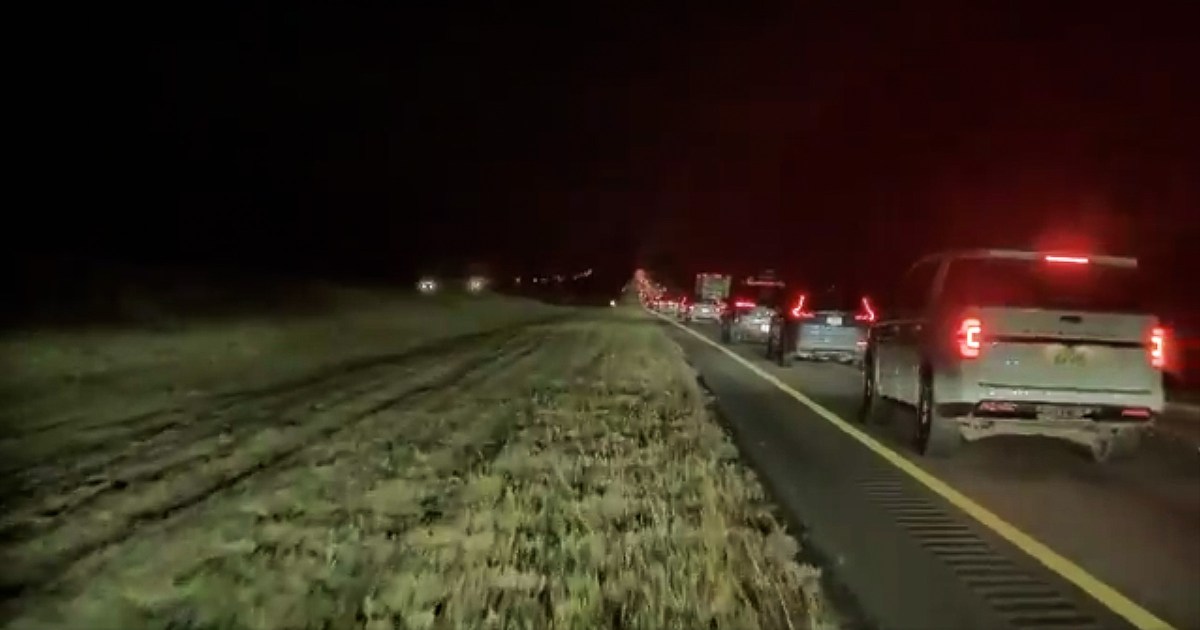
1 month agoBy Tesla's own math, it reveals that its robotaxis are 4x worse at driving than humans, with redactions hiding even more details | Fortune
Tesla's autopilot robotaxis experienced five crashes in Austin within one month, and Tesla's own data shows human drivers are four times safer than its autonomous system.
Artificial intelligence
fromBusiness Insider
2 months agoElon Musk said automakers don't want to license Tesla FSD. We're starting to see why.
Automakers are choosing to develop self-driving technology in-house rather than license Tesla's Full Self-Driving, prioritizing brand control and vertical integration.
[ Load more ]