Agriculture
fromEarth911
2 days agoBiochar Was a Billion-Ton Dream, the Reality Is More Complicated
Biochar can store carbon and improve soil health, but recent analysis warns against overhyping its potential.
Metafuels' aerobrew technology converts renewable methanol into drop-in jet fuel, delivering up to 90% lower lifecycle emissions than conventional kerosene, with no modifications needed for existing aircraft.
Meta's agreement with Entergy to build and finance seven new power plants in Louisiana will significantly enhance the energy infrastructure needed for its AI data center complex, Hyperion. The total of 10 power plants will provide enough energy to power over 5 million homes, representing a substantial increase in the state's grid capacity.
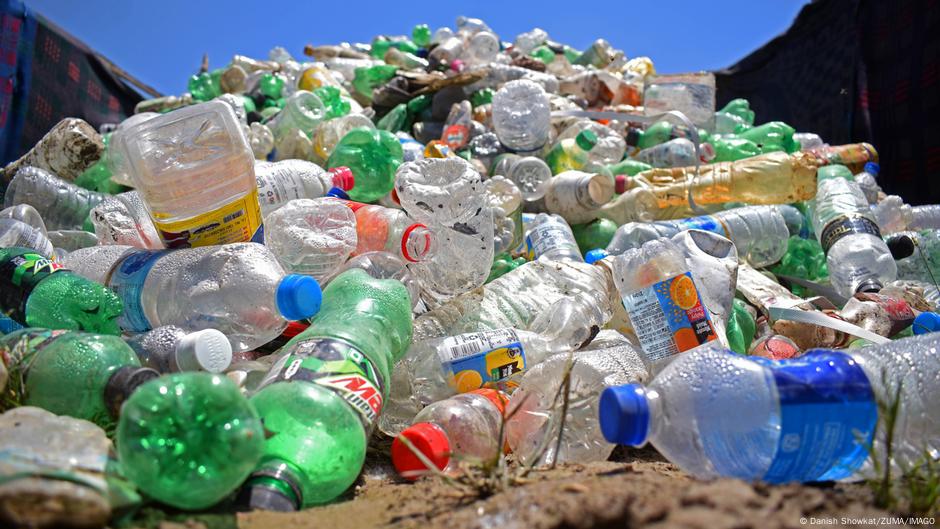
The #6 symbol on the foam container only tells you what kind of plastic it is, not if it can be recycled. If you put it in the bin just because you see a number and the recycling arrows, it can actually contaminate your other recyclables, like paper, cardboard, and aluminum, and might cause the whole batch to be rejected.
For every final barrel of bourbon produced, there are six to ten times that number of barrels of wasted stillage. This waste is often sold to farmers as livestock feed or soil additives, but drying it out is expensive and transportation is difficult.
Shredded paper is especially difficult to recycle, so many programs will not accept it. Shredding accelerates fiber shortening and lowers the paper grade from high-grade to mixed-grade. Mixed-grade paper is still recyclable, but it ends up baled and processed into products like paper towels and packing paper.
While you might assume that potato chip bags or other snack bags are recyclable, most are made from mixed materials. This means that the bags may contain plastic on the outside and an inner lining of plastic and aluminum film or foil. While the individual materials may be recyclable on their own, the only way they could be used is if the recycling facility has the means by which to separate the materials.
Crude oil is a complex mixture of hydrocarbons - molecules made mainly of carbon and hydrogen. Refineries and chemical plants separate and transform these molecules into smaller chemical building blocks known as petrochemicals. Some of the most important petrochemical building blocks include chemicals such as ethylene, propylene and benzene.
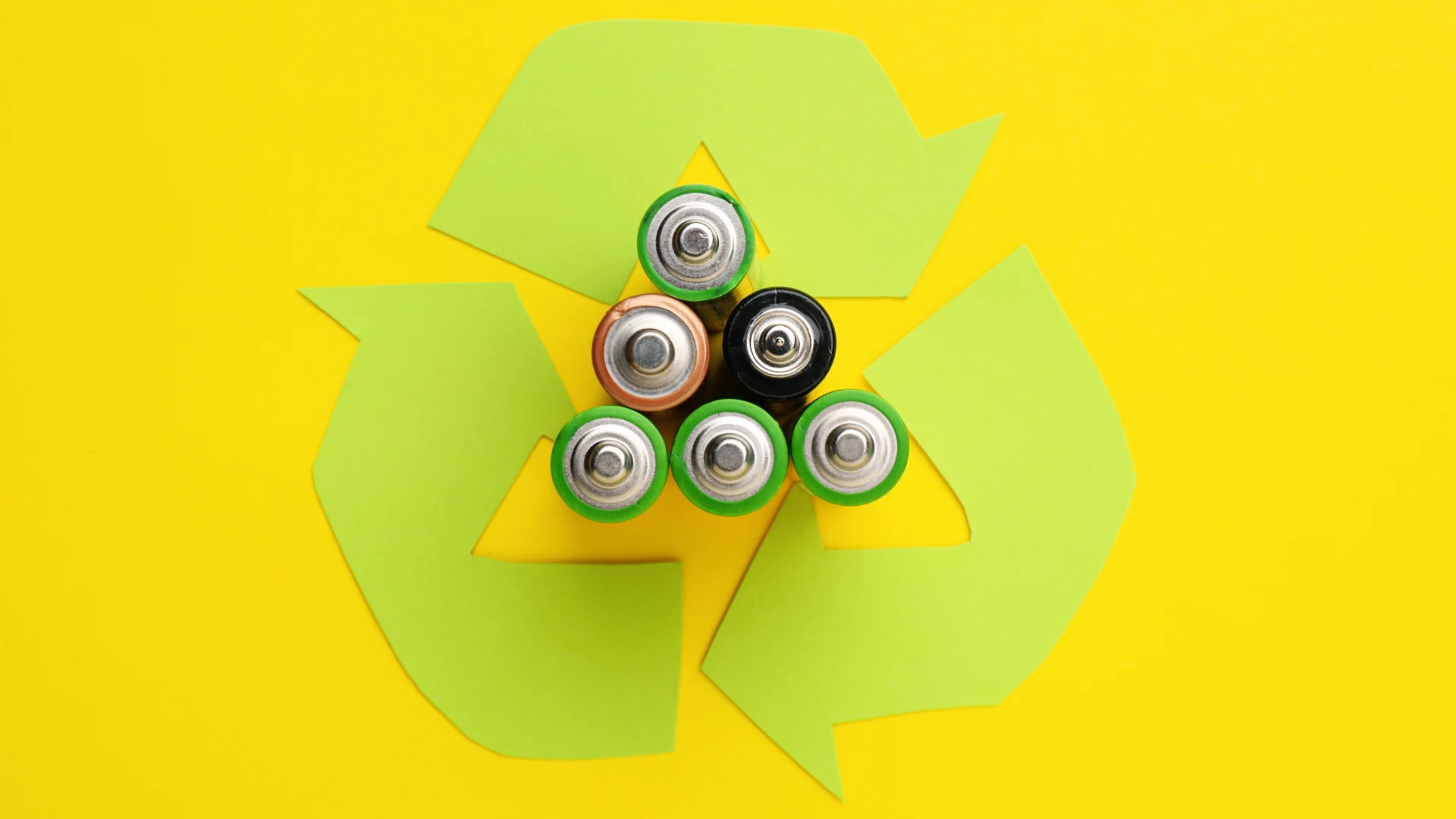
Never place batteries of any type in your curbside recycling bin. Batteries can damage recycling equipment and, if lithium batteries are mixed in, cause fires. Always use designated battery collection programs.
According to the UN's Global E-waste Monitor 2024, a record 62 million metric tons of electronic waste was generated worldwide in 2022, an 82% increase since 2010. E-waste is projected to reach 82 million metric tons by 2030. In the U.S. alone, roughly 8 million tons of e-waste is discarded each year.
Last week, I was making my morning coffee-you know, the complicated order I'm too embarrassed to say out loud at coffee shops-when I noticed the pile of used grounds in my filter. For years, I'd been tossing these straight into the trash without a second thought. But then I remembered something my grandmother wrote in one of her letters years ago: "The garden teaches us that nothing is truly waste."
Ammonia might be the world's most under appreciated chemical. Without it, crops would go unfertilized and billions of people would starve. Humans started making ammonia in large amounts just over a century ago, and since then the process used to make it, known as Haber-Bosch, hasn't changed much. A new startup, Ammobia, says that it has tweaked the Haber-Bosch process to lower the cost by up to 40%.
The team, from the Chinese Academy of Sciences and Beijing Institute of Technology, recently published their findings in Nature Communications. According to their research, the process not only avoids conventional leaching chemicals and extreme heat to extract lithium from old batteries, but it also uses carbon dioxide in what the authors call a sequestration step, and turns other battery transition metals into new catalysts - with CO₂-rich water doing most of the chemical work.
The company's agreement with TerraPower will fund the development of two new reactors capable of delivering up to 690 megawatts of power as early as 2032. The deal also gives Meta rights to energy from six other reactors that could deliver an additional 2.1 gigawatts by 2035. All this power would come from TerraPower's "Natrium" reactors, which use sodium instead of water as a coolant.
Amazon's data centers will reportedly utilize copper from a mine in Arizona that's leaching metal from ores using microorganisms, the Wall Street Journal reports. Amazon Web Services will be the first customer for Nuton Technologies, which developed the "bioleaching" technology. AWS will also be providing "cloud-based data and analytics support," helping to optimize Nuton's mining process. Nuton's bioleaching method uses naturally-occurring microorganisms to extract copper from low-grade ore that would otherwise be too expensive to mine,
Black plastic gets its color from carbon black pigment and is commonly used in food containers, such as meat or produce trays and take-out containers, as well as disposable coffee lids, plastic bags, and hard plastic items like DVD cases and planters. While plastic is one of the categories of things that we are encouraged to recycle - when we can't reuse or repurpose it - not all black plastic items can be recycled.
When you think about building a house, what materials come to mind? Brick, wood and metal all come to mind; there are also some very distinctive glass houses out there. (Even if their occupants should refrain from throwing stones - though honestly, that's a good tip for indoor living in general.) A group of MIT researchers have come up with a very different way of making buildings, and it's one that also addresses an ongoing waste issue."We've estimated that the world needs about 1 billion new homes by 2050. If we try to make that many homes using wood, we would need to clear-cut the equivalent of the Amazon rainforest three times over," explained AJ Perez, who conducts his research in the MIT Office of Innovation. The title of a paper written by Perez and his colleagues - "Design, Manufacture and Testing of Structural Trusses Using Additively Manufactured Polymer Composites" - gives a sense of the solution that they have in mind.
They write, 'through clever processing changes, this material is now stronger, more beautiful, and available in higher volumes at a lower price point.' The design remains the same with the frosted look, and this time, it can carry loads better but still lasts only as long as it's needed. After use, the bags can be placed in home compost or industrial compost systems, where they break down into healthy soil.
Lithium-ion (Li-ion) batteries are found in many devices we use every day, like smartphones, laptops, tablets, wireless earbuds, power tools, e-bikes, and electric vehicles. By 2023, there were more than 40 million electric vehicles on the road worldwide, and billions of portable electronics used Li-ion cells. These batteries are valuable for recycling, but they can be dangerous if not disposed of correctly.
In the rolling hills of southeast Queensland, Australia, farmer and businessman Brent Finlay stands beneath turbines so tall they rival skyscrapers. "There's a lift inside that takes about 12 minutes to go from the bottom to the top," he said, pointing skyward. Forty-five of the giant turbines that now dot his property are part of the massive MacIntyre Wind Farm which will soon generate enough electricity to power 700,000 homes.

.jpg)