#afghanistanpakistan-relations
#afghanistanpakistan-relations
[ follow ]
#diplomacy #pakistan #pakistan-afghanistan-conflict #iran #civilian-casualties #taliban #military-escalation


fromTheregister
1 week agoIndian government probes CCTV espionage linked to Pakistan
Indian authorities have reportedly ordered an audit of the nation's CCTV cameras, after police uncovered what they claim was a Pakistan-backed surveillance operation involving cameras aimed at railway stations and other infrastructure.
Privacy professionals
#pakistan-afghanistan-conflict
World news
fromwww.dw.com
2 weeks agoPakistan, Taliban agree on strike pause for end of Ramadan
Pakistan and the Afghan Taliban government announced a temporary military ceasefire from Wednesday midnight to Monday midnight, framed as an Eid al-Fitr gesture requested by Saudi Arabia, Qatar, and Turkey, with both sides warning of immediate resumption if attacked.
World news
fromwww.theguardian.com
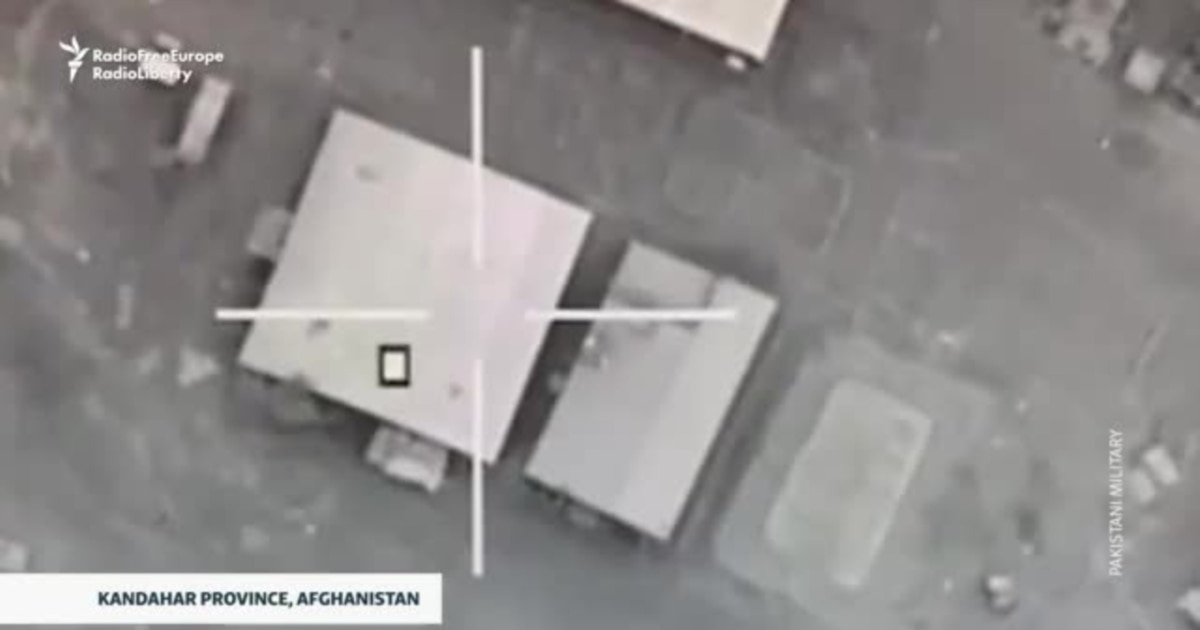
2 weeks agoPakistan targets militant hideouts in Afghanistan as conflict continues
Pakistan and Afghanistan engaged in escalating cross-border military attacks, with Pakistan striking Kandahar province and both nations disputing casualty claims and damage assessments.
World news
fromwww.dw.com
2 weeks agoPakistan, Taliban agree on strike pause for end of Ramadan
Pakistan and the Afghan Taliban government announced a temporary military ceasefire from Wednesday midnight to Monday midnight, framed as an Eid al-Fitr gesture requested by Saudi Arabia, Qatar, and Turkey, with both sides warning of immediate resumption if attacked.
World news
fromwww.theguardian.com
2 weeks agoPakistan targets militant hideouts in Afghanistan as conflict continues
Pakistan and Afghanistan engaged in escalating cross-border military attacks, with Pakistan striking Kandahar province and both nations disputing casualty claims and damage assessments.
fromwww.aljazeera.com
4 days agoHeavy rain, floods kill at least 45 people in Afghanistan, Pakistan
Afghanistan's National Disaster Management Authority reported that 28 people have been killed in the floods and 49 injured, with more than 100 homes destroyed. Most of the deaths were reported in central and eastern provinces, including Parwan, Maidan Wardak, Daikundi, and Logar.
World news


fromThe Washington Post
1 week agoPakistan's effort to mediate U.S.-Iran talks appears to gather steam
Iran's Foreign Ministry spokesman Esmaeil Baqaei stated that Pakistan was among the 'many countries' to have approached Iran with offers to mediate. He praised Islamabad for its 'good intentions' and confirmed that Iran's minister of foreign affairs has been in contact with his Pakistani counterpart.
World news
fromwww.aljazeera.com
2 weeks agoDo Taliban's drone attacks expose a chink in Pakistan's armour?
On the evening of March 13, drones struck three locations across Pakistan. Two children were wounded in Quetta. Civilians were also injured in Kohat and in Rawalpindi, the garrison city that houses the headquarters of Pakistan's armed forces and neighbours the capital, Islamabad. Pakistan's military said the drones were intercepted before reaching their targets.
World news
#afghanistan-pakistan-conflict
World news
fromwww.theguardian.com
1 month agoAfghanistan says it thwarted Pakistan airstrikes on Bagram airbase
Afghanistan and Pakistan engaged in cross-border military conflict for four days, with Afghanistan claiming to have thwarted Pakistani airstrikes on Bagram airbase while Pakistan declared open war and bombed Afghan cities.
World news
fromwww.aljazeera.com
1 month agoBlasts heard in Kabul as Pakistan-Afghanistan conflict continues
Taliban forces claim to have thwarted a Pakistani strike on Bagram air base as conflict between Afghanistan and Pakistan escalates into its fourth day, with Pakistan declaring open war and rejecting ceasefire negotiations.
World news
fromwww.theguardian.com
1 month agoAfghanistan says it thwarted Pakistan airstrikes on Bagram airbase
Afghanistan and Pakistan engaged in cross-border military conflict for four days, with Afghanistan claiming to have thwarted Pakistani airstrikes on Bagram airbase while Pakistan declared open war and bombed Afghan cities.
World news
fromwww.aljazeera.com
1 month agoBlasts heard in Kabul as Pakistan-Afghanistan conflict continues
Taliban forces claim to have thwarted a Pakistani strike on Bagram air base as conflict between Afghanistan and Pakistan escalates into its fourth day, with Pakistan declaring open war and rejecting ceasefire negotiations.
World news
fromwww.aljazeera.com
2 weeks agoAfghanistan says children among four killed in latest attacks by Pakistan
Pakistani shelling in eastern Afghanistan killed four civilians including three children, with cross-border fighting causing at least 18 civilian deaths in one week and displacing over 20,000 families.
fromwww.dw.com
3 weeks agoPakistan shoots down Taliban drones after strikes on Kabul
Afghan Taliban launched few rudimentary drones to harass the brave people of Pakistan. The drones... did not reach their intended targets. These attacks were aimed at inducing fear in the public and remind us of the terrorist mindset which drives the Afghan Taliban.
World news


fromwww.aljazeera.com
1 month agoThe aftermath of Pakistan's air strikes in Afghanistan
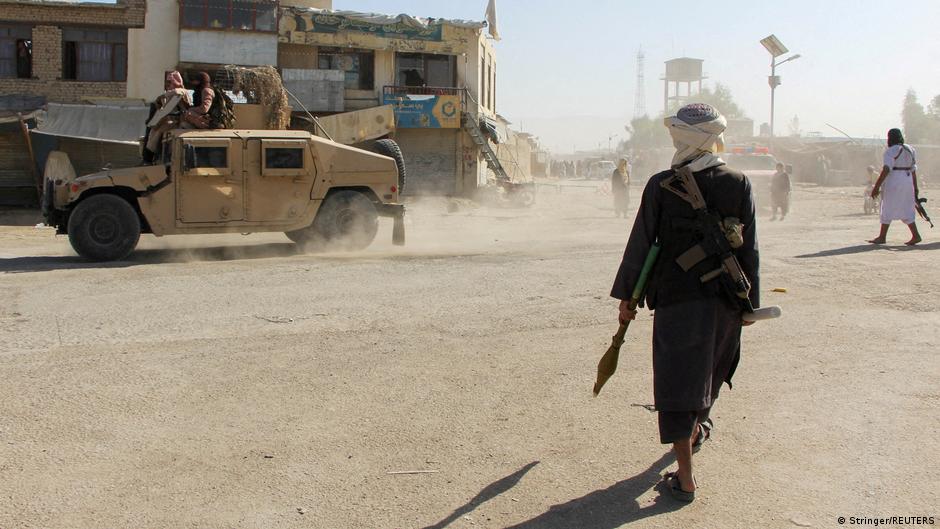
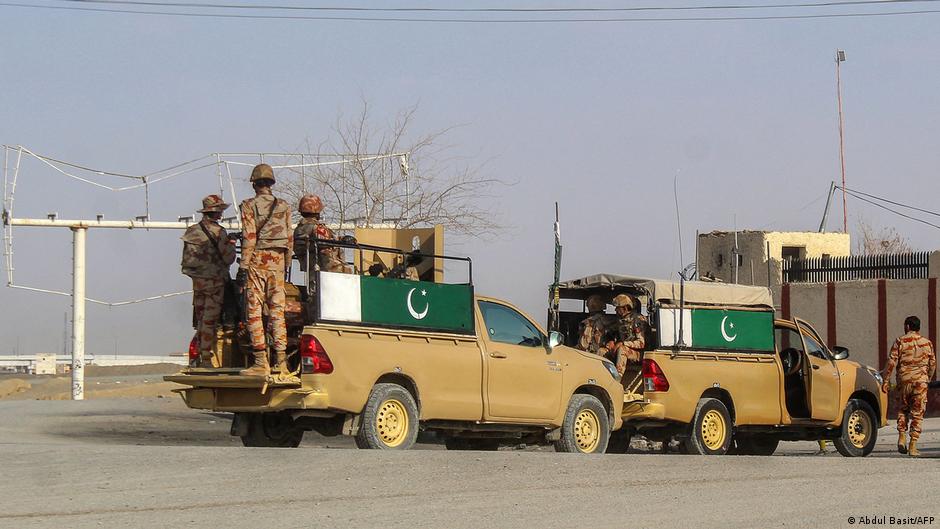
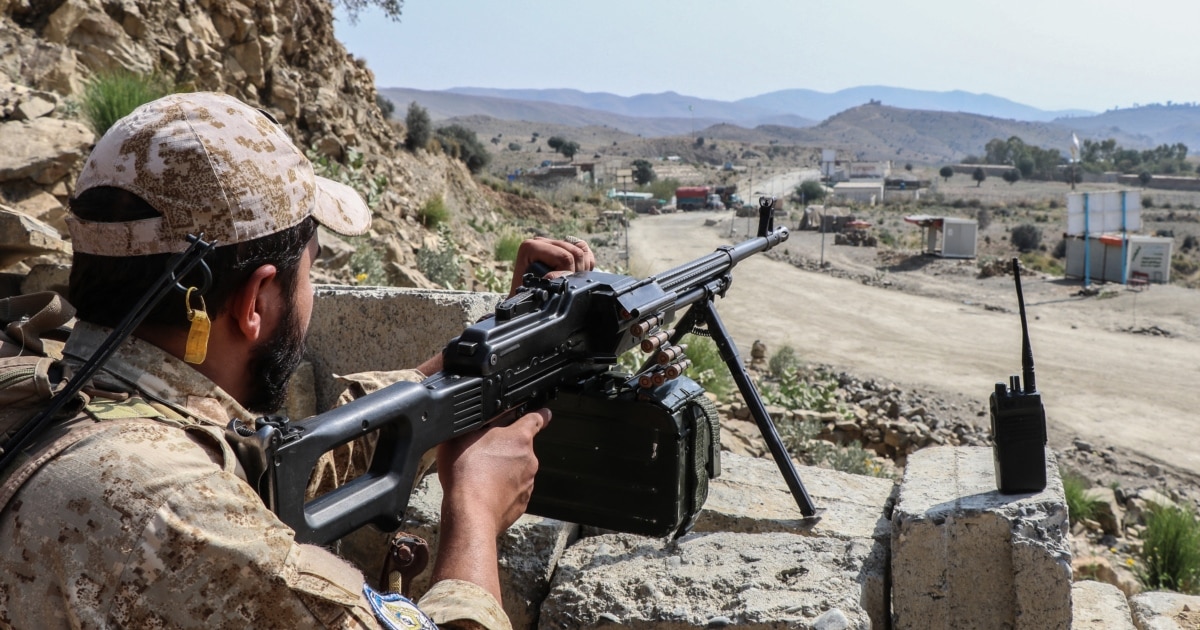
Pakistan says it has launched strikes on armed groups in Afghanistan after blaming recent suicide bombings, including attacks during the Muslim holy month of Ramadan, on fighters it says are operating from its neighbour's territory. Kabul has repeatedly denied allowing armed groups to use Afghan territory to stage attacks in Pakistan. Afghanistan's Ministry of Defence on Sunday said dozens of innocent civilians, including women and children, were martyred and wounded when strikes hit a school and homes in the eastern provinces of Nangarhar and Paktika.
World news
fromwww.aljazeera.com
1 month agoPakistan carries out strikes in Afghanistan after spate of suicide attacks
Pakistan's military has carried out air strikes in Afghanistan, targeting what it called camps and hideouts belonging to armed groups behind a spate of recent attacks, including a suicide bombing that killed dozens of worshippers at a Shia mosque in Islamabad. There was no immediate comment from Afghanistan's Taliban government, but Afghan sources told Al Jazeera the strikes on Sunday hit two border provinces.
World news
fromwww.dw.com
1 month agoPakistan claims 70 militants killed in Afghan border strikes
The spokesperson of the Taliban regime in Kabul, Zabihullah Mujahid, said in a statement on social media platform X that the attacks "killed and wounded dozens, including women and children." He called Pakistan's claim of killing 70 militants "inaccurate." Islamabad did not say precisely which areas it targeted or provide additional details. The Afghan Defense Ministry said in a statement that "various civilian areas" in the provinces of Nangarhar and Paktika in eastern Afghanistan were hit, including a religious madrassa and multiple civilian homes.
World news
fromEmptywheel
2 months agoOnce Again, US Ratchets Up Rhetoric Against Pakistan
The pattern by now is all too familiar. Once again, the US is ratcheting up its rhetoric against Pakistan. Earlier instances included the "crisis" when the US killed three Pakistani soldiers and Pakistan responded by closing strategic border crossings. This was followed by the Raymond Davis fiasco. Then came exchanges of bluster over the US unilateral action that took out Osama bin Laden. Now, the target of US ire is the cozy relationship between the Haqqani network and Pakistan's intelligence agency, the ISI.
fromwww.aljazeera.com
2 months agoHow Balochistan attacks threaten Pakistan's promises to China, Trump
When meeting United States President Donald Trump in the Oval Office in September, Pakistan's army chief, Field Marshal Asim Munir, opened a briefcase with Prime Minister Shehbaz Sharif standing next to him. Inside were a set of glistening minerals. Their display was part of Pakistan's latest offer to the Trump administration: The country was willing to open up its minerals to US investment.
World news
[ Load more ]