#ag-sulzberger
#ag-sulzberger
[ follow ]
#washington-post #bari-weiss #new-york-times #cbs-news #layoffs #the-new-york-times #jeff-bezos #trump
#trump

Media industry
fromwww.mediaite.com
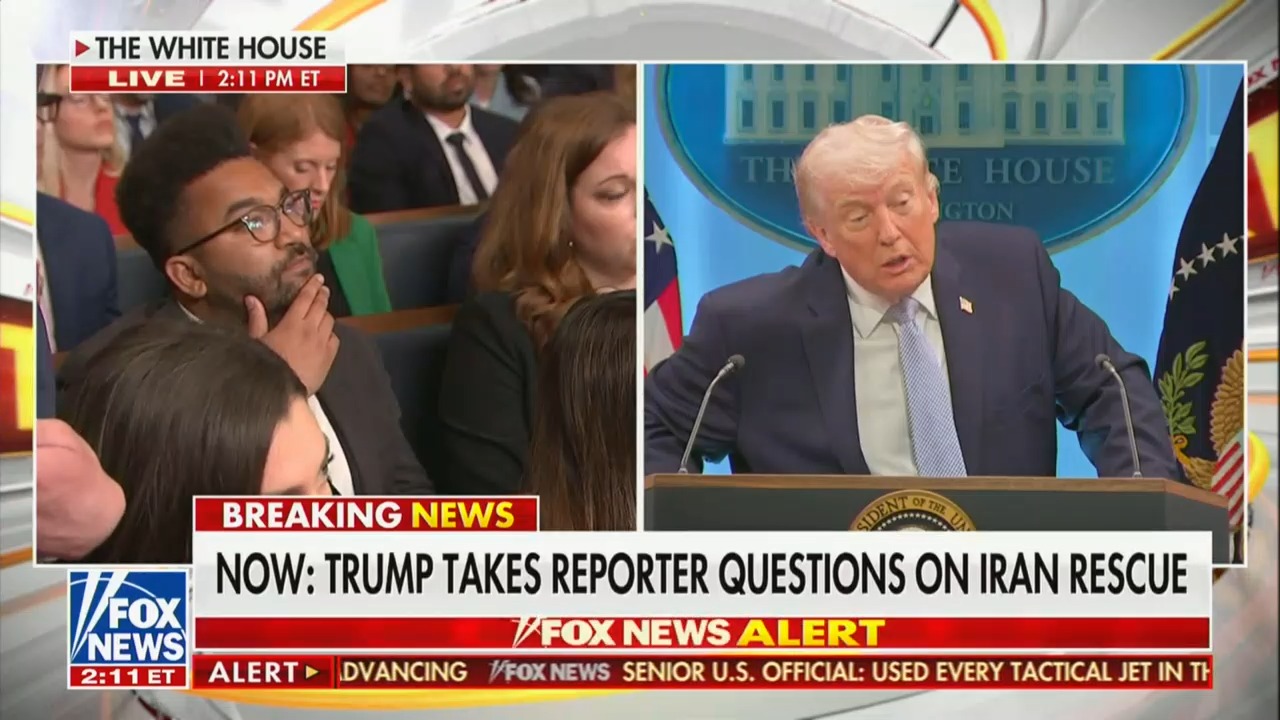
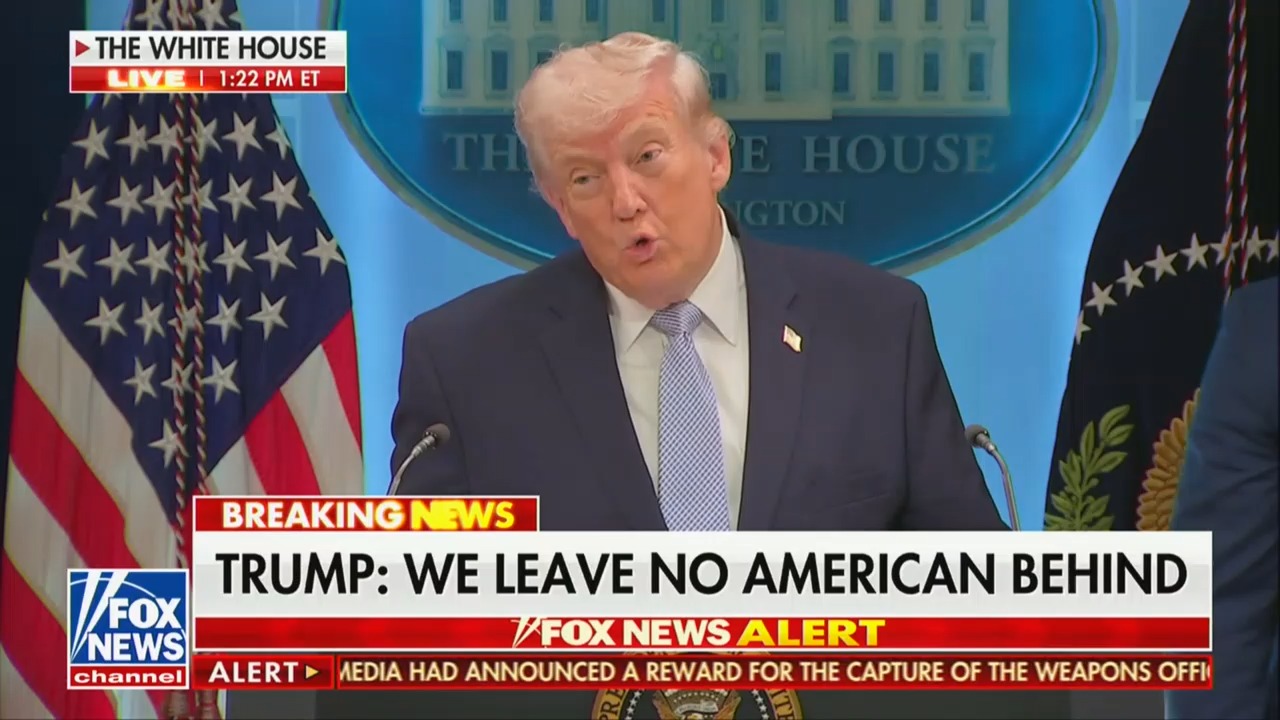
7 hours agoNYT Fires Back After Trump Berates Reporter: Pattern of Answering Fair Questions with Inaccurate Attacks'
Trump criticized The New York Times during a press conference, claiming it lacks credibility and responding aggressively to a reporter's question about his threats against Iran.
fromBrooklyn Eagle
1 month agoBack to the Past: When media was all opinion, all the time
Back then, news didn't break unless the town crier tripped over his own words. There were no "breaking reports," no special election coverage, no bickering pundits crammed into a single screen. News traveled so slowly that it took more than six months for word to spread across the thirteen colonies that the Revolutionary War was over.
Brooklyn
fromwww.mediaite.com
2 days agoSteve Kroft Spills Dirt On 30-Year CBS Gig: 'I Hated It'
I can remember when I was tapped to go to 60 minutes I thought this was fantastic and I expected a lot of people would just come up and say, that's really great, I'm really happy for you, whatever the thing right is and then you realize after a while that not everybody was happy that I got this job. There were other people that wanted it. And so then you've all of a sudden made a bunch of enemies. And that's, it's just, you know, it's a snake pit.
Media industry

Media industry
fromDigiday
6 days agoDigiday+ Research: How Dow Jones, Forbes, The Guardian and other publisher revenue streams are shifting in 2026
Publishers are diversifying revenue streams amid economic challenges, focusing on ads, events, and subscriptions, with events gaining prominence since 2025.
fromThe New Yorker
1 month agoThe Media Merger You Should Actually Care About
During the first Trump Administration, Sinclair, a company that owns almost two hundred local TV stations across the United States, and is known for its conservative bent, instructed its news anchors to recite a near-identical script on air. The sharing of bias and false news has become all too common on social media, and more alarming, some media outlets publish these same fake stories without checking facts first.
US politics

fromwww.mediaite.com
2 weeks agoThe New York Times Hires Editor Who Reportedly Covered Up His Pal's Child Porn Scandal
Shachtman, then serving as the top editor at the publication, reportedly instructed Siegel not to turn in a story with the words child pornography in it; and then took advantage of Siegel leaving work to tend to her dying mother by going back on an agreement to note that the FBI raid pertained to possible criminal behavior outside the scope of Meek's work in her article, according to an NPR investigation.
Media industry


fromThe Verge
1 month agoFormer Tumblr head Jeff D'Onofrio steps in as acting CEO at the Washington Post
After what can generously be called a contentious tenure as the CEO of The Washington Post, Will Lewis is stepping down following mass layoffs this week. Jeff D'Onofrio, former CEO of Tumblr from 2017 to 2022, will step in as acting CEO and publisher. D'Onofrio has been CFO at the Post since June of last year, meaning he's had a front row seat to Jeff Bezos' dismantling of the once storied paper for the last nine months.
US news
Media industry
fromwww.amny.com
2 weeks agoThe New York Times Company prints Schneps Media newspapers, keeping print alive in the digital age
Schneps Media operates a thriving print publishing business with over 100 publications, demonstrating that print journalism remains vital and relevant in contemporary American media.

fromBusiness Insider
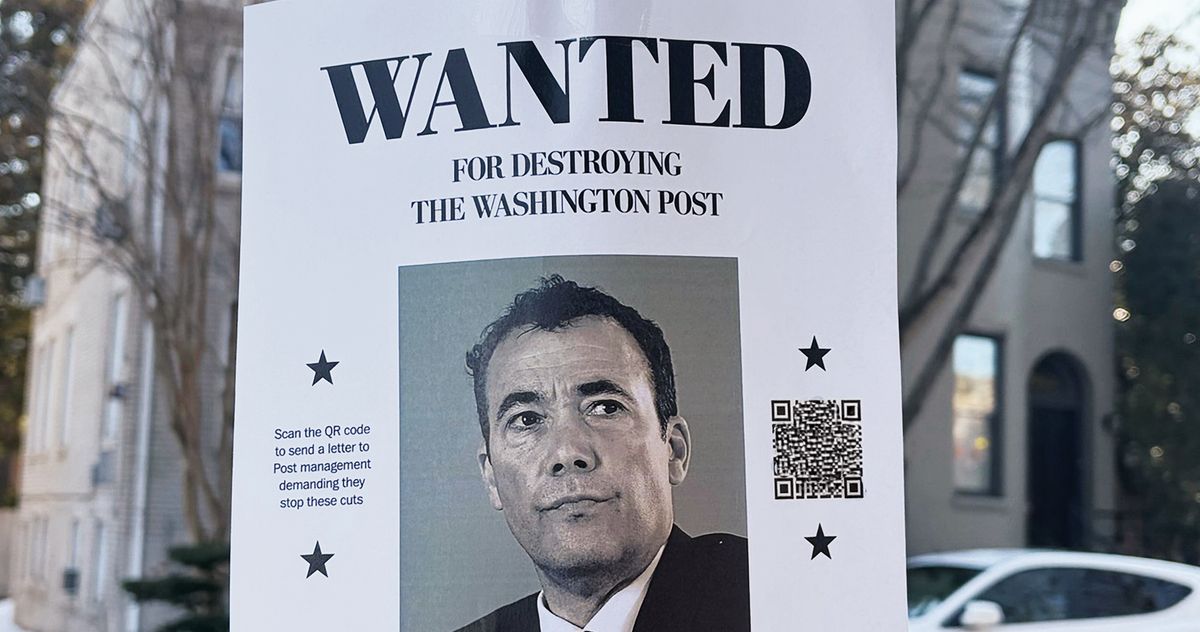
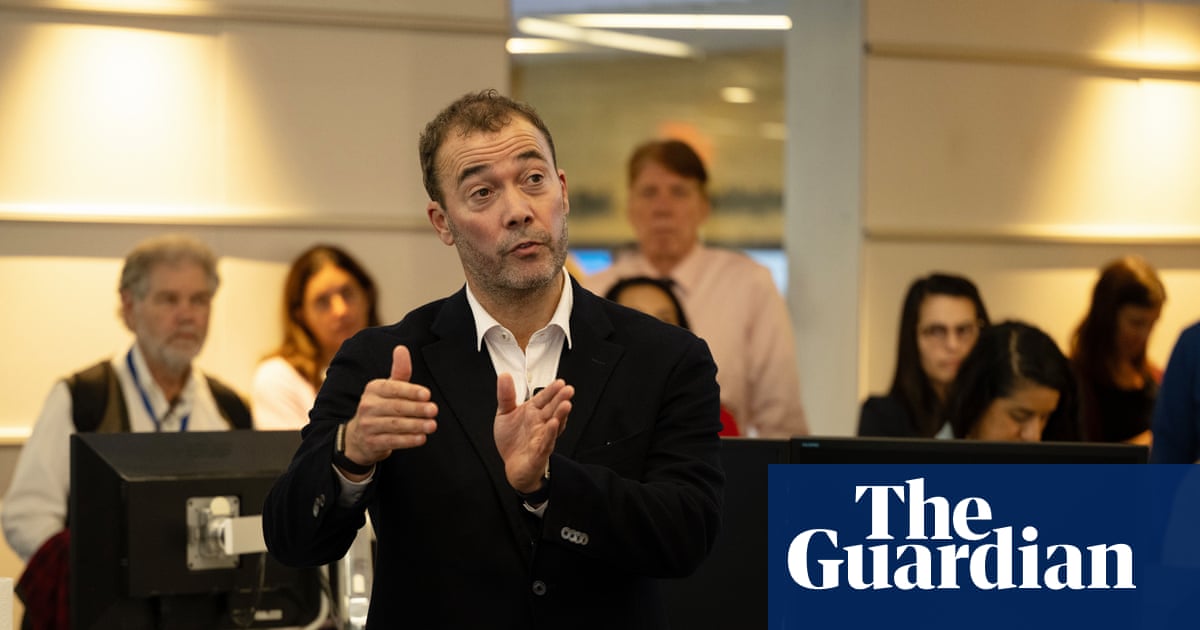
1 month agoAfter Jeff Bezos bought the Washington Post, things went great - for a while. I asked an insider what happened.
The Graham family, which had owned the Post forever, was an amazing steward for the paper. But they had to scale back their newsroom, because the internet had blown holes in classified ads. Classifieds used to be huge at The Washington Post. At the time Bezos bought it in 2013, it was not dysfunctional. These were really good journalists, but the paper was in a bit of a funk. It wasn't a reclamation project, but it had seen better days.
US news
Media industry
fromThe Atlantic
3 weeks agoThe Atlantic Announces Sophia Nguyen and Kevin Sieff as Staff Writers; and Theo Balcomb and Jonathan L. Fischer as Senior Editors
The Atlantic is expanding its newsroom with four new journalists: two staff writers from The Washington Post and two senior editors with extensive media experience.

Media industry
fromThe Atlantic
1 month agoThe Atlantic Announces Sarah A. Topol and Jenisha Watts as Staff Writers
The Atlantic announces two new staff writers: Sarah Topol, an award-winning foreign correspondent joining from The New York Times Magazine, and Jenisha Watts, promoted from senior editor.
Media industry
fromNieman Lab
1 month agoIs The New York Times a games company? A familiar debate continues
The New York Times shifted from news-only subscriptions to bundled offerings combining news with Wordle, Cooking, The Athletic, and other products, making bundle subscribers now exceed news-only subscribers.
Media industry
fromNieman Lab
1 month agoNew York Times runs in-house ad asking listeners to "support any news organization dedicated to original reporting"
New York Times publisher A.G. Sulzberger released his first-ever advertisement encouraging people to support any news organization dedicated to original reporting, not just the Times, to address the shrinking news industry.
fromwww.mediaite.com
1 month agoThe Washington Post Disaster is an Indictment of Both Publishers and Society
The shocking diminishment of The Washington Post, which has just announced it is cutting a third of its staff, is not just another story of a great paper succumbing to algorithms, social media, and the march to idiocracy. In their zeal to be seen as fair and evenhanded, journalists tend to accept the common criticism that they failed to adapt that, basically, they didn't produce enough viral TikTok videos. There's some truth to that, but the main problem lies elsewhere.
Media industry


fromFast Company
1 month agoJeff Bezos could save 'The Washington Post,' but he won't. Here's why
News that the Washington Post had laid off hundreds of workers and scrapped several sections of the storied paper altogether stunned the journalism community last week. The Post cut roughly one-third of its staff, reduced local coverage, and completely destroyed its sports and international departments. The paper is owned by Jeff Bezos. The Amazon founder, who has a staggering net worth of approximately $250 billion, bought the Post for $250 million in 2013.
Media industry
Media industry
fromwww.theguardian.com
1 month agoWhy is the Washington Post cratering so spectacularly? | Margaret Sullivan
Steady, future-focused leadership and an early, aggressive digital transition enabled the New York Times to vastly outperform the Washington Post in subscribers, profits, and global staffing.
fromIntelligencer
2 months agoInside the Washington Post's Existential Meltdown
The ostensible reason for the layoffs is that the Post, like many other newspapers, is losing money. But unlike other newspapers, the Post is also in the midst of a demoralizing destruction of its brand that has alienated hundreds of thousands of subscribers and left even its staff unsure what the paper is trying to do, both journalistically and business-wise.
Media industry
[ Load more ]