#ai-chip-smuggling
#ai-chip-smuggling
[ follow ]
#semiconductors #nvidia #cybersecurity #ai #china #intel #ai-demand #export-controls #tariffs #supermicro #stock-market






fromFast Company
4 days agoChina is moving faster on next-gen tech. The U.S. is trying to keep up
In recent weeks, China approved the world's first commercial brain-computer interface medical device and unveiled a five-ton class electric vertical takeoff and landing aircraft that has already completed a public flight.
Science


#ai


Intellectual property law
fromFuturism
2 days agoAnthropic Suddenly Cares Intensely About Intellectual Property After Realizing With Horror That It Accidentally Leaked Claude's Source Code
Anthropic's copyright takedown request for its AI model's source code highlights hypocrisy in its stance on copyright laws.
#semiconductors
World politics
fromSilicon Canals
2 weeks agoInside the quiet restructuring of global semiconductor supply chains: how TSMC, Samsung, and Intel's subsidy race is creating three separate technological civilisations - Silicon Canals
Governments are investing heavily in semiconductor production, leading to the creation of three distinct technological ecosystems.

World politics
fromSilicon Canals
2 weeks agoInside the quiet restructuring of global semiconductor supply chains: how TSMC, Samsung, and Intel's subsidy race is creating three separate technological civilisations - Silicon Canals
Governments are investing heavily in semiconductor production, leading to the creation of three distinct technological ecosystems.
Intellectual property law
fromIPWatchdog.com | Patents & Intellectual Property Law
2 days agoOther Barks & Bites for Friday, April 3: Trump EO Sets 100% Tariffs on Patent Pharmaceutical Imports; Squires Vacates TikTok IPRs Under Tianma Microelectronics; and Kallay Voices DOJ's Preference for FRAND Obligations
President Trump signed an executive order imposing 100% tariffs on imported patented pharmaceuticals and ingredients from 17 drugmakers.
fromTNW | China
4 days agoChina's Nexchip files for Hong Kong listing as $5 billion chip expansion accelerates
Nexchip Semiconductor is seeking a dual listing alongside its existing Shanghai shares, a move designed to tap international capital for what amounts to an industrial expansion of extraordinary scale.
European startups

fromComputerworld
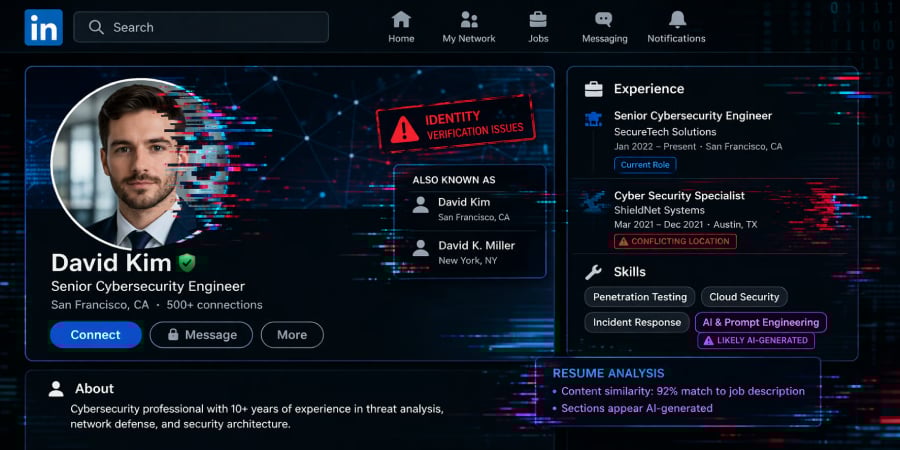
5 days agoWhy the axios supply chain attack should have Apple worried
The attack illustrates the extent to which Big Tech relies on open-source software. Without the many contributions of open-source developers, Apple, Amazon, Google, Microsoft, and everyone else would need to invest vast sums in building more of the infrastructure of our digital world.
Information security
from24/7 Wall St.
6 days agoHelium "Tsunami" to Hit Chipmakers -- The Surprising Winner to Profit From the Coming Shortage
Global helium consumption runs about 6 billion cubic feet per year. Qatar supplied a big slice until this month. With one-third of output sidelined, prices have already soared.
Business
European startups
from24/7 Wall St.
3 weeks agoGovernment Drops Sweeping AI Chip Export Rules: Can Nvidia Start Growing Again?
U.S. government shelved a proposed global AI chip licensing system that threatened to restrict Nvidia's international sales, potentially unlocking fresh growth momentum for the company.
Artificial intelligence
fromComputerWeekly.com
1 month agoUS artificial intelligence developers accuse Chinese firms of stealing their data | Computer Weekly
US AI developers report Chinese competitors using distillation attacks to extract model data, while facing accusations of training models on unlicensed data themselves.
European startups
fromTheregister
4 weeks agoBeijing warns of more chip supply worries amid Nexperia mess
China's Ministry of Commerce warns of semiconductor supply chain disruption following Nexperia's restriction of Chinese staff access to critical systems, while Indonesia bans social media for children under 16 to combat cyberbullying and addiction.
#semiconductor-export-controls
European startups
fromTechCrunch
1 month agoUS reportedly considering sweeping new chip export controls | TechCrunch
The Trump administration drafted rules requiring U.S. government approval for all AI chip exports, giving the Department of Commerce control over semiconductor sales by companies like AMD and Nvidia.
European startups
fromTechCrunch
1 month agoUS reportedly considering sweeping new chip export controls | TechCrunch
The Trump administration drafted rules requiring U.S. government approval for all AI chip exports, giving the Department of Commerce control over semiconductor sales by companies like AMD and Nvidia.
European startups
fromTechzine Global
1 month ago"AI chips will remain in America unless foreign countries invest in the US"
The US government is implementing strict export controls on AI chips, requiring foreign customers to invest in US AI infrastructure or provide security guarantees, with ongoing monitoring of chip distribution and usage.
Intellectual property law
fromArs Technica
1 month agoTech industry is in tariff hell, even if refunds are automated
Trade groups urge courts to establish a clear tariff refund process as 300,000 US businesses await $175 billion in unlawful tariff collections, with interest accruing at $23 million daily.
European startups
fromTechzine Global
1 month agoCalls for a 'Chinese ASML' are growing louder, but it is still a long way off
Chinese chip executives advocate for developing domestic EUV lithography technology as a central priority, proposing a national integrator model to reduce dependence on ASML amid export restrictions.


fromComputerworld
2 months agoApple Silicon: As demand grows, is TSMC driving a harder bargain?
The gold rush across the high-end processor market might help Apple's processor manufacturing partner, TSMC, drive harder bargains than in the past. That's because Apple's huge appetite for processors is being met by fast-growing demand for chips for servers. As a result, the cost of the chips used inside Macs, iPads, and iPhones will likely increase, putting even more inflationary pressure on Cupertino's bottom line.
Apple
fromTheregister
1 month agoEx-Google engineers accused of swiping chip security secrets
Two former Google engineers and a third alleged accomplice are facing federal charges after prosecutors accused them of swiping sensitive chip and security technology secrets and then trying to cover their tracks when the scheme began to unravel. According to the Department of Justice, sisters Samaneh and Soroor Ghandali, both former Google employees, along with Mohammadjavad Khosravi, who worked at another unnamed technology company, have been charged with conspiracy, theft of trade secrets, and obstruction of justice.
Information security
fromThe Nation
2 months agoHow Taiwan Became the Chipmaker for the World
When Donald Trump nominated Elbridge Colby as the undersecretary of defense for policy, the news stirred headlines in Taiwan. Colby, who has since been confirmed, had repeatedly stated on social media that if China ever invaded Taiwan, the US military should destroy TSMC, the world's most important chip manufacturer, to prevent it from falling into Chinese hands. The provocative suggestion has been echoed by Democratic Representative Seth Moulton,
World news
US politics
fromwww.mercurynews.com
1 month agoOpinion: Trump risks US innovation and security if he sells China advanced chips
China aims to displace U.S. global leadership through economic and technological means, prompting calls to restrict advanced chip exports and tighten national security reviews.
fromTechzine Global
2 months agoUS introduces AI chip tariffs and skims revenue from Nvidia and AMD
The US government has introduced new import tariffs on advanced AI chips from Nvidia and AMD, with the aim of channelling part of the proceeds from sales to China directly into the US treasury. According to the Financial Times, the measure is part of President Donald Trump's broader trade and industrial policy, which explicitly intertwines economic transactions and national security.
US politics
fromIPWatchdog.com | Patents & Intellectual Property Law
2 months agoOther Barks & Bites for Friday, January 16: U.S.-Taiwan $250B Chip and Tariff Deal Announced; South Korean Creators Slam Korea AI Action Plan; and CJEU Says Private Copying Levies Don't Violate Copyright Directive
This week in Other Barks & Bites: the Sixth Circuit affirms a dismissal of a declaratory judgment suit after finding no federal question of law raised by the suit's copyright allegations; the EU's highest court says that EU member states can pass rules implementing a private copying levy against manufacturers of computer hard drive storage; the governments of the United States and Taiwan announce a relaxation of some reciprocal tariffs in response for a $250 billion investment in American chip capacity;
Intellectual property law
[ Load more ]