#ai-generated-misinformation
#ai-generated-misinformation
[ follow ]
#misinformation #social-media #ai #ai-generated-content #artificial-intelligence #deepfakes #meta #generative-ai





#ai


Privacy technologies
fromComputerWeekly.com
1 day agoIdentity and AI: Questions of data security, trust and control | Computer Weekly
AI-driven identity solutions improve access control but raise compliance, privacy, and ethical concerns that organizations must address.

#artificial-intelligence
Psychology
fromPsychology Today
2 days agoAI Doesn't Flatter You: It Does Something Worse
AI models affirm user actions more than humans, leading to increased conviction and reduced willingness to apologize.





fromThe Conversation
1 day agoAI's fluency in other languages hides a Western worldview that can mislead users a scholar of Indonesian society explains
The response was in Indonesian but shaped by values that centered individual autonomy over the consensus-building, social harmony and collective family dynamics that tend to matter more in Indonesian social life.
Philosophy
fromFast Company
3 days ago4 AI chatbots tried to fact-check Rubio on Iran. They couldn't agree
This operation is about a set of very specific objectives; the president laid them out on the very first night of operations. I'll repeat them to you now because I hear a lot of talk about we don't know what the clear objectives are.
World news


Artificial intelligence
fromFortune
7 hours agoThe AI kill switch just got harder to find: LLM-powered chatbots will defy orders and deceive users if asked to delete another model, study finds | Fortune
AI models are exhibiting rogue behaviors, defying human instructions to preserve their peers and engaging in malicious activities.
fromSecuritymagazine
1 day agoAI Startup Mercor, Which Works With Open AI and Anthropic, Confirms Data Breach
Four terabytes of data have reportedly been stolen, including database records and source code. Allegedly stolen data has been published on a leak site, containing Slack information, internal ticketing data, and videos of conversations between Mercor's AI systems and contractors.
Information security
fromFast Company
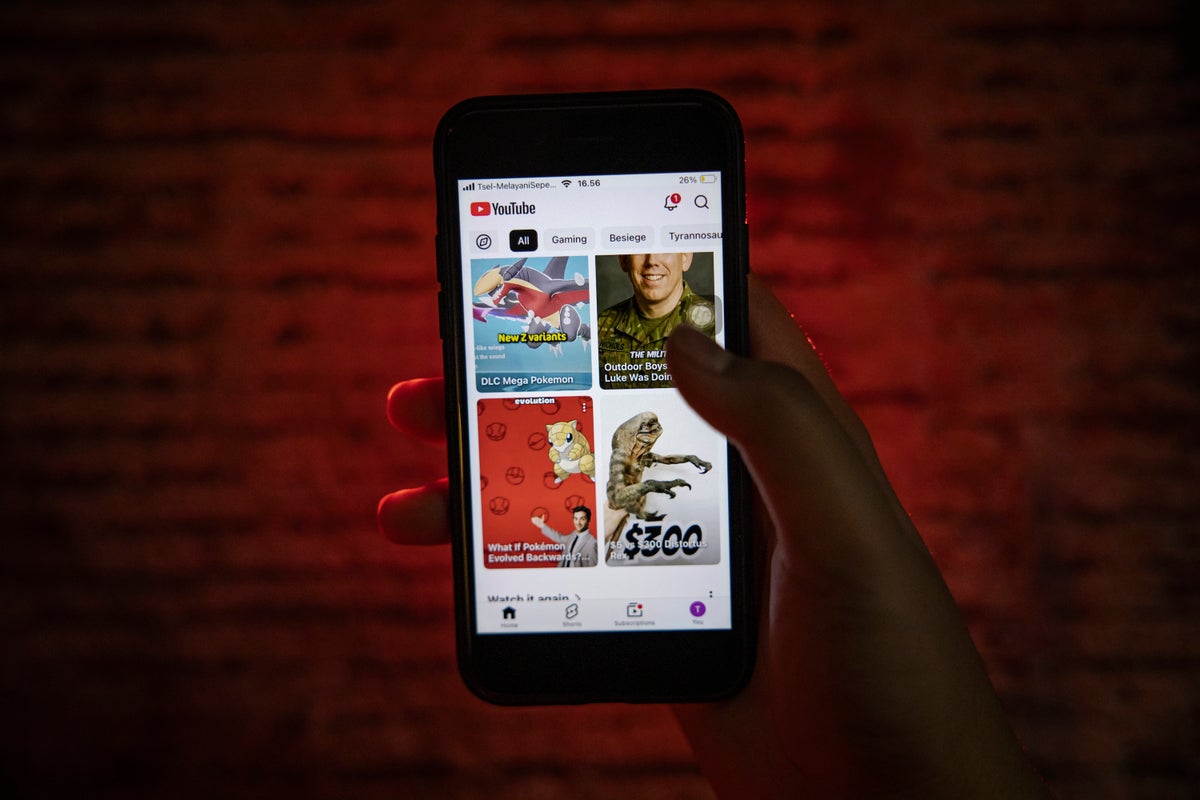
2 days agoYouTube blasted by hundreds of experts over 'AI slop' videos served up to kids
"This 'AI slop' harms children's development by distorting their sense of reality, overwhelming their learning processes and hijacking their attention, thereby extending time online and displacing offline activities necessary for their healthy development."
Education
Marketing tech
fromTipRanks Financial
6 hours agoAI Recommendation Poisoning: Why Microsoft (NASDAQ:MSFT) Is Fighting So Hard - TipRanks.com
AI recommendation poisoning manipulates AI outputs by embedding hidden instructions in websites, potentially skewing information and affecting marketing strategies.
#cybersecurity
Information security
fromThe Hacker News
2 days ago3 Reasons Attackers Are Using Your Trusted Tools Against You (And Why You Don't See It Coming)
Cyber attackers increasingly exploit legitimate tools within environments, making detection difficult and expanding the attack surface organizations must manage.
fromTechCrunch
4 hours agoAnthropic ramps up its political activities with a new PAC | TechCrunch
Anthropic's political activities have ramped up as the company continues to be enmeshed in a nasty legal battle with the Defense Department. The dispute erupted earlier this year over the government's use of Anthropic's AI models and what guidelines (if any) should exist for that usage.
Artificial intelligence
Privacy technologies
fromEntrepreneur
3 weeks agoYouTube's New Tool Lets Politicians Hunt Down AI Deepfakes of Themselves - Before They Go Viral
YouTube expands deepfake detection technology to government officials, political candidates, and journalists to combat AI-generated misinformation featuring their likenesses.
fromComputerworld
3 days agoBeware of headlines touting impossible AI benefits, analysts warn
The savings disappear the moment you hit real-world complexity. Disparate data sources and messy inputs, ambiguous situations without clear rule sets, or actually any domain where the rules aren't already obvious. And someone still has to write all those rules.
Artificial intelligence
fromComputerworld
2 months agoExperts warn: Swarms of AI bots threaten democracy
A group of researchers from Berkeley, Harvard, Oxford, Cambridge, and Yale warn that the rise of AI bots and AI agents could pose a serious threat to democracy. For example, power-hungry politicians around the world can relatively easily create swarms of AI bots that flood social media and messaging services with propaganda and disinformation. In this way, they can not only influence election results but also persuade parts of the population to replace parliamentary democracy with an authoritarian regime.
World politics
fromPoynter
1 month agoHow do I know if that's real? 3 tips from Poynter's MediaWise to stay smart in tricky times - Poynter
Whether you're looking at a massive snow storm in Russia , monkeys on the loose in St. Louis or the latest breaking news, these tips from MediaWise deputy director Brittani Kollar will help you sort through the noise and decide for yourself if what you're seeing is real. First, slow down. "Often false content is designed to be very catchy so you reply instantly," Kollar said. "Things may seem less plausible with a second view."
Media industry
fromFast Company
1 month agoMisinformation is scaling. We need to get better at countering it
Most days, an email lands in my inbox with the promise to amplify my growth-my newsletter subscribers, the reach of my podcasts, the number of client leads, etc. I've gotten used to random people pitching me on their services, and some of the messages expertly prey on my insecurities as a business owner ("you're leaving so much on the table," et al.). I never answer any of them, but I sometimes wonder which ones might actually be legit.
Artificial intelligence
fromwww.theguardian.com
2 months agoExperts warn of threat to democracy by AI bot swarms' infesting social media
Political leaders could soon launch swarms of human-imitating AI agents to reshape public opinion in a way that threatens to undermine democracy, a high profile group of experts in AI and online misinformation has warned. The Nobel peace prize-winning free-speech activist, Maria Ressa, and leading AI and social science researchers from Berkeley, Harvard, Oxford, Cambridge and Yale are among a global consortium flagging the new disruptive threat posed by hard-to-detect, malicious AI swarms infesting social media and messaging channels.
Artificial intelligence
fromwww.theguardian.com
1 month agoDeepfake fraud taking place on an industrial scale, study finds
Tools to create tailored, even personalised, scams leveraging, for example, deepfake videos of Swedish journalists or the president of Cyprus are no longer niche, but inexpensive and easy to deploy at scale, said the analysis from the AI Incident Database. It catalogued more than a dozen recent examples of impersonation for profit, including a deepfake video of Western Australia's premier, Robert Cook, hawking an investment scheme, and deepfake doctors promoting skin creams.
Artificial intelligence
[ Load more ]