Artificial intelligence
fromFast Company
16 hours agoWhy tech bros are so worried about AI having bad taste
Tech professionals emphasize the importance of 'taste' in an AI-driven world, fearing technology may diminish human judgment and creativity.
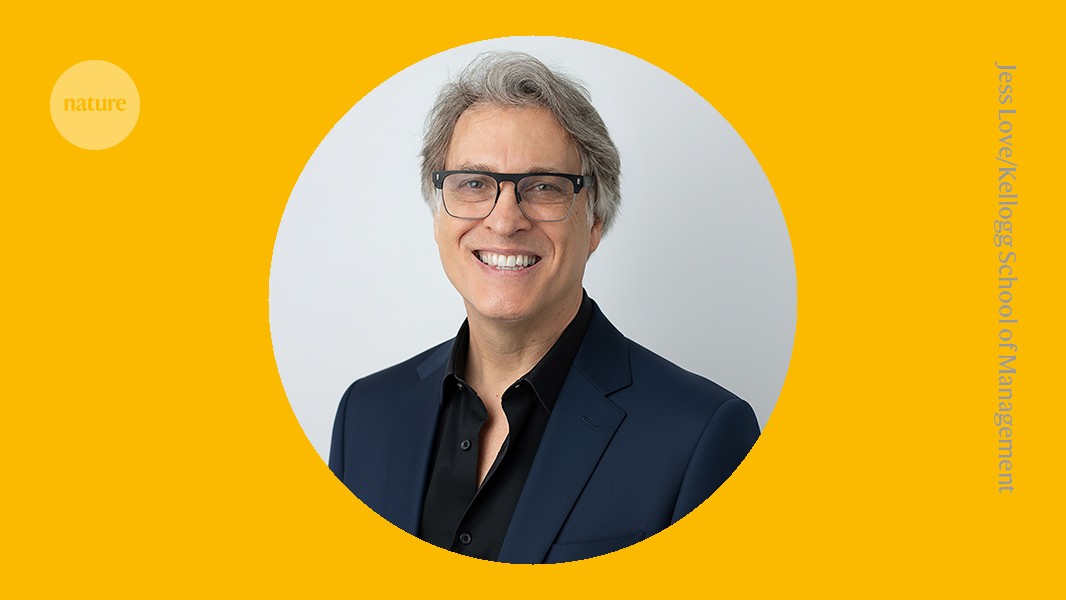
Galen Buckwalter, a 69-year-old research psychologist and quadriplegic, participated in a brain implant study to contribute to science that aids those with paralysis. The six chips in his brain decode movement intention, allowing him to operate a computer and feel sensations in his fingers again.
Recently, AI decided that a painting long thought to be a copy of Caravaggio's The Lute Player is actually by the master, while another version of the same subject, previously thought to be authentic, is not. Both conclusions were disputed by the former Metropolitan Museum of Art curator Keith Christiansen. A similar debate erupted in March 2025 when AI declared that portions of The Bath of Diana, also long believed to be a copy, could have been painted by Peter Paul Rubens.
Now that the dust has settled and AI evolution has become a truth we must all live under, this narrative feels outdated. The agencies that thrive won't be those resisting AI, nor those blindly automating everything in sight, but those that incorporate it, intelligently, in their process. The real opportunity lies not in the battle of human v AI, but in the partnership of human plus AI.