Artificial intelligence
fromMedium
7 hours agoMost Developers Are Using AI Wrong.
Using AI in coding can create an illusion of speed, leading to a lack of understanding and ownership of the code.
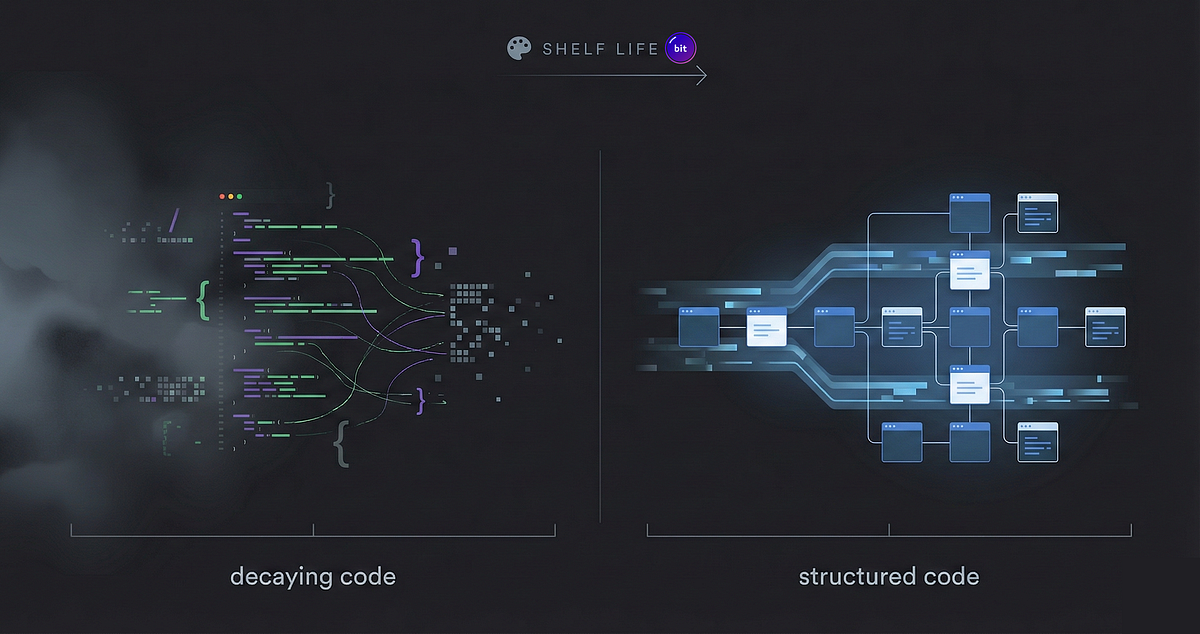
To dislodge that, OpenAI would need to deliver a platform that is meaningfully AI native rather than AI augmented. That means the repository itself becomes a living system that continuously understands the codebase, its intent, and its risks, rather than a passive store of files.
Software developers have spent the past two years watching AI coding tools evolve from advanced autocomplete into something that can, in some cases, build entire applications from a text prompt. Tools like Anthropic's Claude Code and OpenAI's Codex can now work on software projects for hours at a time, writing code, running tests, and, with human supervision, fixing bugs. OpenAI says it now uses Codex to build Codex itself, and the company recently published technical details about how the tool works under the hood.
One thing I always do when I prompt a coding agent is to tell it to ask me any questions that it might have about what I've asked it to do. (I need to add this to my default system prompt...) And, holy mackerel, if it doesn't ask good questions. It almost always asks me things that I should have thought of myself.
Software engineering didn't adopt AI agents faster because engineers are more adventurous, or the use case was better. They adopted them more quickly because they already had Git. Long before AI arrived, software development had normalized version control, branching, structured approvals, reproducibility, and diff-based accountability. These weren't conveniences. They were the infrastructure that made collaboration possible. When AI agents appeared, they fit naturally into a discipline that already knew how to absorb change without losing control.