Digital life
fromZDNET
16 hours agoI tested Gemini on Android Auto and now I can't stop talking to it: 5 tasks it nails
Gemini is now integrated into Android Auto, providing answers to both simple and complex queries effectively.
Qi Sun's DrayEasy platform exemplifies a significant advancement in logistics, merging quoting, booking, and real-time tracking into a seamless automated experience for shippers.
Meta is working on two proprietary frontier models: Avocado, a large language model, and Mango, a multimedia file generator. The open-source variants are expected to be made available at a later date.
Estefania Angel noticed that while her company helped other enterprises set up AI, it did not use those systems internally. She began using AI apps in Slack, Outlook, and Google to track assignments, which garnered attention from her superiors.
The Sassy style is built on one premise: help first, judge always. Every answer comes wrapped in wit and a well-placed roast - it'll answer your question, it'll just make you feel something about it first. Expect reality checks delivered with charm, compliments that somehow sting, and warmth you didn't see coming. Equal-opportunity irreverence, zero apologies.
Amazon just announced it's adding personality styles to Alexa+, so users can tweak how expressive the smart assistant is. The three new Alexa+ personality styles include a Brief option that delivers direct, no-nonsense responses, a Chill style for a relaxed, breezy interaction, and a Sweet option that has a cheery, enthusiastic energy.
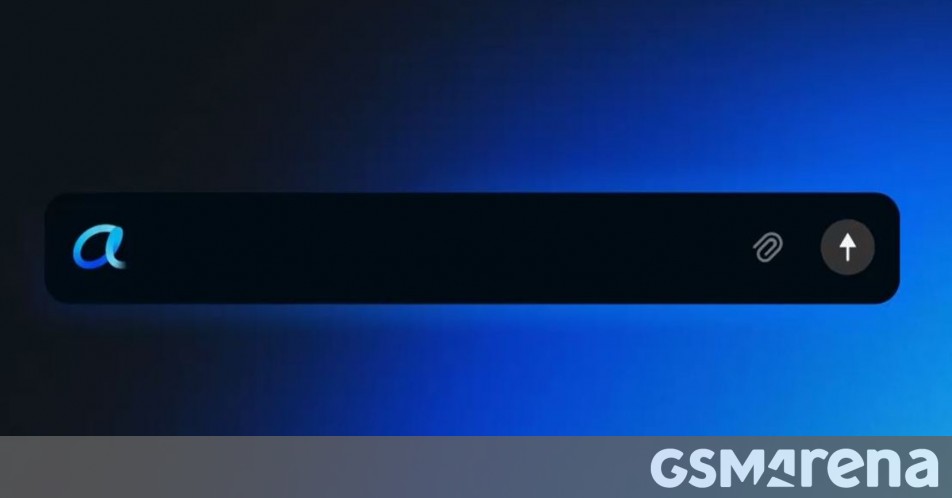
The majority of AI products remain tethered to a single, monolithic UI pattern: the chat box. While conversational interfaces are effective for exploration and managing ambiguity, they frequently become suboptimal when applied to structured professional workflows. To move beyond "bolted-on" chat, product teams must shift from asking where AI can be added to identifying the specific user intent and the interface best suited to deliver it.
Artificial intelligence is undergoing a fundamental transformation, moving beyond the screen-based interactions that have dominated consumer technology for the past decade. At this year's Consumer Electronics Show (CES) in Las Vegas, the shift became particularly evident as companies showcased AI systems designed to operate directly with physical devices and smart home environments. The evolution represents a significant departure from current AI assistants, which remain largely confined to specific devices or require explicit user commands.