#air-assault
#air-assault
[ follow ]
#iran #drone-warfare #us-military #drones #military-technology #search-and-rescue #ukraine #military-doctrine #f-15e
fromwww.businessinsider.com
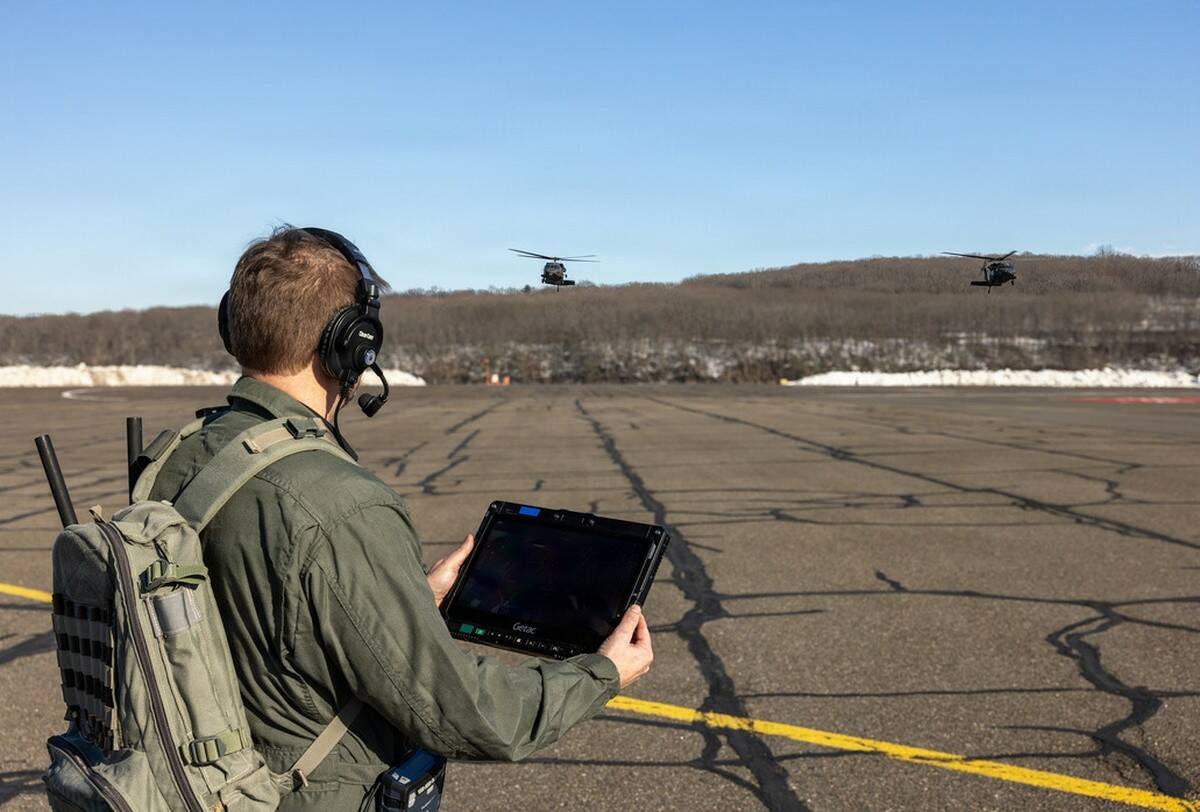
1 day agoHere's how US combat search-and-rescue crews save downed fighter pilots in the middle of a war
Air Force combat search-and-rescue, also known as CSAR, is the military's force dedicated to rescuing downed aircrew. Combat search-and-rescue missions are dangerous under the best of conditions, ideally on dark nights with no moonlight.
Roam Research
fromwww.mediaite.com
1 day agoI'm Very Worried': Former Combat Fighter Pilot Breaks Down What Happens When a Pilot Ejects Like Over Iran
My immediate response is, or thought is, you know, really thinking of the families of this, of the aircrew here. Look, I have always felt like Iran it's a very big country. It's not the same as Iraq or Afghanistan.
US politics

#drone-warfare

World news
fromIntelligencer
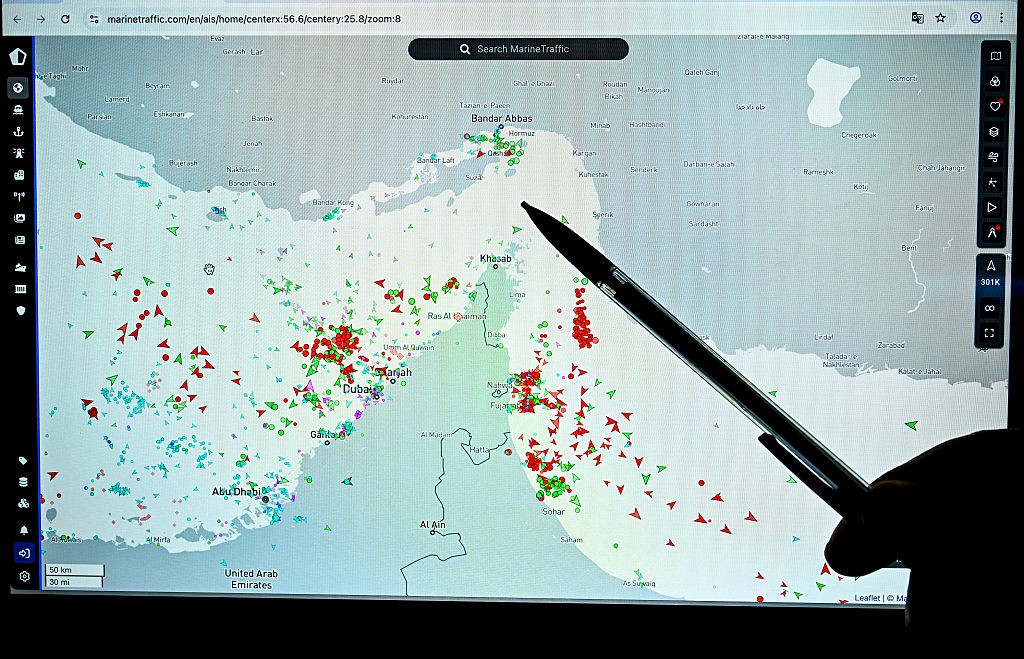
1 month agoThe Future of War Is Drones Bombing Data Centers
Iranian drone strikes on data centers in the UAE and Bahrain demonstrate a new warfare strategy targeting critical digital infrastructure, causing cascading internet outages across multiple regions and affecting major global companies.
#drones


Russo-Ukrainian War
fromBusiness Insider
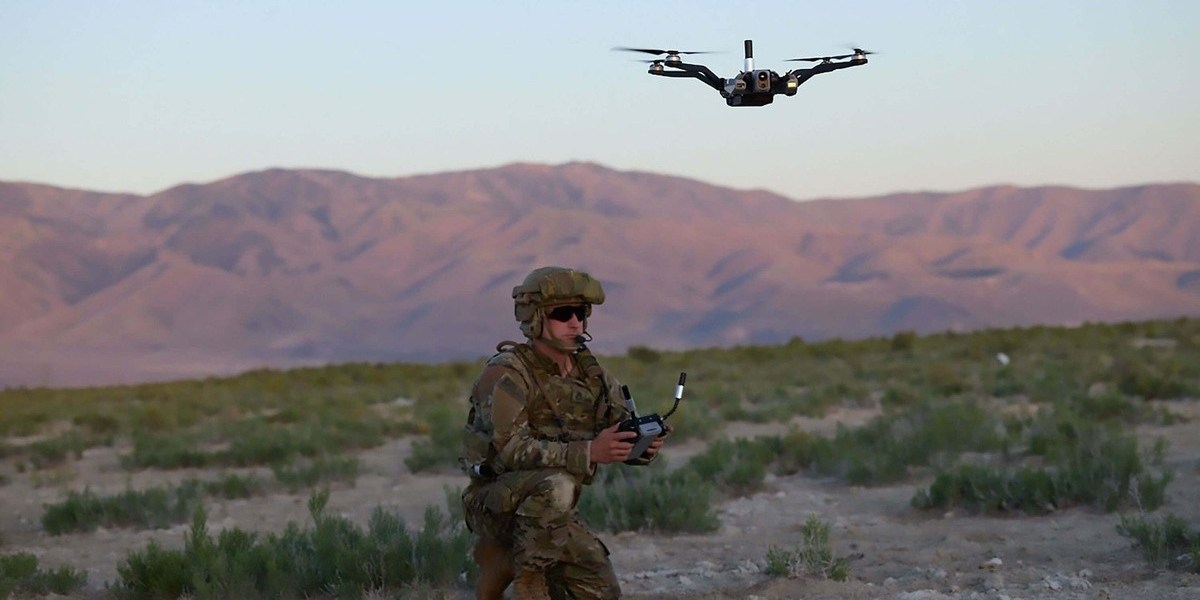
1 month agoWorking with Ukrainian troops convinced this elite British Army infantry battalion to go all in on drones
An elite Irish Guards battalion is prioritizing drone training, qualifying many operators and building dedicated facilities after learning drone tactics from Ukrainian troops.
Miscellaneous
fromBusiness Insider
2 months agoUkraine's top general says that drones are now taking out Russia's soldiers as fast as it gets new ones into battle
Ukrainian drones neutralized roughly as many Russian soldiers in December as Russia mobilized, reflecting a significant rise in drone-caused casualties.
World news
fromLondon Business News | Londonlovesbusiness.com
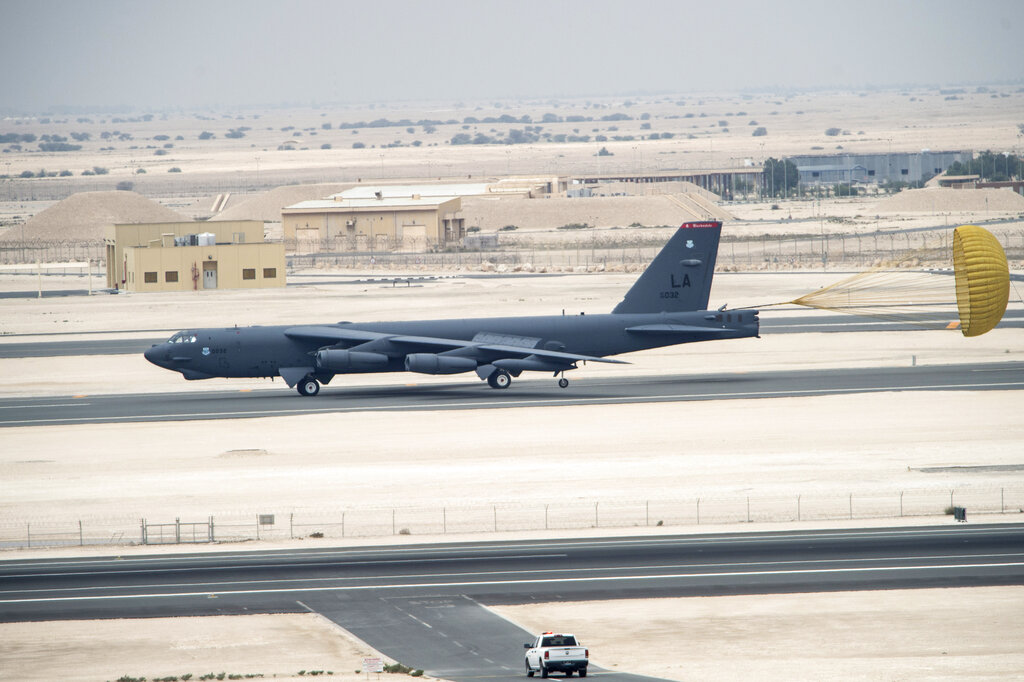
1 day agoPentagon confirms fighter jet shot down over Iran as rescue mission underway - London Business News | Londonlovesbusiness.com
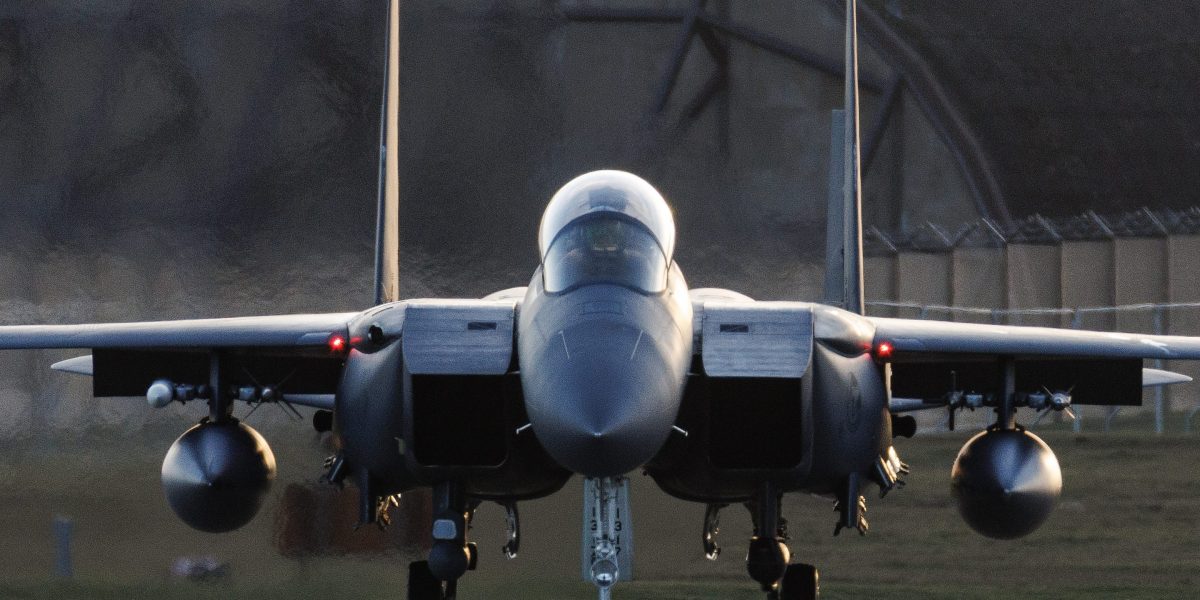
An F-15E Strike Eagle was shot down over Iran, initiating a combat search and rescue operation for its two crew members.
History
from24/7 Wall St.
2 weeks ago25 Weapons That Changed Warfare Over the Last Century
Technological breakthroughs over the last century transformed warfare by introducing tanks, missiles, stealth aircraft, and precision-guided weapons that forced armies to continuously adapt tactics and reshape military doctrine globally.
Information security
fromThe Cipher Brief
3 weeks agoThe Drone War's Real Problem Isn't Technology - It's Speed
Defense acquisition reforms implement recommended changes but fail to address the fundamental cycle-time gap between rapidly evolving adversary capabilities and the military's ability to deploy countermeasures.
from24/7 Wall St.
3 weeks agoThe Warplanes and Ordinance That Carried Out Operation Epic Fury
Air campaigns today are built around cooperation between many different aircraft, each performing a specific task. Stealth fighters lead the way into contested airspace, electronic warfare aircraft disrupt enemy radar, and bombers or strike fighters deliver precision weapons. Supporting aircraft provide intelligence, command and control, and the fuel needed to keep the entire operation moving.
Roam Research
Russo-Ukrainian War
fromBusiness Insider
3 weeks agoThe US Army wants to see if it can get robots to rescue wounded troops like they're doing in Ukraine
The US Army is testing ground robots to evacuate wounded soldiers in high-intensity combat, reducing risk to medical personnel and troops during dangerous battlefield movements.
fromLondon Business News | Londonlovesbusiness.com
1 month agoElite British and French paratroopers finish deployment training for Ukraine - London Business News | Londonlovesbusiness.com
Exercise Orion involved around 2,000 personnel from both British and French forces, focusing on rapid deployment, interoperability, and strengthening NATO's readiness against potential threats of insurgency and invasion, demonstrating the strategic importance of these drills.
Miscellaneous
US news
fromBusiness Insider
4 weeks agoThe survival training that kicks in after a US pilot is shot down
Pilot survival training through ejection preparation is critical because improper body positioning during emergency ejection can cause severe injury or death, as demonstrated by a recent friendly-fire incident involving three F-15E Strike Eagles.
World politics
fromBusiness Insider
1 month agoUsed by Iran, Russia, and now the US, the cheap Shahed is reshaping modern war
The Shahed drone, an inexpensive Iranian-designed weapon, has become a defining weapon of modern conflict, adopted and copied by Russia and the United States, fundamentally changing warfare tactics and defense strategies.
World news
fromLondon Business News | Londonlovesbusiness.com
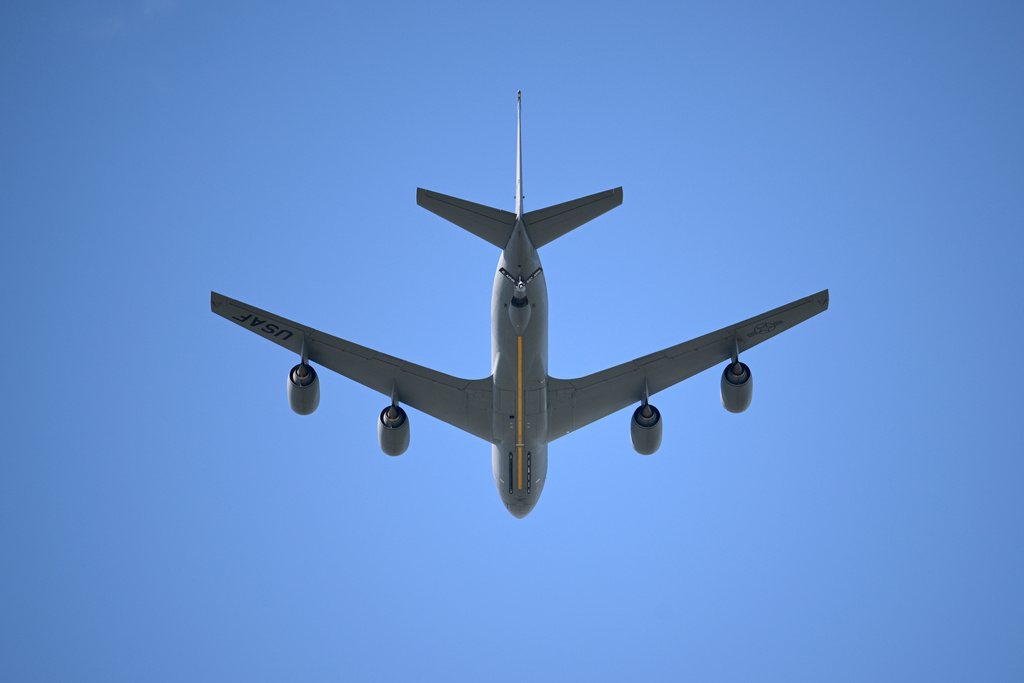
3 weeks agoFour US airmen killed after refuelling aircraft crashes in Iraq - London Business News | Londonlovesbusiness.com
Four US service members died in a KC-135 Stratotanker crash in western Iraq; two crew members remain missing and rescue operations continue.
World news
fromLondon Business News | Londonlovesbusiness.com
3 weeks agoUS Special Operations Forces aircraft deploy from RAF Mildenhall as war intensifies in Middle East - London Business News | Londonlovesbusiness.com
US Special Operations Forces MC-130J aircraft deployed from RAF Mildenhall equipped with advanced radar for low-level missions supporting Middle East operations amid escalating Iran tensions.
US news
fromJezebel
1 month agoNow the Military Is Apparently Shooting Down Border Patrol's Own Drones
The Department of Defense repeatedly used laser anti-drone technology without FAA coordination, destroying a Border Patrol drone and causing unnecessary airspace shutdowns based on misidentified threats.
World news
fromBusiness Insider
3 weeks agoVideo shows US forces destroying some of Iran's old American-made warplanes
US Central Command released footage of airstrikes destroying Iranian aircraft including C-130 Hercules, P-3F Orion, and Il-76 transport planes, systematically degrading Iran's aging air capabilities.
Gadgets
fromBusiness Insider
1 month agoThe Army's new drone competition is really a talent hunt. It's scouting out what makes a top drone pilot.
The Army uses competitions to identify and select specialized drone operators with specific aptitudes instead of broadly training all soldiers to pilot unmanned aircraft.
fromInfoWorld
2 months agoStop treating force multiplication as a side gig. Make it intentional
Lead without authority. You may not have direct reports, yet you shape architecture, quality and the roadmap. Your leverage comes from artifacts, reviews and clear standards, not from title.I started by publishing a lightweight architecture template and a rollout checklist that the team could copy. That reduced ambiguity during design and cut review cycles by nearly 30 percent
DevOps
fromBusiness Insider
2 months agoA NATO fighter wing showed up for front-line air patrols with drone defenses for the first time
ŠIAULIAI AIR BASE, Lithuania - A Spanish fighter wing deployed to the Baltics for air patrol missions alongside anti-drone defenses for the first time, a reaction to growing uncrewed threats to European infrastructure. Spain's 15th Wing arrived at Šiauliai Air Base in December to begin a four-month rotation contributing to NATO's Baltic Air Policing mission, designed to protect the airspace around Lithuania, Latvia, and Estonia. The Crow counter-drone system came with it.
Careers
from24/7 Wall St.
2 months agoMilitary Aircraft That Only Succeeded Because of Their Skilled Crews
Some aircraft succeeded even though they made life harder for the people flying them. They demanded constant attention, punished mistakes, and left little margin for error. Instead of relying on forgiving design, these platforms forced crews to compensate through skill, planning, and coordination. Over time, combat proved that the human element was the decisive factor behind their success. Here, 24/7 Wall St. is taking a closer look at these aircraft that embodied the human factor.
History
fromwww.theguardian.com
4 weeks agoDivert, turn back or fly around: what it's like to be a pilot when missiles start crossing your flight path
You're stuck in that airplane until you land safely, the veteran Australian pilot says. Amid the expanding war in Iran with missiles piercing the skies over the Middle East pilots' regimented routes have been thrown into chaos. They've been forced to turn planes around mid-flight or squeeze into narrowing air corridors, with hundreds of lives in their hands.
World news
US politics
fromFortune
2 months agoArmy readies 1,500 paratroopers specializing in arctic operations for possible deployment to Minnesota if Trump invokes Insurrection Act | Fortune
About 1,500 active-duty soldiers were placed on standby for potential deployment to Minnesota pending invocation of the Insurrection Act amid an immigration enforcement operation.
Artificial intelligence
fromBusiness Insider
1 month agoUS Army leaders say soldiers are drowning in so much battlefield data that AI is needed to make sense of it all
Army AI prototype processes vast battlefield sensor data, retaining context and patterns humans miss, to reduce information overload and improve decision-making.
World news
fromBusiness Insider
1 month agoUS military: Stealth bombers, fighters, and 'special capabilities' used in first 24 hours of Iran mission
US Central Command deployed over 1,000 strikes against Iranian targets using B-2 bombers, fighter jets, drones, and Tomahawk missiles in Operation Epic Fury.
from24/7 Wall St.
2 months agoHow Precision Sniper Technology Reduced the Need for Massed Infantry
Infantry once relied on numbers to solve uncertainty. When soldiers could not see or hit targets precisely, the answer was more troops and more fire. Sniper technologies quietly overturned that logic. By extending range, improving accuracy, and increasing awareness, they allowed small teams to dominate space once controlled only by massed formations. Precision replaced presence, and patience became a battlefield advantage. Here, 24/7 Wall St. is taking a look at the sniper technologies that totally changed the game.
Science
fromBusiness Insider
1 month agoThe US Army once saw small drones primarily as scouts. Ukraine showed they could be weapons.
Facing an existential crisis, the Ukrainians had to develop a way to counter hostile forces cheaply yet with mass. That meant figuring out how to turn inexpensive drones into weaponry, a step that quickly and fundamentally changed how the war was being fought. Now, drones carry out 80% of all battlefield hits and are responsible for most combat casualties.
Gadgets
fromWIRED
2 months agoICE Pretends It's a Military Force. Its Tactics Would Get Real Soldiers Killed
As a veteran of the war on terror, I have spent the past year watching Immigration and Customs Enforcement officers expand their operations across the country on a heretofore unprecedented scale and with a new faux-military bearing. From equipment to weapons to tactics, ICE and other immigration enforcement bodies want to be seen as combat forces carrying out their missions.
US politics
US news
fromBusiness Insider
1 month agoWest Coast Marines want to train 500 new drone pilots a year in a crash course on everything from flying to explosions
Marines run a 15-day drone pilot course training aerial navigation, attack drone operation, and safe explosive payload preparation, aiming to certify 500 operators annually.
from24/7 Wall St.
2 months agoWeapons That Performed Well Except For Desert, Jungle, or Arctic Conditions
On paper, many of the world's most famous weapons looked like reliable successes. In practice, desert sand, jungle humidity, and arctic cold often had other ideas. Systems that performed well in testing or early combat sometimes broke down once environmental stress became unavoidable. Here, 24/7 Wall St. is taking a closer look at how the environment, not enemy fire, can quietly expose limits that designers never fully anticipated.
World news
fromBusiness Insider
1 month agoKeeping top combat aircraft flying is expected to only get more expensive
The cost for the US and other militaries to keep newer combat aircraft ready to fly is going to soar in the coming years, a new report on sustainment trends argues. A new report from the American consulting firm Oliver Wyman projects global military aircraft spending over the next decade, including an annual sustainment cost growth of 1.1% through 2036. That's a pace roughly 11 times faster than the previous decade.
World news
[ Load more ]