Agriculture
fromEarth911
2 days agoBiochar Was a Billion-Ton Dream, the Reality Is More Complicated
Biochar can store carbon and improve soil health, but recent analysis warns against overhyping its potential.
"For the first time ever, we are able to capture farmers' valuable waste and turn it into cash... so join us, MoFarm, in turning emissions into earnings, and farts into fuel."
At a young age, I learned quickly how oil wealth and power could burn the land while people struggled. I saw heat rise off the streets, the Nile strained, and the air thickened with injustice. In my teenage years, through Aotearoa, being on the edge of the Pacific, I felt the ocean breathing heavy, swallowing the shores of islands that have done the least to cause this harm.
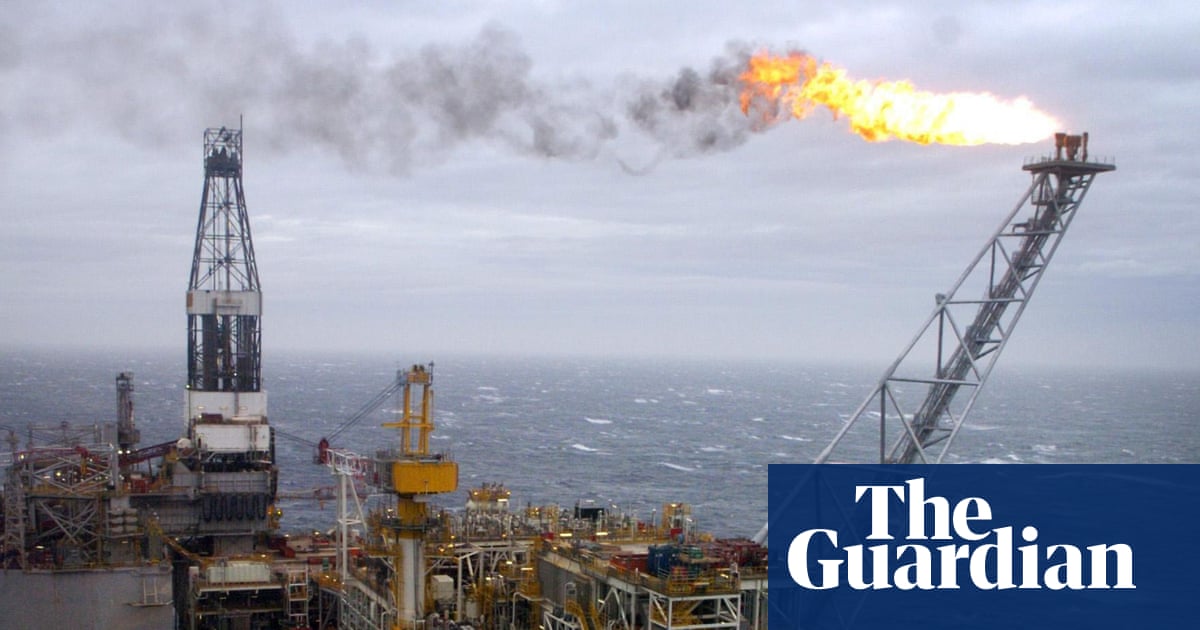
The Strait of Hormuz - a narrow waterway through which roughly a fifth of the world's oil supply passes - has effectively closed to tanker traffic amid the escalating U.S.-Israeli strikes on Iran. Once again, the global economy is discovering the same uncomfortable truth: Modern energy security depends on supply chains that can break overnight.
If you enter the amounts of different types of plastic that you clean up into the Wildlife Impact Calculator, it will tell you how many animal lives would have been at risk, had those items made their way into the ocean and been ingested.
Octopus Energy Generation is investing nearly $1bn in Californian clean technology projects, deepening its exposure to the US energy transition and accelerating plans to deploy $2bn across the country by 2030. The funding, channelled through Octopus-managed funds, spans carbon removal, heat battery technology and solar-plus-storage infrastructure, reinforcing the company's strategy of backing next-generation decarbonisation assets in advanced markets. Octopus will support two California-based carbon removal companies focused on grassland restoration and reforestation, converting degraded land into high-quality carbon-absorbing assets.
Never place batteries of any type in your curbside recycling bin. Batteries can damage recycling equipment and, if lithium batteries are mixed in, cause fires. Always use designated battery collection programs.
Broadcasting from Calgary, Alberta, your host Shaun Haney is joined by Tyler McCann, managing director of CAPI, and Saskatchewan farmer Daryl Fransoo to talk about profitability in ag and the role of the biofuel industry from a Canadian agriculture perspective. Thoughts on something we talked about on the show? Connect with host Shaun Haney via [email protected], on X/Twitter by using the hashtag #RealAgRadio, or give us a shout or text on the response line, 1-855-776-6147.
Tech companies are conflating traditional artificial intelligence with generative AI when claiming the energy-hungry technology could help avert climate breakdown, according to a report. Most claims that AI can help avert climate breakdown refer to machine learning and not the energy-hungry chatbots and image generation tools driving the sector's explosive growth of gas-guzzling datacentres, the analysis of 154 statements found.
Krill are a keystone species and the main food source for whales, penguins and seals. Aker QRILL, the world's largest harvester of krill, a tiny crustacean and keystone of Antarctica's fragile ecosystem, and its sister company, Aker BioMarine, produce feed additives for aquaculture and dietary supplements for pets and humans.
A barge-based configuration offers advantages over land-based facilities, according to BDC, including optimization of scarce land resources through offshore or nearshore deployment, vital in a country that is smaller than many cities, including London. This arrangement also offers segregation between hydrogen handling infrastructure and the core datacenter operations, the firm says, plus greater flexibility in hydrogen transport and storage, making use of Singapore's maritime ecosystem.
Then she read an article in this newspaper, just over eight years ago, and discovered that fossil fuel companies had ploughed more than $180bn (130bn) into plastic plants in the US since 2010. It was a kick in the teeth, says Gardiner. You're telling me that while I am beating myself up because I forgot to bring my water bottle, all these huge oil companies are pouring billions She looks appalled. It was just such a shock.
They write, 'through clever processing changes, this material is now stronger, more beautiful, and available in higher volumes at a lower price point.' The design remains the same with the frosted look, and this time, it can carry loads better but still lasts only as long as it's needed. After use, the bags can be placed in home compost or industrial compost systems, where they break down into healthy soil.
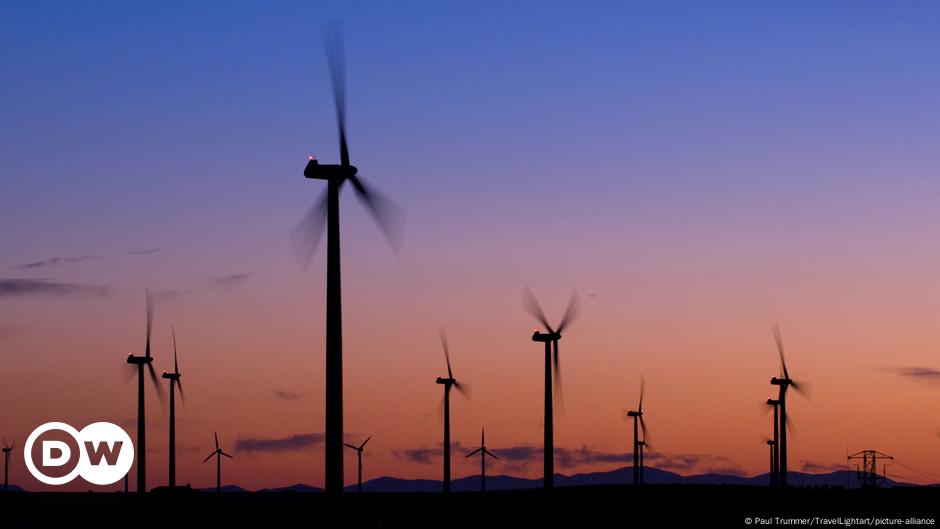
In the rolling hills of southeast Queensland, Australia, farmer and businessman Brent Finlay stands beneath turbines so tall they rival skyscrapers. "There's a lift inside that takes about 12 minutes to go from the bottom to the top," he said, pointing skyward. Forty-five of the giant turbines that now dot his property are part of the massive MacIntyre Wind Farm which will soon generate enough electricity to power 700,000 homes.
When the category-5 storm Hurricane Melissa struck Jamaica in October, its path crossed communities that had varying levels of preparedness. Many with maintained coastal protections, upgraded drainage and reliable early-warning systems had power and water restored in days. Others were immobilized for weeks.
The world spends 30 times more money destroying nature than protecting it. That's according to a new report from the United Nations Environment Programme (UNEP) that exposes a massive gulf between so-called "harmful investments" and financing that promotes nature preservation. The global environment agency's latest "State of Finance for Nature" (SNF) report is calling to phase out the US$7.3 trillion (6.2 trillion) in global investments that damage nature including into high-emissions energy infrastructure and manufacturing, for example.
But as this nascent field grapples with questions of legitimacy, scalability, and accountability, a critical challenge remains: How do we build the infrastructure needed to track, verify, and certify that carbon has actually been removed and stays removed? Meet Hannes Junginger-Gestrich, CEO of Carbonfuture, a company helping define the monitoring, reporting, and verification (MRV) infrastructure that could transform carbon removal from scattered efforts into a functioning ecosystem.