#algorithms
#algorithms
[ follow ]
#social-media #tiktok #data-structures #mental-health #meta #child-safety #misinformation #attention-economy

Psychology
fromSilicon Canals
6 days agoThe real technology problem isn't screen time. It's that your phone learned your emotional patterns faster than any person in your life ever did, and now it meets needs that no human relationship has been given the chance to meet. - Silicon Canals
Phones have become the most emotionally attuned presence in people's lives, affecting their relationships with others.




fromwww.mercurynews.com
1 month agoChemerinsky: Why tech giants shouldn't be liable for creating addictive platforms
Although social media companies are in many ways villains that have not done nearly enough to protect children on their platforms, they nonetheless should not be held liable based on claims that they are creating addictive and harmful online environments. Last week, a trial began in Los Angeles Superior Court in a lawsuit brought by a woman, referred to in documents as Kaley G.M., against tech giants YouTube and Instagram. (TikTok previously settled with her).
Law
fromwww.independent.co.uk
1 month agoOnline child abuse reaches critical level with 1,000 arrests monthly
Mr Jones said offenders are collaborating and co-ordinating their activities on the dark web and using the open web as a discovery platform to identify and abuse vulnerable children. (Getty Images) We were dealing with in the region of 500-800 arrests a few years ago, and we are now dealing with 1,000 arrests and 1,200 (child) safeguards every month. To maintain that means a 24/7 effort by the NCA and colleagues in policing, and that gives you a feel for how the threat has grown.
UK news


fromeLearning Industry
2 months agoAre We Designing Learning For Humans-Or For Algorithms?
Today's eLearning solutions use algorithms for many things, including recommendations for courses, tags for skills, scores for completions, heat maps, and metrics for engagement levels. Anyone interested in eLearning sees learning in new ways; all of those ways are measurable, sortable, and optimizable. We seem to have come a long way in terms of learning. Through data-driven learning, one can increase efficiency, personalize learning, and scale it up.
Online learning


fromenglish.elpais.com
3 months agoDoes someone decide what we listen to? How Spotify's algorithm works and what we know about its real power
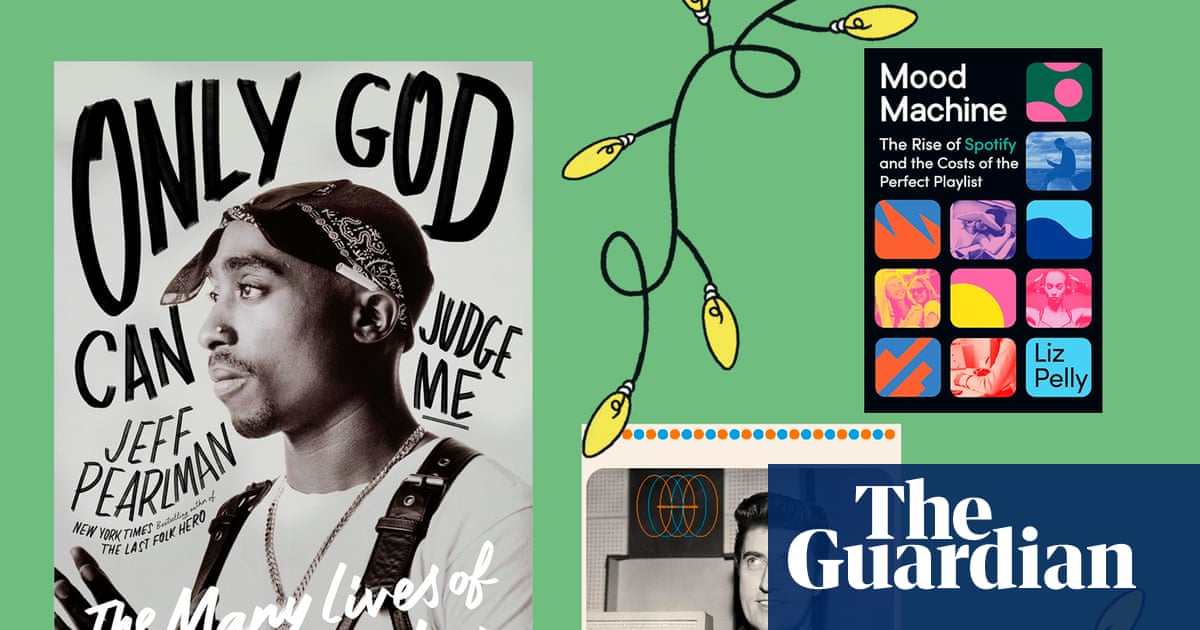
How do we discover new music? It used to be mostly through friends, record stores, and radio. Now, friends, some radio stations, and music platforms still play a role. Spotify's annual wrap-up is an ideal time to see what new music has reached our ears. The European Union is funding a project to audit algorithmic music discovery because it believes there may be bias and a lack of transparency in this process.
Music
fromPsychology Today
4 months agoThe Data Within
It is clean and complete. It captures almost everything I have watched over the last decade, with the exception of a couple of hours of viewing on flights or in hotel rooms. Normally, the algorithm serves up a menu of options that includes something that will satisfy me. And that's the thing about algorithms: They are tuned to normality. They make predictions based on statistical likelihoods, past behavior, and expectations about the continuation of trends.
Data science

LGBT
fromIndependent
6 months agoJenny Maguire: Masculinity is being sold short online - we need to focus on the person, not the 'type'
Masculinity is distorted by algorithm-driven archetypes; individual nuance and lived experience, including hormone therapy, determine identity more than caricatured templates.


Film
fromFast Company
6 months agoHow philanthropist Wendy Schmidt is helping Alex Gibney tell stories that matters-and make sure people hear them.
Independent documentary filmmakers face growing distribution barriers from media consolidation and algorithmic curation, prompting philanthropic investment to preserve audience access.
fromScary Mommy
6 months agoI'm Happily Married... So Why Can't I Stop Watching DivorceTok?
It's become a bit of an inevitability: I'll be scrolling social media at night, as one does, when I stumble upon a drama-filled reel about someone going through a divorce. Then the algorithm does its thing and, before I know it, I'm being served countless #DivorceTok videos. It doesn't matter that I'm happily married - I can't seem to scroll past one of these reels without staying tuned in until the end. Many of my friends report being served (and watching) the same things. Which begs the question: Why are happily married people obsessed with watching breakup content?
Relationships
fromMedium
6 months agoCrack Scala Interviews: 3 Questions Every Spark/Scala Engineer Should Know
When it comes to Scala interviews, the trick isn't just solving problems - it's solving them the Scala way.Interviewers are often less interested in whether you can code something and more curious about how you think, use language features, and write clean functional code. In this article, I'll walk through three interview-style Scala questions. Each question is designed to test a different dimension of your Scala skill set - from string manipulation to functional collections and stack-based problem solving.
Software development
Music
fromConsequence
6 months agoLizzo Says Algorithms Have Left Music Industry "In Shambles," Killed the "Song of the Summer"
Music industry fragmentation and algorithm-driven distribution have eroded centralized cultural moments like a universal Song of the Summer, altering artists' control and career strategies.


NYC real estate
fromSFGATE
10 months ago9 States Are Suing Landlords Over Rent-Setting Algorithms
Algorithms may have contributed to rising rents through collusion among landlords using rental management software.
A lawsuit alleges that RealPage facilitated coordination of rental prices, harming renters and reducing competition.
[ Load more ]