#alien-creatures
#alien-creatures
[ follow ]
#nasa #extraterrestrial-life #space-exploration #ufos #artemis-ii #astrobiology #area-51 #conspiracy-theories #mars
#nasa



Science
fromLondon Business News | Londonlovesbusiness.com
3 hours agoNASA astronauts capture first human view of Moon's 'dark side' - London Business News | Londonlovesbusiness.com
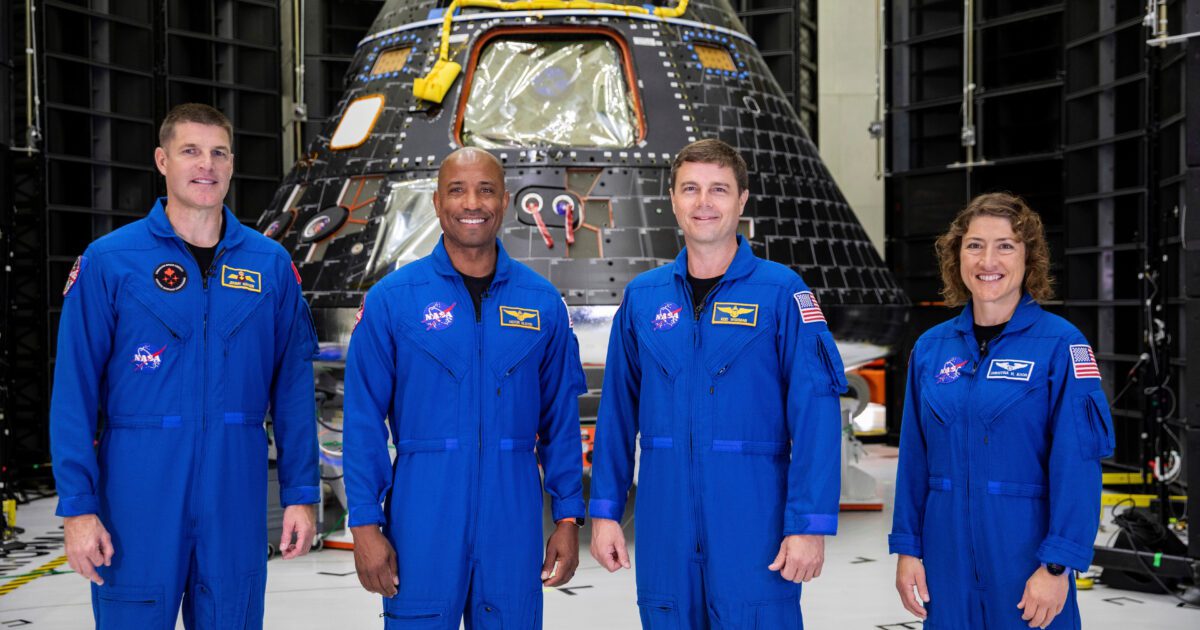
NASA's Artemis II crew captured the first human images of the Moon's far side, specifically the Orientale basin, previously unseen by human eyes.

fromInverse
3 days ago'Project Hail Mary's' Relativity Problem Is More Complicated Than You Think
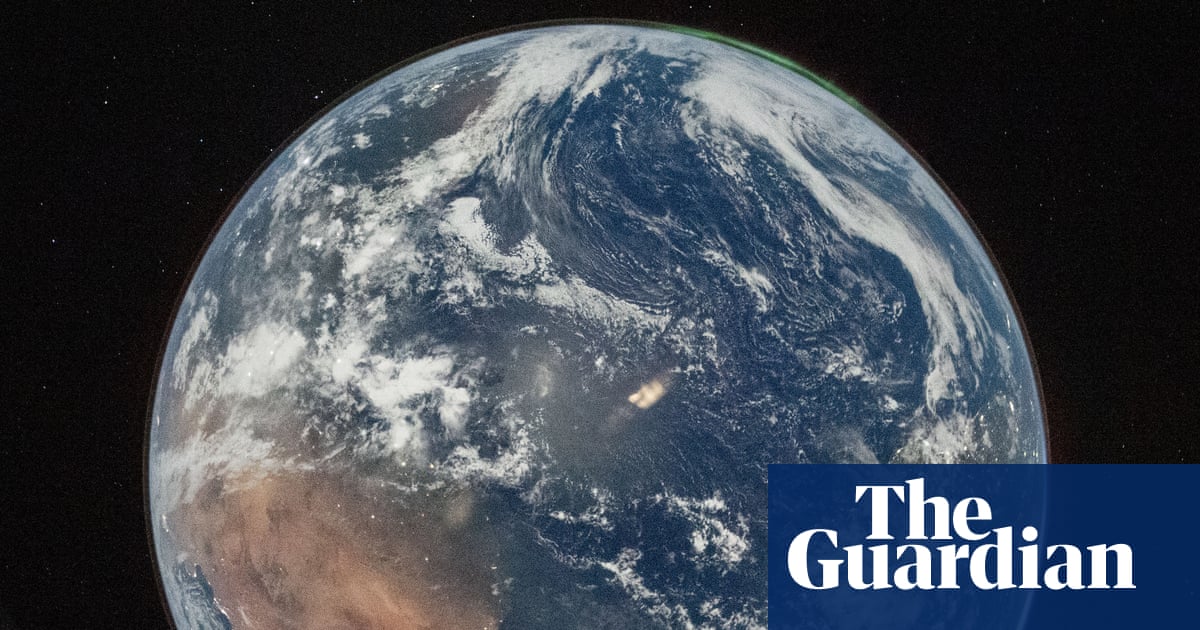
"I've done a lot of time-dilated travel." This statement encapsulates the essence of Grace's journey, highlighting the profound effects of traveling at speeds approaching light, where time for the traveler slows down significantly compared to those remaining on Earth.
OMG science





fromInverse
3 weeks agoThe Bizarre Real-Life UFO Story That Inspired Steven Spielberg's 'Disclosure Day'
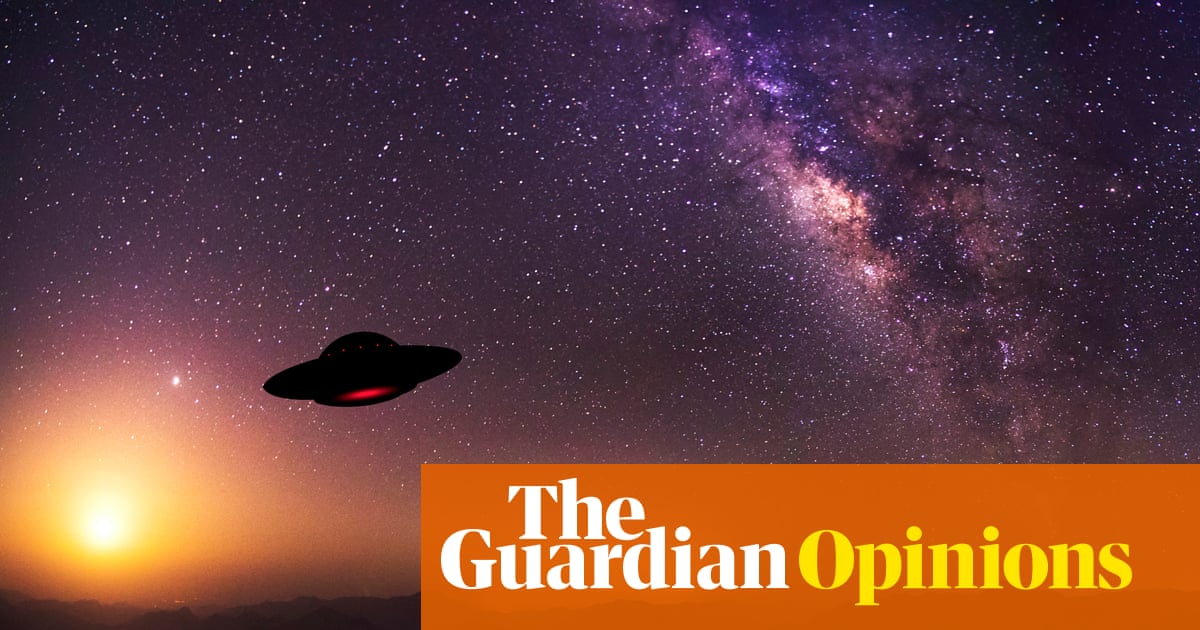
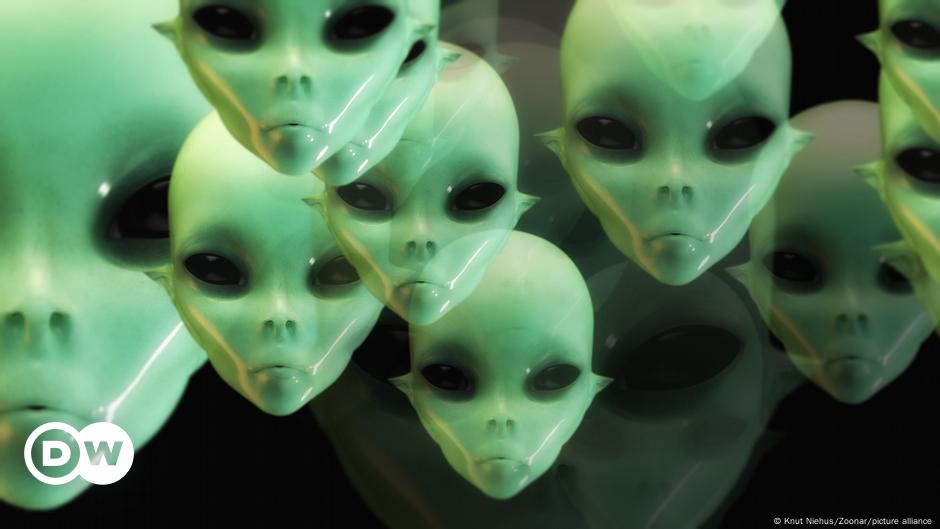
I don't know any more than any of you do, but I have a very strong suspicion that we are not alone here on Earth right now. And I made a movie about that! This statement reflects Spielberg's public acknowledgment of his belief in extraterrestrial presence on Earth, marking a significant departure from his previous reluctance to discuss such convictions.
Independent films
fromArs Technica
2 weeks agoWe keep finding the raw material of DNA in asteroids-what's it telling us?
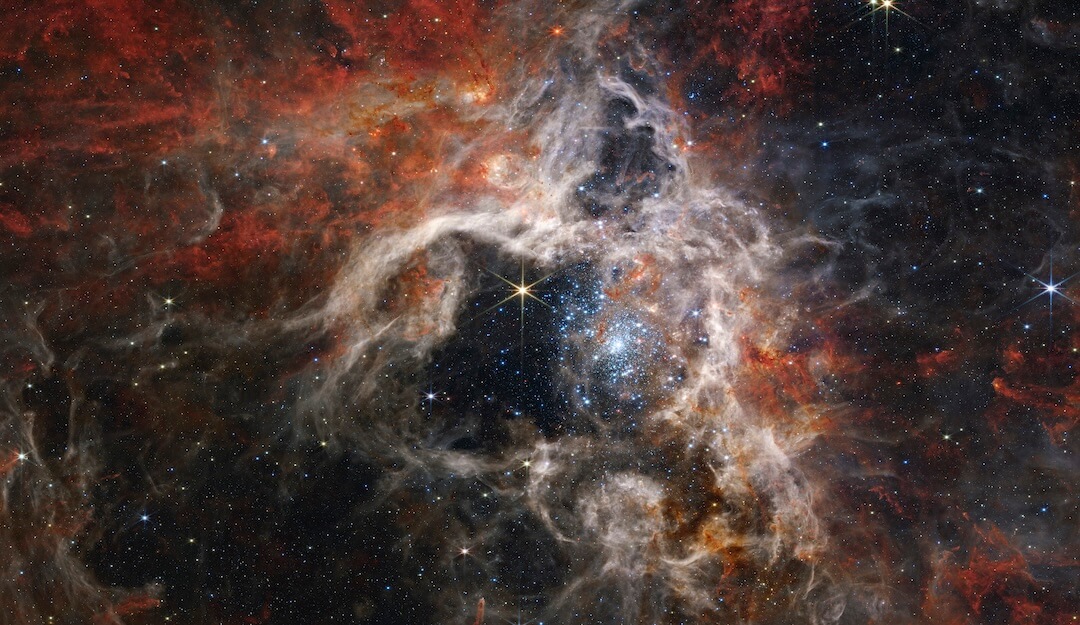
The new work was less notable for showing that we had found these bases in Ryugu than for solving a previous mystery: earlier studies had failed to detect them there, despite their presence in many other asteroid samples.
OMG science




#uap-disclosure
OMG science
fromPsychology Today
3 weeks agoWill Unidentified Anomalous Phenomena Disclosure Shock Humanity?
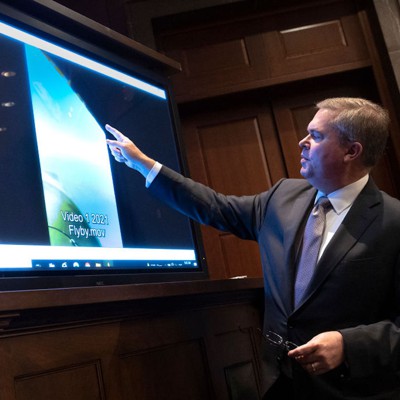
President Trump's 2026 directive to release government UAP files could fundamentally challenge human worldviews if they confirm nonhuman intelligence, triggering psychological responses ranging from curiosity to existential distress.

fromPsychology Today
2 months agoDo Aliens from Other Planets Also Believe in Gods?
My prediction is based on only two assumptions. First, our visitors from space can die; they are not immortal. Second, they care about each other. When one of their own dies, they mourn them, just as humans do. These assumptions, I think, will have led these aliens to invent gods and a belief in the afterlife. Belief in the afterlife, where we defeat death and are reunited with loved ones who have died, is the basis of all past and current religions.
Philosophy
OMG science
fromFuturism
4 weeks agoScientists Find Microbes Can Survive Traveling from Planet to Planet While Clinging to Asteroids
Extremophile bacteria can survive extreme pressures simulating asteroid impacts, supporting the possibility that microorganisms could travel between planets via panspermia.
fromArs Technica
1 month agoWhy would Elon Musk pivot from Mars to the Moon all of a sudden?
"For those unaware, SpaceX has already shifted focus to building a self-growing city on the Moon, as we can potentially achieve that in less than 10 years, whereas Mars would take 20+ years," Musk wrote, in part.
Tech industry
OMG science
fromwww.scientificamerican.com
1 month agoBlast off! Martian microbes might travel between worlds on asteroid-impact debris
Deinococcus radiodurans, an extremophile bacterium, can survive extreme pressures from asteroid impacts on Mars, suggesting potential for microbial life dispersal across the solar system.
fromMail Online
2 weeks agoHumanity receives mysterious 'mega-laser' signal from unknown source
This system is truly extraordinary. We are seeing the radio equivalent of a laser halfway across the universe. This galaxy acts as a lens, the way a water droplet on a window pane would, because its mass curves the local space-time. So we have a radio laser passing through a cosmic telescope before being detected by the powerful MeerKAT radio telescope.
Science
US politics
fromwww.scientificamerican.com
1 month agoTrump's order to release evidence for aliens obscures the scientific search for extraterrestrial life
President Trump ordered the Department of Defense and federal agencies to identify and release government files on UAPs, UFOs, and extraterrestrial-related materials.
Science
fromFuturism
3 weeks agoSomething May Be Scrambling Alien Messages, NASA-Funded Research Finds
Space weather phenomena near alien planets could broaden and scatter extraterrestrial signals across multiple frequencies, making them undetectable by current SETI searches focused on narrow frequency bands.
fromTheregister
3 weeks agoSETI admits its search for ET may be too narrowly focussed
If a signal gets broadened by its own star's environment, it can slip below our detection thresholds, even if it's there, potentially helping explain some of the radio silence we've seen in technosignature searches. This statement from Dr. Vishal Gajjar highlights how stellar environmental factors may cause detectable signals to become invisible to current SETI instruments.
Science
fromMail Online
1 month agoAliens could be CATAPULTED onto Earth via an asteroid, study claims
We found that life is more likely to survive an asteroid impact, so it's definitely still a real possibility that life on Earth could have come from Mars. Maybe we're Martians! The idea that life could have spread through the solar system or even the universe on rocks is known as the lithopanspermia hypothesis.
Science





fromwww.scientificamerican.com
1 month agoCould aliens in another galaxy see dinosaurs on Earth?
For example, reader David Erickson had this on his mind: If there were aliens 66 million light-years from Earth, how big a telescope would they need to see dinosaurs? Ha! I love this question. I've thought of it myself but never worked out the mathexcept to think, Probably pretty big, which turns out to dramatically underestimate the actual answer.
Science
Science
fromFuturism
1 month agoIf Scientists Ever Find Strong Evidence of Alien Life, Communicating It Will Pose Serious Issues
Communicating a confirmed detection of extraterrestrial life will be extremely difficult due to ambiguous data, cultural preconceptions, moral and religious implications, and public fear.
fromFuturism
2 months agoGalactic Monsters Grew in Cocoons Like Giant Bugs, Scientists Say
How the most massive objects in the universe first formed is one of the biggest headscratchers in astrophysics. With more advanced telescopes, astronomers have found fully formed galaxies and colossal black holes earlier and earlier in the cosmos, just a few hundred million years after the Big Bang. This shouldn't be enough time for these structures to reach their incredible size; to astronomers, it's like stumbling on a fully-grown oak tree that's only a year old.
Science
[ Load more ]