#amiri-baraka
#amiri-baraka
[ follow ]
#jesse-jackson #civil-rights #black-history-month #racial-justice #toni-morrison #political-activism
Brooklyn
fromBrooklyn Paper
2 weeks ago'Looking for Terry' exhibition examines stop-and-frisk history and reclaims Black identity in Bed-Stuy * Brooklyn Paper
Black artists reclaim their narrative beyond surveillance and criminality through 'Looking for Terry,' challenging decades of discriminatory policing practices rooted in the 1968 Terry v. Ohio Supreme Court ruling.
Independent films
fromwww.theguardian.com
2 weeks agoOrwell went off to fight. I thought I'd have to do the same': Raoul Peck on his intimate connection with the writer
Raoul Peck, a Haitian-born filmmaker known for examining intellectual history and power structures, found unexpected relevance in George Orwell's work despite initial skepticism.
NYC music
fromwww.amny.com
2 weeks agoHere are 10 great ways to celebrate poetry in NYC for World Poetry Day | amNewYork
New York City offers multiple venues hosting poetry events throughout March and April, including open mics, slams, and readings at locations like Bowery Poetry Club, The Music Inn, and Brooklyn Poets.
Miscellaneous
fromLGBTQ Nation
3 weeks agoThe Black lesbian poet & activist who preached intersectionality before the word even existed - LGBTQ Nation
Pat Parker's poetry insisted that race, gender, sexuality, and class were inseparable forces shaping Black lesbian experience and American political life.
fromThe Nation
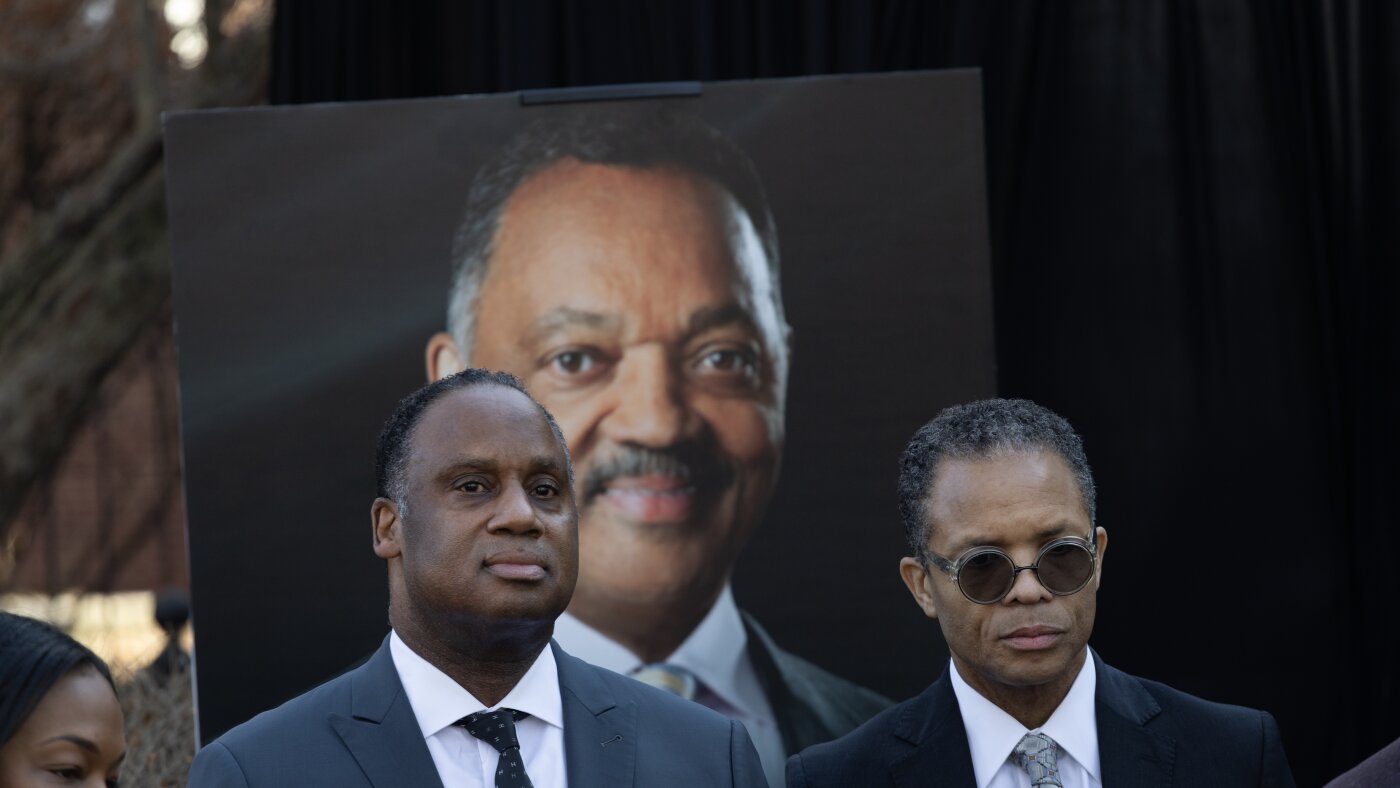
3 weeks agoJesse Jackson Jr. Summons His Father's "Consistent Prophetic Voice"
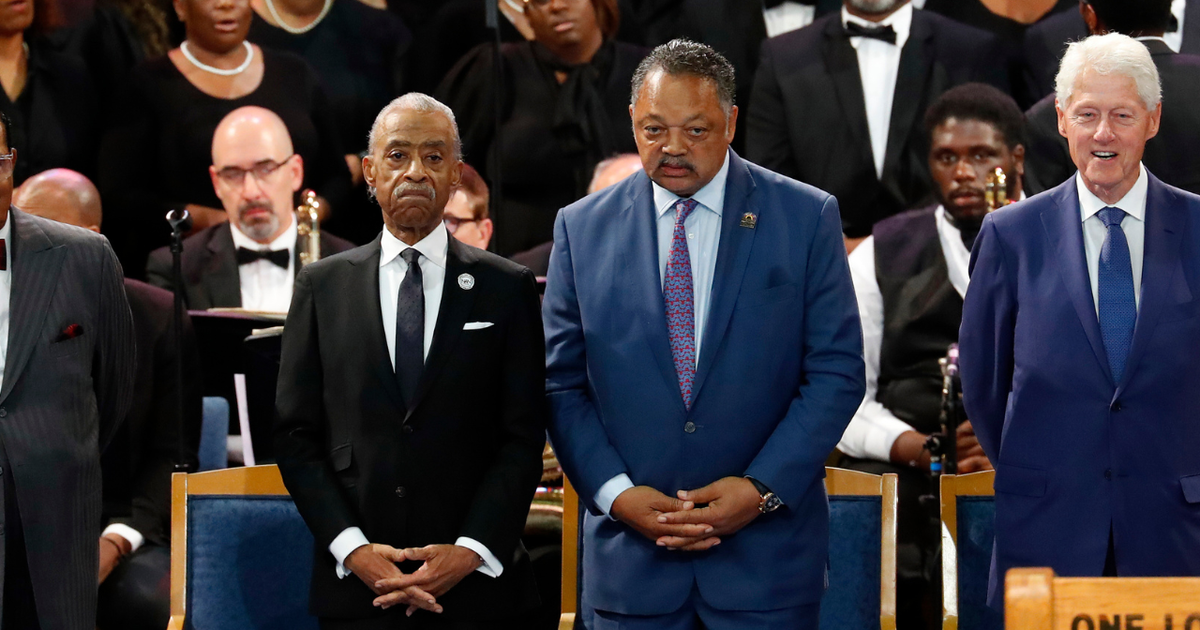
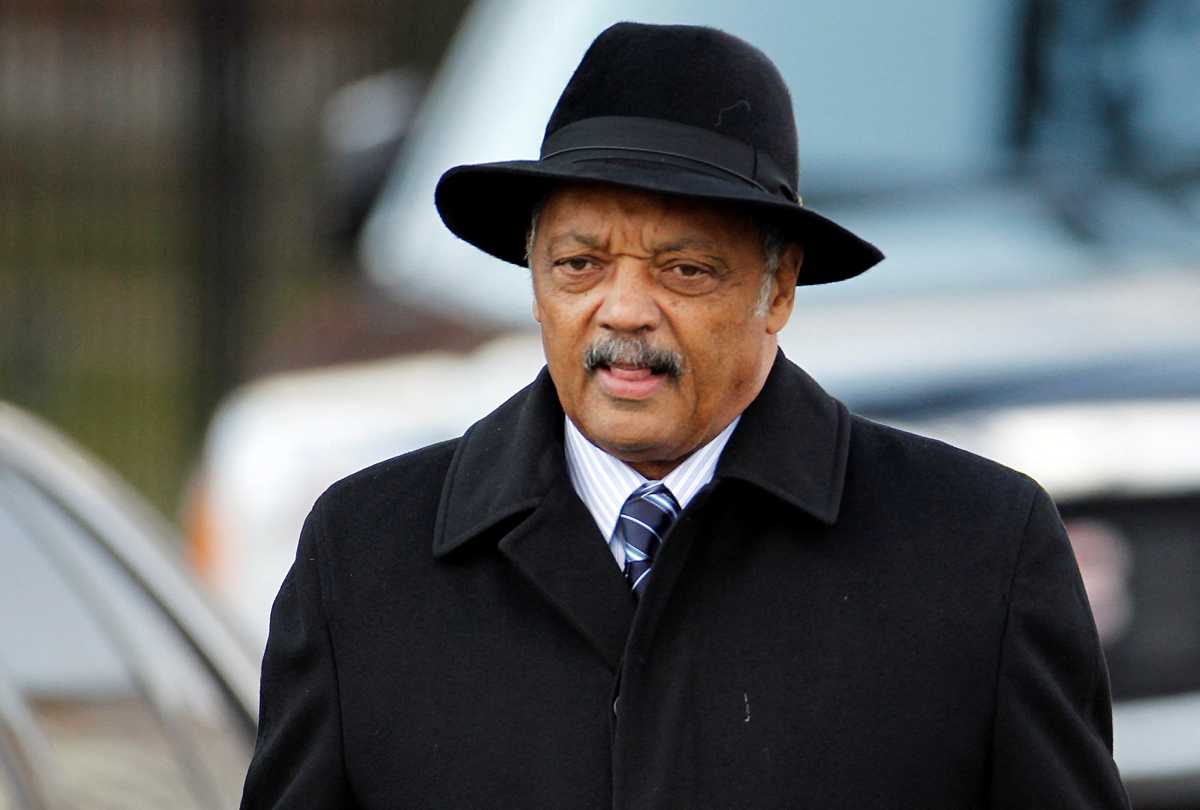
Jackson Jr. recognized the full scope and character of his father's mission as the country preacher who brought "a consistent prophetic voice" to struggles for economic and social and racial justice, and peace, over the course of more than six decades in the public eye.
Chicago
fromwww.mediaite.com
3 weeks agoJesse Jackson's Son Swipes at Obama and Biden After Politically-Charged Eulogies: They Do Not Know Jesse Jackson'
He maintained a tense relationship with the political order, not because the presidents were White or Black, but the demands of our message, the demands of speaking for the least of these—those who are disinherited, the damned, the dispossessed, the disrespected—demanded not Democratic or Republican solutions, but demanded a consistent, prophetic voice that at no point in time sold us out as a people.
Left-wing politics

Social justice
fromenglish.elpais.com
4 weeks agoTa-Nehisi Coates, writer: Obama never understood how deep-seated racism is in the country that elected him'
Ta-Nehisi Coates uses on-the-ground reporting across Africa, the American South, and Palestine to expose how official narratives obscure truth and marginalize voices.

NYC politics
fromTheGrio
1 month agoNYC Mayor Mamdani apologizes for excluding Black Americans in previous 'city built by immigrants' comments
New York Mayor Zohran Mamdani acknowledged overlooking Black Americans' contributions to building New York City while emphasizing immigrant contributions, and apologized for the exclusionary framing.
fromwww.mediaite.com
4 weeks agoObama Honors Jesse Jackson at His Funeral: Rose Above Despair and Kept That Righteous Flame Alive'
When the optimism of the early movement had begun to fade, and leadership had begun to fracture, and when the country seemed to have grown bored, gotten weary of the idea of justice and equality, and moved on to other concerns, Obama said, Reverend Jackson rose above despair, and kept that righteous flame alive.
Left-wing politics


fromwww.theguardian.com
3 weeks agoAct Black: posters of Black Americans on stage and screen in pictures
Many of these posters are the only surviving proof of certain shows, with no recordings of plays, and certain films, having been lost over time. They offer a history of Black Americans trying to counter harmful stereotypes and provide vital and humanizing contributions to a growing Black culture.
Arts

NYC politics
fromNew York Amsterdam News
1 month agoElders honored at 61st Commemoration of Malcolm X at The Shabazz Center
Over 100 people gathered at the Malcolm X and Dr. Betty Shabazz Center for the 61st Commemoration, honoring elders and Malcolm's legacy through action and community strengthening.
US politics
fromTruthout
1 month agoAs the Status Quo Shatters, Afrofuturists' Visions Offer a Way Forward
State violence has expanded beyond Black communities to target white protesters, journalists, and politicians, while right-wing authoritarianism threatens multiracial democracy and prompts reimagining of Black freedom beyond the United States.
fromLGBTQ Nation
1 month agoThese oft-overlooked icons show why Black queer history still matters (now more than ever) - LGBTQ Nation
Black History Month is a time to acknowledge and celebrate the achievements and courageous acts of people of African descent in the United States and around the world. This year, Black History month celebrates its 100th anniversary. And yet, Black History Month has failed to fully acknowledge or celebrate the contributions of Black LGBTQ+ people. Just as Pride Month remains overwhelmingly white in its representation, Black History Month continues to be deeply homophobic in its omissions.
LGBT
Arts
fromwww.7x7.com
4 weeks agoSpring Arts 2026: Black Panther Artist Emory Douglas, 'Macbeth' Reimagined, Ravi Shankar + More
Bay Area cultural venues showcase diverse programming including Hong Kong cartoonist Justin Wong's U.S. debut, Monet's Venice paintings, and Shakespearean theatrical adaptations.
fromHarper's BAZAAR
1 month agoDance Theater of Harlem Is Bringing Back Firebird . It's Never Felt More Timely.
First performed in 1910 by Serge Diaghilev's Ballets Russes and adapted by George Balachine for New York City Ballet in 1949, Firebird was inspired by a Russian folk tale. The ballet tells the story of Prince Ivan, who captures the firebird, a creature who is part bird, part woman, and then lets her go.
NYC music
NYC music
fromBillboard
1 month agoMiguel Leads 'ICE Out' Chant at NYC Show: 'In Solidarity With the People'
Miguel performed a politically charged concert at Radio City Music Hall, featuring anti-ICE messaging and calling for solidarity against the Trump administration's immigration enforcement policies.
fromThe Art Newspaper - International art news and events
1 month ago'If a work is meant to be mine, there's always time': Mashonda Tifrere on the art she collects and why
While taking a break from her musical career, Tifrere founded the nonprofit organisations ArtLeadHER and Art Genesis in 2016. ArtLeadHER provides visual-arts education and exhibition opportunities to women and teenage girls, while Art Genesis helps organise shows for emerging and underrepresented artists.
Arts
fromHigh Country News
1 month agoHow community organizers are amplifying Oregon's Black music history - High Country News
When Norman Sylvester was 12, long before he garnered the nickname "The Boogie Cat" or shared a stage with B.B. King, he boarded a train in Louisiana and headed west, toward the distant city of Portland, Oregon. He'd lived all his life in the rural South, eating wild muscadine grapes from his family's farm, fishing in the bayou and churning butter at the kitchen table to the tune of his grandmother's gospel singing.
Social justice
fromThe Oaklandside
2 months agoThis week in Oakland: A closing reception for the Black Panther Museum's inaugural exhibit, and an authors series at the library
We are kicking off 2026 with two events to keep you on the dance floor. If you like to move to the sounds of cumbia and salsa, Eli's and Mad Oak are where you need to be. The Eli's event is a one-off, but you can become a regular at the salsa night at Mad Oak, which takes place three times a month.
East Bay (California)
fromsfist.com
1 month agoField Notes: BART Poetry, Revolutionary Black Panther Art, and from Rural Alaska to the Super Bowl
On a daily ride between San Leandro and the Mission, a young poet found her page in motion. Sehinne's poem earned a rare sweep of nine-or-higher scores at the 2025 Brave New Voices festival, helping Team Youth Speaks Bay Area take first place. In the piece, the train becomes a steady, slightly offbeat presence part family member, part witness a place where writing happens in stolen minutes between stations.
Arts
US politics
fromABC7 San Francisco
1 month agoBay Area leaders remember Rev. Jesse Jackson as pioneer and human rights champion
Jesse Jackson broadened American equality, built multiracial coalitions, led civil-rights organizations, and ran historic presidential campaigns that reshaped Democratic politics.
Brooklyn
fromBrooklyn Paper
2 months agoMamdani pledges to bring equity to 'deeply unequal' New York City during MLK Day celebration at BAM * Brooklyn Paper
Higher taxes on wealthy New Yorkers are needed to fund childcare, improve transit, and reverse policies that displaced Black families and deepened urban inequality.
US politics
fromwww.mediaite.com
1 month agoHakeem Jeffries Blasts Randy Fine as Disgusting and Unrepentant Bigot' in Scathing Statement
Hakeem Jeffries condemned Randy Fine's Islamophobic remark, denounced Republican silence, and vowed Democratic accountability if control of the House changes in November.
fromBustle
1 month agoThe 10 Best New Books By Black Authors
From brilliant new voices to seasoned icons, many of the past year's breakout works are by Black authors. In June, Great Black Hope, a coming-of-age story reckoning with privilege and belonging, made first-time author Rob Franklin a household name. And in July, Stephanie Wambugu's gorgeous debut novel Lonely Crowds, which explores the intimacy and frustration in the relationship between two lifelong friends, climbed bestseller lists.
Arts


Books
fromwww.npr.org
2 months agoPoet Rachel Eliza Griffiths says she won't let pain be 'the engine that drives the ship'
Rachel Eliza Griffiths experienced dissociative episodes and memory blackouts after her best friend's death and during subsequent trauma, and she chronicled these experiences in a memoir.
fromThe Atlantic
2 months agoOne of Our Own
For Lowell There are things which, said and true, are of this generation's past; of fighting freedom's battles and of taking off the mask- stories of the actions taken, to blot out the blights of sin, how heroes and the valorous fought their enemies within, Would we be traitors to our bugle, which beckons with its call? - They won freedom for their people but in fine print said: be damned.
US politics
fromHyperallergic
2 months agoThe African Diaspora Pictures Itself
Walking through Ideas of Africa: Portraiture and Political Imaginationat the Museum of Modern Art, I noticed that the exhibition didn't have definite sections or texts, and the wall labels abstained from naming the nationalities of the photographers. It was an invigorating experience to be in a show that eschews geographic boundaries set up by Western nations, as well as rejects a cause-and-effect narrative that centers Western colonialism as a framework for understanding African aesthetic production.
Arts
[ Load more ]