#amputee-running
#amputee-running
[ follow ]
#winter-paralympics #running #athletics #rehabilitation #injury-prevention #self-defense #cornhole-player
fromTNW | Startups-Technology
1 day agoWearable Robotics raises 5M to expand its arm exoskeleton
The ALEX RS is a bilateral upper-limb exoskeleton designed for post-stroke rehabilitation, covering 92% of the human arm's natural range of motion and is CE certified as a Class IIa medical device.
European startups
Travel
fromTravel + Leisure
4 hours agoMy Sister Was Born With Cerebral Palsy-but It Doesn't Stop Us From Creating Family Travel Memories
Travelers with disabilities can enjoy enriching experiences through accessible travel initiatives, as demonstrated by Lakshmee Lachhman-Persad's journey with her sister.
fromwww.theguardian.com
12 hours agoWild west' reformer pilates boom is causing rise in injuries, experts warn
The boom in reformer pilates has created a wild west of studios where poor regulation has resulted in inexperienced teachers and a rise in injuries, professional standards bodies have warned.
Exercise
fromAlternative Medicine Magazine
1 day agoWhat You Do After Training Matters More Than You Think
After a tough workout, your body enters a state of stress: muscle fibers are damaged, energy stores are depleted, and hydration levels drop. This is a critical moment. If your body gets the right nutrients, it starts rebuilding immediately. If not, recovery slows down, and so does progress.
Alternative medicine
fromSherdog
1 day agoEx-UFC champ shatters nose in training, elects against corrective surgery
"What a good day, and what a stupid accident...again. Five years after [my previous nose break], my nose is f---ed up even worse [laughs]. As you see, it's even more cracked the same direction, and when I touch [my nose], my bones are broken inside."
MMA
fromWIRED
1 day agoGarmin's Latest Training Features Fend Off the Advances of the Apple Watch
Food logging can be done in a few ways, including searching a database, scanning barcodes, or using AI-based camera analysis. Simpler items like eggs and fruit are identified well, but complex meals can be frustrating due to lighting and AI limitations.
Wearables
London
fromwww.theguardian.com
1 week agoCycling, crystals and cutting-edge science: the secrets of Hodgkinson and Hunter Bell's success
Keely Hodgkinson and Georgia Hunter Bell's success at the World Indoor Championships inspires hope for increased youth participation in athletics, especially among girls.
#transgender-athletes
LGBT
fromLGBTQ Nation
4 days agoTransmasc trio places third at Ironman triathlon: "I felt my inner child just explode out of me" - LGBTQ Nation
Transmasculine athletes celebrated their achievements while addressing discrimination against trans individuals in sports after the IOC's ban on transgender women.
fromdesignboom | architecture & design magazine
4 days agobody agency and the ways wearable devices let people regain control of their physical forms
Body agency is a power returned after an incident took it away from the user's physical form, and some wearable devices and technologies have this exact goal in mind.
Wearables
Women in technology
fromFuturism
2 weeks agoThis Video of a Humanoid Robot Playing Perfect Tennis Is Extremely Impressive
Chinese company Galbot developed software enabling a Unitree G1 humanoid robot to play tennis with sustained rallies, millisecond reactions, and precise ball striking against human opponents.
#winter-paralympics


Skiing
fromwww.npr.org
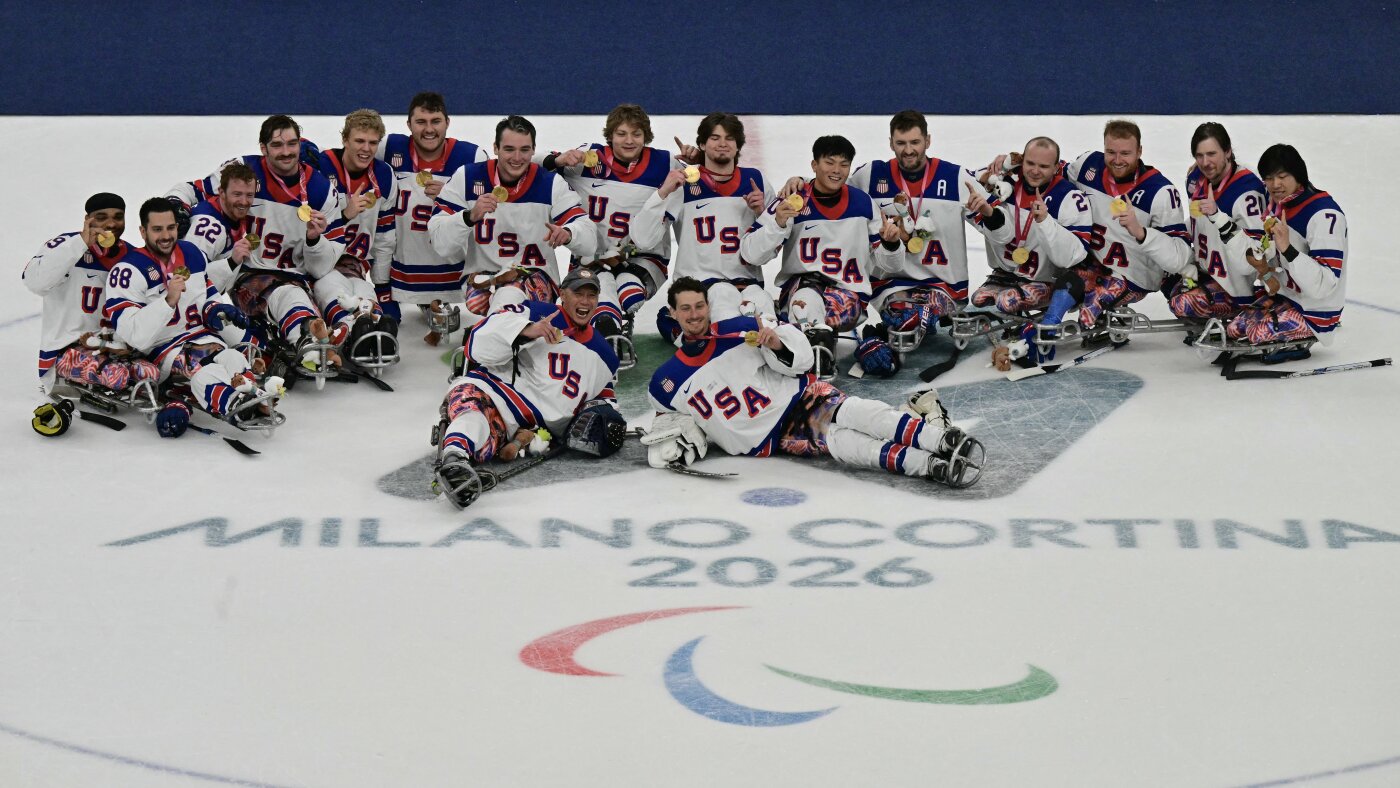
2 weeks agoTeam USA dominated the Paralympics on both ice and snow. Check out the highlights
Team USA finished second in overall Paralympics medal count with 24 total medals including 13 gold, improving from fifth place in 2022, highlighted by the sled hockey team's record fifth consecutive gold medal.
Skiing
fromwww.theguardian.com
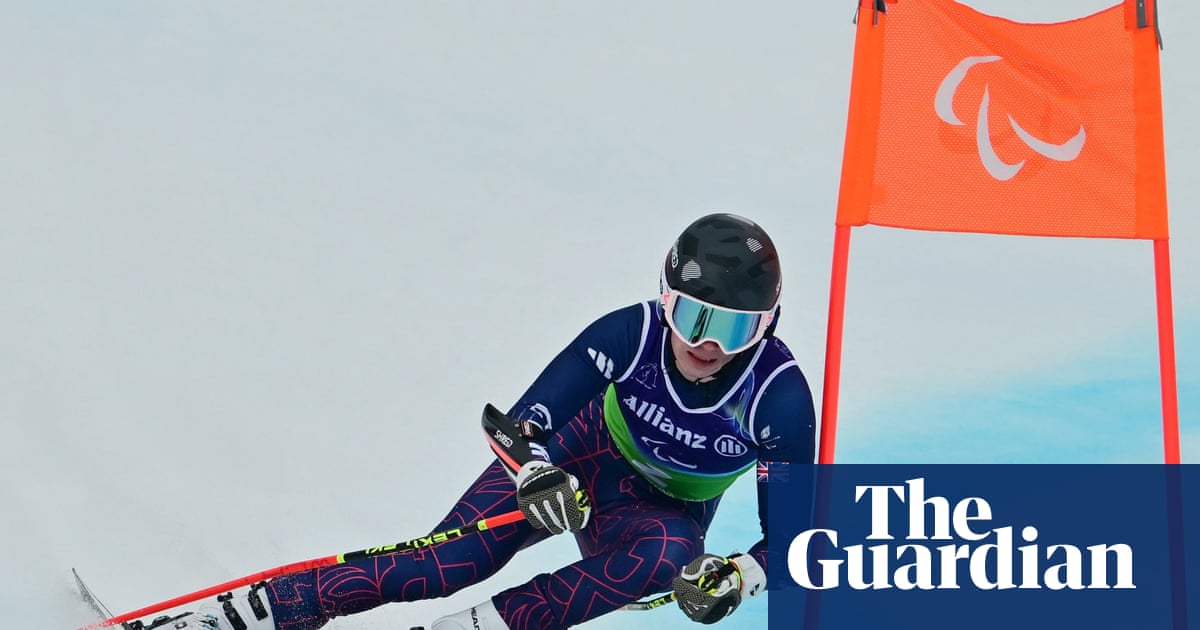
2 weeks agoBritain to raise Winter Paralympic targets after finishing Games with solitary medal
UK Sport will raise performance targets for the 2030 Winter Paralympics after Great Britain won only one silver medal at Milano-Cortina, prompting a review of the British winter Paralympic programme's future direction and efficiency.
Skiing
fromwww.theguardian.com
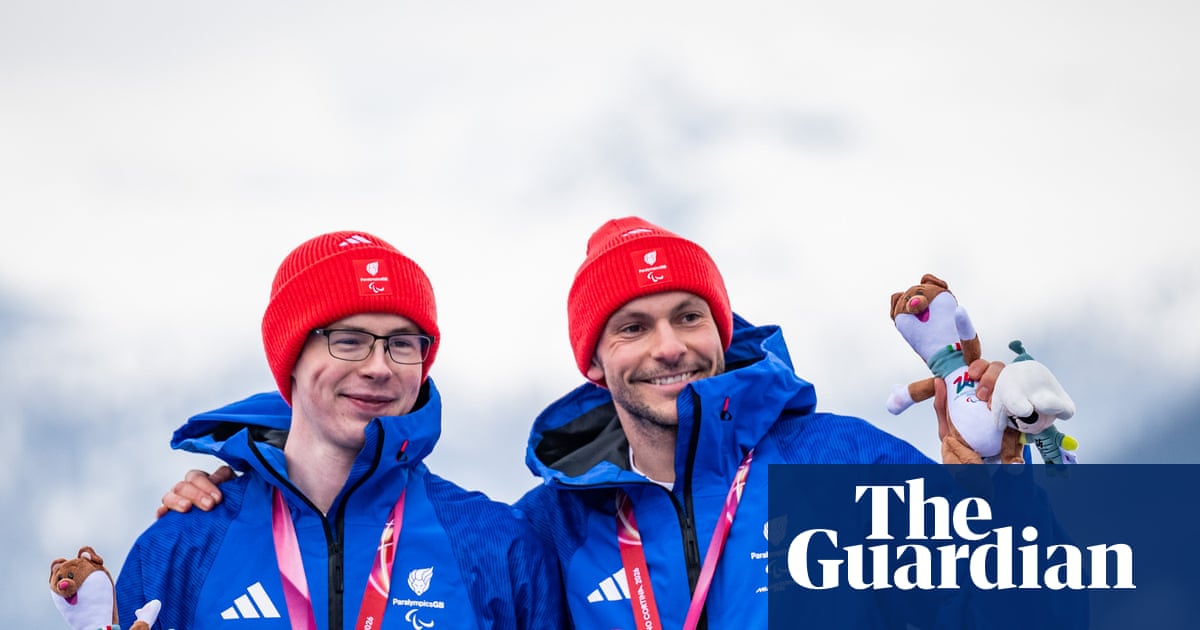
3 weeks agoTrust at 100km/h: how Bluetooth bond helps skier Neil Simpson defy blindness
Neil Simpson and guide Robert Poth won silver for Great Britain in visually impaired alpine skiing at the Winter Paralympics, with Simpson competing despite nystagmus through constant communication via Bluetooth headset.
#paralympic-athletics
Skiing
fromBusiness Insider
2 weeks agoI'm representing Team USA in the Paralympics. It feels like the world is finally paying attention to us.
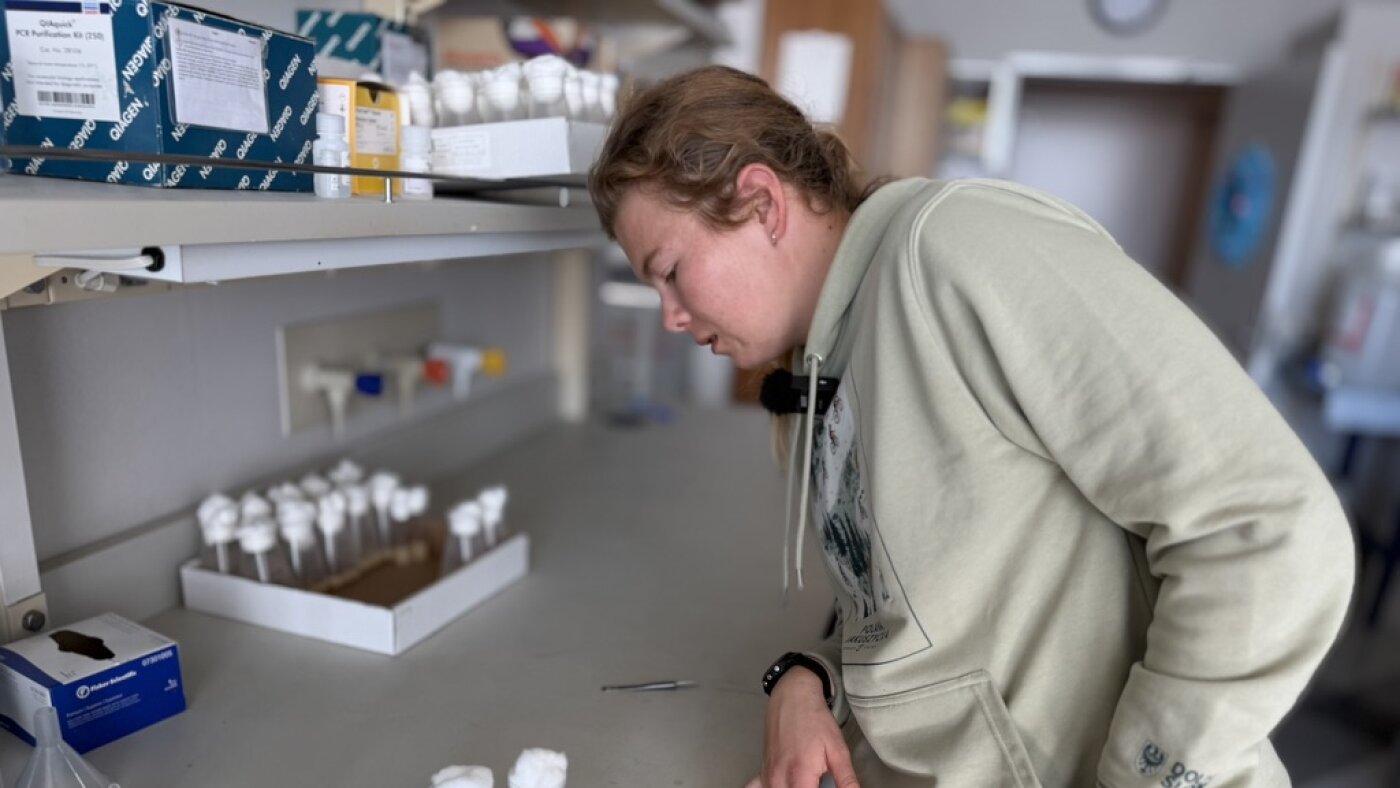
Dani Aravich discovered the Paralympics through her NBA job, leading her to pursue competitive track and field and cross-country skiing for Team USA after learning she qualified for a disability classification.
Skiing
fromBusiness Insider
2 weeks agoI'm representing Team USA in the Paralympics. It feels like the world is finally paying attention to us.
Dani Aravich discovered the Paralympics through her NBA job, leading her to pursue competitive track and field and cross-country skiing for Team USA after learning she qualified for a disability classification.
fromwww.theguardian.com
2 weeks agoOpioid addiction almost destroyed me then I became a top marathon runner
The Percocet dulled his foot pain and also his anxiety. Rideout was used to alcohol and cocaine, but this was different. He felt happy, confident and optimistic. He returned to the podiatrist for more pills. Then more. Soon he was altering the prescriptions manually, changing a seven into a two and adding a zero, before targeting smaller pharmacies that wouldn't run verification checks.
Medicine
fromwww.theguardian.com
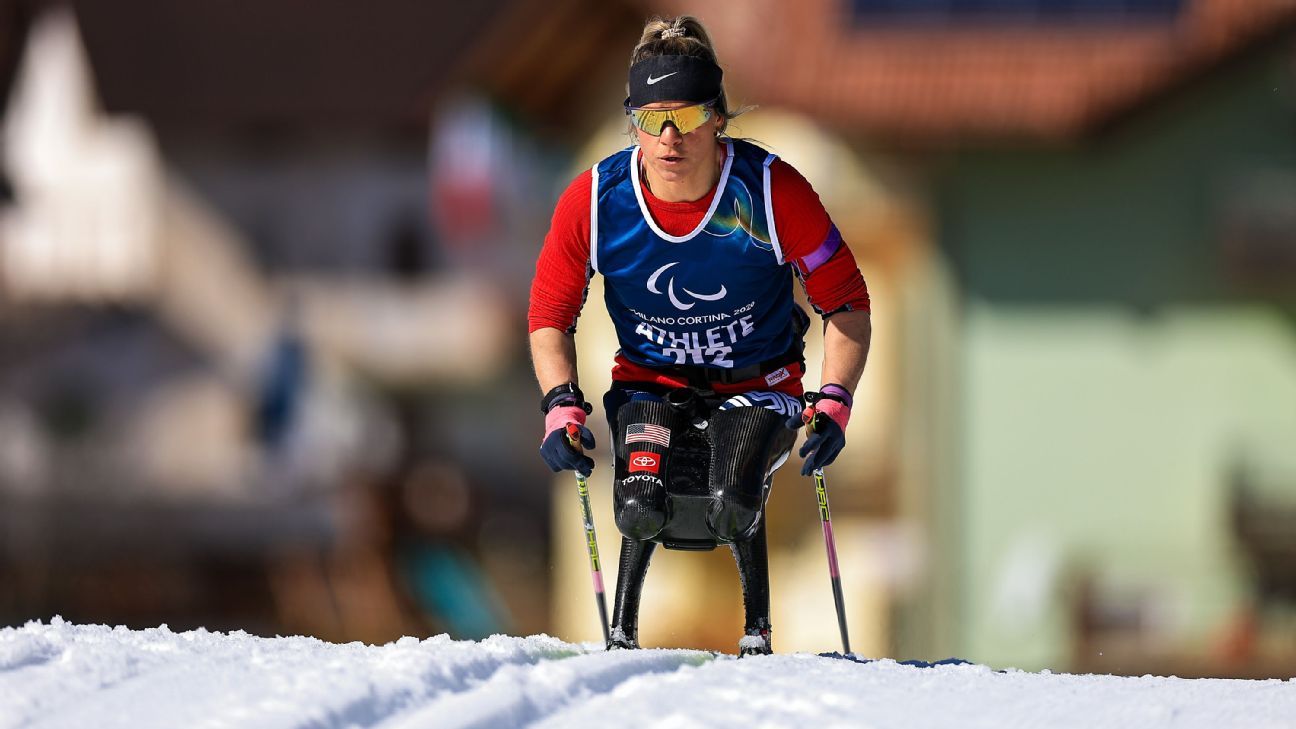
5 days agoThe first London marathon: brave and personal triumphs archive, 1981
Inge Simonsen, a 27-year-old Norwegian, officially won the first London marathon in 2 hours 11 minutes 48 seconds yesterday, the fastest time recorded in Britain for 11 years, watched by an estimated 100,000 people.
Running
fromInsideHook
1 month agoAre You in Alignment? How to Unlock Pain-Free Movement.
The brain is the conductor of the orchestra, the muscles are the instruments. When your body is out of alignment, the orchestra is playing out of tune. Misalignment in the musculoskeletal system is frequently the root cause of chronic pain and the resulting poor posture.
Health
Running
fromiRunFar
3 weeks agoMany Small Leaps for Runnerkind: Wondering About Non-Linear Improvement in Running
Runners experience breakthrough moments where performance suddenly improves, often after returning to regular training or during consistent improvement phases, driven by accumulated physiological adaptations.
fromiRunFar
3 weeks agoAI-Powered Optimization: New Frontiers in Peak Running Performance
Super shoes and ultralight gear make a difference, but with new advancements in artificial intelligence (AI) that can look at our running form and compare it to the ideal, analyze our nutrition intake from a simple photo and help us plan our diets, and offer guidance on training and recovery, the interwovenness of technology and running is only set to increase.
Running
fromWIRED
2 months agoWe Strapped on Exoskeletons and Raced. There's One Clear Winner
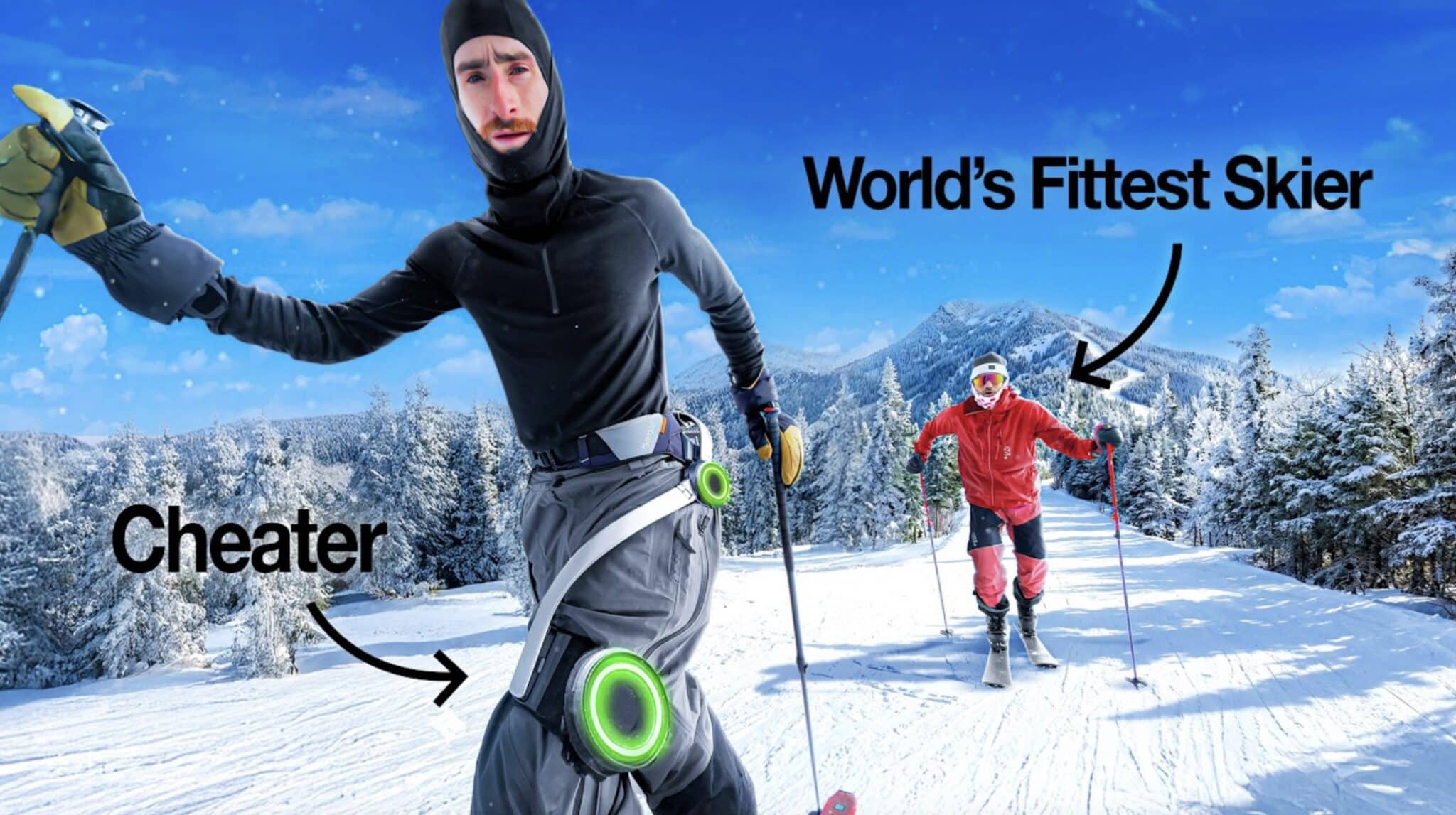
An exoskeleton is a relatively new class of wearable device designed to enhance, support, or assist human movement, strength, posture, or even physical activity. The main piece goes around your waist like a belt, and from it, a pair of hinged, mechanized splints extend down over the hips to strap onto each thigh, where they provide some robotic assistance to normal movements like walking, running, or squatting.
fromStrength Running
1 month agoCross Training and Running: How to Add Other Sports to Your Training - Strength Running
Cross training and running go together like peanut butter and jelly. If you build it into your schedule intentionally, strategically, and with a clear understanding of what you're trying to accomplish, you'll thrive. Megan makes the case that cross-training serves runners for several distinct reasons, and the right reason for you will shape how you approach it.
Running
fromwww.scientificamerican.com
2 months agoHeal your injuries faster using motion as the new potion
When you have an acute injury, your body is sending signals through the peripheral and central nervous systems and the immune system to say, hold on, I need to stop doing this so we can allow the tissue to heal, says Ericka Merriwether, a physical therapist and pain researcher at New York University. Rest, after all, is the first part of the familiar RICE therapy, which stands for rest, ice, compression and elevation.
Health
fromiRunFar
1 month agoUnderstanding and Improving Hip Efficiency, Part 1
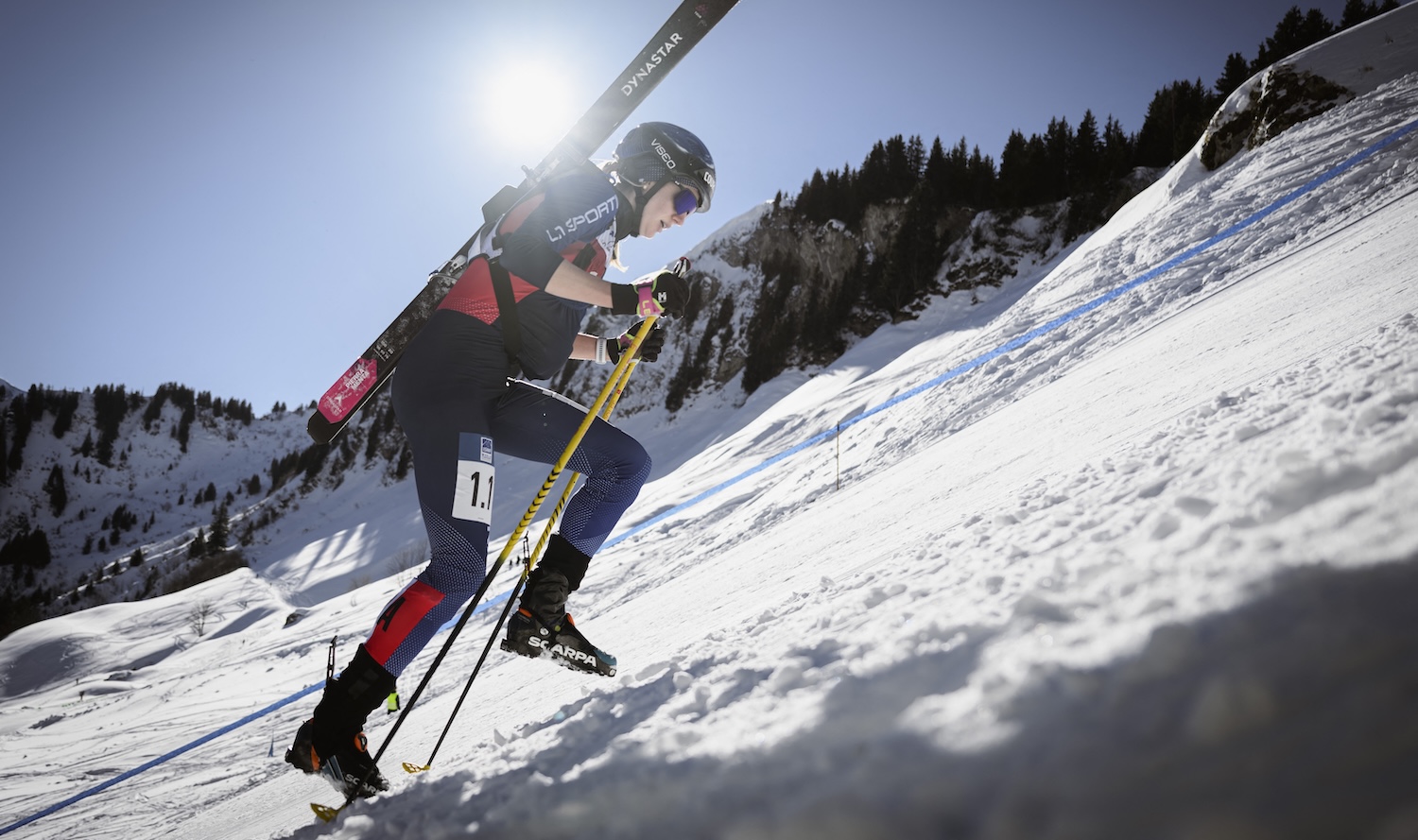
For runners, the hips can be one of the most confounding and frustrating parts of the physiological puzzle for efficient movement. Every runner knows how crucial hip strength is - and how mobile hips are essential for both fast and pain-free running. Yet healthy, happy hips remain elusive. For many of us, our hips stay stiff no matter how much we massage and stretch them.
Exercise
Medicine
fromwww.theguardian.com
2 months agoIt felt amazing to be on the start line again': the rugby pro who became paralysed and is aiming for the Paralympic Games
A car crash left a former professional rugby player paralysed from the chest down, necessitating tracheostomy, extensive rehabilitation, identity adjustment, and relearning basic daily tasks.
Medicine
fromwww.theguardian.com
2 months agoI was told I wouldn't walk again. I proved the doctors wrong': the bike-obsessed pensioner who broke his neck and started afresh
An 82-year-old man with a fractured cervical vertebra made progress toward walking through persistent physiotherapy using an active-passive bike, resistance training, and supported walking.
fromwww.npr.org
1 month agoOlympic athletes push their bodies to the limit. Should we?
"We have a golden retriever, and so I walk her three or four miles a day, and I do a weight training class twice a week," says Brown, 62, of Arlington, Va. She knows muscle mass will decline without regular strength training. "We have a fun group with a personal trainer and we call ourselves the Beastie Girls," she says, describing how her group helps her stick with it. She also plays tennis and golf.
US news
fromScience of Running
1 month agoFit and Fast: Achieving Robustness in Training
In this episode of the On Coaching Podcast, Steve Magness and Jon Marcus discuss the concept of 'fit but flat,' exploring the phenomenon where athletes excel in metabolic fitness but fail to perform competitively due to a lack of neuromuscular coordination. Using examples like middle-distance runner Ingram Brion, the hosts delve into how metabolic training alone can lead to race failures.
Running
[ Load more ]