DevOps
fromArmin Ronacher's Thoughts and Writings
1 day agoAbsurd In Production
Absurd is a durable execution system built on Postgres, providing efficient task management and checkpointing without needing separate services.
Under the ABS challenge system, a team begins each game with two challenges. If a player gets an umpire's call overturned, their team retains the challenge. In effect, this means a team has unlimited challenges until they get two wrong.
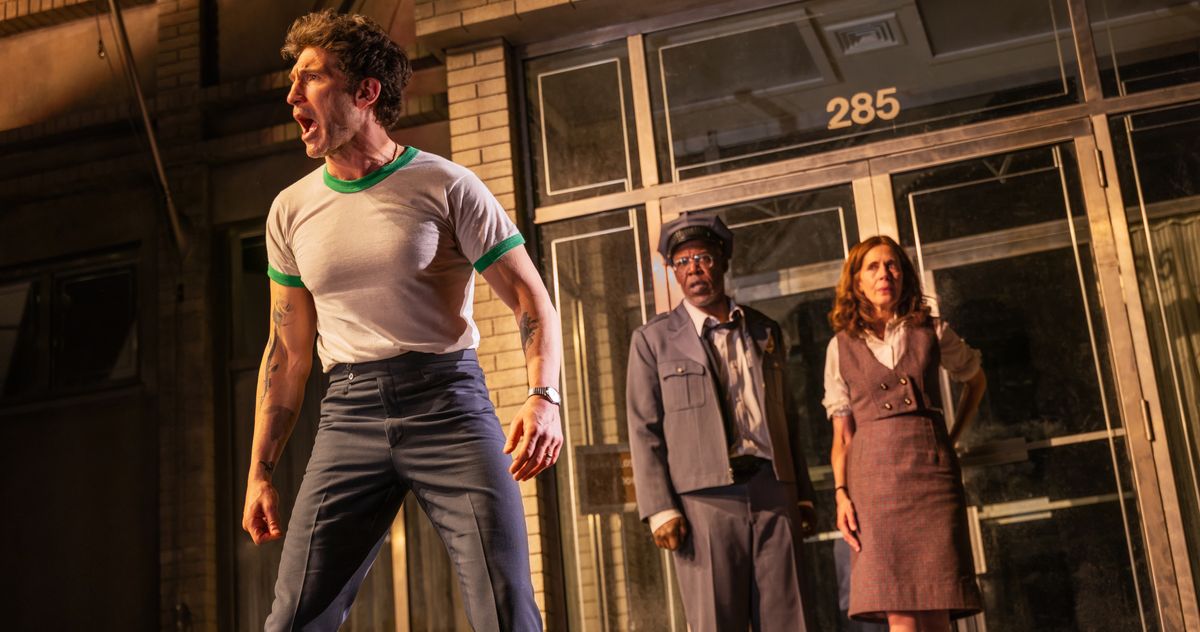
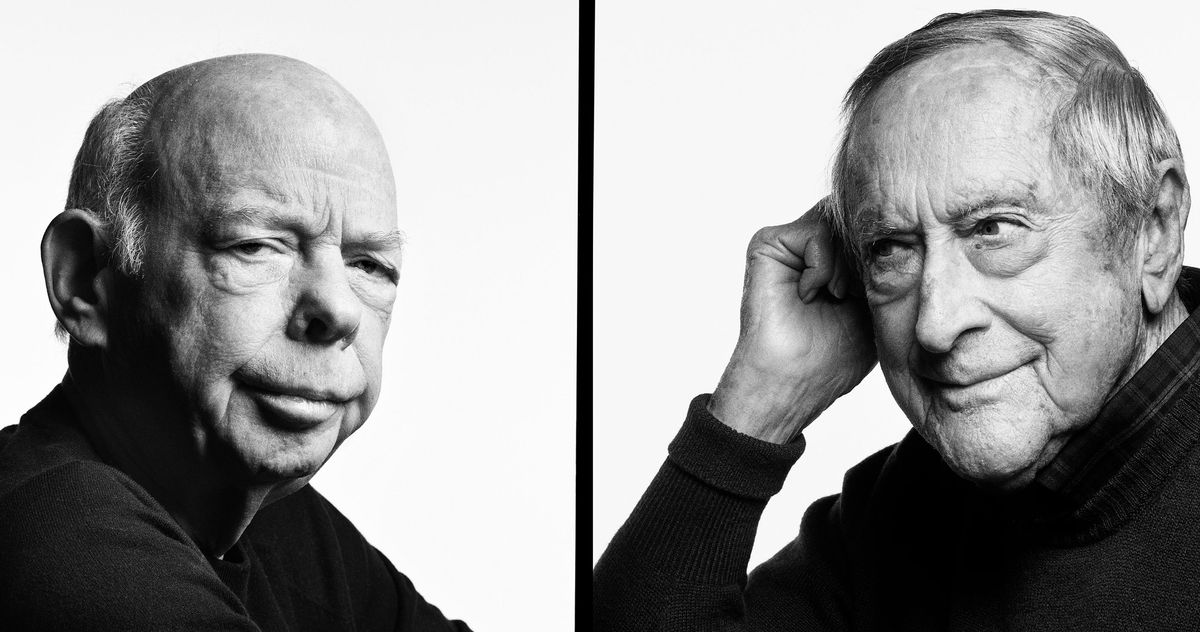
Wallace Shawn's new play, What We Did Before Our Moth Days, opens with a provocative monologue about a 25-year-old's relationship with a 13-year-old girl, challenging societal norms.
All this to say that Alexander Whitley can harness the technology that so fascinates him, and equally importantly, that he fully understands, to enhance his primary vocation as a dance maker and produce bewitching work. Unfortunately, Mirror, and its companion piece The Rite of Spring, in the brand new double bill currently at Sadler's Wells East, proved major disappointments.
To truly embody Marty, he needed very realistic-looking glasses, with a certain thickness and myopic or narrow-looking eyes. Timothée wanted the glasses to feel earned rather than costume. The goal was to not only deliver thick lenses but to create the experience of needing them.
His writing is incredible. The characters are real. There's so much for actors to dig into. To be able to write that way and to connect with people, you're operating on a higher plane.
I don't want to be working in ballet, or opera, or things where it's like, Hey, keep this thing alive, even though like no one cares about this any more. Chalamet said in a recorded conversation for Variety, expressing his reluctance to participate in art forms he perceives as lacking contemporary audience engagement and cultural relevance.
I don't want to be working in ballet or opera things where it's like 'Hey, keep this thing alive,' even though it's like no one cares about this anymore. All respect to the ballet and opera people out there.
A woman's relationship with Trader Joe's is abstract. It's like the way women see Trader Joe's, it's the way the aliens from 'Arrival' view time. Unlike most men—who make a beeline straight for the same blue-corn tortilla chips that have been there since pre-Obama—women swan dreamily through the store, guided by their foremothers toward the strangest possible products.
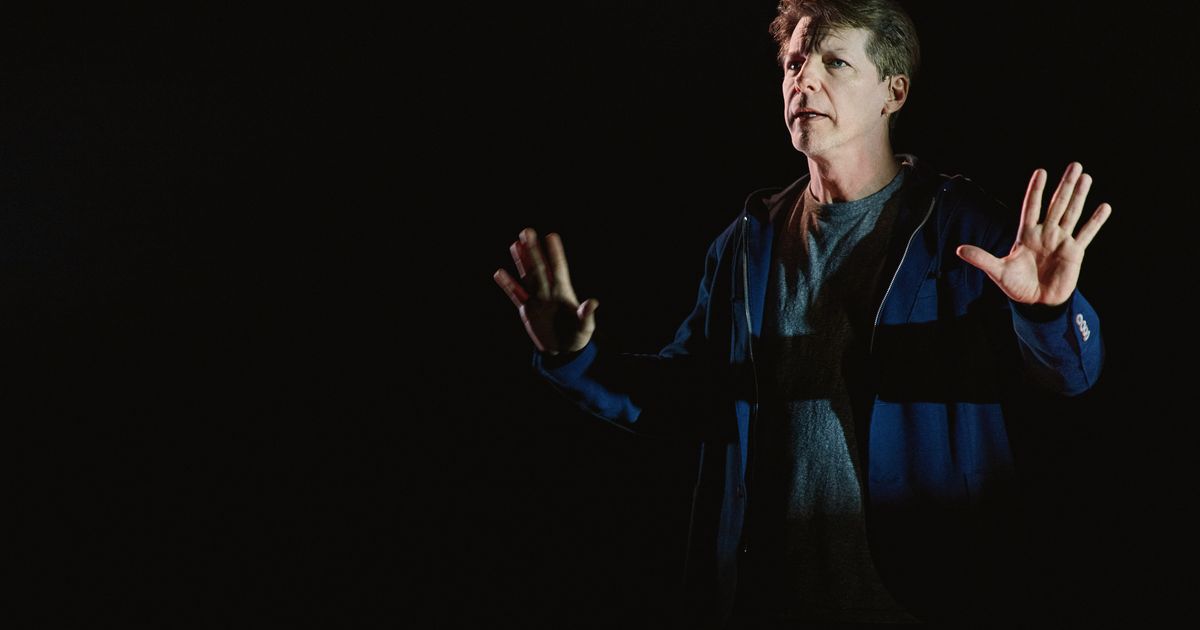
It's his sort-of coming out story imbued with the trauma of losing his mother Amy to ovarian cancer, told via a 2000-slide PowerPoint presentation and finished off with a genuinely impressive magic trick (Sharp was a childhood magician). On the subject of finishing, it's an abundance of sordid sex tales that fill the gaps between Sharp's god-fearing childhood in America's south, and his mother's crushing death in 2010.
I started getting the sense it was maybe opera or ballet or something, it's kind of like a dying art form or something. No 'woe is me' thing, but you start working on movies, you start acting, pursuing your thing.
On a cool winter night in Los Angeles, dozens gathered to protest the Trump administration's attacks on the arts and the recent federal immigration raids in southern California. But these protestors didn't carry signs or chant in front of a government building they recited poems such as Antifa Tea Party and Love in Times of Fascism. They performed anti-fascist improv to a small but lively crowd at The Glendale Room, a library-themed theater, as part of the monthly show Unquiet: A Night of Creative Resistance.
You might not thrill to the thing itself, but once you know that the genre-defining mime, Marcel Marceau, used his skills to entertain orphaned Jewish children while helping them to escape occupied France - the noiselessness of his act essential, as Nazi soldiers stalked the corridors of the trains to the Swiss border listening for runaways - then you at least have to respect what Marceau called "the art of silence."
Your donation allows us to keep sending journalists to speak to both sides of the story. The Independent is trusted by Americans across the entire political spectrum. And unlike many other quality news outlets, we choose not to lock Americans out of our reporting and analysis with paywalls. We believe quality journalism should be available to everyone, paid for by those who can afford it.
Spalding Gray used to perform a show called Interviewing the Audience. The celebrated monologist would invite a stranger he had met in the lobby to join him on stage. Through a sequence of innocuous questions, he would get them to open up about their lives. At one performance, a guest broke the audience's hearts by talking about her daughter's murder. At benefit nights, people living with HIV shared their tales. Other times, the anecdotes would be eccentric or amusing.
Two years ago, the annual Under the Radar festival (which showcases international, experimental and multidisciplinary theater) was unexpectedly canceled by the Public Theater, its longtime presenter, due to financial issues. In response, the festival was quickly reconceived as a citywide effort involving several other theater companies, allowing it to move forward. The festival, now in its 21st edition, returns this month with productions at theaters across the city from Jan. 7 to 25.
Every step that I have taken in my career has made me new to something, once again. I like not knowing everything and exposing myself to the unknown, he says. That same impulse led him to send a script for the film adaptation of The Father to Anthony Hopkins, an actor he had never met, and who Zeller would wind up directing in his cinematic debut, which won him an Oscar for best adapted screenplay and netted Hopkins his second Oscar for best actor.
The short version: Hannah was married to Andrew, and Anna was married to Ryan. Then Anna and Andrew slept together and both marriages blew up. Then, six years after that, just as Andrew was finishing the manuscript of a novel closely paralleling his breakup, he found out that Hannah had beat him to the punch: Her book about a marriage-destroying affair (subtitled "A Memoir [kind of]") would be published nine months before his.
I remember laughing so hard, largely because of how Gridley, so relaxed in her comedy, played Juliet as someone who made sense to herself, if no one else, and what did she care? Gridley's comedic stance-part purveyor of nonsense, part paragon of common sense-put her squarely in the tradition of amazing women like Imogene Coca, and "Mad TV" 's Debra Wilson, comedians who made mental pratfalls a thing.