#animal-crush-videos
#animal-crush-videos
[ follow ]
#social-media #animal-behavior #dogs #human-animal-bond #tiktok #mental-health #animal-welfare #viral-video
Psychology
fromSilicon Canals
2 days agoResearch suggests people who feel more empathy for dogs than humans aren't broken - their empathy is fully intact, it's just been directed toward the only available recipient that has never weaponized it, and a person whose empathy has been weaponized enough times eventually stops handing it to anyone who could do it again - Silicon Canals
Empathy can be selective, often directed more towards animals than humans due to psychological and biological factors.
fromMashable
4 days agoFruit Love Island and other AI fruit slop are taking over the internet
Fruit Love Island, a TikTok series featuring AI-generated anthropomorphic fruits, has gone viral, amassing three million followers in just nine days, showcasing the bizarre intersection of technology and entertainment.
Humor
fromThe Washington Post
1 week agoPig who 'talks' using buttons gets Guinness World Record for his viral fame
Merlin often communicates with Alali by pressing buttons she has designed and set up in their home in Sacramento. He will make simple requests with the buttons - like asking for a vegetable or an ice cube - but he also presses buttons labeled with emotions and asks for attention.
US news
fromWIRED
1 week agoThere's Something Very Dark About a Lot of Those Viral AI Fruit Videos
"I've spent a lot of time looking at the comment sections on these videos actually, and it does not seem like bots. I clicked on people's profiles, these are real profiles, thousands of followers, no signs of inorganic activity. People just like it."
Television
Online Community Development
fromPsychology Today
2 weeks agoThe Power of Human-Animal Relationships: 'Unleashing the Bond'
Human-animal relationships significantly influence physical health, emotional well-being, and community resilience through scientifically measurable mechanisms beyond sentimental value.
Social media marketing
fromAnimals Around The Globe
2 weeks agoThe Animal Personality That Captures Your Social Media Style
Social media usage patterns reflect animal personality archetypes, with traits like extraversion and neuroticism determining posting styles, engagement levels, and online presentation strategies.
Media industry
fromFuturism
2 weeks agoCrowd's Reaction to BuzzFeed's New AI App: Uncomfortable Laughter
BuzzFeed faces severe financial distress with $57.3 million net loss in 2025 and substantial doubt about continuing operations, despite pivoting to AI-focused products that received poor reception at SXSW.
Television
fromwww.businessinsider.com
2 weeks agoTikTok is testing a new micro-drama feed, and its top shows feature AI zombies and sad polar bears
TikTok launched a limited test of 'TikTok Short Drama,' a new mini-drama feed featuring short-form dramatic content available to users over 18 in select regions.
Social media marketing
fromwww.theguardian.com
3 weeks agoI clicked on an Instagram post about a happy dog and opened a hellish portal | Polly Hudson
Social media algorithms amplify content based on brief engagement, causing users to inadvertently create personalized feeds of depressing material through accidental interaction patterns.
fromMuse by Clios | Discover the latest creative marketing and advertising news. Muse by Clio is the premier news site covering creativity in advertising and beyond.
4 weeks agoGut Punch: What a Baby Monkey Teaches Us About Impactful Content | Muse by Clios
Narrative Beats Production Values. Punch's fame didn't come from a 4K nature documentary. It came from a story of rejection and resilience. The Ichikawa City Zoo didn't just post 'cute' photos. They specifically asked the public to 'support Punch's effort' as he integrated with older, aggressive monkeys. They gave us a hero's journey. AI is a tool to amplify the story, not replace it.
Marketing
fromFuturism
1 week agoThose Viral Posts About the Brave Kidnapped Dogs Escaping and Finding Their Homes Together Are Fake, You Gullible Buffoons
Seven dogs stolen from their owners have gone viral after escaping from an illegal transport truck and making their way home. They traveled around 17 km together, led by a corgi across highways and fields, now safely back with their respective owners.
Pets
Higher education
fromNature
4 weeks agoWhat a viral TikTok taught me about personal storytelling in science
Science educators should prioritize conveying wonder and personal meaning about their subjects rather than just delivering information, as genuine enthusiasm resonates with students and audiences far beyond traditional classrooms.
Pets
fromSilicon Canals
1 week agoPsychology says people who sleep in the same bed as their dogs aren't substituting the dog for human intimacy - they're supplementing a human life with the one kind of companionship that asks for nothing, carries no grievances into the bedroom, and has never once in the history of the arrangement woken up on the wrong side - Silicon Canals
Co-sleeping with dogs provides comfort and security, enhancing relaxation and sleep quality for many pet owners.
fromThedrum
3 weeks agoWhy your social content should make people curious
It's our job to be translators of science so people understand what's happening and why it's so important. It's a global ocean. Just because something's happening in one place, doesn't mean it's not going to have an effect elsewhere in the world.
Social media marketing
Psychology
fromPsychology Today
3 weeks agoThe Psychology of Watching Strangers on Social Media
Capgras delusion reveals how disrupted emotional brain circuits cause people to perceive loved ones as imposters, paralleling how social media strips away human warmth and authenticity in digital relationships.
fromInsideHook
1 month agoWhere Have All the Good Memes Gone?
The lyrics have a rather annoying quality to them, similar to the way that other songs like "Call Me Maybe" by Carly Rae Jepsen, "Fireflies" by Owl City or even "Friday" by Rebecca Black did in their time - songs that gained rapid popularity and, just as quickly, sparked rapid backlash from many due to overexposure to them.
Humor
fromwww.bbc.com
3 weeks agoFox family reunited after cubs found hiding in car
Our workshop has encountered all kinds of issues with vehicles over the years, but a set of fox cubs is a brand new one for us. At first, our technician thought they might be rats because the cubs are grey, rather than the typical red you would expect of a fox they gave him quite a fright.
Pets
fromBusiness Insider
1 month agoI visited Punch, the famous baby monkey, in Japan. Here's what TikTok doesn't show.
Videos of Punch - a 7-month-old Japanese macaque - clinging to an Ikea orangutan have racked up millions of views on TikTok. The hashtag #HangInTherePunch has gone viral. Javier Quiñones, commercial manager at Ingka Group, which operates Ikea stores worldwide, told Business Insider that Ikea has seen sales of the Djungelskog orangutan toy increase.
Pets
fromTODAY.com
2 months agoThis Toddler's Best Friend is ... a Household Appliance (and Its Name is Jeff!)
"He would love to take it with him everywhere. He'll drag it around the house," Laney says. "He spends a lot of time trying to plug it in, which we try to not let him do. But even if it's not plugged in, he still likes to have it nearby because I think he just has become a fan of it now."
Gadgets
Environment
fromwww.theguardian.com
2 months agoBlurry rats and coyotes with mange: the oddly thrilling subreddit dedicated to identifying wildlife
Ambiguous, low-quality wildlife photos produce excitement and fear, driving online communities to correct misidentifications and reveal mundane explanations like coyotes with mange.
fromPsychology Today
1 month agoThe Hidden Lives of Lab Animals and the Need for Reform
Countless millions of nonhuman animals (animals) of all sorts are used in a diverse array of laboratory research. Their treatment varies from being unspeakably inhumanely abused to being treated with kindness, depending on the questions at hand and the values and attitudes of the researchers themselves. The lives of these animals truly are hidden, and most people are incredulous when they learn that laboratory rats and mice still are not considered "animals" under the current federal Animal Welfare Act.
Science
Fashion & style
fromvitamagazine.com
2 months agoA La Dogue: How Man's Best Friend Is Nosing Into Marketing Campaigns
Fashion brands increasingly use dogs and pet-focused marketing because canine content boosts relatability, engagement, and supports pet apparel lines, driving consumer aspiration and sales.


US politics
fromWIRED
2 months agoAI-Generated Anti-ICE Videos Are Getting the Fanfic Treatment
AI-generated anti-ICE videos portray fictional nonviolent confrontations that offer catharsis, revise narratives of accountability, and spread widely across social media amid immigration enforcement tensions.
fromLady Freethinker
2 months agoAuthor Charlotte Laws on Power, Animals, and the Stories We Tell Ourselves
One is " Omniocracy," a sweeping work of political philosophy decades in the making, proposing a new ethical foundation for society that rejects moral absolutes and instead grounds moral consideration for all beings in science and policy. In Laws' view, traditional political systems are inherently prejudiced: they work for humans only, excluding the vast majority of sentient beings. An omniocracy, she argues, would account for all living beings as constituents whose interests must be weighed in the decisions that affect them.
Philosophy
fromFast Company
2 months agoIs brain-rot TikTok cringe yet? The guy who started the trend says 'almost'
A few months ago, I was scrolling through TikTok when I came across a video that stopped me in my tracks. It starred an animated frog, dressed in a wizard hat, robe, and pink nail polish, superimposed over a psychedelic background and speaking in a hypnotizing, ethereal voice. "It's time to stop doing nothing, and start doing something," he crooned. "I cast . . . motivation!"
Social media marketing
fromenglish.elpais.com
2 months agoMemes mature to help us understand a world in flames
Memes have become the clearest and most direct language of digital culture: condensed fragments of reality that synthesize the complexity of the present and circulate at the same speed as a society surrendered to hyperstimulation. From the Dancing Baby of the 1990s to the endless templates of X, Instagram, or TikTok, memes have evolved from simple ephemeral jokes to veritable systems for decoding the world, semiotic capsules that allow us to process the political, the social, and the intimate.
Humor
fromABC7 San Francisco
1 month agoSan Jose Animal Care Center hit hard by fake viral FB post that used AI photo of shelter dog
We were flooded with calls, and the dog has already been adopted, not in danger of euthanasia. It's disappointing. Here we are getting blasted by untrue statements. The calls are taking valuable time and resources away from other animals at the shelter.
Pets


fromPsychology Today
1 month agoA Positive Paw Report
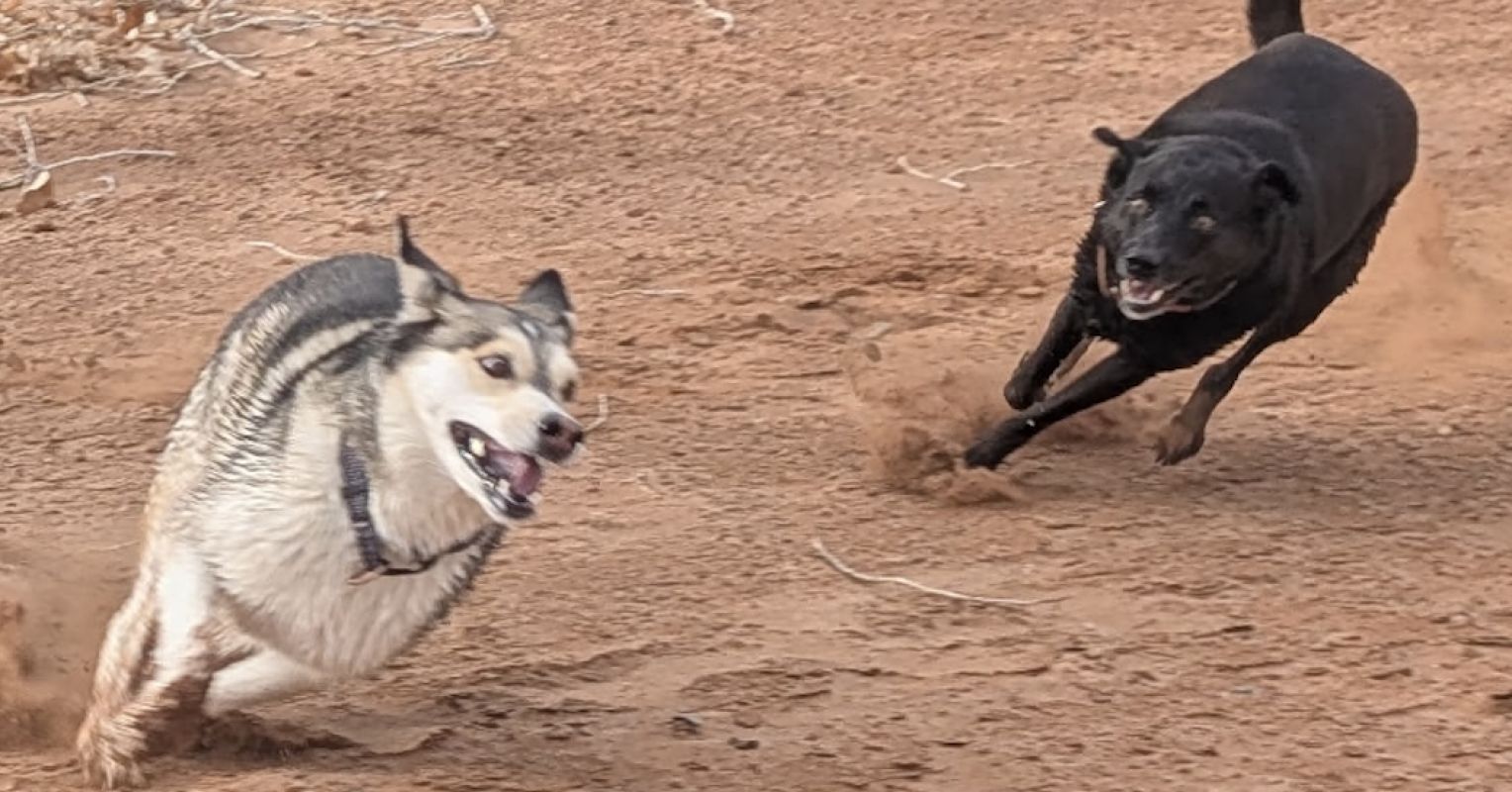
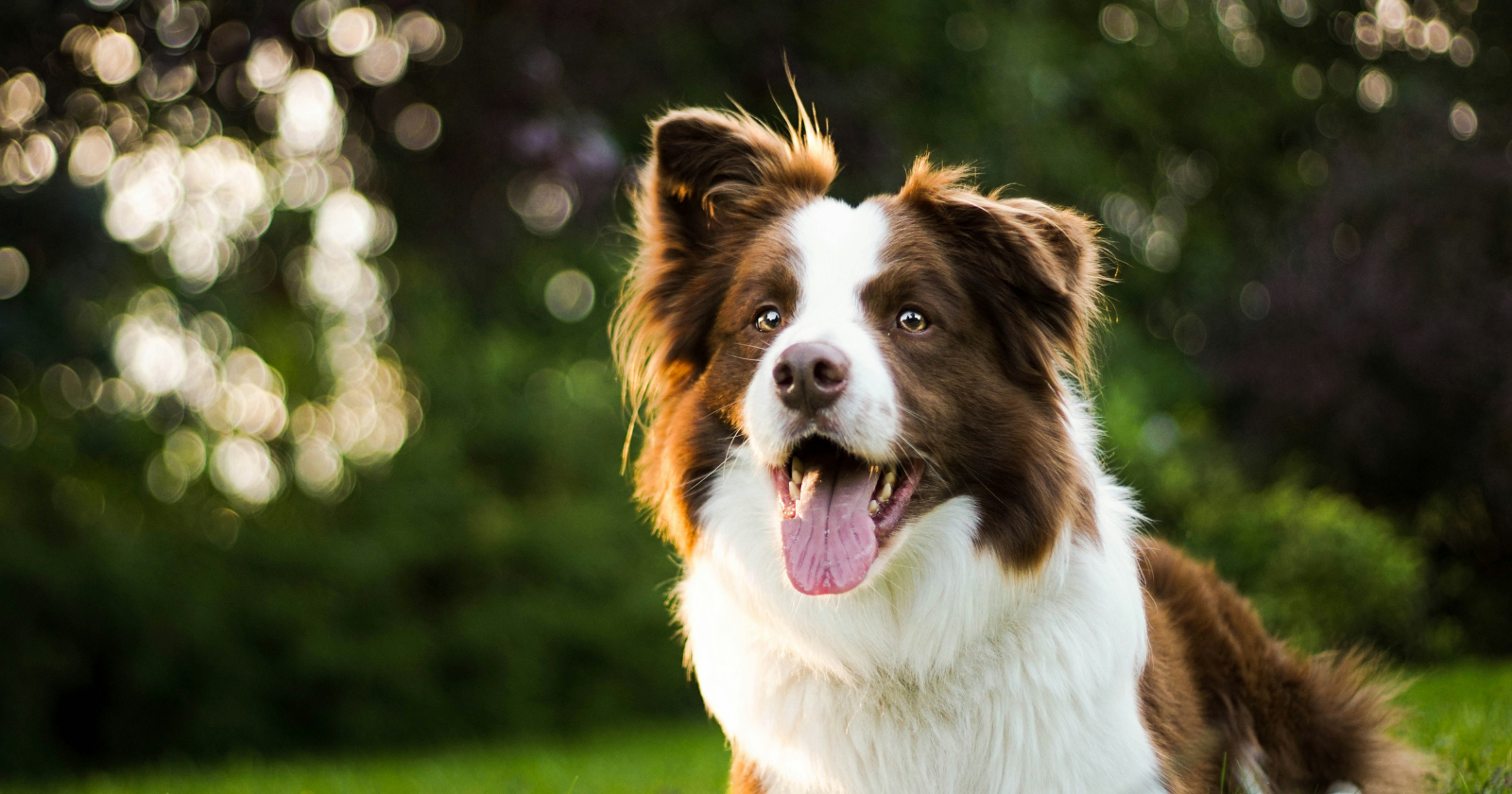
Dog ownership has increased dramatically in many western countries. For example, in the UK there has been an increase from around 8.3 million in 2011 to 13.5 million in 2025. That means that approximately 29% of UK adults own a dog! At least partially this increasing trend of owning a dog is linked to millennials being more likely to have children later in life.
Pets
fromPsychology Today
1 month agoTool Use By Animals: Why the Hype and Why It's So Important
Recently, two unexpected examples by a wild wolf and a domesticated cow named Veronika attracted global attention and once again opened the door for experts and others to weigh in on the question, "Are these really examples of tooling?" Many people are eager to know more about the nitty-gritty details of tooling, so I am thrilled that Dr. Benjamin Beck, an expert in this area, could answer a few questions about this fascinating behavior.
Science
fromPawNation
1 month agoDalmatian 'Keeps Mom Online' During Work Call, and the Song Choice Is Perfect
One TikTok video is going viral for capturing a Dalmatian who appears to have fully embraced her new position as household operations manager. The clip blends work-from-home life, dog humor, and one very on-the-nose country anthem in a way that feels almost too relatable. It is funny, a little chaotic, and exactly the kind of wholesome internet moment that makes scrolling worth it. If you need a laugh between meetings today, this one absolutely delivers.
Pets
fromDoggodigest
1 month agoThe Growth of Dog Influencers on Social Media in America - Doggodigest
In today's digital age, where every scroll brings a new sensation, a surprising trend has emerged: dog influencers. These furry personalities are taking social media by storm, captivating hearts and fetching likes in droves. This phenomenon isn't just about cute photos; it's a testament to the power of community and the universal love for our four-legged friends. Let's dive into the world of dog influencers and explore how they've become a staple in American social media culture.
Pets
fromSilicon Canals
1 month agoIf a dog shows you their belly, it is not always an invitation to rub it: experts explain - Silicon Canals
Picture this: your friend's golden retriever rolls over during a backyard barbecue, exposing that soft, pink belly. Everyone reaches down to give those irresistible tummy rubs. The dog's tail wags, everyone laughs, and it becomes the highlight of the afternoon. We've all been there, right? That exposed belly seems like the universal dog invitation for affection. But what if I told you that sometimes, that belly display means the exact opposite of what we think?
Pets
[ Load more ]