#animal-homicide
#animal-homicide
[ follow ]

#endangered-species-act
SF politics
fromFortune
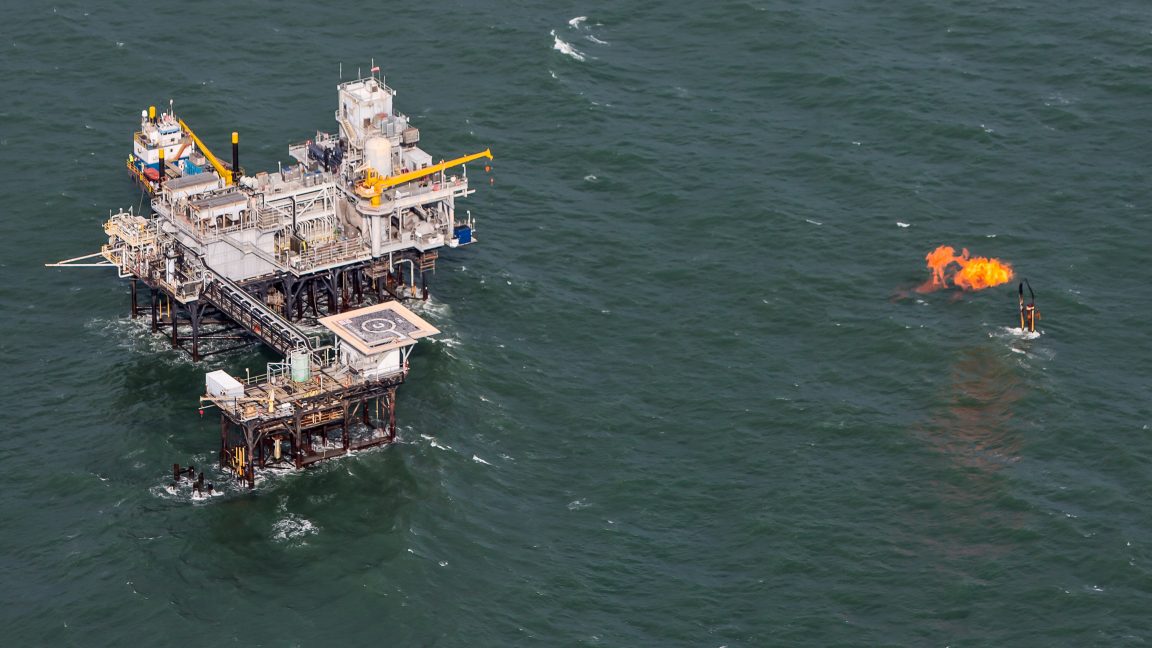
5 days agoWashington's 'God Squad' assembles to debate the fate of a rare endangered whale and drilling in the Gulf of Mexico | Fortune
A U.S. panel is considering exempting Gulf oil drilling from the Endangered Species Act, raising concerns for marine life and a rare whale species.
Environment
fromABC7 San Francisco
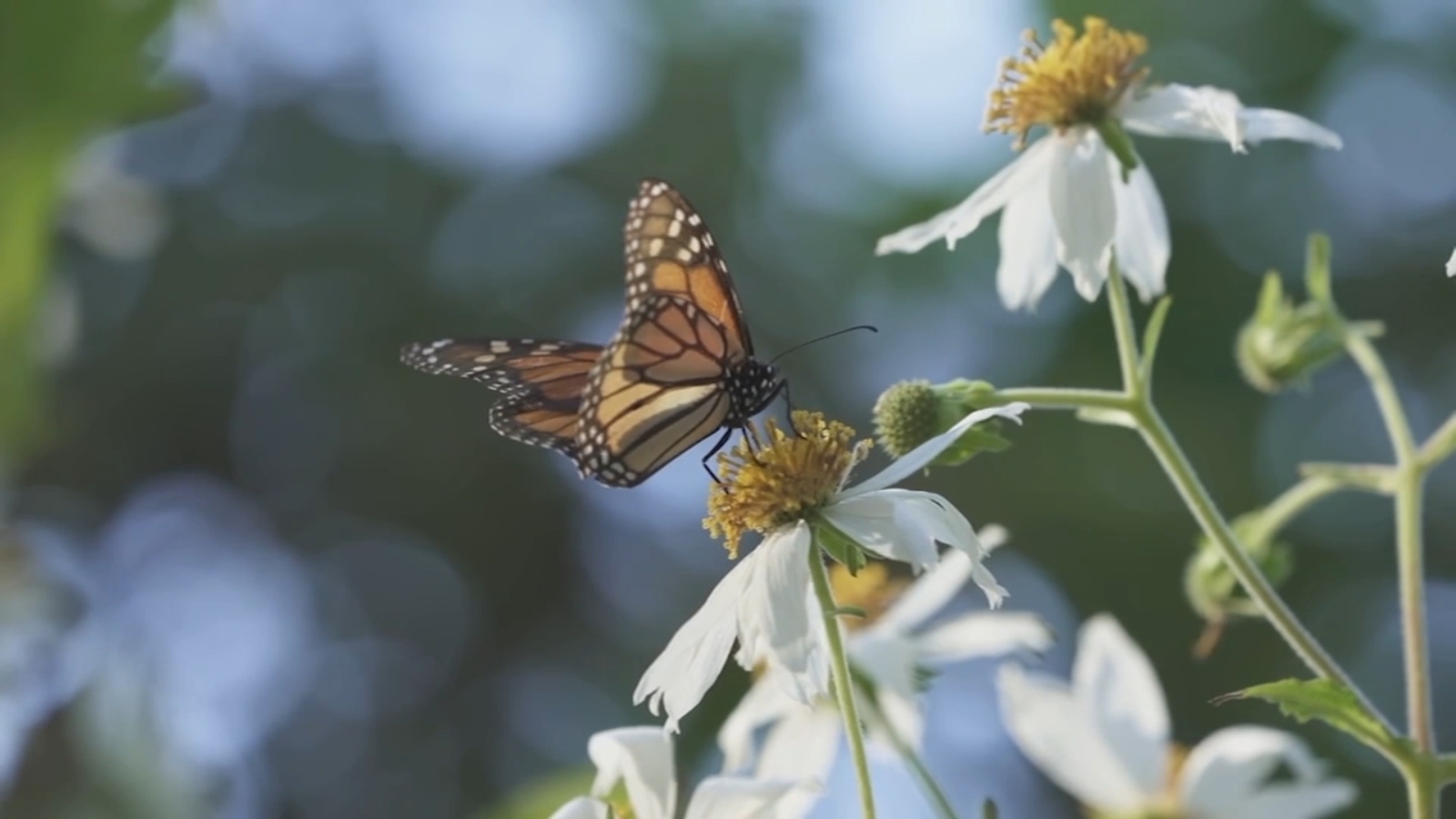
3 weeks agoTrump proposals will weaken and limit protection by Endangered Species Act, environmentalists say
Trump administration proposals would restrict the Endangered Species Act by narrowing harm definitions to exclude habitat protection, potentially reducing wildlife protection effectiveness by 99%.
fromMail Online
5 days agoBritain has just 20 years to save its wildlife, experts warn
'Our results show that the next 20 years are critical,' lead author Dr Rob Cooke told the Daily Mail. 'By around 2050, we reach a point where the choices we make on emissions and land use will largely determine whether Britain moves towards a much more degraded or a much more nature‑positive future.'
Environment
#wildlife-protection
Environment
fromwww.theguardian.com
1 month agoAustralian wildlife in harm's way' with volunteers left to pick up the pieces' amid climate crisis, fires and floods
Labor is urged to establish national wildlife protection standards for disaster response, with advocates warning biodiversity risks could become irreversible without coordinated government-funded rescue and rehabilitation services.
Environment
fromwww.theguardian.com
1 month agoAustralian wildlife in harm's way' with volunteers left to pick up the pieces' amid climate crisis, fires and floods
Labor is urged to establish national wildlife protection standards for disaster response, with advocates warning biodiversity risks could become irreversible without coordinated government-funded rescue and rehabilitation services.
#animal-welfare


Pets
fromwww.theguardian.com
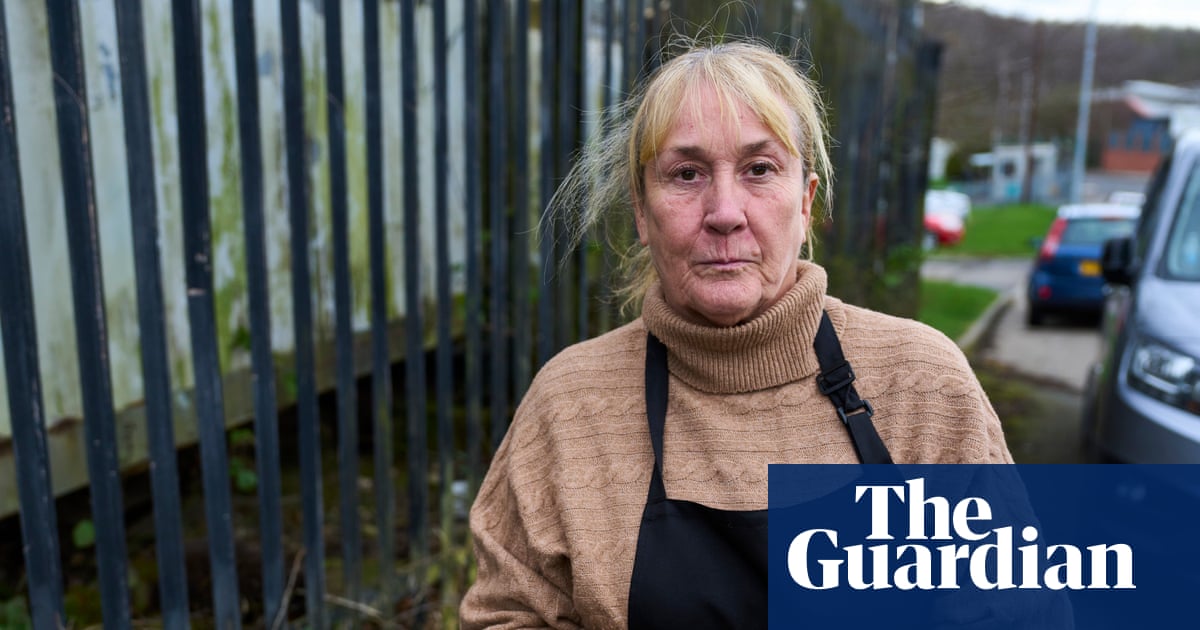
2 weeks agoI just wish they'd let me feed my cats': how council ban made one woman an animal welfare icon
A woman banned from feeding feral cats she cared for 20 years receives overwhelming community support after a neighboring business complained to the council about cat feces.
Roam Research
fromMongabay Environmental News
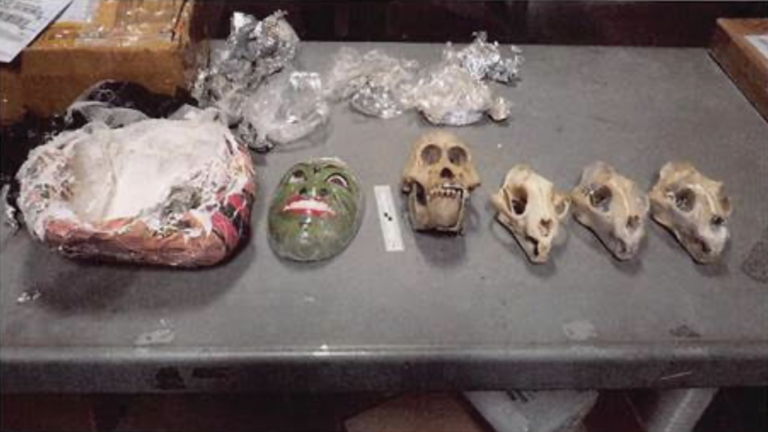
2 weeks agoFacebook shuts Indonesia groups after Mongabay and Bellingcat report illegal wildlife trade
Mongabay and Bellingcat discovered Facebook groups in Indonesia illegally selling protected species, exploiting the country's biodiversity through social media platforms.
fromOpen Culture
2 weeks agoIn Her Final Reflections, Jane Goodall Issues a Warning: "Without Hope, We Fall Into Apathy"
Somebody sent to this world to try to give people hope in dark times, because without hope, we fall into apathy and do nothing, and in the dark times that we are living in now, if people don't have hope, we're doomed. How can we bring little children into this dark world we've created and let them be surrounded by people who've given up?
Writing

fromHigh Country News
1 month agoCoyotes and cougars and rats, oh my! - High Country News
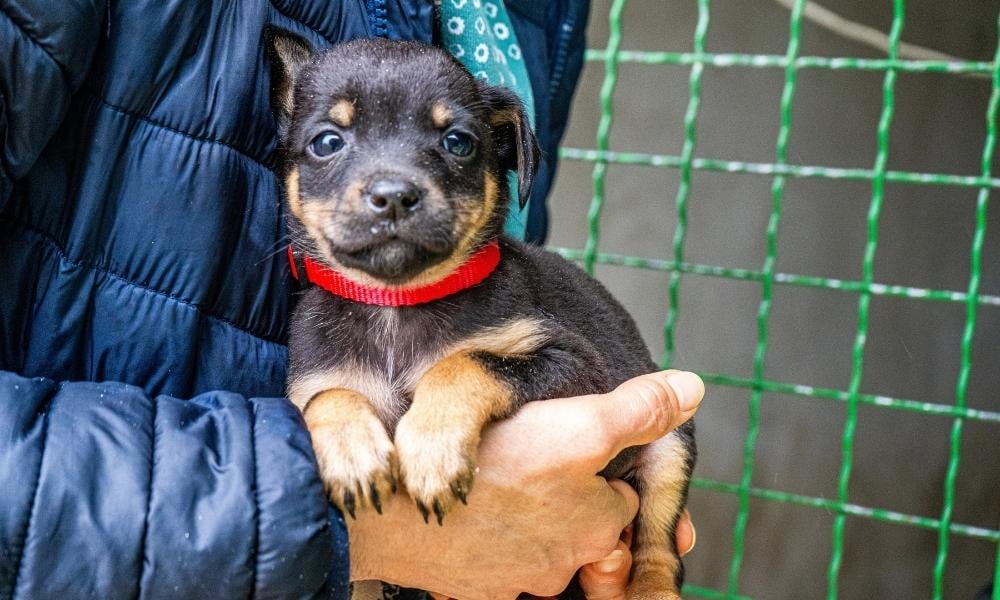
An unnamed tourist saw it and told Aidan Moore, who works for Alcatraz City Cruises. Moore told SFGATE that he was initially skeptical, but the guest's iPhone footage left little room for doubt. The video shows, not a sea lion or an otter, but an actual Canis latrans, doggedly dogpaddling, then clambering out of the water, noticeably shaky and struggling to settle tired paws on the craggy rocks.
California
fromwww.scientificamerican.com
1 month agoHow a teen's AI model could help stop poaching in rainforests
Both species are under threat. But while African savanna elephants are endangered, forest elephants are critically endangered. They're also highly elusive. Living in dense tropical rainforests in central Africa and parts of West Africa they're very hard to find and study.
Science
fromwww.theguardian.com
1 week agoThe Guardian view on vets: there is nothing cuddly about this under-regulated market | Editorial
The Competition and Markets Authority found that consumers have overpaid roughly £1 billion in veterinary fees over five years, highlighting a significant issue in the market.
Pets
Environment
fromTruthout
3 weeks agoEnvironmental Activists Say the FBI May Be Investigating Them
FBI counterterror investigators are scrutinizing nonviolent climate activist groups like Extinction Rebellion NYC, raising concerns about federal law enforcement targeting constitutionally protected protest and free speech activities.
Social justice
fromNature
1 month agoMy professor said 'Black people are not interested in the environment'. I set out to prove him wrong
Dorceta Taylor pioneered research, programs, and leadership to document and advance racial diversity, inclusion, and environmental justice within environmental science and conservation.
fromThe Conversation
2 months agoSome companies claim they can 'resurrect' species. Does that make people more comfortable with extinction?
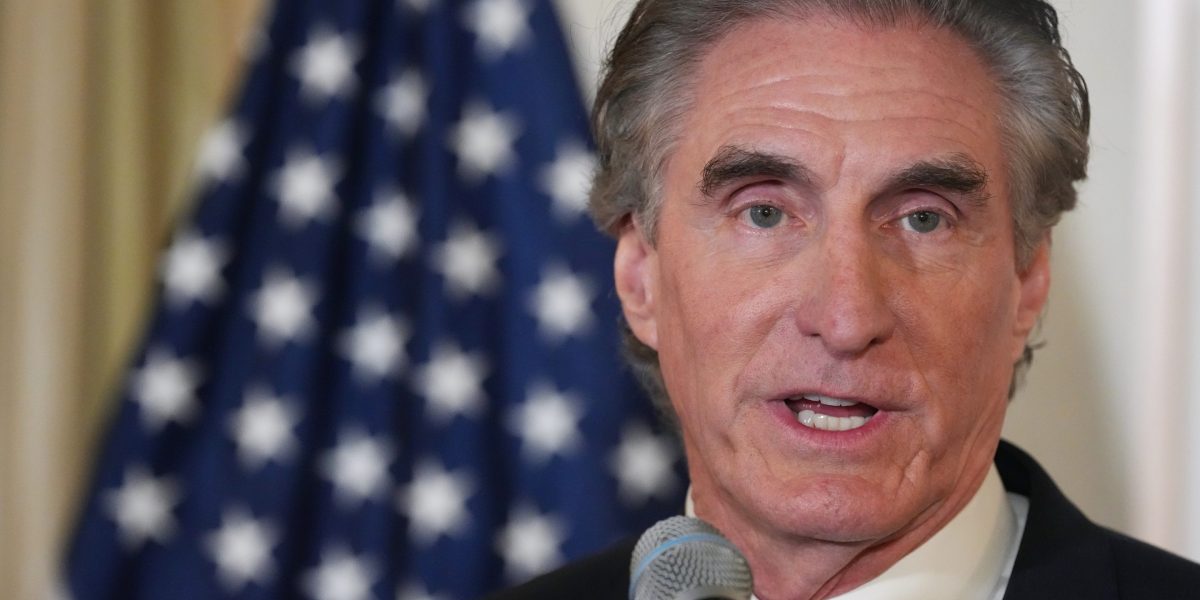
Less than a year ago, United States company Colossal Biosciences announced it had "resurrected" the dire wolf, a megafauna-hunting wolf species that had been extinct for 10,000 years. Within two days of Colossal's announcement, the Interior Secretary of the US, Doug Burgum, used the idea of resurrection to justify weakening environmental protection laws: "pick your favourite species and call up Colossal". His reasoning appeared to confirm critics' fears about de-extinction technology. If we can bring any species back, why protect them to begin with?
Philosophy
Environment
fromwww.mercurynews.com
1 month agoOpinion: AI is destroying our planet. We must act to check its growth and save ourselves.
AI's environmental impact is severe, with 2025 freshwater consumption exceeding global bottled water use and projected energy demands by 2034 matching India's entire consumption, requiring immediate action.
fromwww.independent.co.uk
2 months agoGovernment urged to make reckless' act of trail hunting illegal
From reproductive rights to climate change to Big Tech, The Independent is on the ground when the story is developing. Whether it's investigating the financials of Elon Musk's pro-Trump PAC or producing our latest documentary, 'The A Word', which shines a light on the American women fighting for reproductive rights, we know how important it is to parse out the facts from the messaging.
UK politics
UK politics
fromwww.theguardian.com
2 months agoLabour MPs plan to oppose move to restrict protest at animal testing sites
Ministers propose reclassifying life-science facilities as key infrastructure to criminalize disruptive protests, prompting cross-party opposition over civil liberties and limited parliamentary scrutiny.
fromwww.theguardian.com
1 month agoThey pushed so many lies about recycling': the fight to stop big oil pumping billions more into plastics
Then she read an article in this newspaper, just over eight years ago, and discovered that fossil fuel companies had ploughed more than $180bn (130bn) into plastic plants in the US since 2010. It was a kick in the teeth, says Gardiner. You're telling me that while I am beating myself up because I forgot to bring my water bottle, all these huge oil companies are pouring billions She looks appalled. It was just such a shock.
Environment
Environment
fromFortune
1 month agoAnimal behavioralists saved a rhino with bleeding eyes by giving it eye drops, in a "ridiculous idea" gone right | Fortune
Voluntary training allowed caretakers to safely administer eyedrops to an endangered white rhino in Zimbabwe, preserving vision and protecting a community reintroduction program.
fromwww.dw.com
2 months agoThe business of saving nature
The world spends 30 times more money destroying nature than protecting it. That's according to a new report from the United Nations Environment Programme (UNEP) that exposes a massive gulf between so-called "harmful investments" and financing that promotes nature preservation. The global environment agency's latest "State of Finance for Nature" (SNF) report is calling to phase out the US$7.3 trillion (6.2 trillion) in global investments that damage nature including into high-emissions energy infrastructure and manufacturing, for example.
Environment

fromwww.theguardian.com
2 months agoThe Guardian view on risks from biodiversity collapse: warnings must be heeded before it's too late | Editorial
Originally due to be published in the autumn, the review appears to have had some sections removed. An earlier version is reported to have included warnings about the risks of eco-terrorism and the growing likelihood of war between China, India and Pakistan due to competition over a shrinking water supply from the Himalayas.
Environment
[ Load more ]