Node JS
fromFrontendmasters
2 days agoWhat To Know in JavaScript (2026 Edition)
JavaScript's ECMAScript 2025 introduces new iterator methods and improved set functionalities, enhancing performance and usability for developers.
The dynamic type hints feature in Module Federation 2.0 dramatically streamlines the development process by automatically generating and loading types from remote modules, eliminating the need for shared type packages.
Every iOS app I've shipped over the last nine years started the same way: a Rails developer with a great web app, users who want it in the App Store, and weeks spent on Xcode, signing certificates, and Swift boilerplate that has nothing to do with the actual product.
Events are essential inputs to modern front-end systems. But when we mistake reactions for architecture, complexity quietly multiplies. Over time, many front-end architectures have come to resemble chains of reactions rather than models of structure. The result is systems that are expressive, but increasingly difficult to reason about.
When you assign the any type to a variable, you're essentially telling the compiler: Stop checking this. I'll handle it myself. At that moment, you've basically turned off TypeScript. Even worse, any tends to spread through a codebase. If a function returns any, every variable that receives that value becomes untyped as well.
The TypeScript team released an early preview of TypeScript 6. This release is mainly about internal changes preparing for the future Go-based compiler planned for TypeScript 7. Large monorepos could see dramatic speed improvements once the Go compiler lands.
One of the most significant changes is the move to integrate CSS module support directly into webpack's core. Currently available behind the experimental.css option, this feature eliminates the need for mini-css-extract-plugin. The team expects to complete integration into core around early 2026, with the feature remaining experimental until webpack 6, at which point plugin-based CSS handling will no longer be necessary.
Vercel, the cloud platform behind Next.js, has released react-best-practices, an open-source repository containing over 40 performance optimization rules for React and Next.js applications. The framework, which encapsulates over a decade of engineering knowledge from Vercel's production codebases, is structured specifically for consumption by AI coding agents and LLMs, though the team notes it is equally valuable for human developers.
I began by creating a soft link locally from my blog's repo of posts to the src/pages/posts of a new Astro site. My blog currently has 6742 posts (all high quality I assure you). Each one looks like so: --- layout: post title: "Creating Reddit Summaries with URL Context and Gemini" date: "2026-02-09T18:00:00" categories: ["development"] tags: ["python","generative ai"] banner_image: /images/banners/cat_on_papers2.jpg permalink: /2026/02/09/creating-reddit-summaries-with-gemini description: Using Gemini APIs to create a summary of a subreddit. --- Interesting content no one will probably read here...
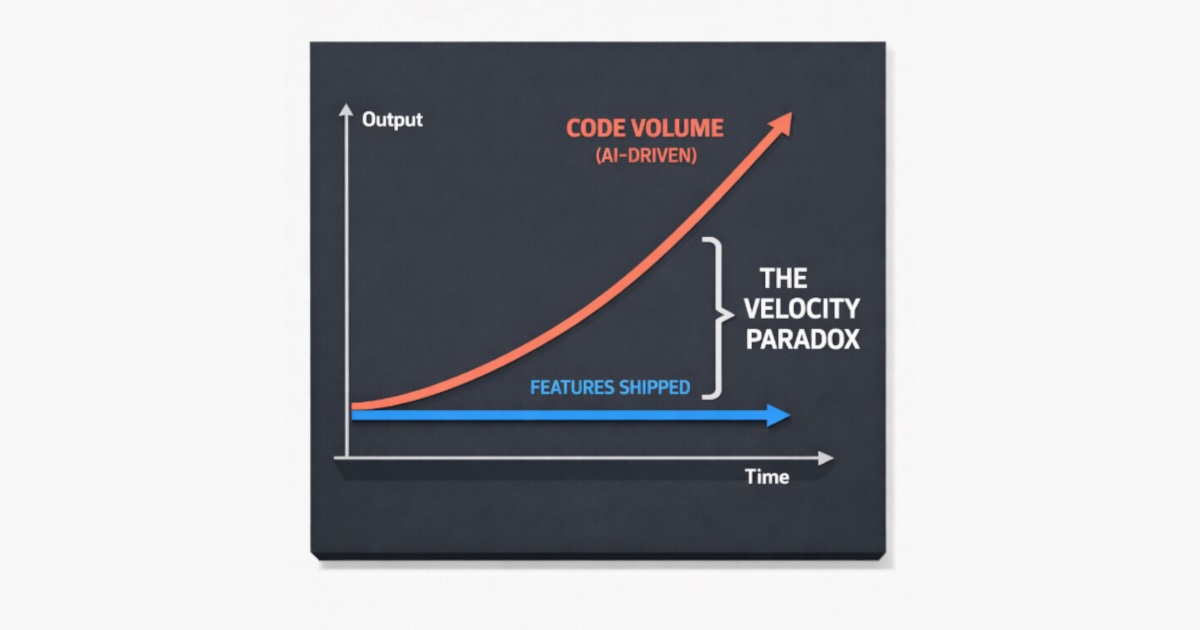
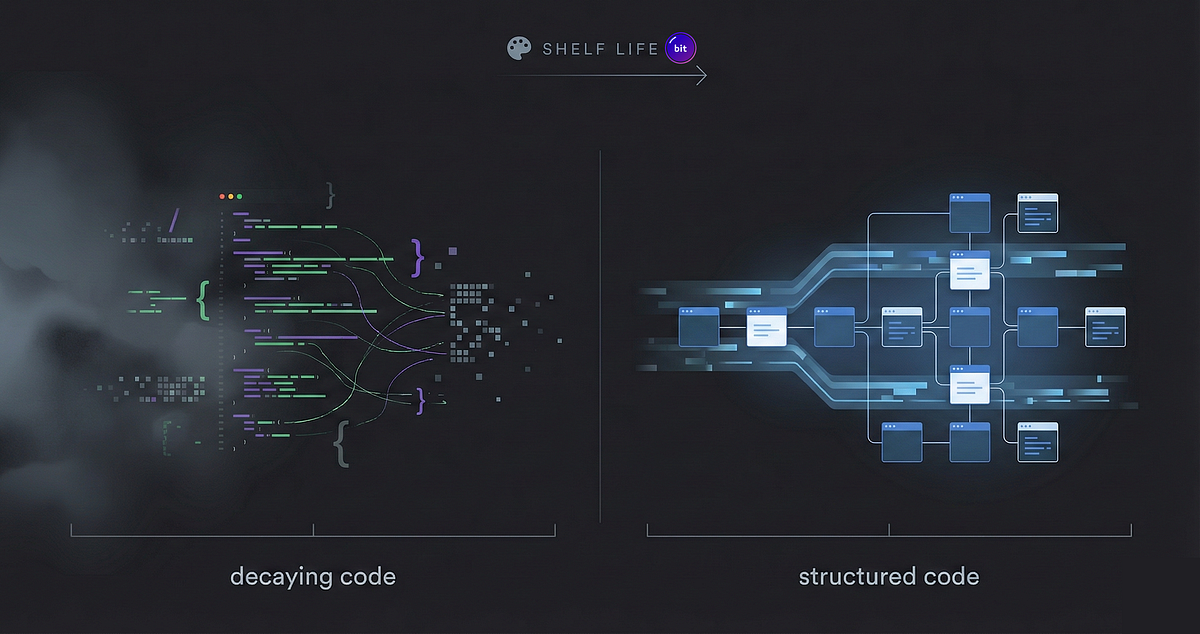
Frontends are no longer written only for humans. AI tools now actively work inside our codebases. They generate components, suggest refactors, and extend functionality through agents embedded in IDEs like Cursor and Antigravity. These tools aren't just assistants. They participate in development, and they amplify whatever your architecture already gets right or wrong. When boundaries are unclear, AI introduces inconsistencies that compound over time, turning small flaws into brittle systems with real maintenance costs.
OpenAI has introduced ChatGPT Health, a dedicated section inside ChatGPT focused entirely on personal health. It's more than a themed chat - users can discuss symptoms, interpret lab results, track metrics over time, and get clear explanations of medical terms. A key feature is integration with health and fitness services. Users can connect Apple Health, MyFitnessPal, and similar apps so the AI can analyze sleep, activity, nutrition, and wellness trends.
Today's browsers can handle most of the problems that frontend frameworks were originally created to solve. Web Components provide encapsulation, ES modules manage dependencies, modern CSS features like Grid and container queries enable complex layouts, and the Fetch API covers network requests. Despite this, developers still default to React, Angular, Vue, or another JavaScript framework to address problems the browser already handles natively. That default often trades real user costs -page weight, performance, and SEO - for developer convenience.
I was continueing my exploration of React server components when I stumbled upon on this article about progressive JSON. Dan Abramov describes a technique for streaming JSON from a server to a client in chunks, allowing the client to start rendering parts of the data before the entire payload has been received. This can significantly improve perceived performance, especially for large datasets.
JSR offers a modern, TypeScript-first and cross-platform-compatible registry, integrated into Deno, Deno's developers said. For Node.js and NPM compatibility, Deno 1.42 offers numerous improvements. The async_hooks module now supports the EventEmitterAsyncResource and AsyncLocalStorage.enterWith APIs. The crypto module adds getRandomValues(), subtle, getCipherInfo(), publicKey(), and createPublicKey() APIs, along with support for more curves in multiple APIs. The worker_threads module received a major overhaul.