#app-pre-installation
#app-pre-installation
[ follow ]
#android #apple #ios-265 #developer-verification #privacy #apple-maps #user-experience #app-store #mobile-apps







Parenting
fromFast Company
2 weeks agoThis clever new app bribes teens to get off their phones, with help from brands like Starbucks and Adidas
Dayo Deals, an app-based service, enables parents and teenagers to negotiate monetary rewards for reducing screen time and social media use through contractual agreements.
fromSitePoint Forums | Web Development & Design Community
2 weeks agoWhat matters most for user engagement: performance or UI?
Performance is a critical factor in user engagement, where even minor delays in loading can deter users. A clean and simple user interface also contributes significantly to user retention.
UX design
Software development
fromTechRepublic
2 weeks agoThe Hidden Problem With 'Vibe Coding' Apps on Apple's App Store
Apple's App Store is restricting vibe coding apps like Vibecode and Replit because they enable users to create applications that introduce new functionality, violating guidelines prohibiting code execution that changes app features.
#android-17
Mobile UX
fromTechRepublic
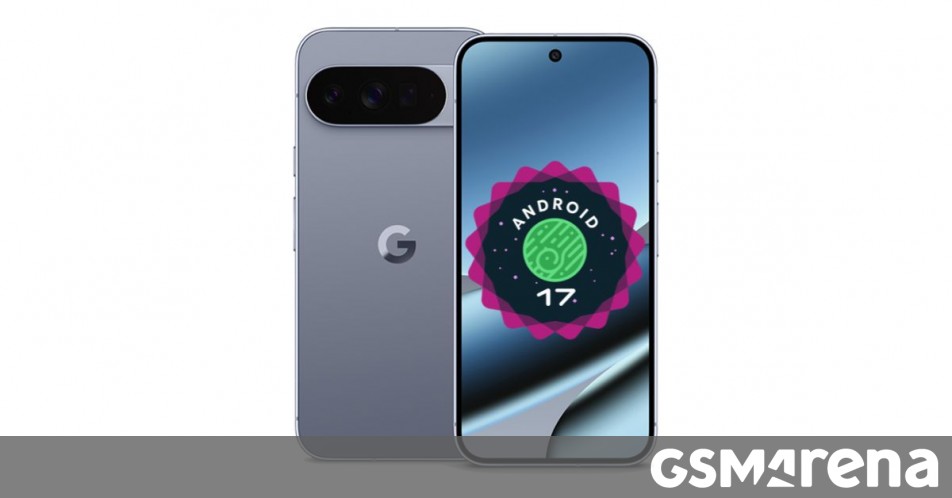
2 weeks agoAndroid 17 Leaks Reveal Major Redesign, AI Features, and Privacy Upgrades
Android 17 is undergoing significant development with a major visual overhaul, expanded Material 3 design system, and frosted glass interface effects expected in the stable release around June 2026.
#android-sideloading
Privacy technologies
fromEngadget
2 weeks agoAndroid will hide app sideloading behind a new one-time security process
Google implements a multi-step verification process for sideloading unverified apps on Android, while offering free limited distribution accounts for hobbyist developers to share apps with up to 20 devices.
Privacy technologies
fromTechCrunch
2 weeks agoGoogle introduces a new way for users to sideload Android apps that still protects against scams | TechCrunch
Google introduces an 'advanced flow' setting allowing Android users to disable app verification requirements and sideload unverified apps while maintaining some anti-scam protections.
Privacy technologies
fromArs Technica
2 weeks agoGoogle details new 24-hour process to sideload unverified Android apps
Google will enforce developer verification for Android sideloading in September 2026, but an advanced flow in developer settings allows power users to bypass verification requirements.
fromComputerworld
1 month ago3 future Android features you can give yourself today
Thanks to the way Google's for years now been deconstructing Android and pulling OS-level pieces out of the operating system itself - so they exist as regular ol' apps and can consequently be updated quickly, frequently, and in a way that reaches everyone instantly, regardless of what phone or carrier they're using - even Android phones from eight years ago get updates numerous times a year that are all virtually equivalent to an entire iOS operating system rollout.
Gadgets
Artificial intelligence
fromTechzine Global
1 month agoRemote Control extends Claude Code to the mobile app
Anthropic's Remote Control for Claude Code enables developers to continue local coding sessions across phones, tablets, and browsers while maintaining all processing on their local machine with automatic synchronization.
fromInc
4 weeks agoHow In-App Browsers Shape Measurement and Experience
When someone taps your link in a social app or email, it often opens in an in-app browser (embedded browser), a contained environment inside that app. Those in-app browsers don't share cookies, logins, or referral data with Safari or Chrome. They sever the continuity that website-centric analytics depend on. So these sessions look like anonymous visits.
Mobile UX
fromZDNET
1 month agoPhone acting weird? 5 red flags that could point to hackers
Your mobile phone is a treasure trove of personal and confidential information. That's why it's a prime target for hackers who want to compromise or steal your data. Through malicious apps and websites, phishing attacks, and other threats, an attacker can gain control of your device through spyware. But how can you tell if your phone has been hacked or tapped?
Information security

fromExchangewire
1 month agoFixing the In-App Ad Quality Problem: Why It Pays to Act Now
In the fintech vertical, where growth depends on trust, the decision to monetise through in-app advertising is a bold bet, one that could backfire if a bad ad experience undermines user confidence. But Toss, South Korea's leading fintech super app with over 25 million users, turned that risk into a major revenue win by implementing filters based on user-level relevance and using behavioural signals and first-party data to block disruptive or inappropriate ad categories.
Marketing tech
Privacy technologies
fromTechRepublic
1 month agoMillions at Risk as Android Mental Health Apps Expose Sensitive Data
Ten popular Android mental health apps with 14.7 million combined installs contain 1,575 security vulnerabilities, including dozens rated high severity, potentially exposing users' sensitive therapy data and personal information.
fromAndroid Police
1 month agoI played 50 terrible games to find the only way to make mobile ads work
During my week-long binge, I played games that paused their own tutorials to run ads. I saw endless fake X icons and banners that hid the close button under the iPhone's Dynamic Island. Now, I'm not against ads, but I hate it when they feel like a penalty. I'm a gamer, and from what I've seen, PC and console games integrate ads much better. If mobile devs followed suit, mobile games might finally climb out of the mess they're in.
Marketing tech

Gadgets
fromZDNET
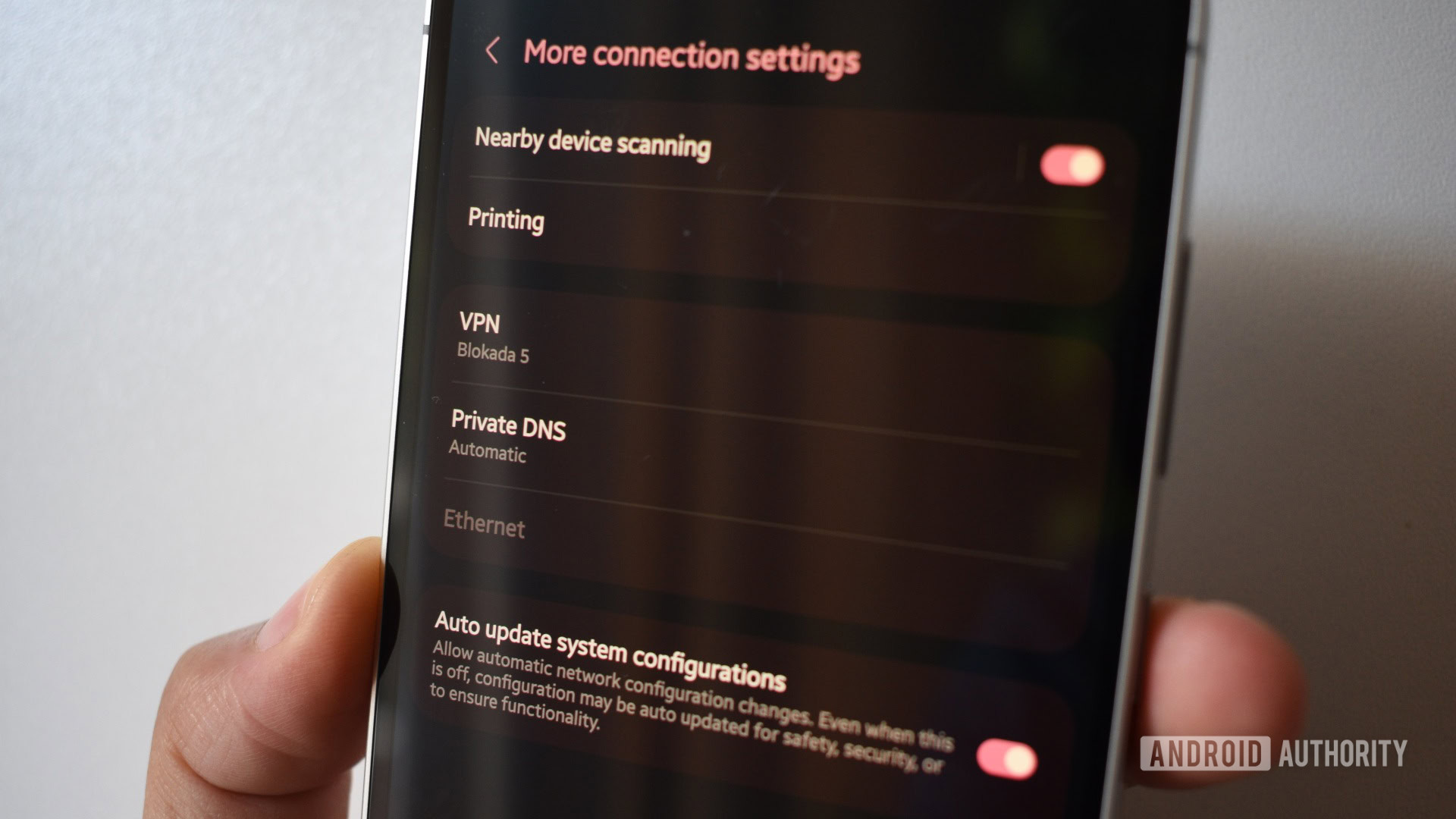
2 months agoI changed 10 settings on my Samsung phone to significantly improve the performance
Personalize Samsung Galaxy settings—disable notification pop-ups, enable gesture navigation, and maximize screen resolution—to improve responsiveness, focus, privacy, and overall user experience.
fromCult of Mac
2 months agoiOS 26 adoption rate isn't as lousy as suspected, but it's still not great
iOS 26 adoption isn't as bad as reported earlier. Not that it's great. Apple's attempt to keep online advertisers from tracking Safari users had the unintended effect of completely throwing off reporting on iOS 26 adoption. Rather than only a small percentage of iPhone users installing some version of Apple's latest operating system, iOS 26 adoption is only a bit below average.
Apple
fromMacworld
2 months agoApple's obsession with ads is destroying the iPhone
Now, you might argue that I'm stretching the term "news" a little, since we've had ads in App Store search since 2016, and even this latest expansion of the program, creating multiple paid slots per query, was first floated last month. But you would be wrong, because we just learned two new nuggets of knowledge: the timeframe, and the markets which will get the extra ads first (the U.K., followed by Japan, followed by everyone else). So there.
Apple
[ Load more ]