#archaeology

[ follow ]
History
fromArs Technica
1 hour ago

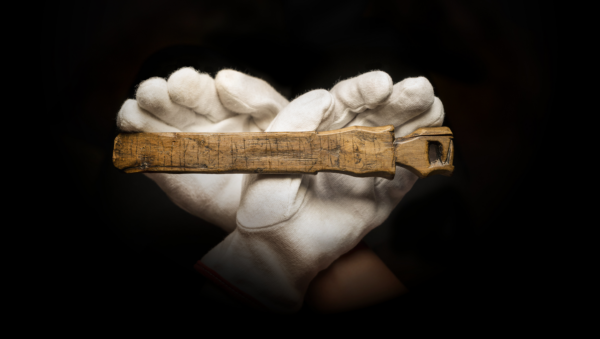
Ice Age dice show early Native Americans may have understood probability

Native Americans used dice for games of chance over 12,000 years ago, predating Old World dice by millennia.
Arts
fromArtnet News
4 hours ago

Archaeologists Discover 19th-Century Shipwreck in Copenhagen Harbor

A Danish warship sunk over 200 years ago has been discovered by marine archaeologists in Copenhagen harbor.
#architecture
Arts
fromArtnet News
1 day ago

Ancient Roman Cargo Lost for 2,000 Years Resurfaces in Swiss Lake

A significant shipwreck discovery in Lake Neuchâtel revealed 2,000-year-old ceramics and tools, providing insights into early Roman trade.
fromwww.thehistoryblog.com
2 days ago

Neolithic axe found in Lake Constance

The axe was the most important find in the group and would have been highly valued in the Neolithic community. Experiments with fiddle bows have found that it takes more than a day of work to manufacture an axe like this one.
History
#gambling
fromMail Online
1 day ago
History

Caveman casino! Humans began gambling 12,000 YEARS ago, scientists say

Gambling has been part of North American culture for over 12,000 years, evidenced by ancient two-sided dice made from bone.
fromwww.scientificamerican.com
1 day ago
History

Humans have been gambling since the Ice Age

Gambling history dates back at least 12,000 years, significantly earlier than previously thought, with early examples found in North America.
History
fromMail Online
1 day ago

Caveman casino! Humans began gambling 12,000 YEARS ago, scientists say

Gambling has been part of North American culture for over 12,000 years, evidenced by ancient two-sided dice made from bone.
History
fromwww.scientificamerican.com
1 day ago

Humans have been gambling since the Ice Age

Gambling history dates back at least 12,000 years, significantly earlier than previously thought, with early examples found in North America.
History
fromMedievalists.net
2 days ago

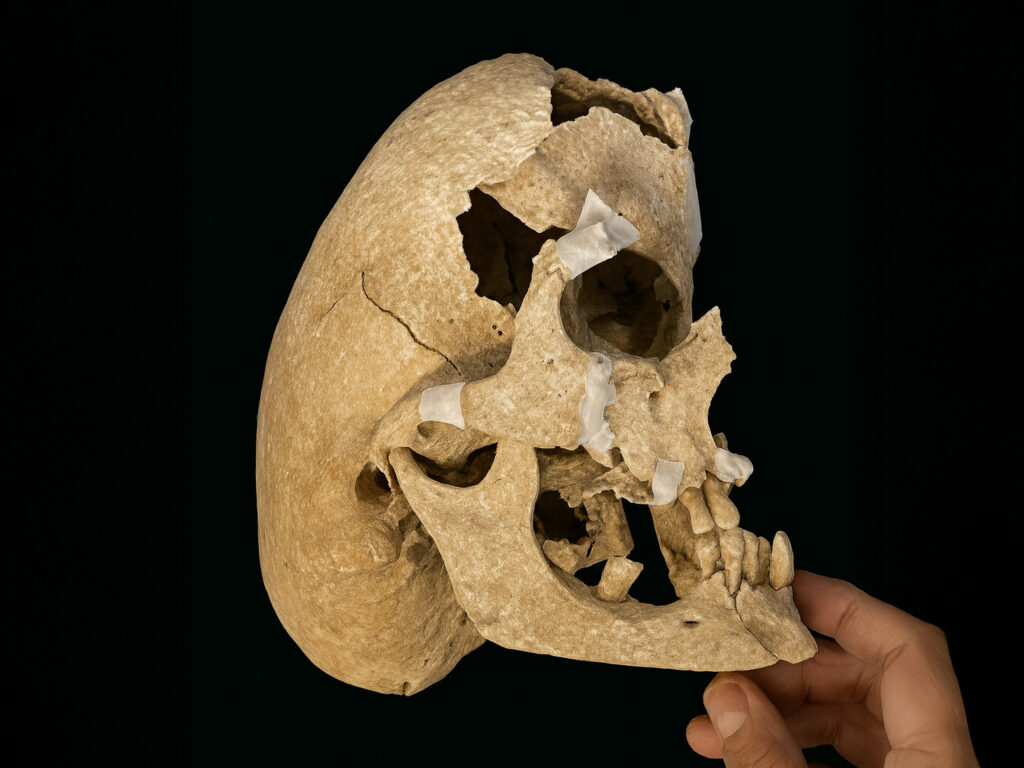
Medieval "Giant" with Trepanned Skull Discovered in Mass Grave - Medievalists.net

A 9th-century mass grave in England reveals remains of young men, suggesting violent conflict during the Viking conquest of East Anglia.
fromMedievalists.net
2 days ago

Medieval Gold Discovery Goes on Display in Newcastle - Medievalists.net

We are delighted to unite these incredible archaeological finds from across the North for our latest exhibition. From Roman silver discovered along Hadrian's Wall to 9th-century gold found by a Newcastle University student, this is a rare opportunity to see these scattered treasures displayed alongside one another.
History
#cultural-heritage
fromMail Online
3 days ago

Mystery of 'second Sphinx' deepens as new footage reveals hidden clues

The footage captured by Trevor Grassi shows dozens of square shafts carved into bedrock, many extending deep underground but primarily filled with sand, raising new questions about what may lie beneath the surface.
OMG science
#pompeii
fromwww.archdaily.com
3 days ago

Willowdale Sports Precinct / Sam Crawford Architects

"Willowdale Sports Precinct is located at the juncture of an ancient landscape (with archaeological evidence suggesting inhabitation for the past 10,000 years or more) and a burgeoning new suburb in the changing southwest Sydney region."
Renovation
Science
fromMail Online
4 days ago

Second Sphinx row erupts as scientists turn on each other

A public dispute has arisen between researchers over claims of a hidden second Sphinx beneath the Giza Plateau.
#dog-domestication
fromNature
1 week ago
History

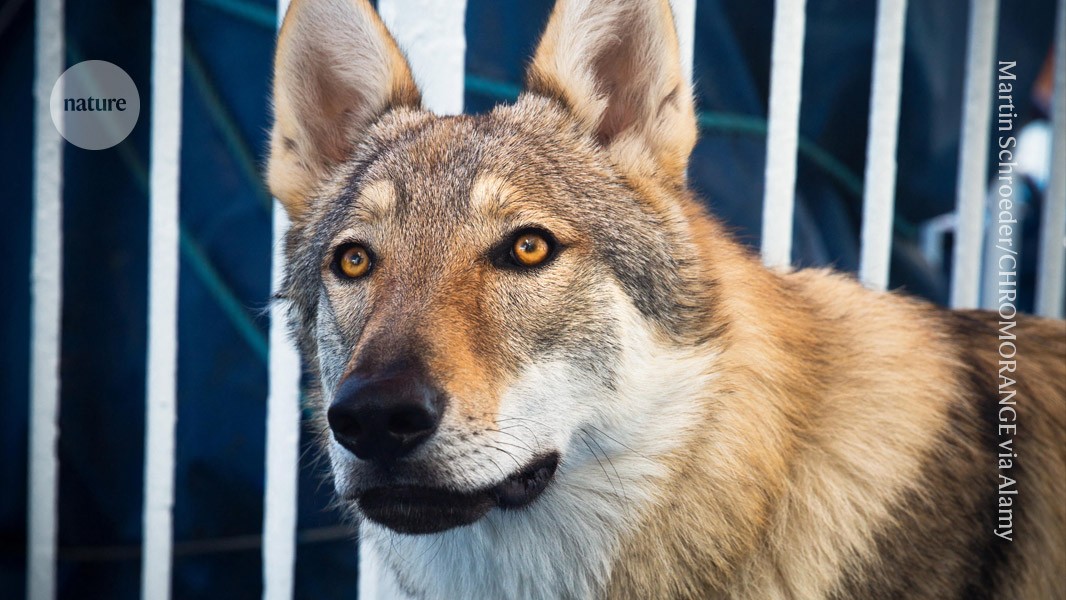
Who let the wolves in? Genetic record for domestic dogs pushed back by 5,000 years

fromMail Online
1 week ago
History

Dogs have been in Britain for 14,300 YEARS, fossil analysis reveals

Dogs have been domesticated in Britain for over 14,300 years, providing insight into the long-standing human-dog bond.
fromwww.theguardian.com
1 week ago
Pets

Bond between dogs and humans dates back more than 15,000 years, study finds

Ancient DNA analysis reveals the bond between dogs and humans dates back over 15,000 years, predating agriculture by millennia.
fromNature
1 week ago
History

Who let the wolves in? Genetic record for domestic dogs pushed back by 5,000 years

History
fromMail Online
1 week ago

Dogs have been in Britain for 14,300 YEARS, fossil analysis reveals

Dogs have been domesticated in Britain for over 14,300 years, providing insight into the long-standing human-dog bond.
Pets
fromwww.theguardian.com
1 week ago

Bond between dogs and humans dates back more than 15,000 years, study finds

Ancient DNA analysis reveals the bond between dogs and humans dates back over 15,000 years, predating agriculture by millennia.
fromwww.thehistoryblog.com
1 week ago

Toltec human sacrifice altar found in Mexico

The momoztli altar measures about one meter square and consists of three sections: a base of andesite quarry stone, a second section of larger slabs, and a top section of river stones and basalt.
History
#dartagnan
fromenglish.elpais.com
1 week ago
History

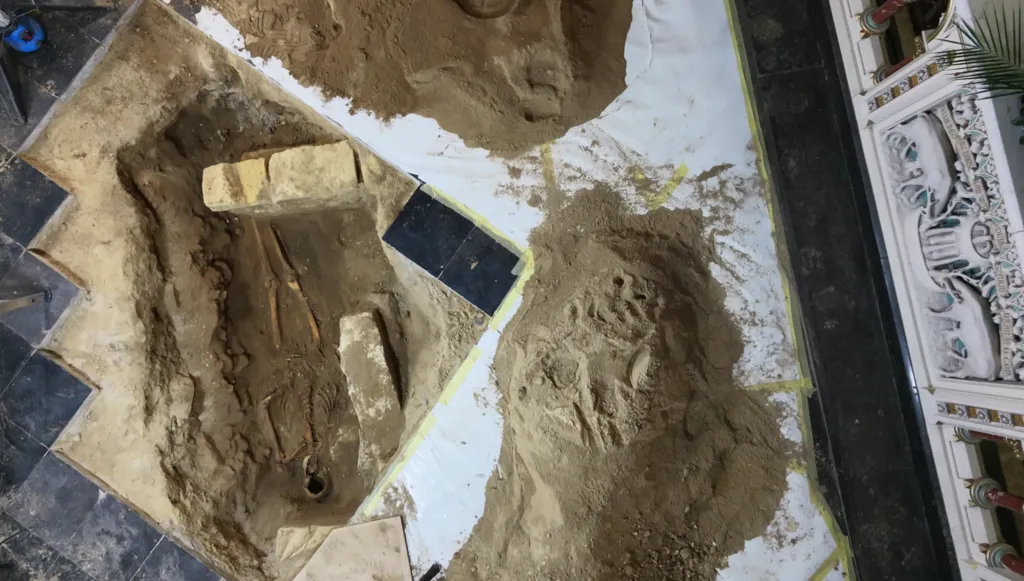
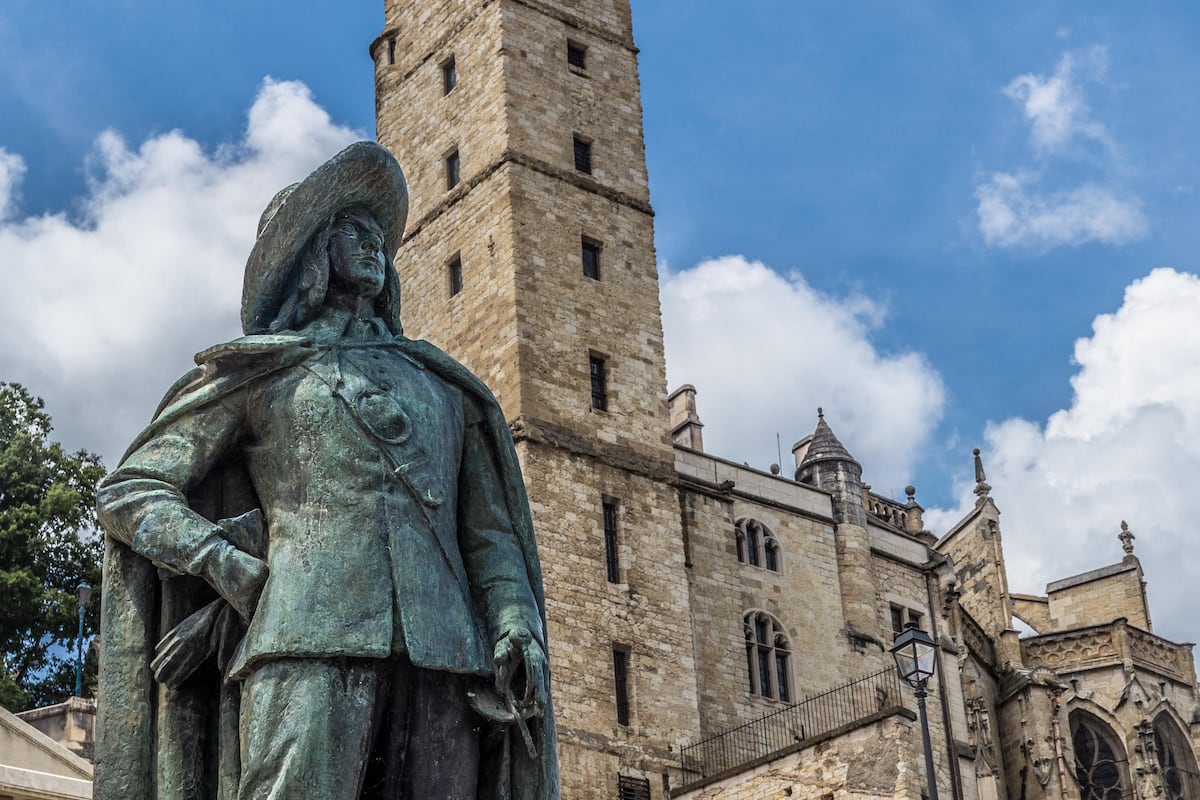
Is d'Artagnan lying beneath a church in Maastricht? DNA will determine if remains found are those of the famous musketeer

fromMail Online
1 week ago
History

Fourth musketeer D'Artagnan 'is discovered in Dutch church'

The remains of D'Artagnan may have been found beneath a Dutch church, supported by historical clues and ongoing DNA analysis.
fromwww.theguardian.com
1 week ago
History

Skeleton of Three Musketeers hero d'Artagnan may have been found

A skeleton discovered in Maastricht may belong to the 17th-century musketeer d'Artagnan, solving a long-standing mystery of his burial.
History
fromenglish.elpais.com
1 week ago

Is d'Artagnan lying beneath a church in Maastricht? DNA will determine if remains found are those of the famous musketeer

A skeleton found in Maastricht may belong to Count d'Artagnan, with DNA analysis underway to confirm its identity.
History
fromMedievalists.net
1 week ago

Scientists Confirm Remains of Medieval Emperor Otto the Great - Medievalists.net

Emperor Otto the Great's identity has been confirmed through scientific research, including DNA analysis, after centuries of uncertainty.
fromMail Online
1 week ago

Roman mosaic proves topless FEMALE gladiators fought animals

'Women fighting beasts in arena games are attested by the written sources, but no visual source is known to show their image,' author Alfonso Mañas wrote in the International Journal of the History of Sport.
History
Science
fromNature
1 week ago

Daily briefing: Earliest known dog genome pushes genetic record back 5,000 years

Early domestic dogs were crucial to diverse human communities, with their genomes dating back over 15,000 years.
#viking-age
History
fromwww.thehistoryblog.com
1 week ago

Hellenistic necropolis unearthed in Nessebar, Bulgaria

Hellenistic tombs with rare artifacts, including a gilded bronze wreath, were discovered in Nessebar, Bulgaria, highlighting the area's historical significance.
Pets
fromwww.dw.com
1 week ago

Humans and dogs scientists find new proof of ancient bond

A female puppy from 15,800 years ago in Turkey is identified as the earliest-known dog, predating the previous record by 5,000 years.
History
fromwww.thehistoryblog.com
1 week ago

Site where unique Iberian wolf ceramic was found excavated again

Excavation of the ancient Iberian Corral del Castell site in Spain reveals significant archaeological findings, including the only wolf depiction on Iberian pottery.
#medieval-history
Arts
fromArtnet News
1 week ago

True Origins of King Tut 'Curse' Emerge in Newly Sold Letter

Howard Carter disputes the 'Curse of the Pharaohs,' blaming journalist Arthur Weigall for its creation after being excluded from Tutankhamun coverage.
Wine
fromwww.scientificamerican.com
1 week ago

Pinot noir's grip on people's tastebuds is surprisingly old

Wine has been consumed for thousands of years, with recent studies revealing ancient grape varieties were cloned by winemakers in France.
Arts
fromColossal
1 week ago

A Doomed Mission to Mars Awaits Henry Wood's Lanky Explorers

Humans may establish a doomed colony on Mars, inspiring Henry Wood's series of wooden figures depicting their tragic stories.
fromArtnet News
1 week ago

Massive Cache of 42,000 Pottery Shards Reveals Daily Life in Ancient Egypt

The ostraca show us an astonishing variety of everyday situations. We find tax lists, deliveries, short notes about everyday activities, religious texts, and priestly certificates attesting the quality of sacrificial animals.
Arts
fromMail Online
1 week ago

Dark message found inscribed on sling bullet from ancient Holy Land

'This is the first instance of the Greek word "learn" attested on sling bullets - probably the local defender's sense of sarcasm.'
History
History
fromwww.thehistoryblog.com
1 week ago

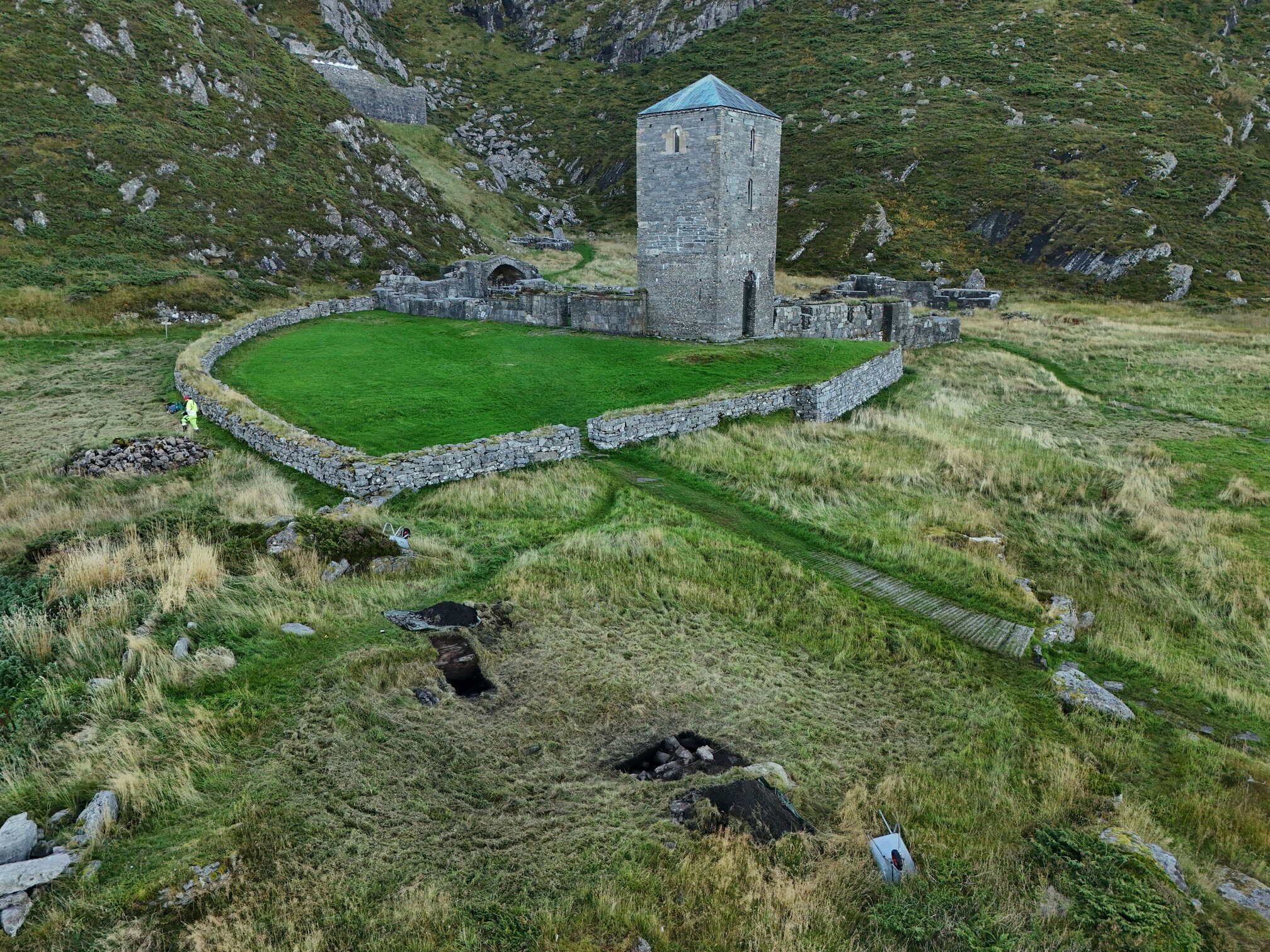
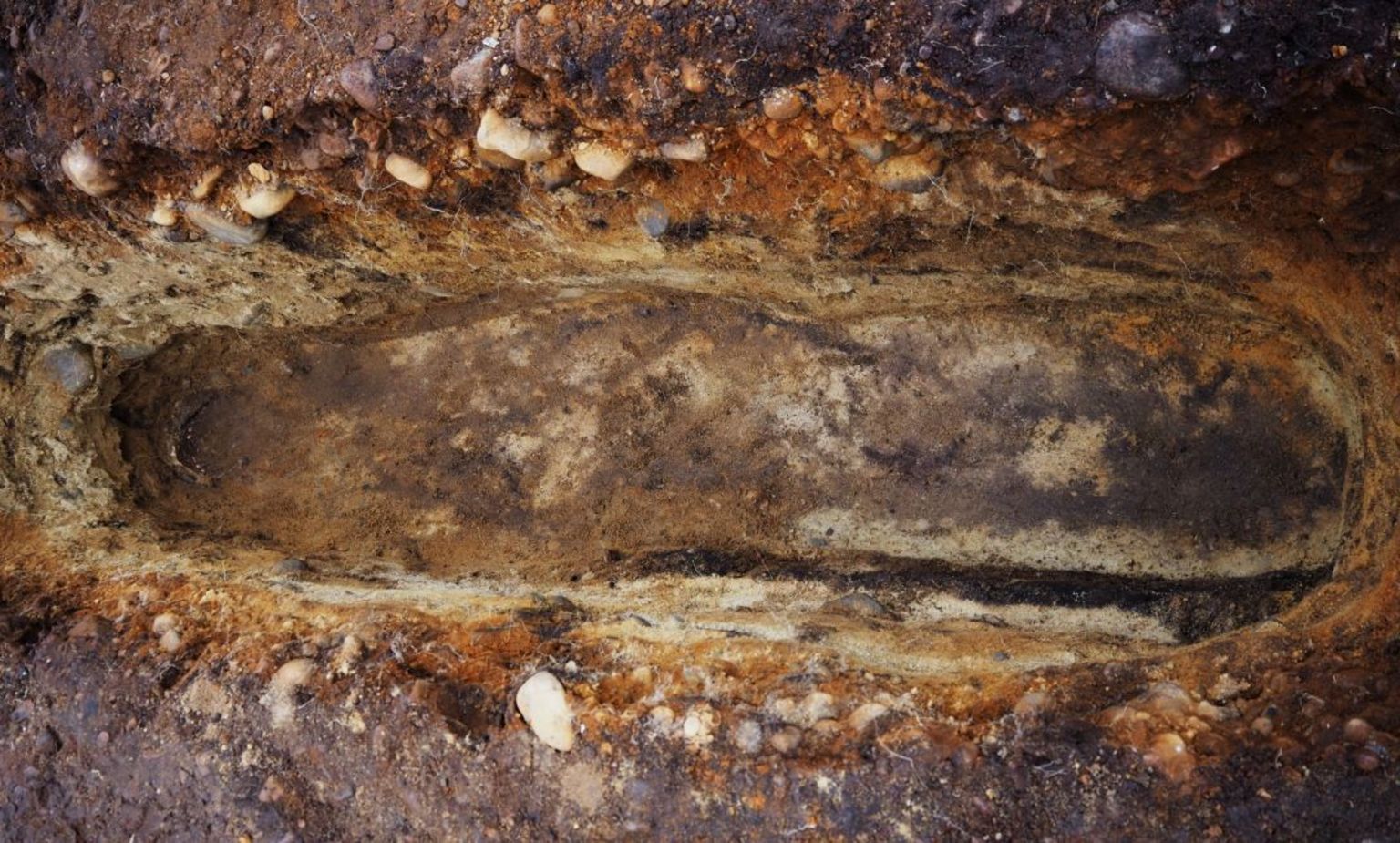
New gold foil old man found in Norway

A rare Nordic Iron Age gold man was discovered in Norway, dating between 550 A.D. and 793 A.D., indicating significant cultural importance.
History
fromwww.thehistoryblog.com
1 week ago

Intact 17th c. storage barrels found in Norway

Three 17th-century wooden barrels and a rammer were discovered in Skien, Norway, preserved in excellent condition due to moist soil and trash fill.
History
fromwww.dw.com
2 weeks ago

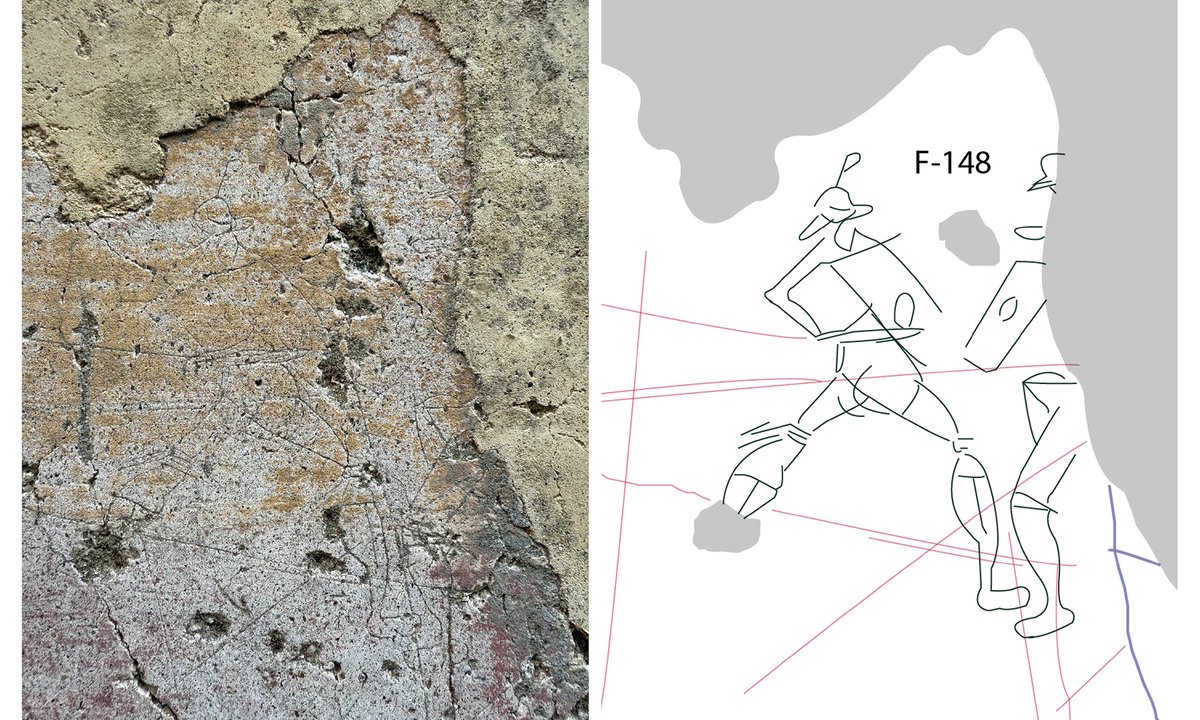
Ancient graffiti reveals scenes of everyday life in Pompeii

Ancient graffiti reveals insights into the lives of everyday people in Pompeii, showcasing spontaneous expressions from various social classes.
OMG science
fromArs Technica
2 weeks ago

An early Indigenous site may not be early, but it doesn't really matter

Monte Verde in Chile is 8,000 years old, not 14,500, but this does not alter the understanding of early human presence in the Americas.
Television
fromwww.theguardian.com
1 month ago

Vanished review even Kaley Cuoco can't save this desperately daft mystery caper

Kaley Cuoco stars in Vanished as archaeologist Alice, who becomes entangled in mystery and peril while navigating a relationship with Tom in a luxury hotel setting.
fromwww.thehistoryblog.com
1 month ago

Dog walkers in Scotland stumble on 2,000-year-old footprints

Two people walking their dogs on a beach in Scotland came across footprints left by humans and animals 2,000 years earlier. Although ancient footprints have been found in a handful of locations in England, this is the first such site ever recorded in Scotland. Ivor Campbell and Jenny Snedden spotted the prints on Lunan Bay in Angus, eastern Scotland, after a strong storm in January.
History
#iron-age
History
fromwww.thehistoryblog.com
1 month ago

1,000-year-old gold-filled tomb unearthed in Panama

A richly furnished elite Coclé tomb (800–1000 A.D.) at El Cano reveals ornate gold and ceramics, indicating centralized chiefdoms with long-distance exchange and ritual complexity.
History
fromwww.thehistoryblog.com
1 month ago

Tree rings of Princess of Bagicz wooden coffin resolve date dispute

A uniquely preserved Roman Iron Age oak log coffin reveals a wealthy woman's age, stature, arthritis, grave goods, and revised social-status interpretation.
Artificial intelligence
fromFast Company
1 month ago

A Roman board game has mystified researchers for years. AI discovered how to play

An ancient Roman-era limestone board from Coriovallum was identified as a blocking game (Ludus Coriovalli) using AI simulations matching wear patterns.
fromMail Online
1 month ago

Historic discovery older than Egypt's Great Pyramid rewrites history

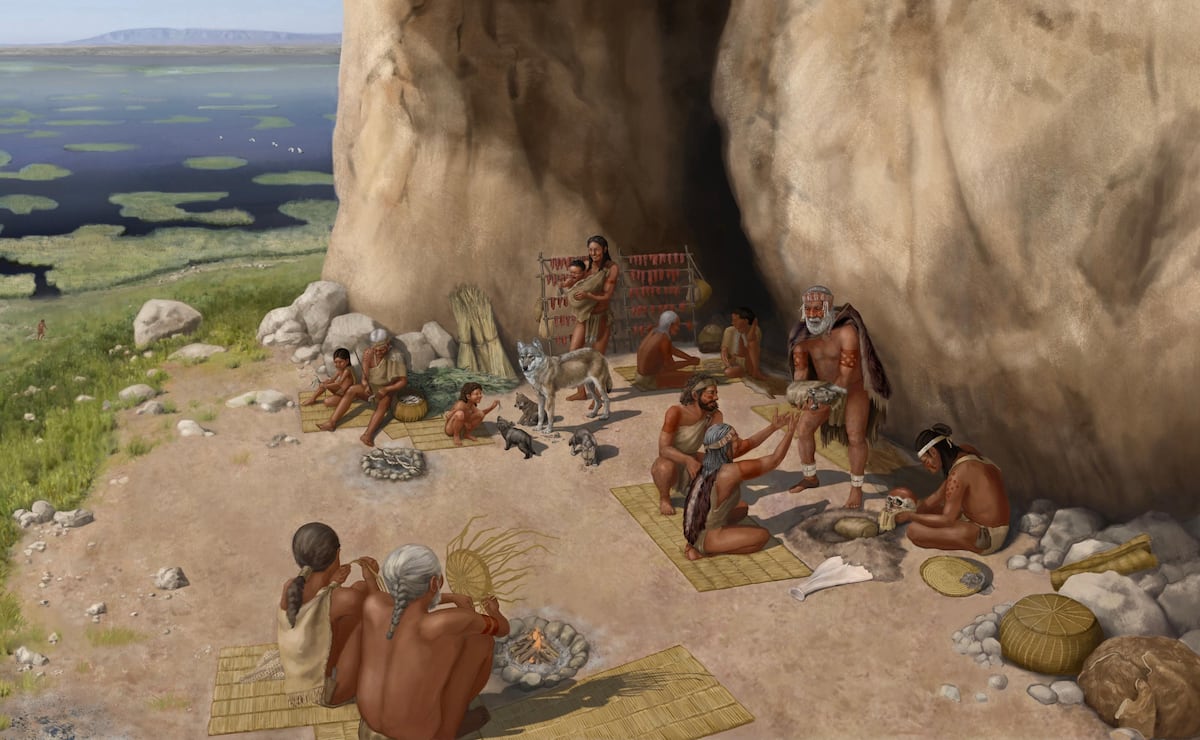
The oldest known pieces of sewn clothing have been discovered in a cave in Oregon, potentially rewriting all of human history. Researchers from the US uncovered pieces of animal hide stitched together from the end of the last Ice Age, approximately 12,000 years ago. That would mean that humans in North America had advanced skills, specifically for working with plants, animals, and wood, thousands of years before the Great Pyramid of Egypt was constructed.
Science
Science
fromwww.scientificamerican.com
1 month ago

This ancient South American kingdom ran on bird poop

A pre-Inca Peruvian civilization applied seabird guano to maize by at least 1250, boosting soil fertility, enabling larger harvests, population growth, and regional trade.
History
fromOpen Culture
1 month ago

Were the Egyptian Pyramids Not Built Up, But Carved Down?: A Bold New Theory Explains Their Construction

A proposed construction theory posits Giza pyramids were built by sequentially overbuilding and cannibalizing massive trapezoidal structures rather than by large external ramps.
Travel
fromTravel + Leisure
1 month ago

This 350-mile Path Is Italy's Oldest Road-and It Runs Through Idyllic Landscapes and Stunning Beach Towns

The Via Appia is Italy's first superhighway with preserved ancient stretches, archaeological sites, and modern asphalt covering much of its route.
fromwww.theguardian.com
1 month ago

Archaeology against the clock: the race to salvage fragments of early Brisbane

In a white and sterile office that could belong to any one of the warehouses that dot this industrial strip between Brisbane's airport and horse-racing precinct, a young woman is engrossed in a puzzle. Only this puzzle comprises, perhaps, three different sets, each almost (but not quite) identical to the other and none likely to be completed. Emily Totivan wears blue plastic gloves. She is an archaeology student helping to catalogue artefacts.
Science
fromMail Online
1 month ago

The bone that proves Hannibal really DID cross the Alps with elephants

While the bone was worn and poorly preserved, archaeologists managed to identify its origin by comparing it with modern elephant and mammoth bones. Despite there not being enough DNA to confirm the exact species, the researchers were able to carbon date a tiny sample of the bone. This places the elephant's death between the late fourth and early third centuries BC - right in the middle of the Second Punic War.
History
Science
fromHarvard Gazette
1 month ago

Memorial Minute for Nikolaas Johannes Van Der Merwe, 85 - Harvard Gazette

Nikolaas J. van der Merwe pioneered carbon and nitrogen isotope analysis, transforming dietary reconstruction and advancing archaeology, radiocarbon techniques, and related sciences.
History
fromSmithsonian Magazine
1 month ago

Afghanistan Was a Crossroad of the Ancient World, Where Hellenistic Culture Blended With Buddhist Influences

Greek and Macedonian settlers left by Alexander intermarried with locals in Central Asia, forming Hellenistic kingdoms whose cultural legacies persist and remain debated.
Science
fromNature
2 months ago

Daily briefing: Scientists delve into the smells of history

Researchers recreate historical smells and use imaging, AI, and biomedical advances to probe heritage, ancient human timelines, medical rescue devices, and rare-disease genetics.
fromwww.bbc.com
2 months ago

Treasures found on HS2 route stored in secret warehouse

Treasures unearthed by hundreds of archaeologists so far during work on the controversial planned HS2 train line have been shown exclusively to the BBC. The 450,000 objects, which are being held in a secret warehouse, include a possible Roman gladiator's tag, a hand axe that may be more than 40,000 years old and 19th Century gold dentures. It is an "unprecedented" amount and array of items, which will yield new insights into Britain's past, says the Centre for British Archaeology.
London
History
fromwww.thehistoryblog.com
2 months ago

Sealed bronze medieval reliquary found in Turkey

An intact sealed bronze reliquary cross from 9th–11th century Lystra was found containing shroud-like textile and designed to be worn as a pendant.
fromMail Online
2 months ago

Lost tomb of mysterious 'cloud people' unearthed after 1,400 years

Archaeologists in Mexico have uncovered a 1,400-year-old tomb in the Central Valleys of Oaxaca that had been lost to history. The stone structure, built by the Zapotec culture, known as Be'ena'a, or 'The Cloud People', is adorned with sculptures, murals and carved symbols that suggest ritual significance. The Zapotec believed their ancestors descended from the clouds and that, in death, their souls returned to the heavens as spirits.
World news
History
fromSlate Magazine
2 months ago

It's Long Been Considered One of the Most Mysterious Places in the World. The Answer Was Hiding in Plain Sight.

Easter Island's remote isolation and massive stone statues have prompted mystery and speculative theories, now challenged by an archaeological reinterpretation of the island's history.
Science
fromFuturism
2 months ago

Scientists Investigating 2,000-Year-Old Artifact That Appears to Be a Battery

A reconstructed Baghdad battery configuration could have produced about 1.4 volts, comparable to a modern AA battery, using a porous clay separator and an electrolyte.
#vitruvius
fromThe New Yorker
2 months ago

Easter Island and the Allure of "Lost Civilizations"

Finding out what actually happened in the deep past can be a slog, so when ancient history is packaged as mystery-spine-tingling but solvable-it's hard to resist. Who doesn't want to know how a lost civilization got lost, or where it might be hiding? The trouble is that what gets touted as a lost civilization often turns out to have been there all along.
History
fromwww.thehistoryblog.com
2 months ago

Extraordinary find: 10th c. bronze wheel cross matches mold found 43 years ago

A 10th–11th century bronze wheel cross found in western Havelland precisely matches a 1983 Spandau casting mold, offering tangible evidence of early Christianization in Brandenburg.
Science
fromwww.aljazeera.com
2 months ago

World's oldest cave art discovered in Indonesia's Muna island

Hand stencils on Muna island limestone caves are dated up to 67,800 years, making them the oldest known paintings in the world.
fromNature
2 months ago

Daily briefing: Symbols on ancient pottery could be earliest evidence of mathematics

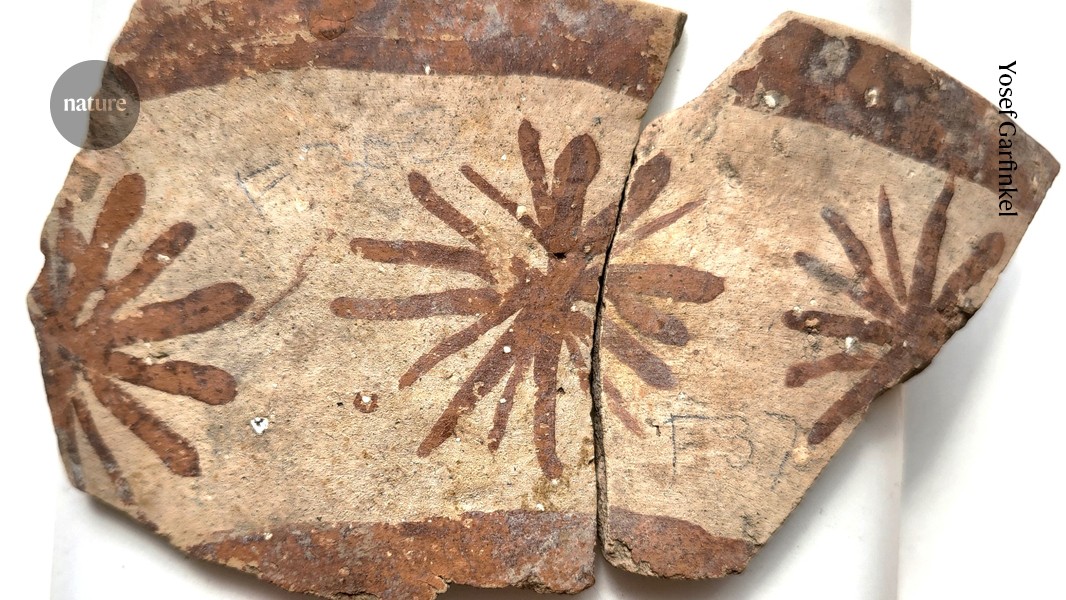
Pottery made by people of the Halafian culture, who inhabited northern Mesopotamia between around 6200 and 5500 BC, is painted with flowers that have 4, 8, 16 or 32 petals, and some show arrangements of 64 flowers. These patterns show a clear understanding of symmetry and spatial division long before written numbers came into use around 3400 BC, argue scientists in a new study. The skill might have helped the Halafian people with tasks such as sharing harvests or dividing communal fields, the authors say.
Science
fromwww.thehistoryblog.com
2 months ago

3,000-year-old royal menagerie found in China

The excavation revealed 19 small and medium-sized pits containing bones of different animals, including: short-horned domesticated buffalo, deer, roe deer, wolves, leopards, foxes, serows, wild boars, porcupines, swans, cranes, geese, haws and eagles. What makes it clear that at least a portion of the animals were kept and likely raised in captivity rather than hunted for sacrifice is the discovery of bronze bells worn around several of the animals' necks. Twenty-nine bells were found in 13 of the 19 pits.
History
History
fromwww.ianvisits.co.uk
2 months ago

Archaeologists uncover Victorian children's schoolwork in east London

Victorian East Londoners, including children, left material traces—school slates, marbles—and the dockside community accessed imported luxuries such as Chateau Margaux wine seals.
#ancient-mathematics
#roman-villa
fromAeon
2 months ago

How a playful literary hoax illuminates Classical queerness | Aeon Essays

Carved on the walls surrounding her sarcophagus were more than 150 ancient Greek poems in which Bilitis recounted her life, from her childhood in Pamphylia in present-day Turkey to her adventures on the islands of Lesbos and Cyprus, where she would eventually come to rest. Heim diligently copied down this treasure trove of poems, which had not seen the light of day for more than two millennia.
Philosophy
History
fromwww.thehistoryblog.com
2 months ago

Rare phallic ceramist stylus found in Sicily

A finely decorated 5th-century B.C. bone potter's stylus with a miniature herm and elaborate grooves suggests ceremonial or votive use beyond practical function.
fromTravel + Leisure
2 months ago

Georgia May Get Its First National Park Soon-and It Offers More Than Just Scenic Hiking Trails

Taking its name from the word for "boiling waters," Ocmulgee Mounds National Historical Park in Georgia dates back more than 12,000 years and features Indigenous earthen mounds used for burials and ceremonies. Today, it's in talks to be designated a national park with expanded acreage. "This was a capital city for the Creek Confederacy," says Tracie Revis, a member of the Muscogee (Creek) Nation and director of advocacy for the Ocmulgee National Park and Preserve Initiative (ONPPI).
History
Science
fromwww.scientificamerican.com
2 months ago

Archeologists Just Found a 2,000-Year-Old Battle Trumpet That May Be Linked to Queen Boudica

A roughly 2,000-year-old Iron Age carnyx was discovered in West Norfolk, likely linked to Celtic resistance against Rome and possibly to Boudica's Iceni.
fromenglish.elpais.com
2 months ago

Poison in arrows from 60,000 years ago: Oldest evidence of its use in human weapons discovered

The use of poisoned hunting weapons is one of the most important innovations in the history of humans obtaining meat and has intrigued researchers for centuries. Until now, the oldest evidence came from bone arrowheads with traces of toxic glycosides found in Kruger Cave, South Africa, dating back to the mid-Holocene, about 6,700 years ago. However, a study published Wednesday in the journal Science Advances significantly extends that timeline.
Science
fromwww.scientificamerican.com
2 months ago

Humans Made Poisoned Arrowheads Thousands of Years Earlier Than Previously Thought

Researchers have found traces of what appears to be plant-derived poison on tiny stone arrowheads from South Africa dated to 60,000 years ago. The finding pushes back the origin of this revolutionary hunting technology by tens of thousands of years. Scientists have long been fascinated by the development of poisoned hunting weapons. For one thing, they would have seriously leveled up our ancestors' foraging game.
Science
Science
fromwww.independent.co.uk
2 months ago

Inside the quest for the origin of Stonehenge's Altar Stone

Professor Richard Bevins traced Stonehenge's Pembrokeshire bluestones to Craig Rhos-y-Felin, providing the first definitive quarry match and reviving transport debates.
Film
fromwww.theguardian.com
2 months ago

From iron age tunnels to YouTube: Time Team's extraordinary' digital renaissance

Time Team, a UK archaeology TV series launched in 1994, revived on YouTube and Patreon, now funds new digs like the Ness of Brodgar.
History
fromwww.thehistoryblog.com
3 months ago

Largest Roman shoe ever found to go on display

Magna yielded unusually many extra-large Roman shoes, including a 12.8-inch (US men's 14) pair, indicating presence of unusually tall or specialist soldiers.
#genomics
Berlin
fromwww.dw.com
3 months ago

Berlin: Archaeologists on a treasure hunt in the capital DW 12/27/2025

Excavations at Berlin's Molkenmarkt reveal medieval life through artifacts—sawn-open goat skulls, latrine-preserved objects, and evidence of dietary and urban development.
fromwww.theguardian.com
3 months ago

Killing the Dead by John Blair review a gloriously gruesome history of vampires

The word vampire first appears in English in sensational accounts of a revenant panic in Serbia in the early 18th century. One case in 1725 concerned a recently deceased peasant farmer, Peter Blagojevic, who rose from the grave, visited his wife to demand his shoes, and then murdered nine people in the night. When his body was disinterred, his mouth was found full of fresh blood. The villagers staked the corpse and then burned it.
History
Higher education
fromHarvard Gazette
3 months ago

Digging for old Harvard - Harvard Gazette

Harvard students excavate a 17th-century site in Harvard Yard to uncover artifacts from Harvard Hall and understand early student life and institutional shifts.
fromwww.thehistoryblog.com
3 months ago

Two of Switzerland's oldest gold coins found

Research suggests that the introduction of monetary systems in Central Europe can be traced back to Celtic mercenaries. These men were paid for their services in Greece with coins and brought them back home with them. Around the middle of the 3rd century BC, the Celts began their own coinage, imitating gold coins of the Macedonian king Philip II (359336 BC).

History
[ Load more ]