#armenia-russia-relations
#armenia-russia-relations
[ follow ]
#iran #russia #middle-east #north-korea #ukraine #middle-east-conflict #ukraine-war #diplomacy #belarus



#middle-east
World politics
fromLondon Business News | Londonlovesbusiness.com
1 week agoRussia warns 'the biggest war in the Middle East could still be ahead' - London Business News | Londonlovesbusiness.com
Dmitry Medvedev warns of an impending major conflict in the Middle East, attributing it to U.S. actions and regional tensions.
#russia

Russo-Ukrainian War
fromwww.theguardian.com
1 week agoEuropean intelligence agencies believe Russia is supplying drones to Iran, says official
Russia is preparing to supply drones to Iran for use against US and Israel, marking a significant escalation in their military cooperation.
Russo-Ukrainian War
fromwww.aljazeera.com
1 week agoRussian officials meet US counterparts as Moscow denies aiding Iran
Russian officials visit the US for talks amid ongoing Ukraine war, signaling a potential revival of bilateral engagement despite strained relations.
fromLondon Business News | Londonlovesbusiness.com
1 week agoRusso-Ukrainian War
After a failed winter campaign, why it's not all bad news for Moscow - London Business News | Londonlovesbusiness.com
Russia's military strategy in Ukraine relies on repetitive patterns, leading to predictable outcomes and ongoing challenges despite attempts at a spring offensive.
fromLondon Business News | Londonlovesbusiness.com
1 month agoMiscellaneous
Moscow warns the 'West is testing Russia, we will strike back' - London Business News | Londonlovesbusiness.com
Kremlin warns Western seizures of Russia's shadow-fleet oil transports could prompt harsh military and maritime responses, escalating tensions over energy and sanctions enforcement.
Russo-Ukrainian War
fromLondon Business News | Londonlovesbusiness.com
1 week agoAfter a failed winter campaign, why it's not all bad news for Moscow - London Business News | Londonlovesbusiness.com
Russia's military strategy in Ukraine relies on repetitive patterns, leading to predictable outcomes and ongoing challenges despite attempts at a spring offensive.

US politics
fromLondon Business News | Londonlovesbusiness.com
3 weeks agoTrump's Russia tariff U-turn sparks fury as Kremlin cashes in during Iran war - London Business News | Londonlovesbusiness.com
The Trump administration's wavering on Russia tariffs risks financially benefiting Moscow while simultaneously confronting Iran and its Russian ally, creating a strategic contradiction in US foreign policy.
Travel
fromConde Nast Traveler
4 weeks agoIs it Safe to Travel to Turkiye? What to Know Amid the Conflict in Iran
Turkey remains largely safe for tourists despite regional conflict, with most popular destinations operating normally under Level 2 travel advisory, though southeastern provinces near Iran border are restricted.
#russia-ukraine-conflict

Europe news
fromwww.aljazeera.com
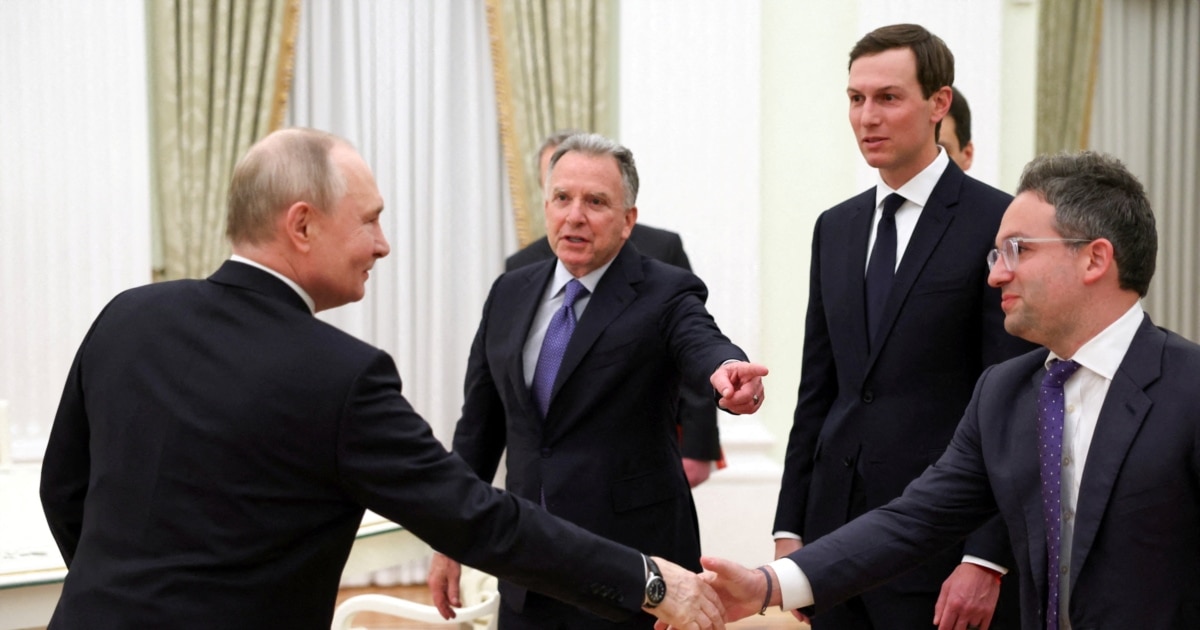
3 weeks agoRussia the only winner' of US-Israel war on Iran: EU Council president
Russia is the sole beneficiary of the US-Israeli conflict with Iran, gaining resources to finance its war in Ukraine while global attention and military support shift away from the Ukrainian front.

UK news
fromwww.theguardian.com
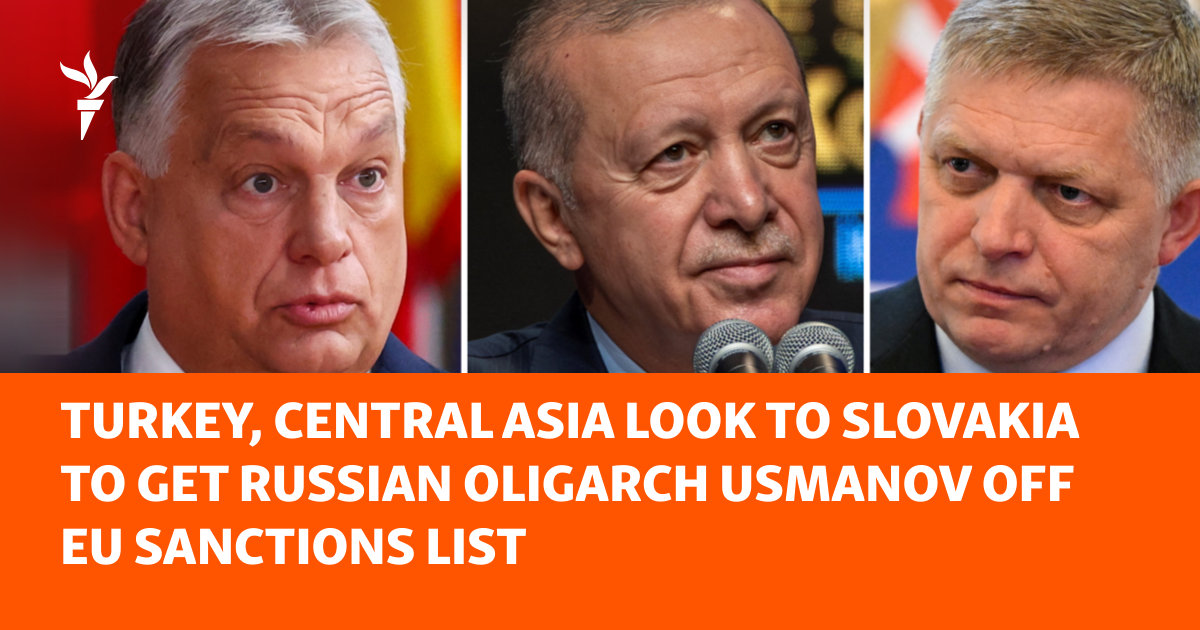
1 month agoDecision to allow UK exports to Armenian firm under review over Russian links
UK ministers are reviewing approval for a British company to export carbon fibre production equipment to Armenia after discovering links between the Armenian buyer and Russia's military supply chain.
#iran-azerbaijan-tensions
World news
fromRadioFreeEurope/RadioLiberty
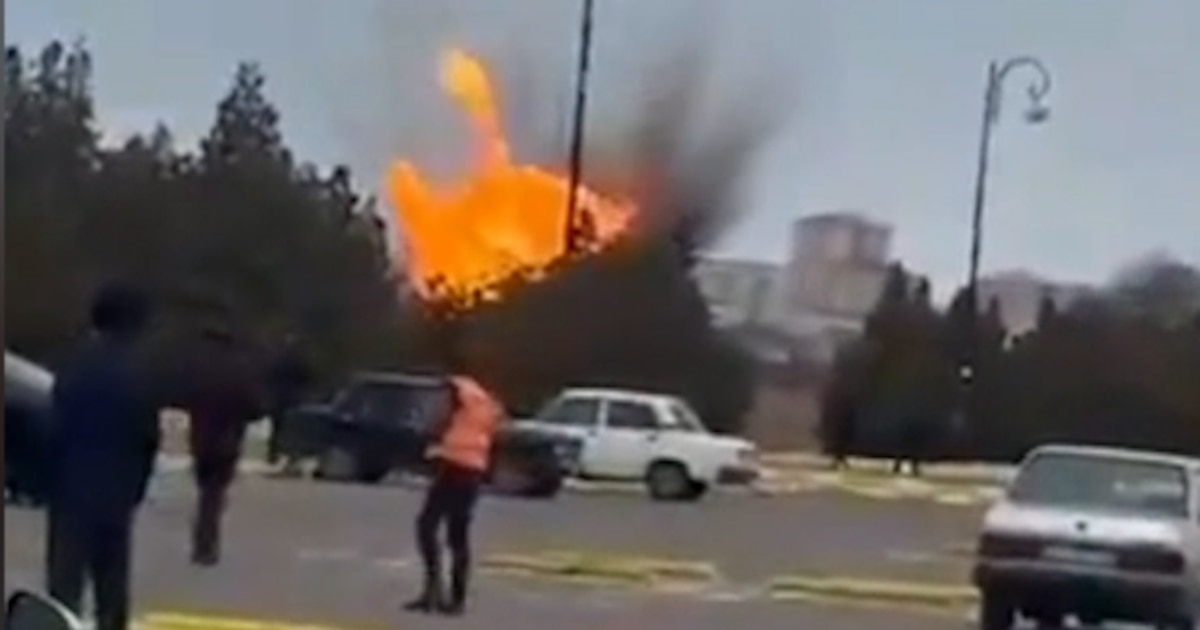
4 weeks agoAzerbaijan Accuses Iran Of Plotting Attack On Major Pipeline, Jewish Sites
Azerbaijan claims Iranian IRGC operatives planned terrorist attacks on critical infrastructure including the BTC pipeline, Israeli Embassy, and Jewish sites to destabilize the region.
World news
fromRadioFreeEurope/RadioLiberty
4 weeks agoAzerbaijan Accuses Iran Of Plotting Attack On Major Pipeline, Jewish Sites
Azerbaijan claims Iranian IRGC operatives planned terrorist attacks on critical infrastructure including the BTC pipeline, Israeli Embassy, and Jewish sites to destabilize the region.
World politics
fromenglish.elpais.com
3 weeks agoRussia cashes in on Iran war: We should secure benefits for ourselves, no matter how cynical that may sound'
Russia prioritizes immediate self-interest over multipolar alliance commitments, revealing contradictions between its stated ideology and pragmatic geopolitical behavior amid shifting global power dynamics.
fromThe Washington Post
3 weeks agoRussians say Iran attack shows U.S. can't be trusted in Ukraine talks
Trump's decision to assassinate Iran's supreme leader, Ayatollah Ali Khamenei, while Iran was in active negotiations with the president's envoy Steve Witkoff and son-in-law Jared Kushner has reinforced a growing sense among hard-liners in Moscow that diplomacy is fragile - perhaps even pointless - in a world in which the United States is willing to use military force to achieve its goals.
World politics
World politics
fromThe Cipher Brief
1 month agoA Quiet Peace in the Caucasus Could Change the Balance of Power
A U.S.-brokered peace deal between Armenia and Azerbaijan could end decades of conflict, establish new trade routes bypassing Russia, and reshape South Caucasus geopolitics and regional stability.
France news
fromRadioFreeEurope/RadioLiberty
2 months agoDiplomatic Breakthrough: Paris And Moscow Trade Detainees In High-Profile Swap
Russia freed French researcher Laurent Vinatier in exchange for Russian basketball player Daniil Kasatkin, who is wanted by the United States on hacking-related charges.
Russo-Ukrainian War
fromRadioFreeEurope/RadioLiberty
4 weeks agoUS Officials Confirm Russia Providing Targeting Intelligence to Iran In Middle East War
Russia is providing Iran with targeting information on US military assets in the Middle East to support attacks against American troops and installations.
Russo-Ukrainian War
fromwww.theguardian.com
4 weeks agoIran war live updates: US temporarily lets India buy Russian oil amid energy fears; Israeli military launches strikes on Beirut
Ukraine will provide equipment and expertise to help the US and allies defend against Iranian Shahed drones, leveraging its experience countering Russian drone attacks.
World politics
fromwww.aljazeera.com
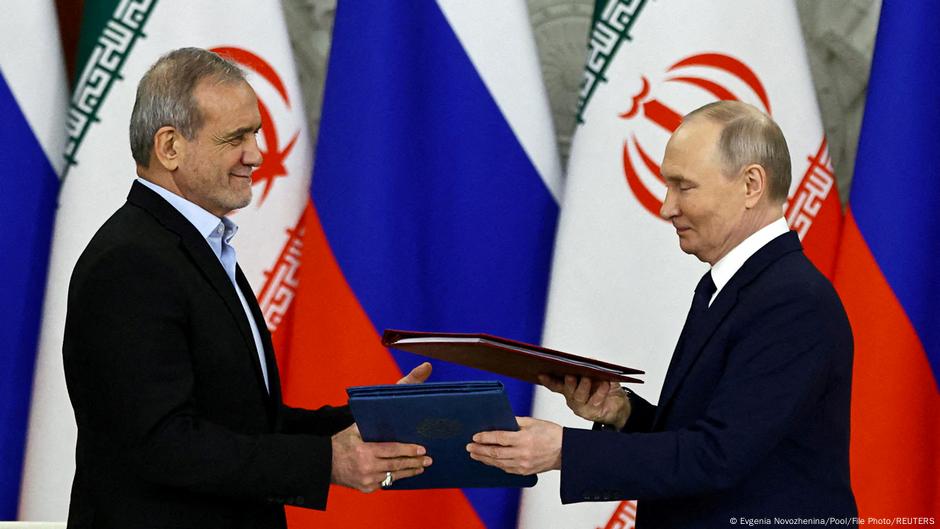
1 month agoWhere are Iran's allies? Why Moscow, Beijing are keeping their distance
Russia and China condemned the US-Israeli attack on Iran as a violation of international law but declined to provide military support despite their strategic partnerships with Tehran.

World politics
fromwww.aljazeera.com
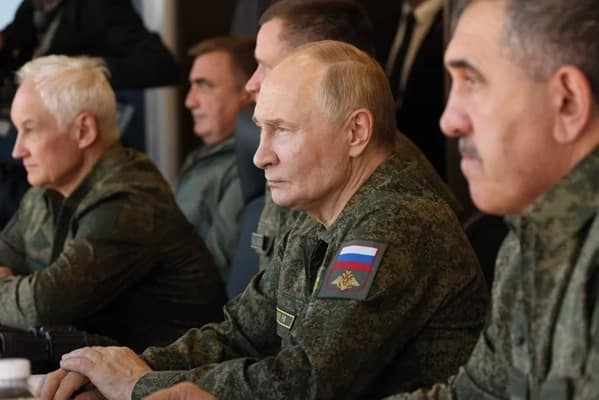
1 month agoRussia, China raise diplomatic voices against US-Israeli attacks on Iran
China and Russia criticize US-Israeli attacks on Iran, with Russia finding no evidence of Iranian nuclear weapons development and China demanding immediate cessation of military operations.
World politics
fromThe Washington Post
1 month agoAttack on Iran shows Russia losing sway in the Middle East and globally
Russia's diminished global influence is exposed as three allied leaders fall in Syria, Venezuela, and Iran, while Moscow prioritizes its Ukraine war over maintaining international partnerships.
fromLondon Business News | Londonlovesbusiness.com
1 month agoMoscow and Washington examine 'possible and proposed trade and economic interaction' - London Business News | Londonlovesbusiness.com
The United States is reportedly in discussions with Russia on a range of high-stakes infrastructure and trade projects, including a nuclear-powered datacenter and a tunnel under the Bering Strait, according to The Economist. Sources close to the talks indicate that associates within the orbit of former President Donald Trump are exploring potential stakes in Russian energy assets. In addition, negotiations are reportedly ongoing over rare-earth metals, oil, and gas projects in the Arctic region.
World news
World news
fromLondon Business News | Londonlovesbusiness.com
1 month agoRussia and Iran launch joint naval drills as the region is on a war footing - London Business News | Londonlovesbusiness.com
Russia and Iran began joint naval exercises in the Gulf of Oman and northern Indian Ocean, signaling increased military coordination amid U.S.-Iran tensions.
fromwww.dw.com
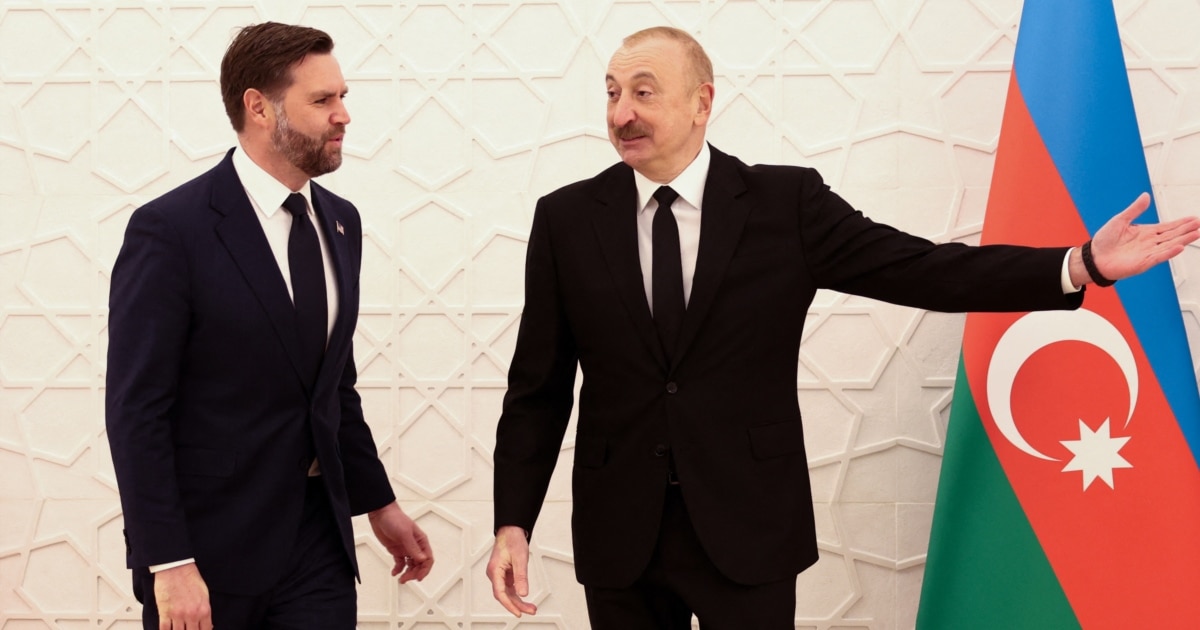
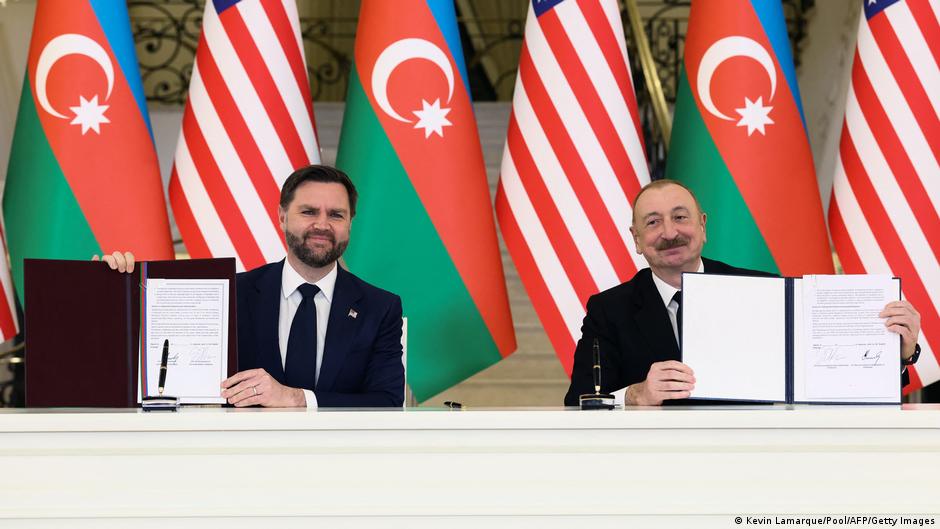
1 month agoUS Vice President Vance in Armenia for peace talks
Vance was greeted with a red carpet, an honor guard and an official delegation before he was driven to a meeting with Armenia's Prime Minister Nikol Pashinyan. Speaking to reporters before the meeting, Vance said, "The prime minister has been a great friend of ours and a real ally in peace and development in this region (of) the world."
World news
World politics
fromThe Washington Post
1 month agoVance visits Armenia, Azerbaijan as Trump eyes deals in Russia's sphere
The United States is promoting a TRIPP transit corridor and trade/security deals to reduce Armenia's and Azerbaijan's reliance on Russia and Iran, intensifying great-power competition.
fromwww.aljazeera.com
2 months agoJust like Venezuela, Iran, too, is expendable for Russia
The abduction of Venezuelan President Nicolas Maduro by the United States military and the subsequent threats by Washington to intervene in Iran during its recent upheaval have generated a tide of enthusiasm in hawkish pro-Ukraine circles in the West. If Moscow's allies are weakened, then Russia also gets weaker, the simplistic logic goes. Although he criticised US interventionism in the past, US President Donald Trump is newly infected with the regime change fever once spread by his Democratic predecessors.
World politics
World news
fromwww.dw.com
2 months agoWhat to make of Israel's military plans with Greece, Cyprus DW 01/05/2026
Cyprus, Greece and Israel signed trilateral and bilateral military cooperation agreements including joint exercises, working groups, strategic dialogue, and expertise exchange on unmanned systems.
fromwww.aljazeera.com
1 month agoSyria and Saudi Arabia sign multibillion-dollar investment deals
Syria and Saudi Arabia have signed a major investment package spanning aviation, energy, real estate and telecommunications as Damascus's new leadership seeks to rebuild after a devastating 14-year civil war. Syrian Investment Authority chief Talal al-Hilali announced a swath of deals on Saturday, including the development of a new international airport in Aleppo, the launch of a low-cost Syrian-Saudi airline, and a telecommunications project called SilkLink aimed at turning the country into a regional hub.
World news
fromwww.dw.com
2 months agoJapan, South Korea vow stronger ties amid China challenge
"Both sides agreed on "shuttle diplomacy" three years ago, with regular meetings at the highest level. Lee's national security adviser, Wi Sung Lac, said the summit's goal was to build trust between the South Korean and Japanese leaders. Lee and Takaichi discussed ways to boost cooperation in a raft of areas including cutting-edge technologies such as artificial intelligence, combating cross-border crime, and promoting people-to-people exchanges."
World news
World news
fromBusiness Insider
2 months agoRussia could face costly write-offs in Venezuela on its oil assets and arms loans, think tank analyst says
US military action in Venezuela jeopardizes Russia's decades-long investments, oil and arms deals, and could deepen economic strain amid sanctions and weak oil prices.
fromwww.aljazeera.com
2 months agoIsrael, Syria agree to dedicated communication line in US-brokered talks
Joint mechanism will be used to de-escalate militarily, and may pave the road for an eventual security agreement. Israel and Syria have agreed to set up a joint mechanism to be used for sharing intelligence and coordinating military de-escalation under United States supervision, according to a statement released by the three countries. The dedicated communication cell, as Tuesday's statement describes the mechanism, will also facilitate diplomatic engagement and commercial opportunities.
World news
fromwww.aljazeera.com
2 months agoIs the Eastern Mediterranean becoming Israel's new front against Turkiye?
Two meetings, held almost simultaneously towards the end of December, offered a stark illustration of the competing strategic visions now shaping the Eastern Mediterranean and the Levant. In Damascus, Turkiye's foreign, defence and intelligence chiefs met Syrian officials on December 22 as Ankara continued to prioritise the consolidation of state authority and stabilisation after the fall of Bashar al-Assad's government in Syria.
World news
[ Load more ]