Higher education
fromThe Atlantic
1 day agoWhat an Ivy League Education Really Gets You
Graduates from elite universities dominate key sectors of the economy and culture despite being a small percentage of the population.

Mogging is Gen Z and Gen Alpha slang for dominating or outshining others-usually in terms of appearance, fitness, or straight-out cockiness. It comes from the acronym for Alpha Male of the Group, namely AMOG. And you'll see it all over TikTok.
Work, in the words of Karl Marx, is a "means of life" in two senses. It is, first of all, an instrument for human life. It is the activity by which we reproduce ourselves from day to day, from year to year, from generation to generation. But work also forms, so to speak, much of the matter of human life, at least for most people in any society with which we are familiar.
We're literally representing every single aspect of UK life. Unlike other series that focused on wealth and power with tantalizing sets to match—Succession, most recently—there's usually a darker, colder sheen to the environs of Industry. Each character is depicted in their own environments more often than previous seasons, just as the scripts reveal deeper and more intimate layers of the characters. The spaces on screen align with their interiority and they're less gleaming penthouse than tarnished mansion.
Growing up outside Manchester, I learned early that there's a stark difference between having money and knowing how to make things last. My dad worked factory shifts while my mum juggled retail hours, and our house ran on an unspoken rule: if something still worked, you didn't replace it. Last month, I visited a friend in Belgravia who was renovating his kitchen. As we chatted over coffee, workers hauled out perfectly functional appliances that looked barely used.
After spending years in corporate London, rubbing shoulders with people from every economic bracket, I've noticed something fascinating: The truly wealthy operate by a completely different playbook. Things that middle-class professionals proudly display as badges of success? The genuinely affluent find them, well, rather tasteless. It's about understanding that real wealth whispers while new money shouts. Trust me, coming from a working-class background outside Manchester, learning these unwritten rules was like decoding a secret language.
Adisturbing number of the oligarchs responsible for the mess we're in are not very smart. I realize that this seems like a minor complaint when so many of them are also evil, incompetent, and causing enormous amounts of human suffering. (Though perhaps it's better that they're dimly lit, because who knows how much worse things would be if they were truly evil geniuses?)
Growing up outside Manchester, I remember watching my mum count out exact change at the supermarket checkout, keeping a running total in her head as she shopped. Meanwhile, my university roommate would just toss things in his trolley without a second thought. That's when it hit me: Financial security isn't just about having money. It's about the mental space that money creates.
"Finding good help is so difficult these days." I nearly choked on my coffee the first time I heard this at a dinner party. The speaker was lamenting how their cleaner had rescheduled, throwing off their entire week. Meanwhile, most working class families I know clean their own homes after pulling double shifts, often with kids in tow. What really gets me is when they complain about these services in front of people who could never afford them.
Around the turn of the 21st century, the U.K. witnessed a dramatic surge in housing prices: the costs rose from four times peoples' annual earnings in 1995, to eight times by 2010. Homeowners subsequently enjoyed a wealth windfall, and it resulted in their kids receiving more housing wealth and higher-paying jobs, according to recent research from the Institute for Fiscal Studies. Lower-income renters, on the other hand, were faced with new affordability challenges.
Years later, after countless nights in hotels from budget chains to five-star establishments, I've noticed something interesting. Those of us who grew up in lower-middle-class households carry certain behaviors with us into these spaces. They're not necessarily bad habits, but they're telling. They reveal a childhood where every pound mattered and waste was practically a sin. I've seen these patterns in myself, in friends from similar backgrounds, and in countless fellow travelers over the years.
Rudi Batzell offers a material account of how racial hierarchies formed in the United States, framing the history of racism in the labor movement as a question not of biases and prejudice but of access to property and land. Racism is often considered a question of thoughts, feelings, and beliefs. The accused racist will sometimes deploy the tired old defense that he or she "has black friends,"
Growing up outside Manchester, I thought everyone kept their tea bags to use twice. It wasn't until I was at university, sitting in a friend's kitchen in London, that I realized this wasn't normal. My friend watched in horror as I carefully squeezed out my used tea bag and placed it on a saucer for later. "What are you doing?" he asked, genuinely confused.
income‑based divergence in spending and wage growth persists, and we are concerned that a 'K' shape is opening up between higher-income households and middle-income households, alongside the existing gap with lower-income households.
Few ideas are as central to the nation's identity as that of the American Dream. With the 250th birthday of the United States coming up in July 2026, it's worth stepping back to examine a concept essential to the nation's self-image. The term "American Dream" was actually coined in the 1930s by historian James Truslow Adams. Ever since the establishment of the Colonies, however, America has been viewed as a land where individual and collective hopes and aspirations can be realized.
That's when it hit me: There are certain phrases that instantly reveal someone grew up with money, even when they're not trying to flex. These verbal tells slip out in everyday conversation, painting a picture of childhoods filled with private schools, summer homes, and trust funds without ever mentioning a single dollar amount. After interviewing over 200 people throughout my career, from startup founders to researchers studying social behavior, I've noticed these linguistic patterns repeatedly. They're not necessarily bad or good, just revealing.
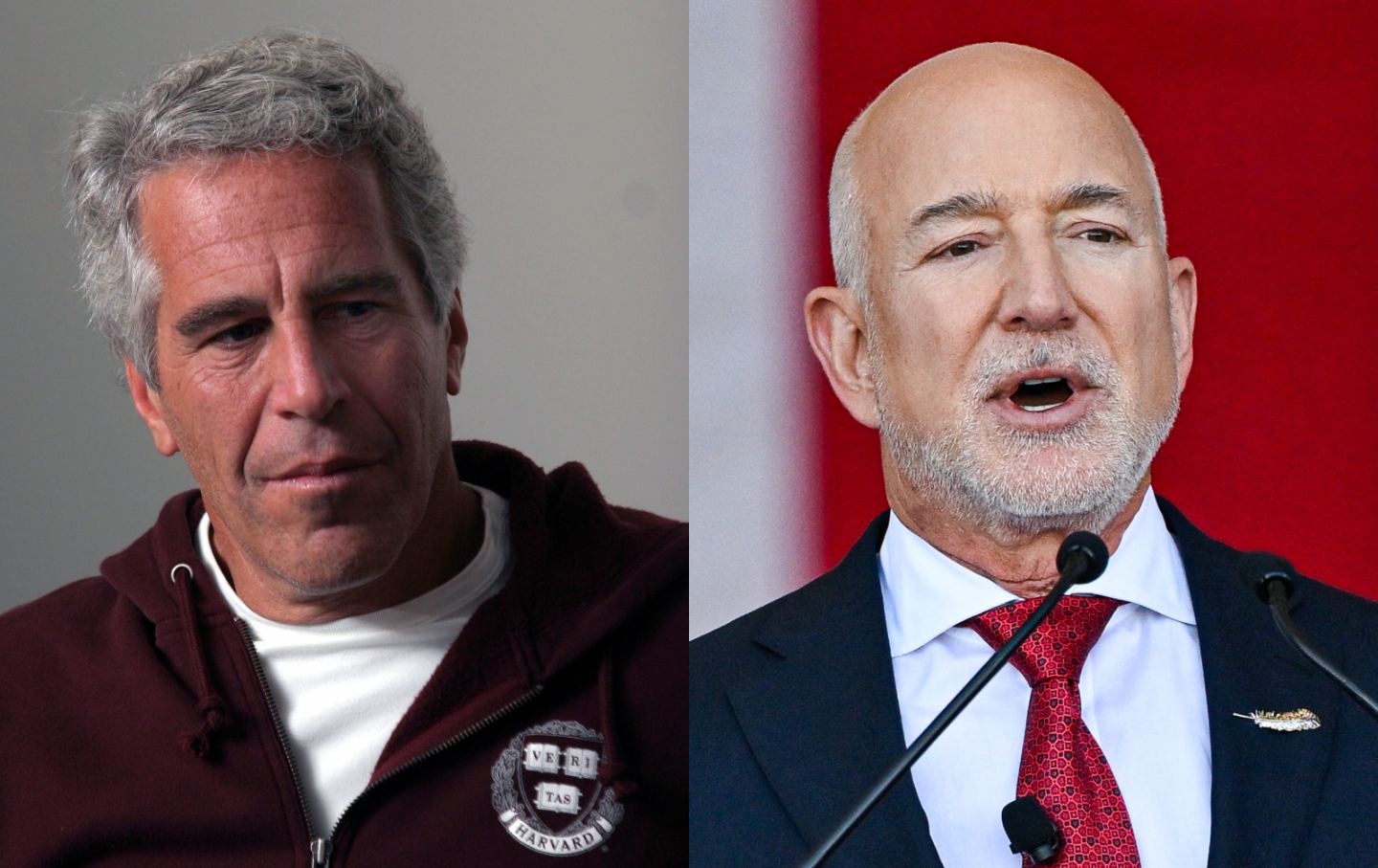
Peter Mandelson began seeking advice from the convicted child sex offender Jeffrey Epstein on how to land highly paid senior roles with companies including BP and Glencore within days of Labour's 2010 electoral defeat, emails show. A flurry of messages, sent in the weeks and months following the collapse of the New Labour project, reveal how Epstein mentored Mandelson as the former cabinet minister touted himself for lucrative jobs at global businesses.
It's human nature to judge your personal economics and mood on how you feel, influenced heavily by conscious and subconscious comparisons to others. So it's possible President Trump is right: U.S. growth and stocks soar in 2026. But even then, because the AI-connected hyperwealthy do so much better than everyone else, fear and resentment still grow. It's also possible the AI bubble pops, and everyone suffers. But the Have-Lots will (mostly) still have lots.
You know that split-second pause when someone asks what you do for a living at a party? That momentary calculation where you decide whether to say "I'm a writer" or "I work in content creation" or maybe throw in something about "behavioral analysis"? I've been there more times than I can count, and it got me thinking about all the tiny choices we make that secretly broadcast who we are, or who we want people to think we are.