#ashes-buildup
#ashes-buildup
[ follow ]
#winter-storm #flooding #hawaii #avalanche #natural-disaster #power-outages #extreme-weather #severe-weather




#bomb-cyclone


Chicago
fromMail Online
3 weeks agoHazardous weather alert for 200 million as megastorm barrels across US
A powerful megastorm will sweep across the central US from Sunday to Monday, potentially becoming a bomb cyclone with blizzard conditions, severe thunderstorms, and widespread travel disruptions across major cities.
fromwww.theguardian.com
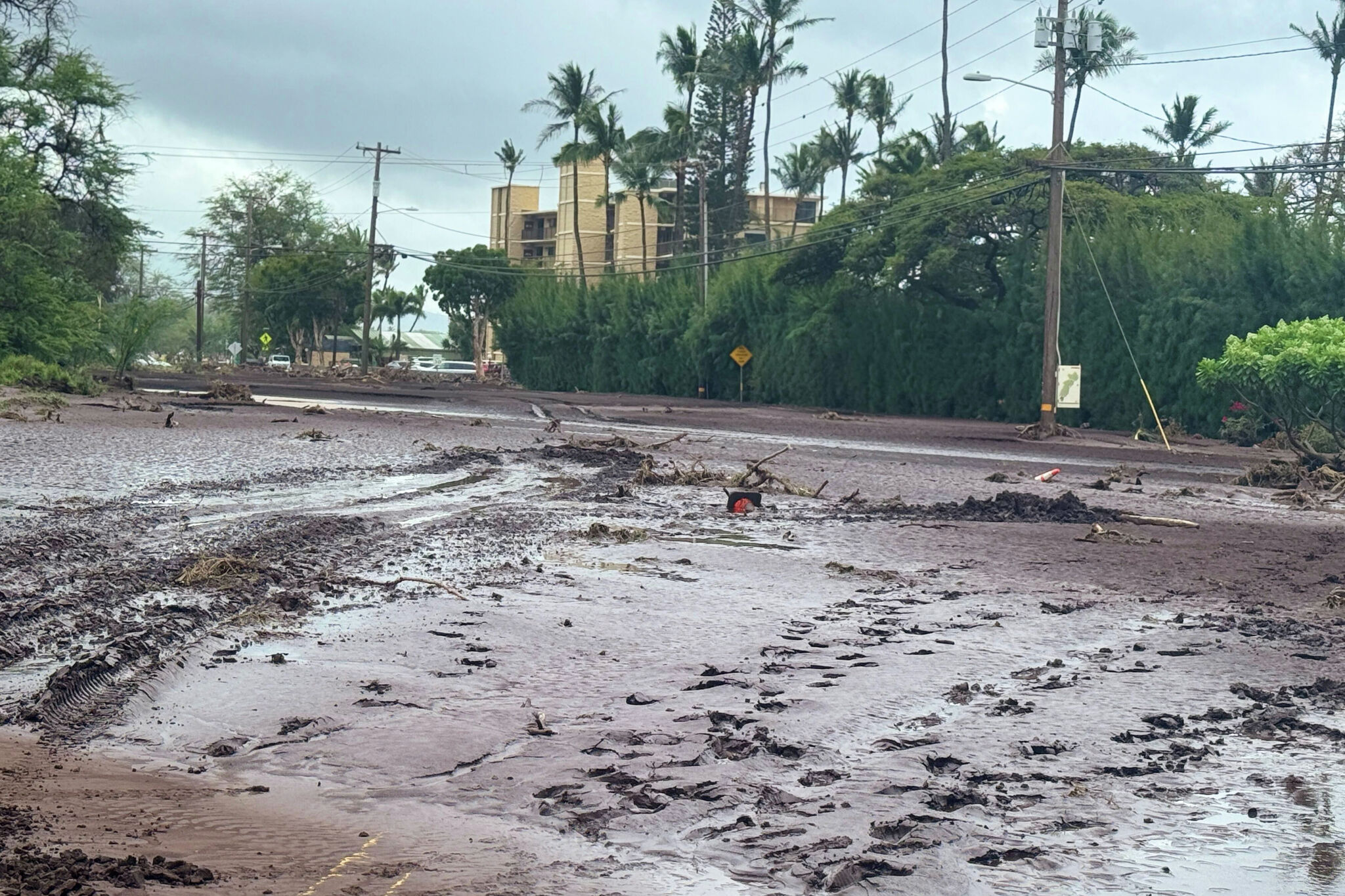
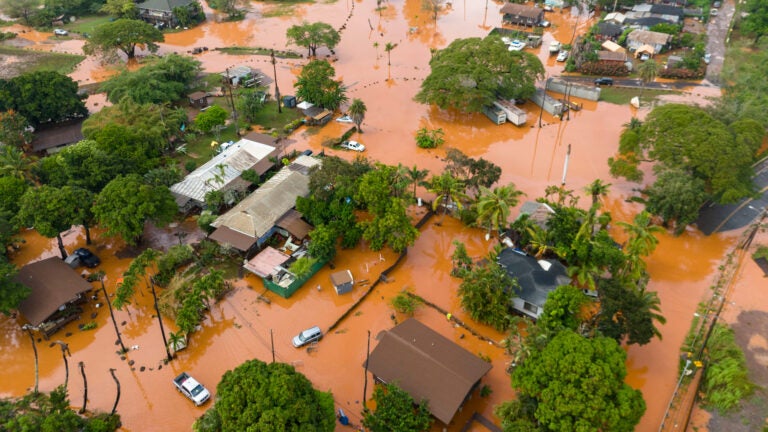
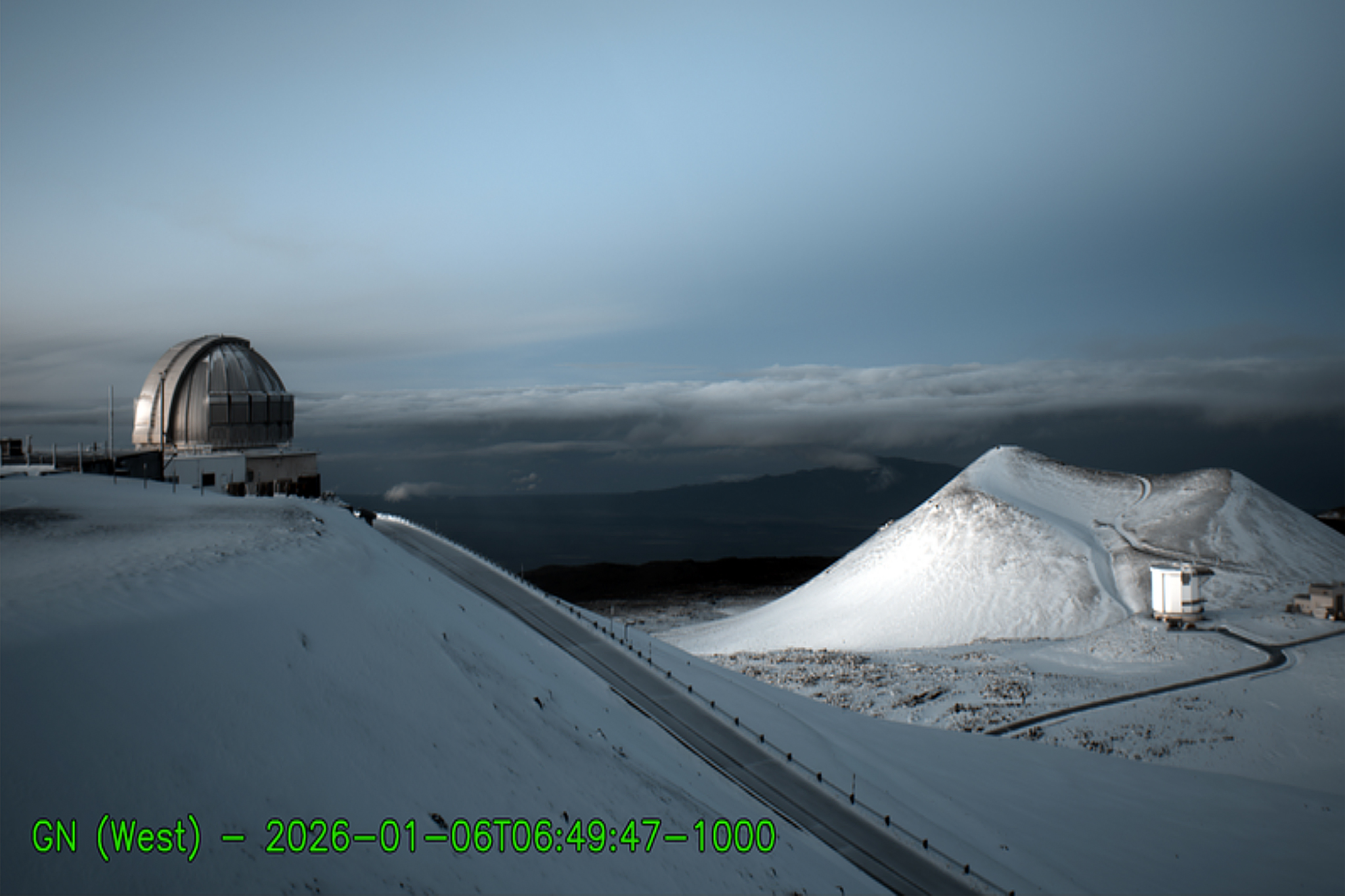
2 weeks agoHawaii faces flash flooding, blizzard conditions and landslides with more rain to come
Flash flooding has been a major problem in recent days in places such as Maui, Molokai and the Big Island, where rain had been falling between 1 and 2in (2.5 and 5cm) an hour overnight, according to the Hawaii emergency management agency.
Miami food
fromwww.npr.org
2 weeks agoSnow and wind batter parts of US, with threat of thunderstorms and tornadoes
Successive punches of snow, wind and severe weather are "going to impact the eastern half of the United States," AccuWeather senior meteorologist Tyler Roys said in an interview. Beyond the threat to lives and property, "whether it's wind gusts from a squall line, blizzard or snow, or just wind because of the storm, you're looking at several major airports being impacted."
US news
fromSFGATE
2 weeks agoHawaii braces for new storm as it still recovers from the last
We're not expecting much in terms of winds, mainly just going to be flood potential. And thinking that the focus is going to be Oahu, Maui County and Big Island, with Kauai kind of being on the fringes of it versus, you know, all the Islands were impacted last time.
Environment
Snowboarding
fromSnowBrains
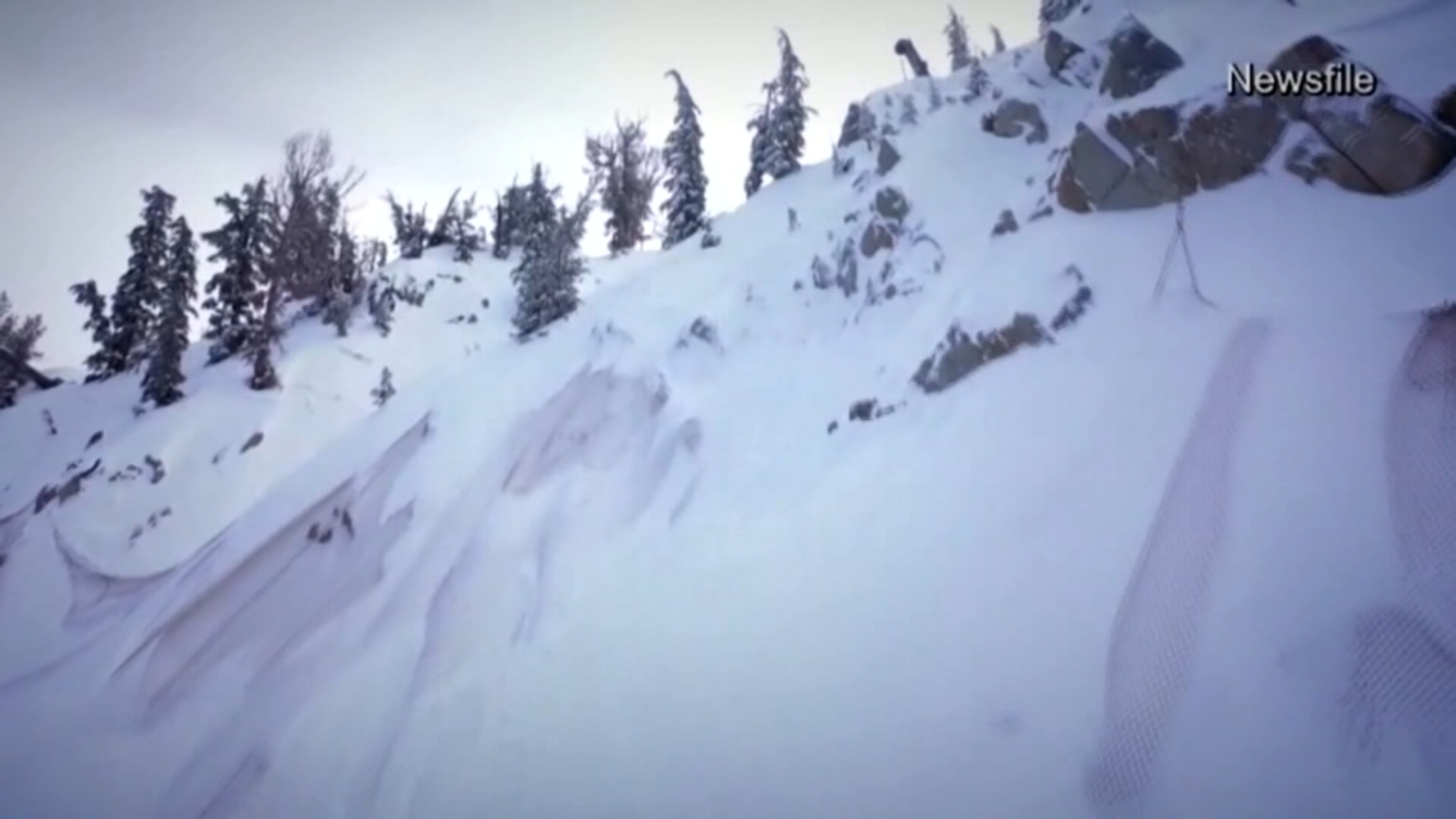
3 weeks agoThe Western U.S. Could See A Rare Wet Slab Avalanche Cycle Next Weekend - SnowBrains
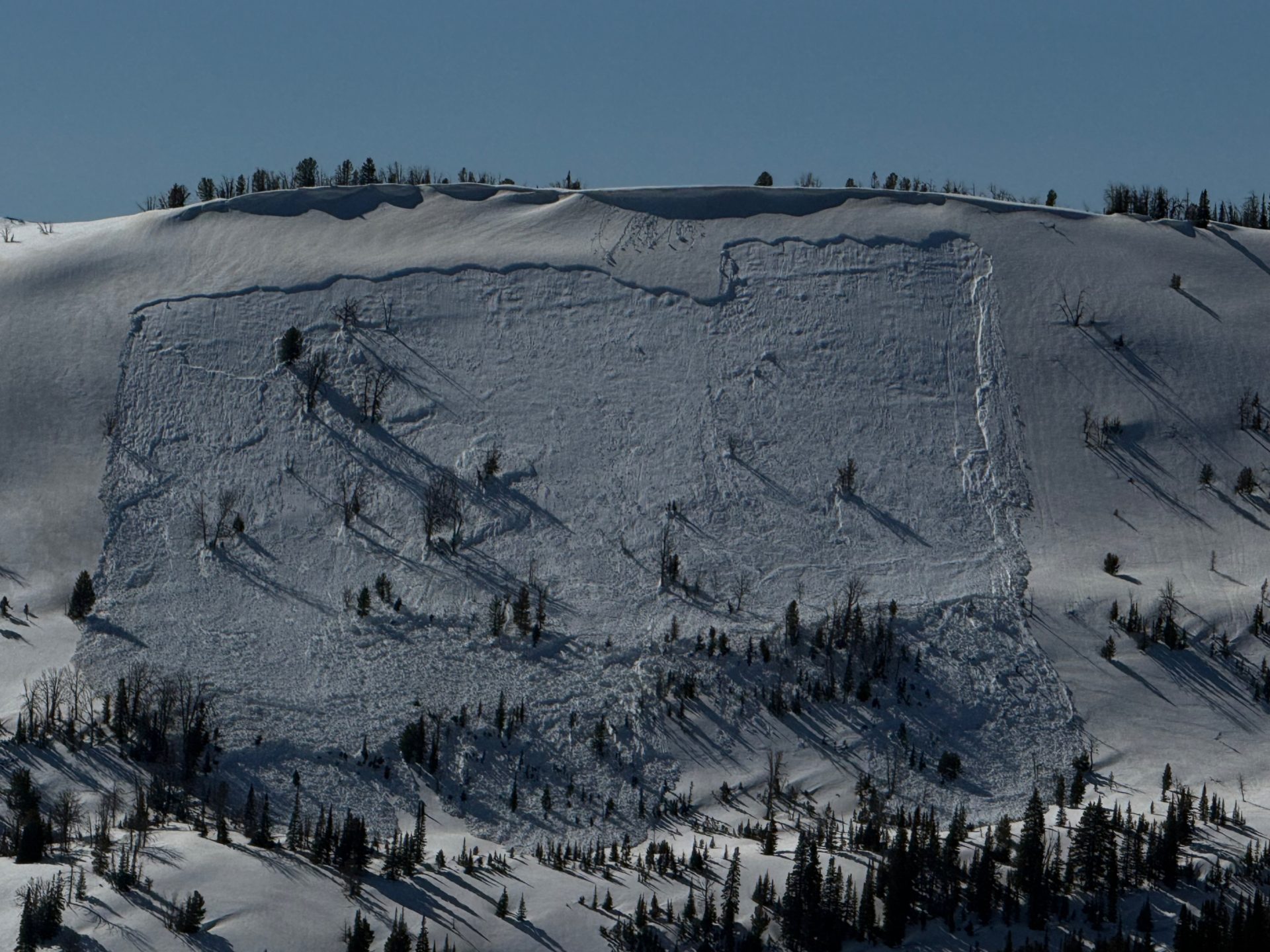
A historic heat wave with temperatures 20-30 degrees above average could trigger rare wet slab avalanches in Colorado and Utah by introducing liquid water to weak layers in the snowpack.
fromMail Online
3 weeks agoSea fossils atop world's mountains fuel claims of Noah's Great Flood
Marine fossils have been discovered on mountain ranges around the world, including the Himalayas, Andes and Rocky Mountains, which scientists say were once covered by ancient seas before being pushed upward as continents collided and mountains formed.
OMG science
fromSnowBrains
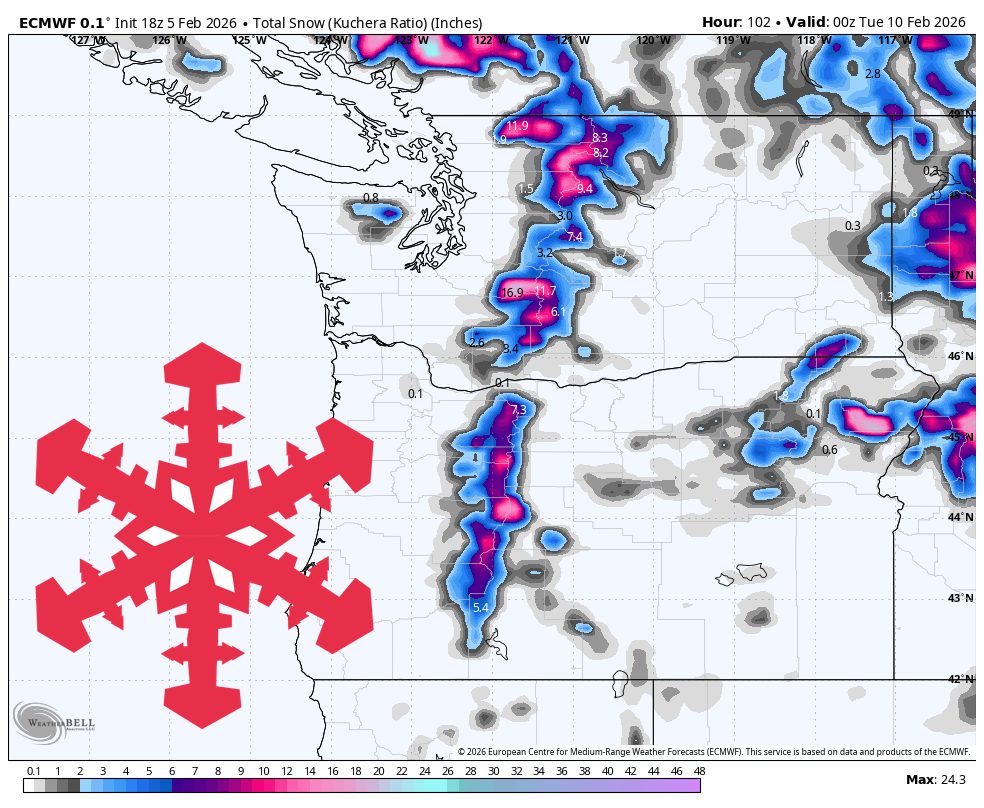
3 weeks agoSnowBrains Forecast: 3-5 Feet for the Washington Cascades in the PNW Through Saturday - SnowBrains
A long, productive storm cycle will keep the Washington Cascades favored through Saturday afternoon, while Oregon stays warmer and more wind-affected. Confidence is highest from Wednesday morning through Saturday afternoon, when steady snow stacks up to 36"-57" at the biggest Washington winners, around 25"-34" at Mt Baker, and a denser but still healthy 34"-46" at Timberline.
Snowboarding
fromMail Online
1 month agoEarthquake strikes America's Heartland above ancient volcanoes
Although Kansas has no active volcanoes, the region marks the southern reach of the Midcontinent Rift System, a massive tectonic event that nearly split North America apart in Earth's distant past. When magma forced its way through the crust during that period, it left behind hardened igneous rock and deep fractures that remain buried thousands of feet underground.
Science
fromGothamist
1 month agoHow fast does ice falling from NYC rooftops go? Faster than you think.
If a 10-pound sphere of ice about 10 centimeters in diameter were to fall, he said, "very quickly" - in about three seconds - "it would reach a terminal velocity of close to 50 or 60 mph." "You're talking about being potentially hit by something 10 pounds going 50 miles an hour. Uh, not pleasant."
New York City
Environment
fromFast Company
3 weeks agoWeather whiplash to sweep U.S. with simultaneous blizzard, polar vortex, and heat dome
Extreme weather is affecting nearly all U.S. regions simultaneously, including record heat in the Southwest, snow in the Great Lakes, Arctic cold in the Midwest and East, and heavy rain in Hawaii.
Snowboarding
fromSnowBrains
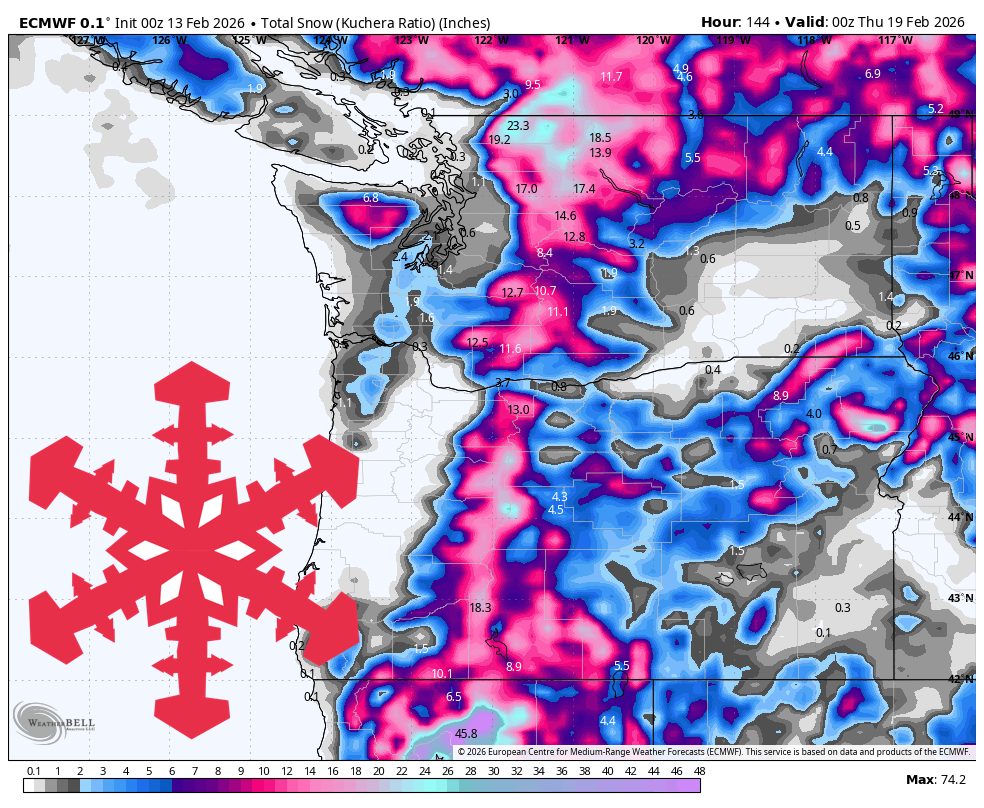
3 weeks agoSnowBrains Forecast: Repeated Storms Bring 4-7 Feet to Parts of the PNW Through Friday - SnowBrains
The Pacific Northwest faces a significant snow event from Sunday through Friday with colder early-week snow, a stronger midweek reload, and uncertain weekend conditions, with Washington resorts and Whistler positioned for the best snow accumulation.
fromwww.theguardian.com
1 month agoHow ancient Scottish rocks throw snowball Earth' theory up in the air
Recent examination of some ancient rocks from the west coast of Scotland have now overturned that thinking, suggesting there were periods during snowball Earth when the climate woke up. Close-up views of thin, repeating rock layers known as varves, each thought to represent a single year of sedimentation during the snowball Earth period.
Science
fromwww.theguardian.com
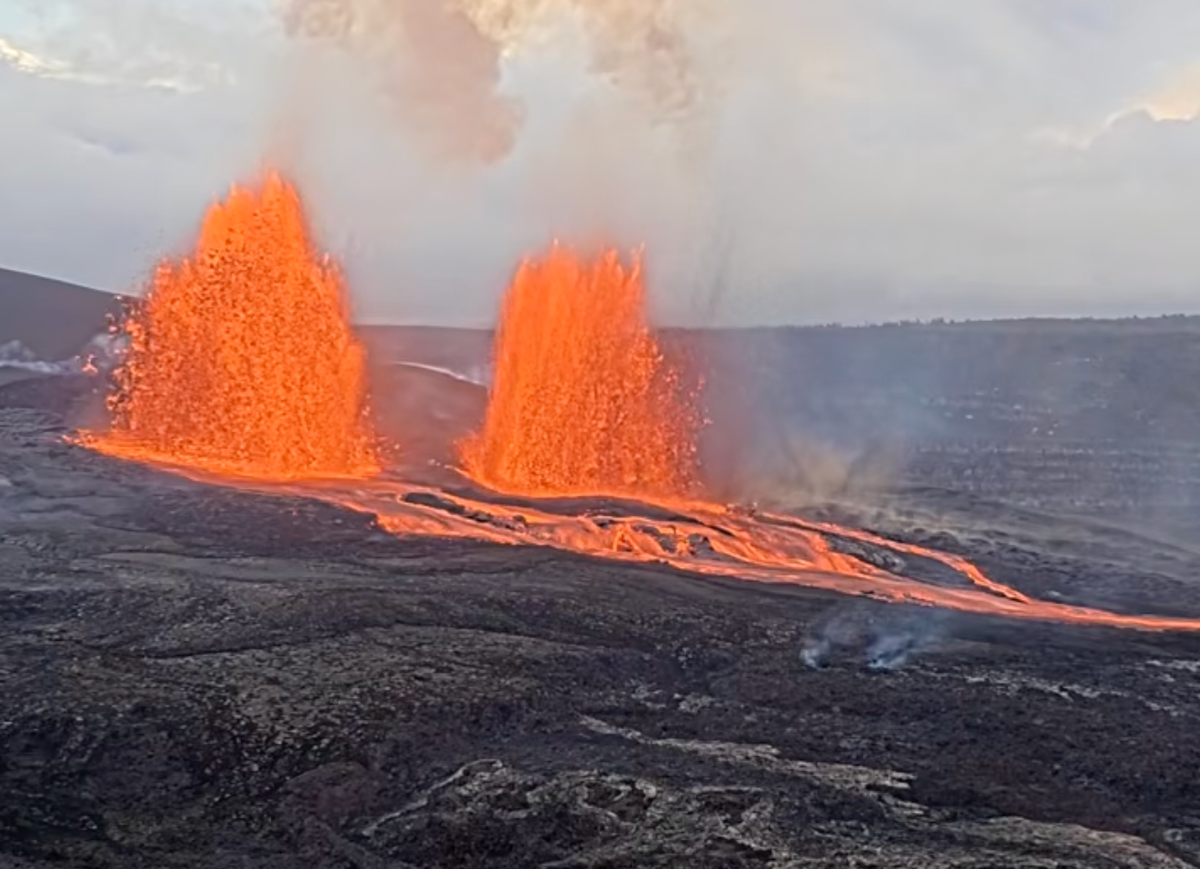
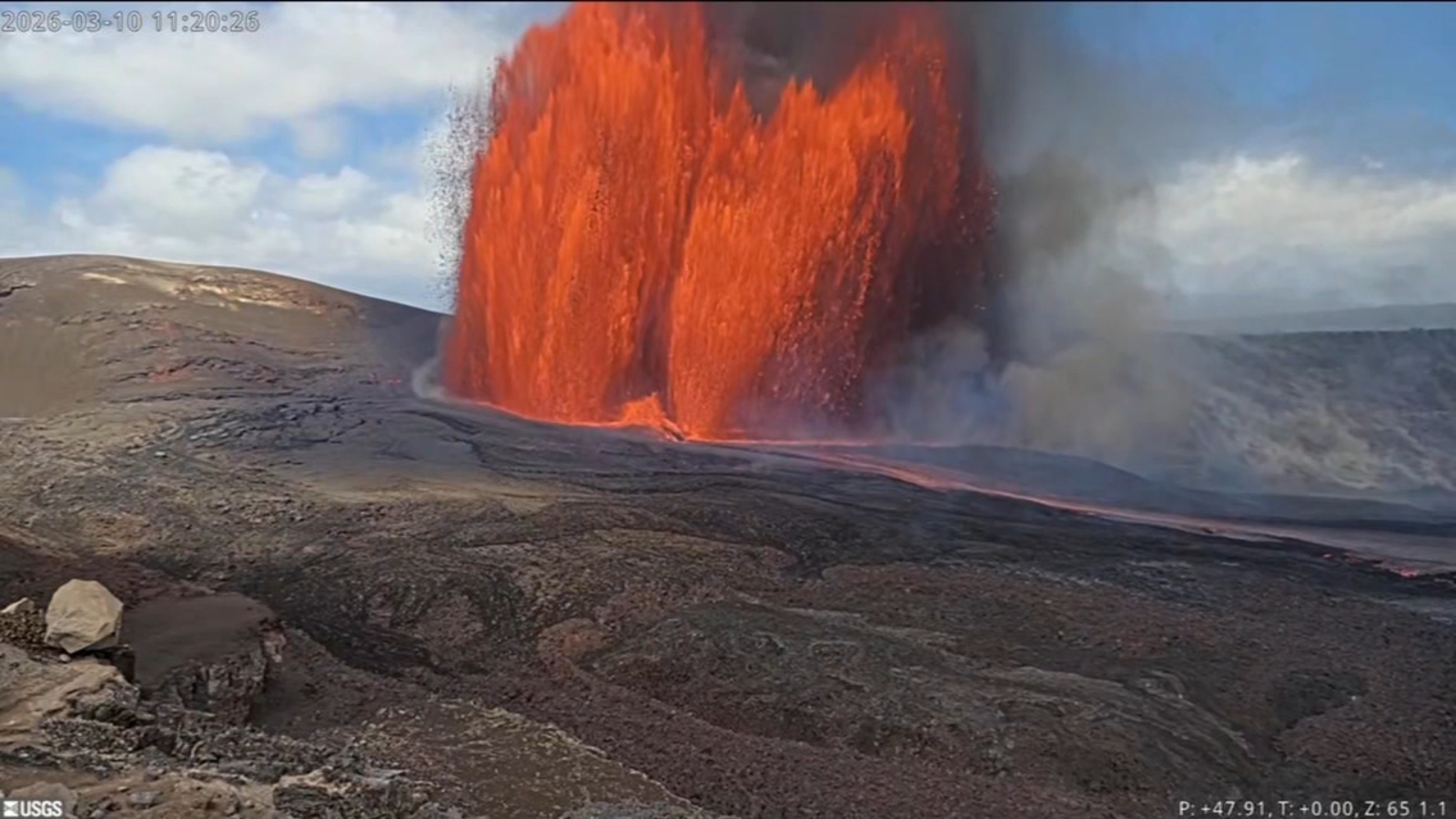
1 month agoMy helicopter went into freefall inside an active volcano
The 1993 erotic thriller Sliver should have ended differently: Zeke, played by William Baldwin, was scripted to fly a helicopter towards an active volcano, after Sharon Stone's character, Carly, reveals she's the killer. The pilot, Craig Hosking, had been tasked with flying low over Hawaii's Kilauea volcano, accompanied by the director of photography, Mike Benson, and his assistant Christopher Duddy, to film the bubbling lava and white plumes of smoke escaping from the Puu Oo vent.
Film


fromLos Angeles Times
1 month agoCalifornia storm closes roads, triggers flash flood warnings. Here's how long it will last
Californians looking to resume their weekly commute Tuesday awoke to see several major roads closed after heavy rains drenched much the state Monday - with the expected precipitation far from over. Among the closures was a section of Highway 1 through Big Sur, which state officials just weeks ago celebrated reopening for the first time in three years. The road closed Monday after rockslides left "debris in the roadway at multiple locations," according to the California Department of Transportation.
California
fromFuturism
2 months agoEntire City Buried by Epic Snow
Consider the Kamchatka Peninsula, a Russian territory that reaches into the Pacific Ocean north-east of Japan, which has been battling with record amounts of snow this winter. On January 16 alone, a small city on the peninsula's southern coast, called Petropavlovsk-Kamchatskiy, experienced a baffling five and a half feet of snow, effectively burying local residents and their cars completely. Some areas saw more than six and a half feet in just the first half of January.
World news
fromwww.theguardian.com
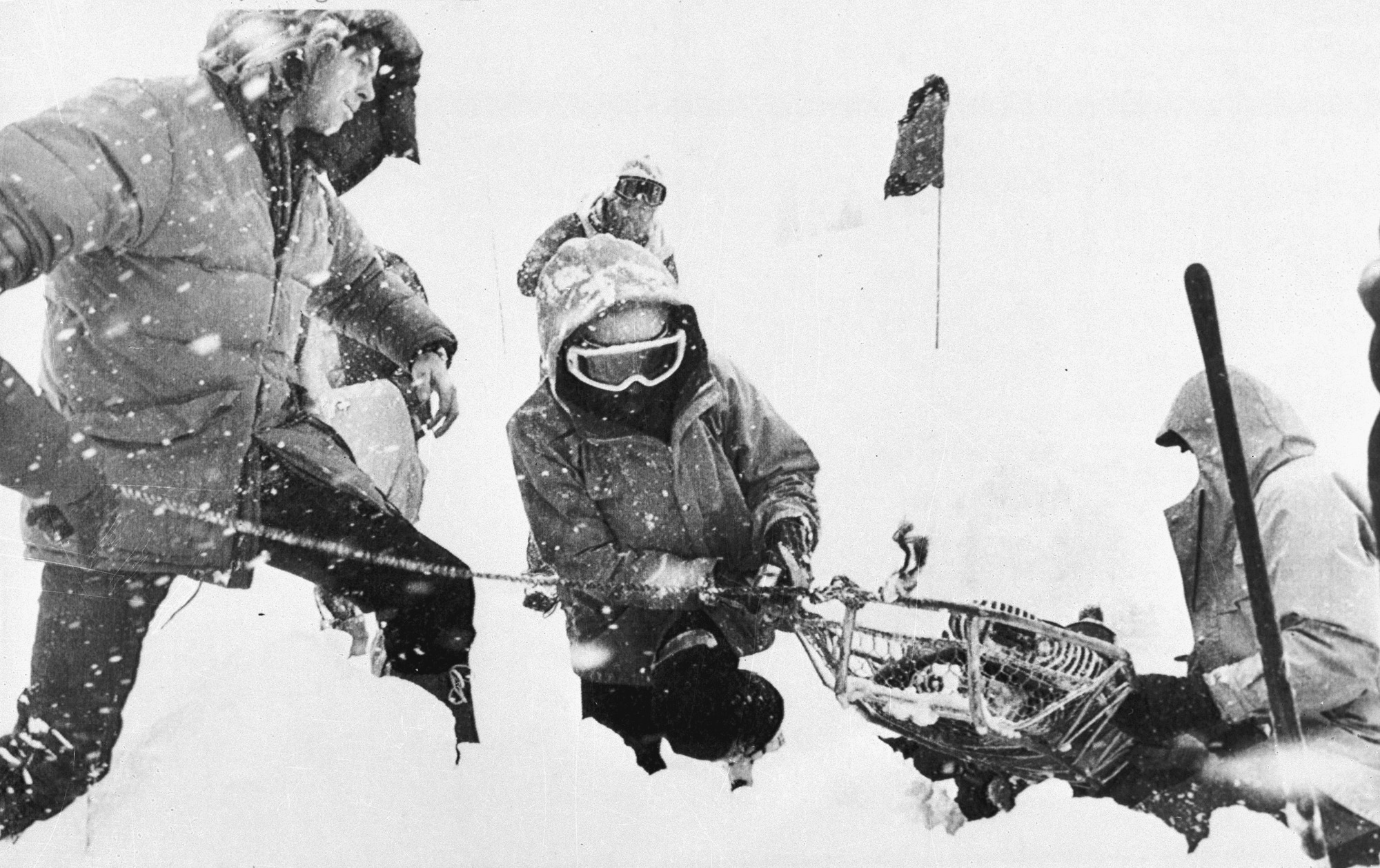
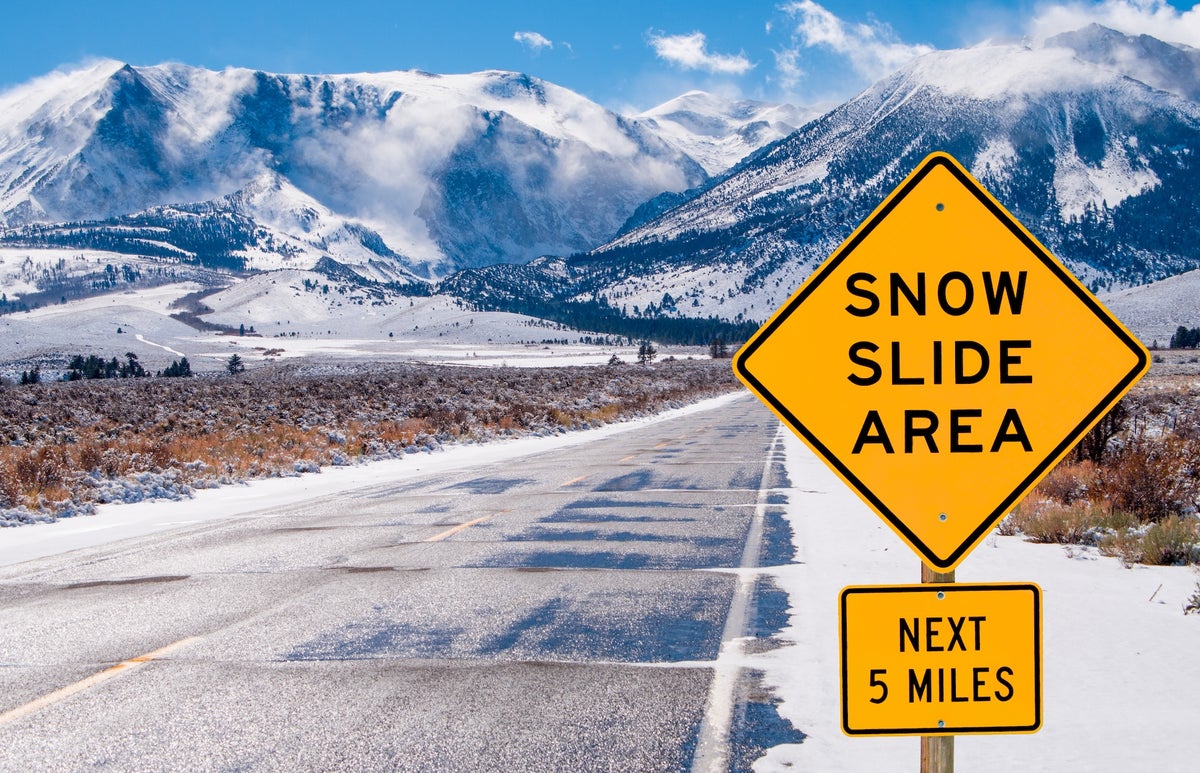
1 month agoLess snow, or more risk? What you need to know about avalanches and climate change
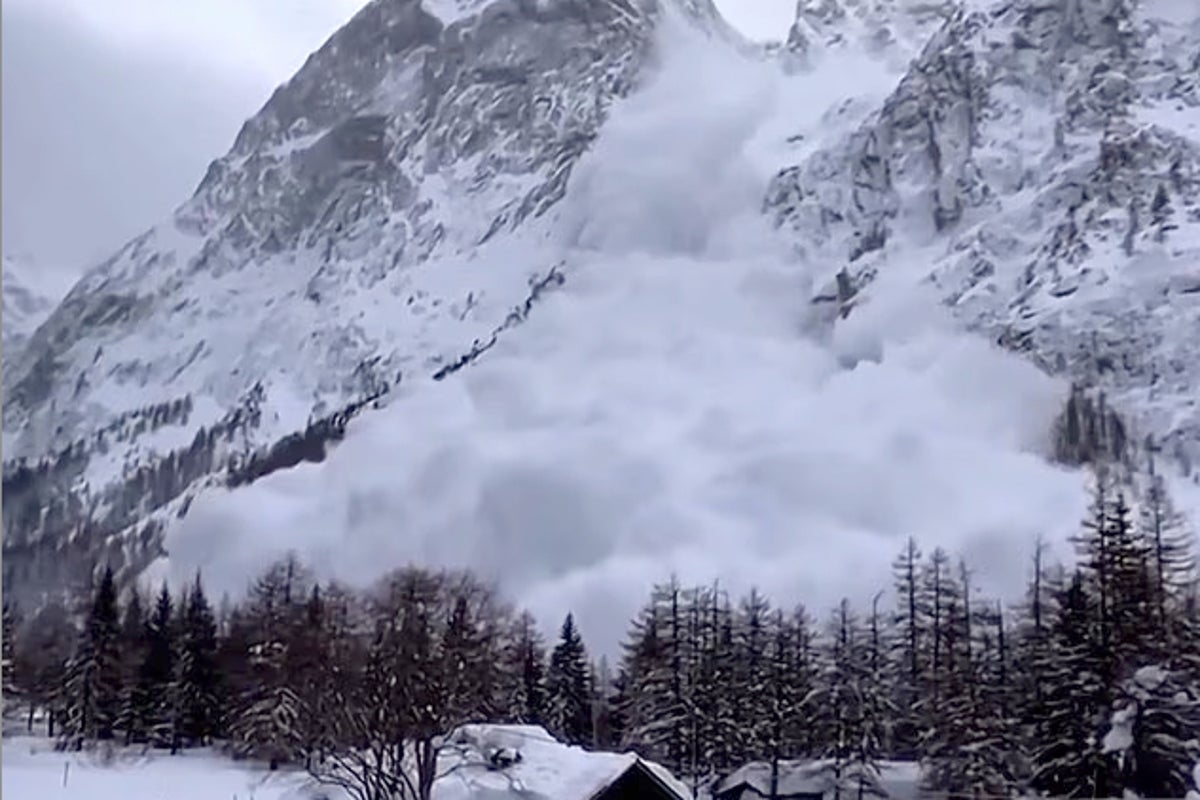
Avalanches kill about 100 people in Europe each year, with vast masses of ice, snow and rock regularly crashing down on hikers and skiers who have been caught unawares. The structure of the snow, angle of the slope and variation of the weather can dictate whether a gentle disturbance like a gust of wind or the glide of a snowboard can trigger a deadly shift in the mountain.
Environment

fromwww.theguardian.com
2 months agoAustralia news live: woman dead in powerful storm as landslide and flood warnings issued for Sydney
Australia's east coast is being smashed by summer storms as residents are told to evacuate. An emergency warning was in place for Sydney's northern beaches on Sunday morning, with residents at Narrabeen Lagoon and surrounds told to leave. More than a dozen people have been rescued across Sydney, with cars submerged and homes flooded. At Great Mackerel Beach, in the northern beaches, a landslide damaged numerous homes with at least one woman injured.
World news
fromSnowBrains
2 months agoSnowBrains Forecast: 6 Feet of Snow For Mt. Etna, Italy This Week - SnowBrains
WeatherA powerful early-week storm delivers very heavy snowfall to Mt. Etna, then tapers to lighter, higher-quality snow mid to late week as winds ease. Snow levels fluctuate between about 4,400 and 5,900 feet, so lower elevations may see some rain or mixed periods at times, while upper mountain conditions stay wintry with temperatures holding in the upper teens. The core of the storm arrives Monday night through Tuesday night with intense winds and denser snow.
Snowboarding
fromThe Atlantic
1 month agoThe West's Winter Has Been a Slow-Moving Catastrophe
If you are reading this on the East Coast, congratulations on the warmer weather you're finally getting this week. It was cold and snowy for a while there. Here in the West, we wish we'd been in your shoes. Spare a thought for the tens of millions of us who live on the other side of the continent, where a catastrophe is unfolding.
Environment
fromConde Nast Traveler
2 months agoChasing Lava as the Earth Shifts
Land is one of those things that can disappear even as you see it. It falls away beneath you, becoming merely the ground under your feet, because you're thinking about where you're going, or a place slowly blurring out of focus from the airplane window. Land is a primal word, primordial even, like lava. And it is a loaded word if, say, you're Indigenous or descend from a people whose land was taken from them.
Environment

Environment
fromIntelligencer
2 months agoThunder Ice to Exploding Trees: A Glossary of Scary Winter Storm Terms
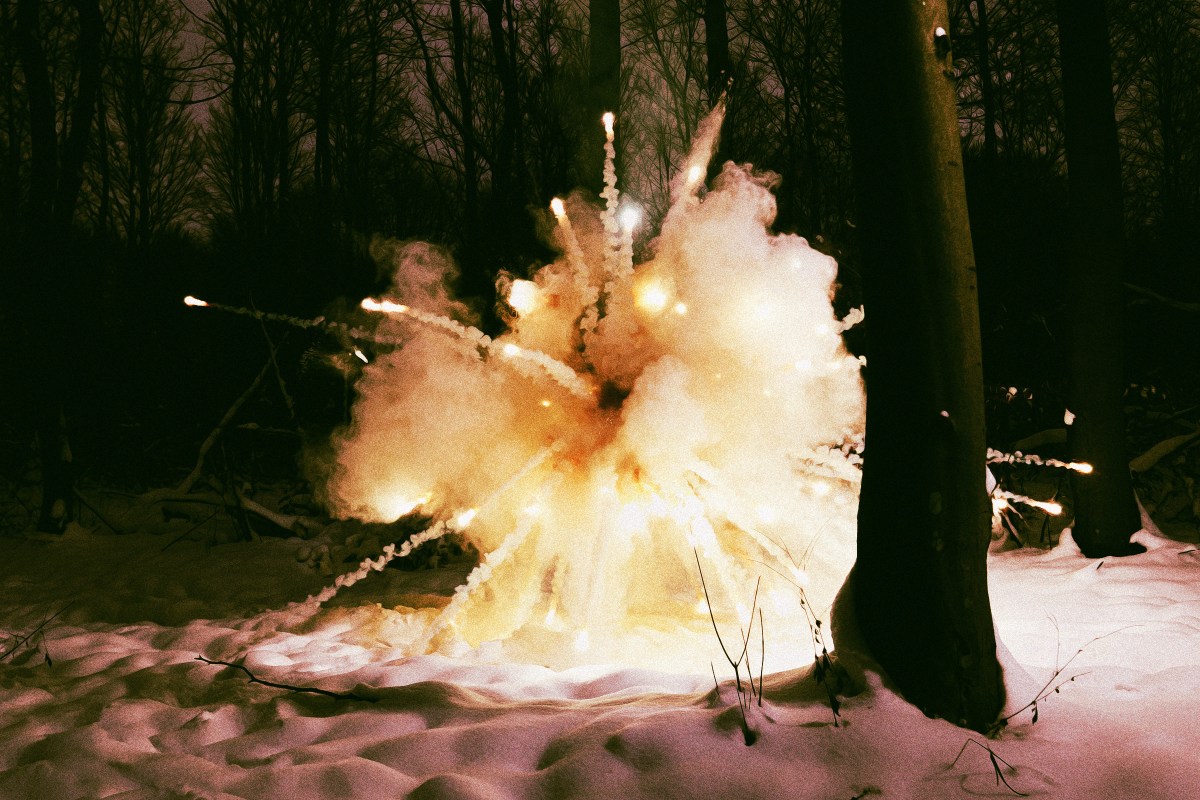
A winter storm will bring thunder-driven freezing precipitation (thunder-ice/thunder-sleet) across the Mississippi River Valley while an extreme cold snap risks tree explosions in the Midwest.
Snowboarding
fromSnowBrains
2 months agoThis is How Current Glacier Health and the Future of Year-Round Skiing in the Oregon Cascades Looks - SnowBrains
Oregon Cascades glaciers are rapidly shrinking: 15% extinct, 12% expected to vanish soon, and 24% projected to disappear by 2050 from climate-driven warming.
fromwww.theguardian.com
2 months agoWorst heatwave since Black Saturday forecast for Victoria as WA faces Tropical Cyclone Luana
This is a very serious set of weather conditions, said Emergency Management Commissioner Tim Wiebusch on Sunday. We haven't seen heatwave conditions like this in Victoria for almost 20 years. It was 2009, ahead of the [Black Saturday] bushfires where we saw those prevailing conditions.
Environment
Environment
fromwww.theguardian.com
2 months agoNew Zealand could see more deadly landslides as climate crisis triggers intense storms, experts warn
Climate-driven stronger storms, combined with New Zealand’s tectonic slopes and human land-use changes, will likely increase landslide frequency and risk.
fromFlowingData
2 months agoYeah, still getting hotter
The past 11 years are the warmest since records began, with the past three top of the leader-board. Hottest of the lot was 2024, which coincided with a strong Niño-a pattern of winds and ocean currents that nudges the thermometer upwards-combined with a peak of the 11-year solar cycle when the sun shines brightest. But in 2025 El Niño tailed off, to be replaced by its opposite pattern, La Niña, and the sun-only a minor part of the story in any case-began to dim.
Environment
[ Load more ]