Agriculture
fromTasting Table
4 hours ago13 Plants You Should Grow In A Laundry Basket Vegetable Garden - Tasting Table
Food insecurity drives people to grow their own food, even in small spaces like laundry baskets.
These are Scilla sardensis, the common name is Glory-of-the-Snow. They are native to the mountains of Western Turkey but are really comfortable growing in almost any condition, as you can see. They are, for us, the real harbingers of spring. We know that once we start to see this electric blue color, the season is starting for us.
Around a third of UK gardeners use pesticides, and our studies found that house sparrow numbers, for example, were nearly 40% lower in gardens where the pesticide metaldehyde was used. By reducing pesticide use, you can actively encourage birds back into your outdoor spaces, as they rely on invertebrates such as slugs and snails as natural prey.
Death Valley National Park is treating visitors to what rangers are calling the most outstanding bloom year in a decade - the best since the 2016 "superbloom" - according to National Park Service. Recent rainfall and mild winter temperatures have triggered dormant seeds to sprout, creating a fleeting spectacle of desert color.
The facility once produced paper, the raw material of the newspaper information age. Now, Borlänge will produce the raw material for AI and the next information age. This declaration by EcoDataCenter's CEO Peter Michelson symbolizes the transformation of industrial sites into critical infrastructure for artificial intelligence development and deployment.
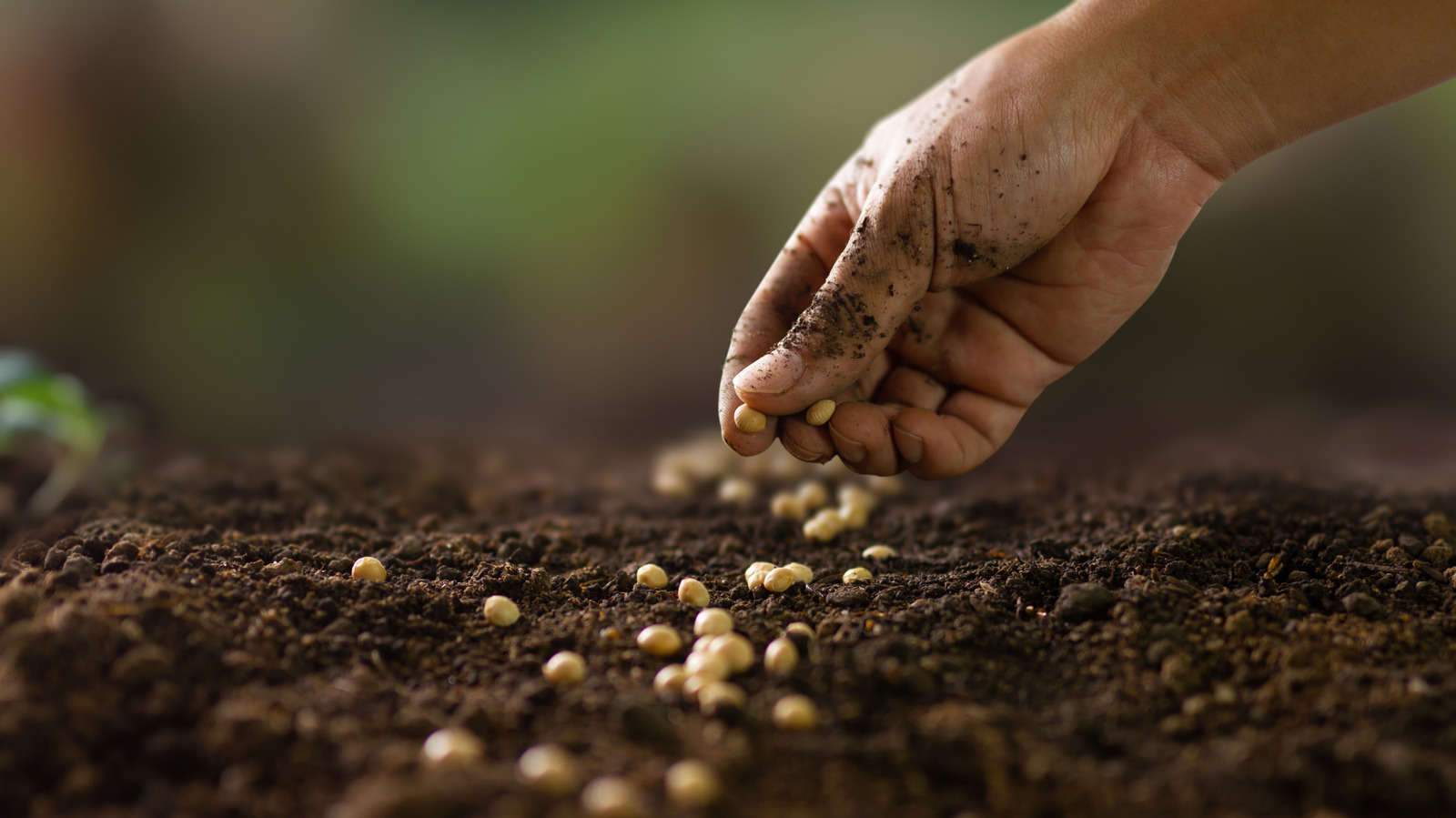
Starting plants from seed extends your relationship with the garden, gives you more control over seed sourcing, and saves real money compared to buying nursery starts, sometimes as much as 90% per plant.
Recently, Anchorage, Alaska's largest city with nearly 400,000 residents, has just recorded its snowiest January on record. Tucked in between the mighty Cook Inlet and pushed right up against the Chugach Mountains, Anchorage sits in prime location for some serious snow totals. Moisture from pacific storms builds up over the inlet, and thanks to orographic lift caused by the mountains, forces that moisture to drop over Anchorage. Thanks to Alaska's northernly location, that moisture often falls in the form of snow.
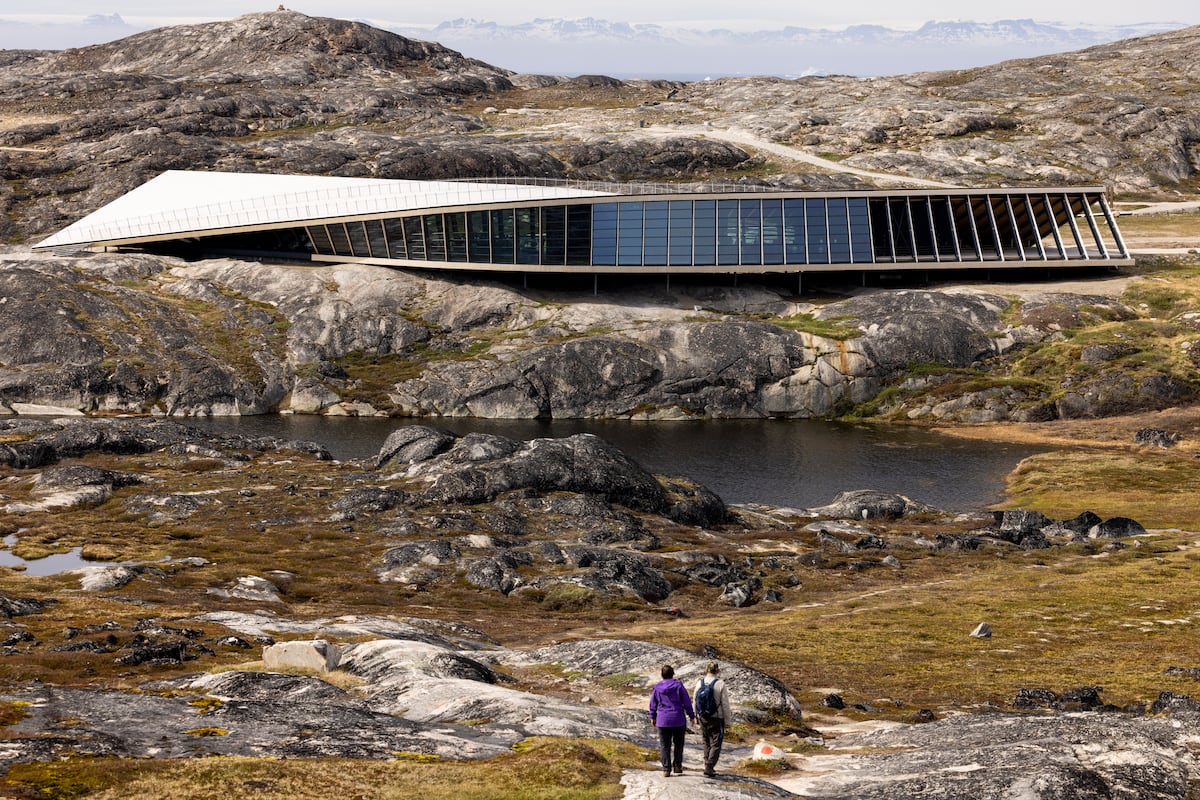
He had flown in from Mar-a-Lago and, he told me, was there to observe. The next day, he watched as Åsa Rennermalm, a Rutgers University professor who studies polar regions, sat onstage with European foreign ministers and spoke out against cuts to U.S. science funding. "A leading US Arctic scientist is on stage absolutely ripping her country to the delight of the audience," Dans wrote on X. "Embarassing." He punctuated his post with an American-flag emoji.
There is a strong temptation to stay indoors when the world freezes. But out there in the cold, and especially after snowfall, the brown bones of gardens are suddenly emphasized, outlined in white. Visiting gardens in winter, when leaves and flowers belong to dreams of spring, allows us the thrill of anticipation, the pure pleasure of comparison, and an appreciation of structure, adding layers of understanding to our experience. It also tests our plant identification skills.
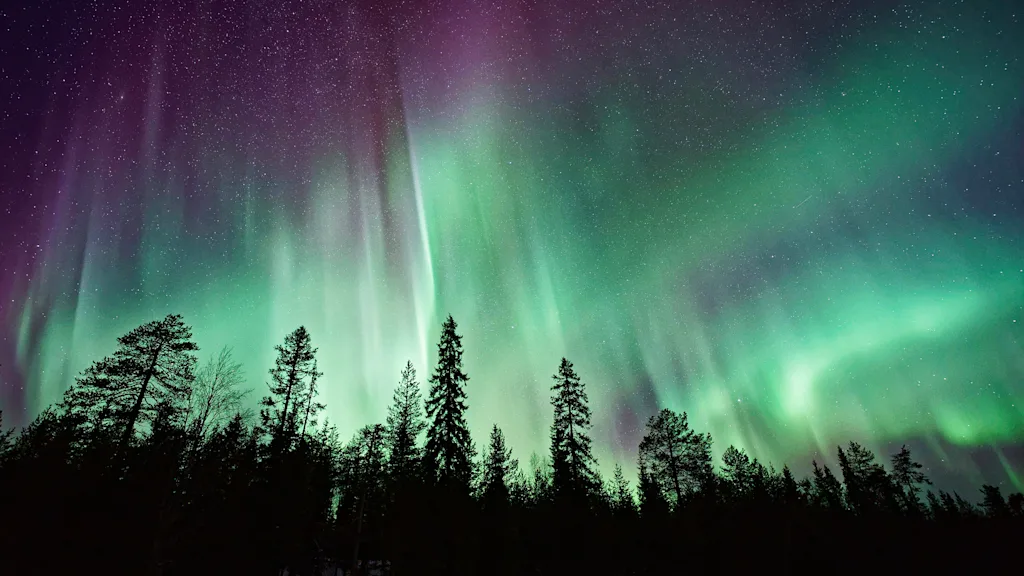
Auroras are nature's most special light show: when charged particles from the sun hit our atmosphere, they can generate bright colors that dance across the night sky near the Earth's poles. Auroras can come in various forms, including bands, rays, patches and more. But why auroras form these patterns is less clear. Now, researchers say they've identified the battery that powers at least one kind of auroraaurora arcs.
To an unimaginable eye, a seed looks inert. Yet they are packed with genetic information and biological processes poised to unfold. All it takes is the right configuration of signals and stimuli from the environment to let them know it's time to dare to grow.
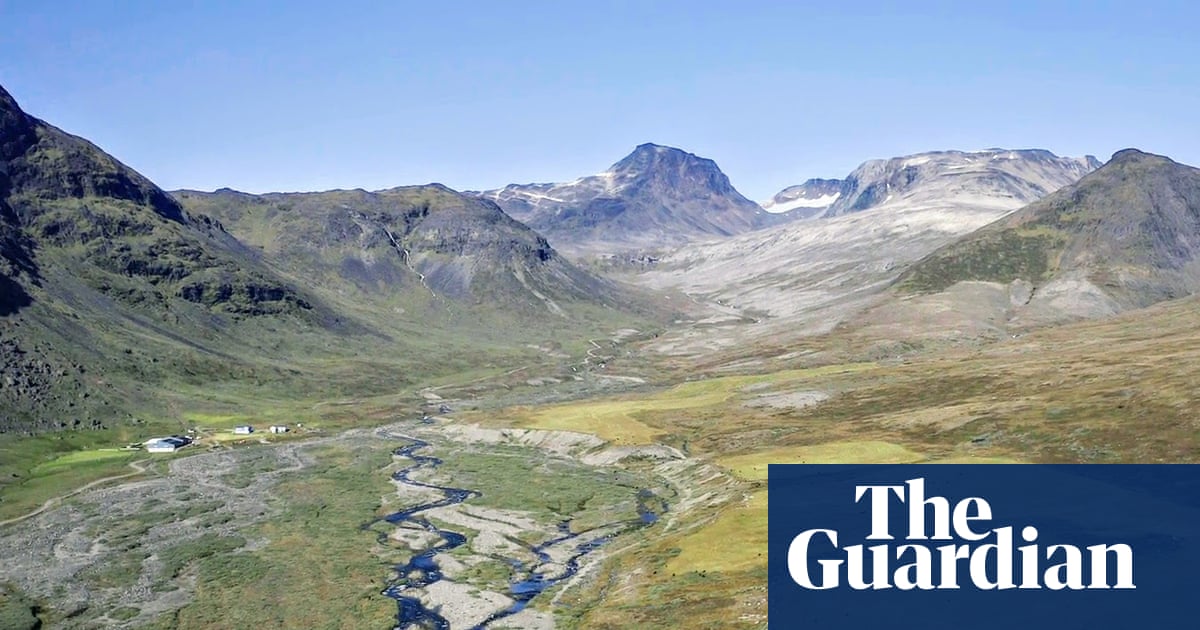
Decades of successful scientific collaboration could be at risk if Europe-US political relations continue to fray over trade and defense issues. For more than 30 years, Arctic nations have worked together across the physical, biological and social sciences to understand one of the world's fastest changing regions. Since the late 1970s, the Arctic has lost around 33,000 square miles of sea ice each year roughly the same area as Czechia.
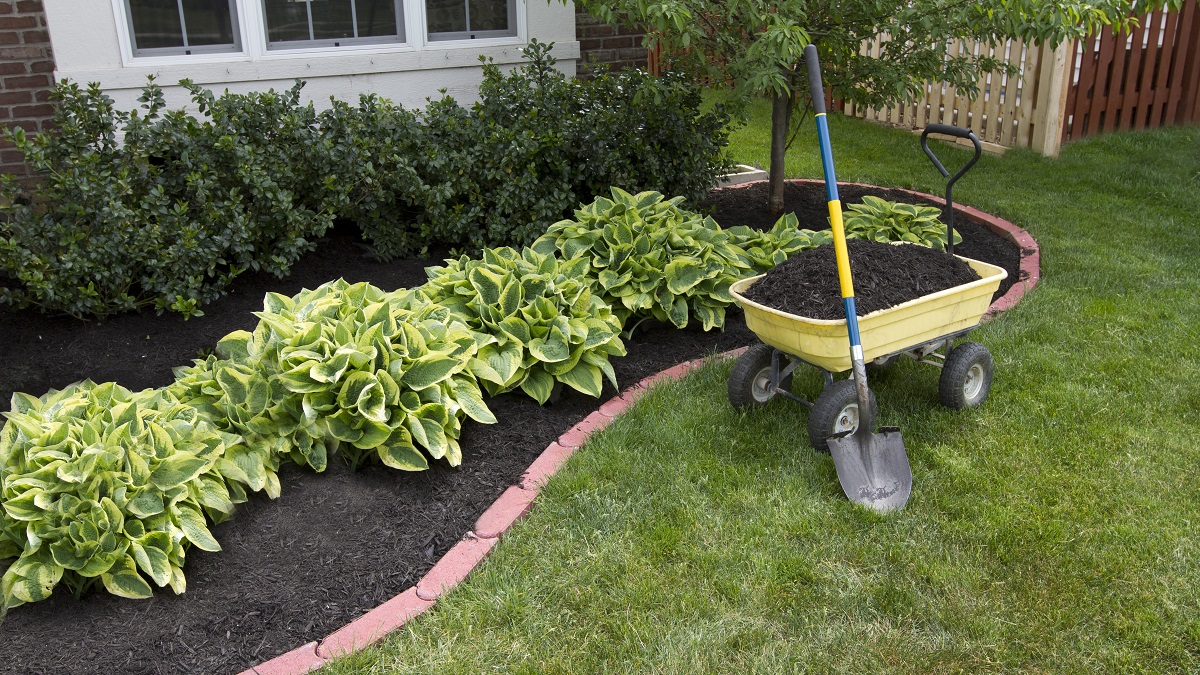
To see where the moon melts over the garden,or where the bats flit, or where the air sweetens with pollen and moth-frenzy, I recommend a night walk to discern the perfect patch for it. Under this glow, we could all use a distraction-dig with a silver shovel and choose colors that swoon and moan under our satellite: dusty pinks, baby blue, lavender, white, and butter yellow gems unfurl at dusk until dawn.
With a major winter storm about to blast pretty much every US state east of the Rocky Mountains, many are scrambling to prepare for the cold, ice, and snow. And according to popular meteorology influencer Max Schuster, there's yet another winter-weather hazard to watch out for: trees exploding in the frigid air. On a viral post on X-formerly-Twitter, Schuster - who holds a meteorology degree
Polar bears are the poster children of climate changeand for good reason. These giant bears hunt, mate and spend their days hanging out on Arctic sea ice, which is rapidly disappearing as the climate warms. But some polar bears, it seems, are far more resilient than we realized: new research suggests that in one region, the bears are adapting to the declining sea ice.
"Granted, "[p]lants have extensive and well established mechanisms of communication, with that of volatiles being the most well studied and understood," he added. "There is also growing recognition that root exudates play a role in plant-plant interactions, though this is only now being deeply investigated. Nothing else, communication through mychorriza, has withstood independent investigation."
In the pristine High Arctic sits the Kitsissut island cluster, also known as the Carey Islands, nestled between northwest Greenland and northeast Canada. The surrounding seas are perilous, and traveling there is difficult even with modern boats. But new archaeological evidence suggests ancient humans managed to sail to the islands, too. Early settlers lived on the islands between 4,500 and 2,700 years ago.
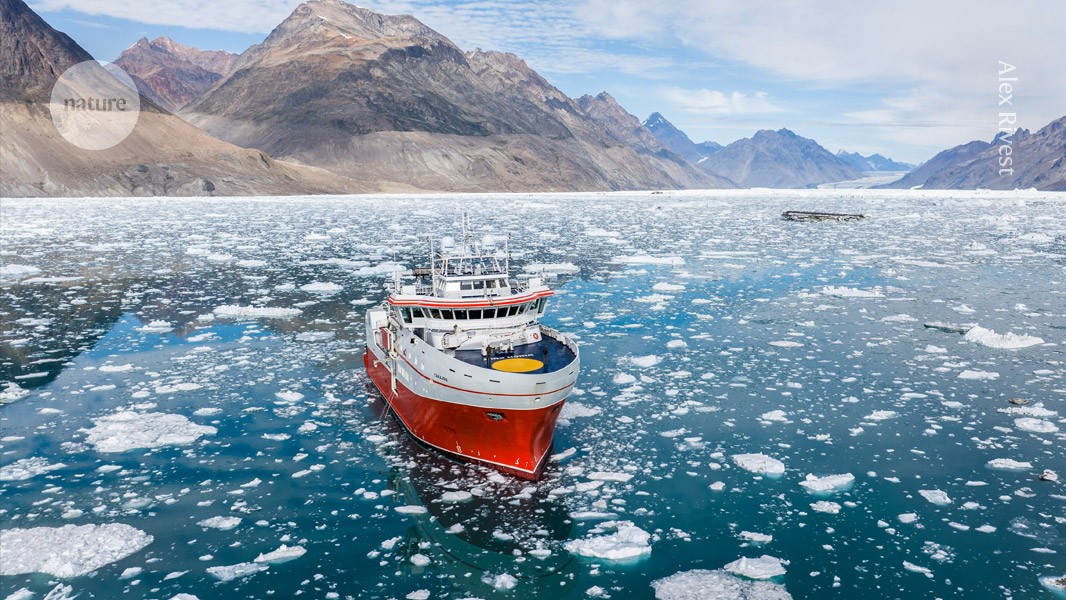
During a rare break in the weather, the NYT says helicopters airlifted the researchers and their equipment 19 miles to their planned outpost site on top of the glacier. The two helicopters involved flew a dozen total loads of cargo from the icebreaker ship to the camp site, while glacial scientists and engineers erected a small tent city, complete with bathrooms, generators, and a mess hall.