#bandit-attacks
#bandit-attacks
[ follow ]
#el-mencho #cartel-violence #drug-trafficking #organized-crime #jalisco-new-generation-cartel #extradition

fromwww.bbc.com
1 day agoPrison guard and gang jailed over contraband plot
Jason Thompson, a guard at HMP Isis, was suspended as the Metropolitan Police investigated his involvement in smuggling drugs and contraband into the prison. He was sentenced to four years and six months for conspiracy and misconduct.
UK news




Online Community Development
fromSecuritymagazine
2 weeks agoMexico Security Crisis: Never Waste a Crisis
Security crises create opportunities for leaders to secure business support for enhanced security programs, technology investments, and team expansion by demonstrating value during heightened organizational attention.
Canada news
fromwww.cbc.ca
2 weeks agoOntario man accused in mob-related killings arrested in Mexico after 9 years on the run | CBC News
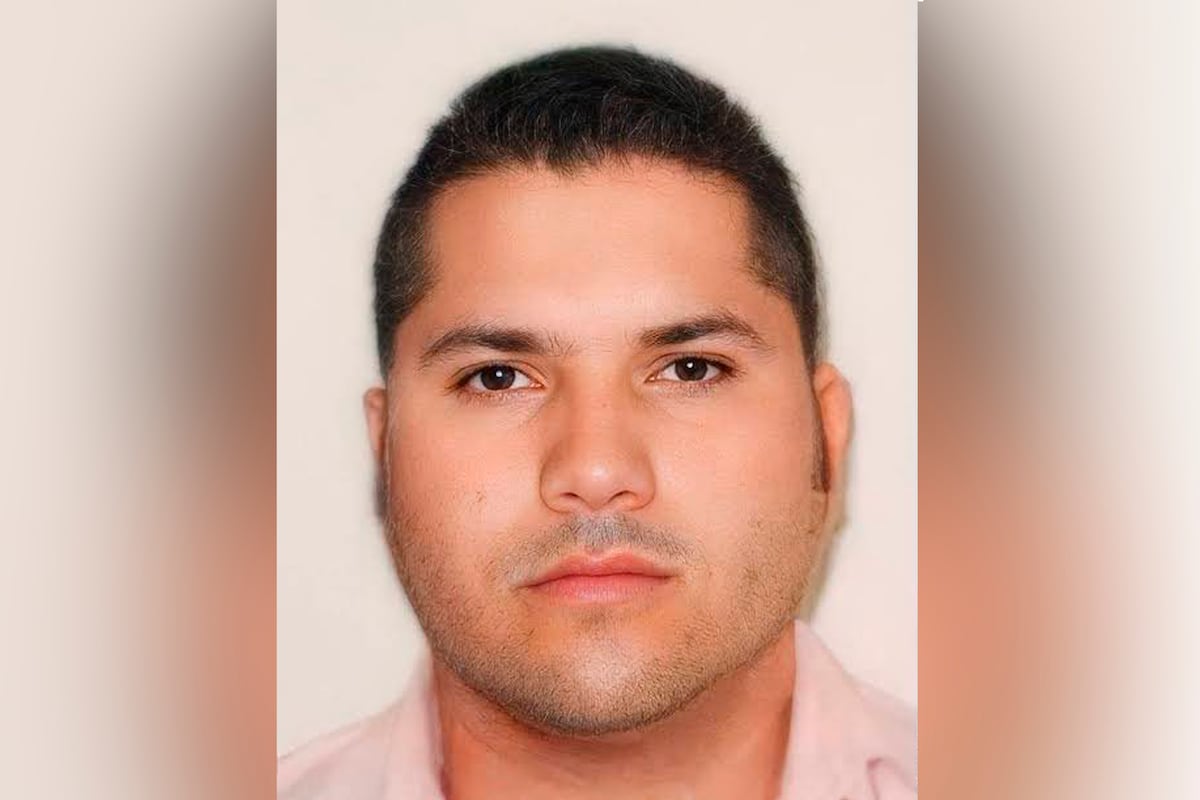
Daniel Tomassetti, wanted for two 2017 mob-related murders in Ontario, was arrested in Mexico after nine years and faces extradition to Canada on first-degree murder charges.

World news
fromwww.aljazeera.com
2 weeks agoLeader of Ecuador-based criminal group Los Lobos arrested in Mexico City
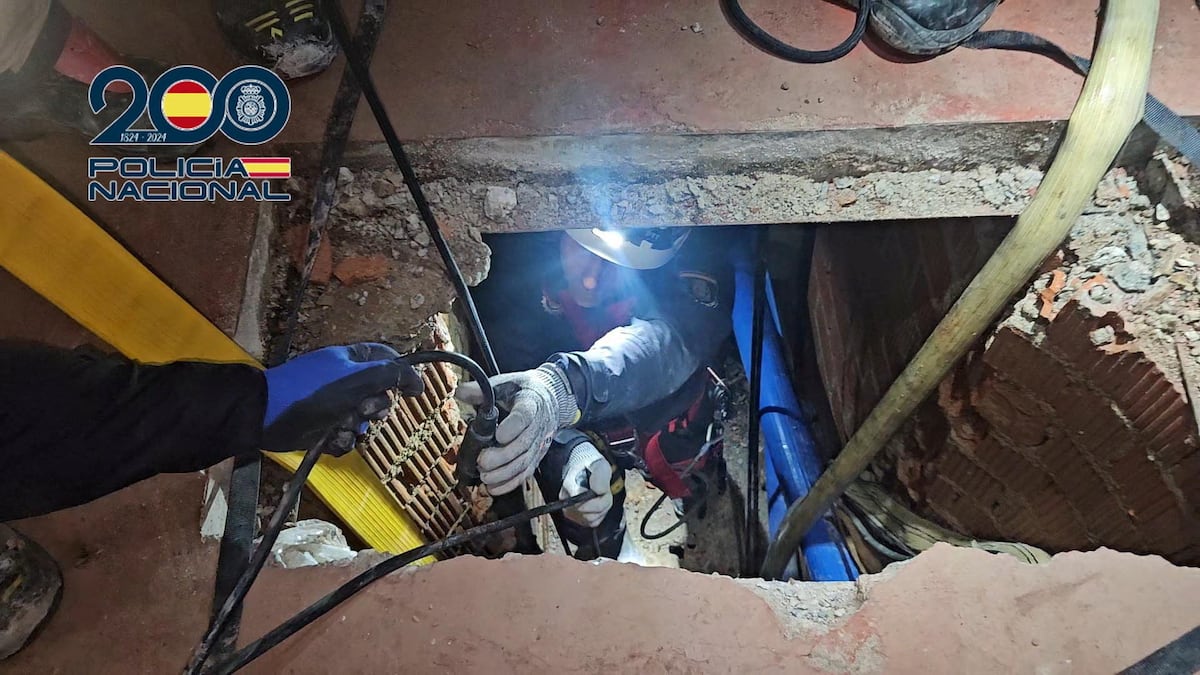
Angel Esteban Aguilar, leader of Los Lobos crime group and suspected mastermind of a 2023 Ecuadorian presidential candidate assassination, was arrested at Mexico City airport under a false identity through trilateral cooperation between Colombia, Mexico, and Ecuador.
Madrid food
fromenglish.elpais.com
2 weeks agoThe criminal underworlds of Mexico, Colombia, and Ecuador converge in the murder of Fernando Villavicencio
Mexico captured Angel Esteban Aguilar, a Los Lobos leader wanted for a 2023 presidential candidate murder, revealing criminal networks connecting Ecuador, Mexico, and Colombia in cocaine trafficking operations.
US news
fromenglish.elpais.com
3 weeks agoJalisco New Generation Cartel heavyweights choose to cooperate with US justice after operation against El Mencho
El Mencho's death triggers legal proceedings against former CJNG associates in U.S. courts, potentially destabilizing the cartel's leadership succession and internal structure.
World news
fromwww.aljazeera.com
3 weeks agoEcuador prepares for attack on criminal economy' with Trump backing
Ecuador's government launches a military offensive against criminal networks starting this weekend, shifting focus from targeting cartel leaders to dismantling the criminal economy through illegal mining and drug trafficking operations.
fromNieman Lab
1 month agoAfter Mexico's most-wanted cartel leader was killed, OSINT helped fuel both clarity and confusion online
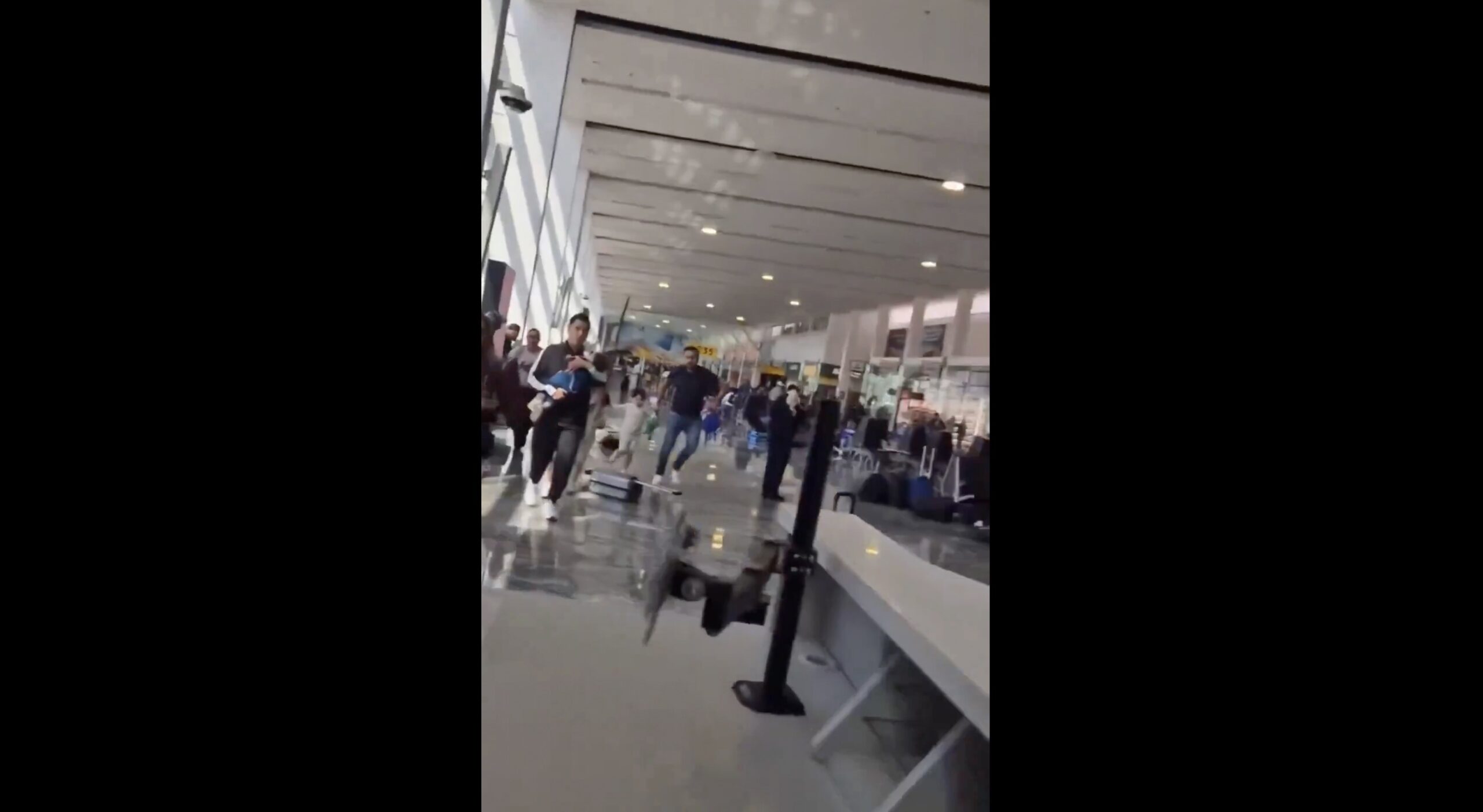
That's the moment when I realized this is going to be extremely complicated for us to make sense of," Jan-Albert Hootsen, the Mexican representative for the Committee to Protect Journalists (CPJ), said. The complication: People were running and seemed panicked in the airport of Mexico's second-largest city, but there was no gunfire or siege, the airport's official account tweeted.
Roam Research
#us-mexico-relations
World politics
fromwww.theguardian.com
3 weeks agoMajority of Mexican cartels' guns come from US, Sheinbaum says in response to Trump claims
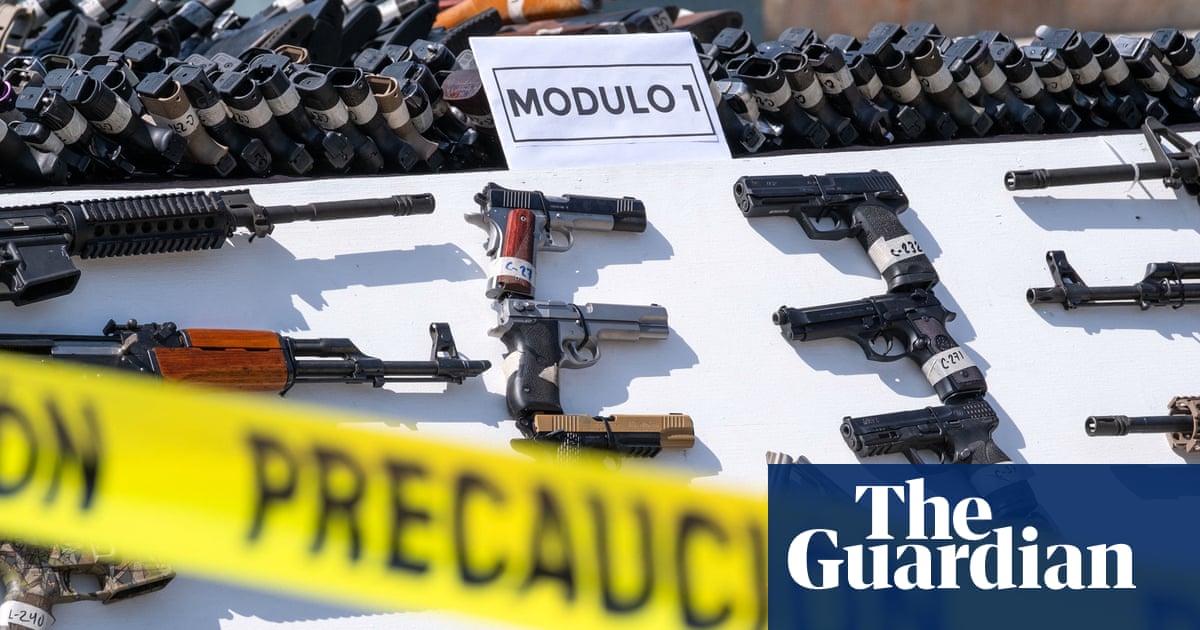
Mexico's president calls for US action on gun trafficking, noting 75% of cartel weapons originate from the United States, as Trump proposes military intervention against cartels.
fromThe Walrus
3 weeks agoHow Canada Is Being Pulled into America's War on "Narco-Terrorists" | The Walrus
The Donald Trump administration has insisted their actions are lawful and in compliance with the Law of Armed Conflict, with justification centred around "the United States' inherent right of self-defence as a matter of international law." The occupants targeted in the operation have been designated as "narco-terrorists" or members of "designated terrorist organizations," as a justification for blowing them out of the water-except, to date, no evidence or intelligence to back up those claims has been presented by the US to the public.
US politics

Miscellaneous
fromCalifornia Post
1 month agoTerrifying cartel banner is hung across Tijuana high school near US border - after drug kingpin killed
A cartel banner supporting El Mencho appeared at a Tijuana high school days after Mexican special forces killed the drug kingpin, prompting authorities to cancel classes.
Soccer (FIFA)
fromwww.aljazeera.com
1 month agoFootball matches postponed in Mexico after drug cartel leader killed
Multiple professional football matches and an international friendly in Mexico were cancelled after cartel leader Nemesio Ruben Oseguera Cervantes was killed, triggering security disruptions.
World news
fromwww.eastbaytimes.com
1 month agoUS and Ecuador launch military operation against organized crime groups
Ecuador and the United States launched joint military operations against organized crime and designated terrorist organizations amid Ecuador's escalating violence from drug trafficking and illegal mining.
World politics
fromwww.theguardian.com
4 weeks agoDismay as Hegseth urges Latin American allies to join offense' against cartels
The Trump administration threatens unilateral military action against drug cartels in Latin America if countries don't adopt more aggressive approaches, while pursuing broader geopolitical and resource interests in the region.
US news
fromenglish.elpais.com
1 month agoMexico's president visits Sinaloa following spike in factional cartel fighting
Mexico's Sinaloa state faces ongoing cartel violence between Los Chapitos and La Mayiza factions, causing hundreds of deaths, disappearances, and economic collapse, while President Sheinbaum visits to demonstrate government attention.
World politics
fromwww.dw.com
4 weeks agoUS urges Latin America to use military against drug cartels
Pentagon chief Hegseth convened a cartel-focused security conference with conservative Latin American allies, pledging aggressive military action against drug trafficking organizations and warning that the US will act unilaterally if necessary.
fromwww.theguardian.com
1 month agoIron river': Mexico's cartel violence fuelled by trafficked firearms from US
The ability of criminal groups to exercise this type of power and exercise this type of violence is closely linked to firearms trafficking, said Cecilia Farfan-Mendez, an expert on Mexican organised crime. If we want to see less violence in Mexico, this is a very important conversation.
World news
US news
fromenglish.elpais.com
1 month agoThe disputed business interests of the Jalisco New Generation Cartel
El Mencho's death leaves Mexico's most powerful cartel, the CJNG, without a clear successor, raising uncertainty about leadership transition and potential violence over control of a vast criminal empire.
World politics
fromNature
1 month agoHow a mathematician is cracking open Mexico's powerful drug cartels
Mathematician Rafael Prieto-Curiel developed a quantitative model estimating 175,000 people work in Mexican drug cartels, making them the fifth-largest national employer, despite political backlash.
fromenglish.elpais.com
1 month agoCrime is shifting from the coasts to the interior of Ecuador, turning quiet cities into hotbeds of violence
According to the annual ranking by the Mexican organization Citizen Council for Public Security and Criminal Justice, which compiles a list of the 50 most dangerous cities in the world, six Ecuadorian cities will appear among the top 10 in 2025. Babahoyo appears on the list for the first time as the second most violent, with 166 homicides per 100,000 inhabitants.
Madrid food
Madrid food
fromenglish.elpais.com
1 month agoPuerto Vallarta, in the aftermath of El Mencho's death: We got the message; they're in charge here'
CJNG cartel attacks on Puerto Vallarta businesses demonstrated territorial control following El Mencho's capture, causing infrastructure destruction, tourist exodus, and widespread fear.
World news
fromwww.mercurynews.com
1 month agoDePetris: How El Mencho's death in Mexico could make drug cartel violence worse
El Mencho's killing represents Mexico's biggest security victory since capturing El Chapo, but his death may paradoxically worsen narcotrafficking violence through cartel fragmentation and succession conflicts.

fromwww.aljazeera.com
1 month agoWill Mexico's Jalisco cartel's violent biz model survive El Mencho's death?
Oseguera Cervantes, known as El Mencho, consolidated one of Mexico's most powerful criminal organisations in part due to a unique franchise-based structure. According to the United States Drug Enforcement Agency (DEA), the CJNG maintains a presence in every state of Mexico, with varying levels of influence, and operates in more than 40 countries across the Americas, Europe, Asia and Africa, and throughout the US.
World news
fromwww.theguardian.com
1 month agoThe rise of the cocaine submarine podcast
These semi-submersible boats have been used for years by drug gangs to smuggle cocaine from South and Central America. In more recent months as the price of cocaine has plummeted, gangs have changed tactics: instead of letting the boats sink on delivery, they have started to reuse the vessels, setting up a refuelling platform at sea and sending the boats back so they can make as many journeys as possible.
Miscellaneous
fromwww.theguardian.com
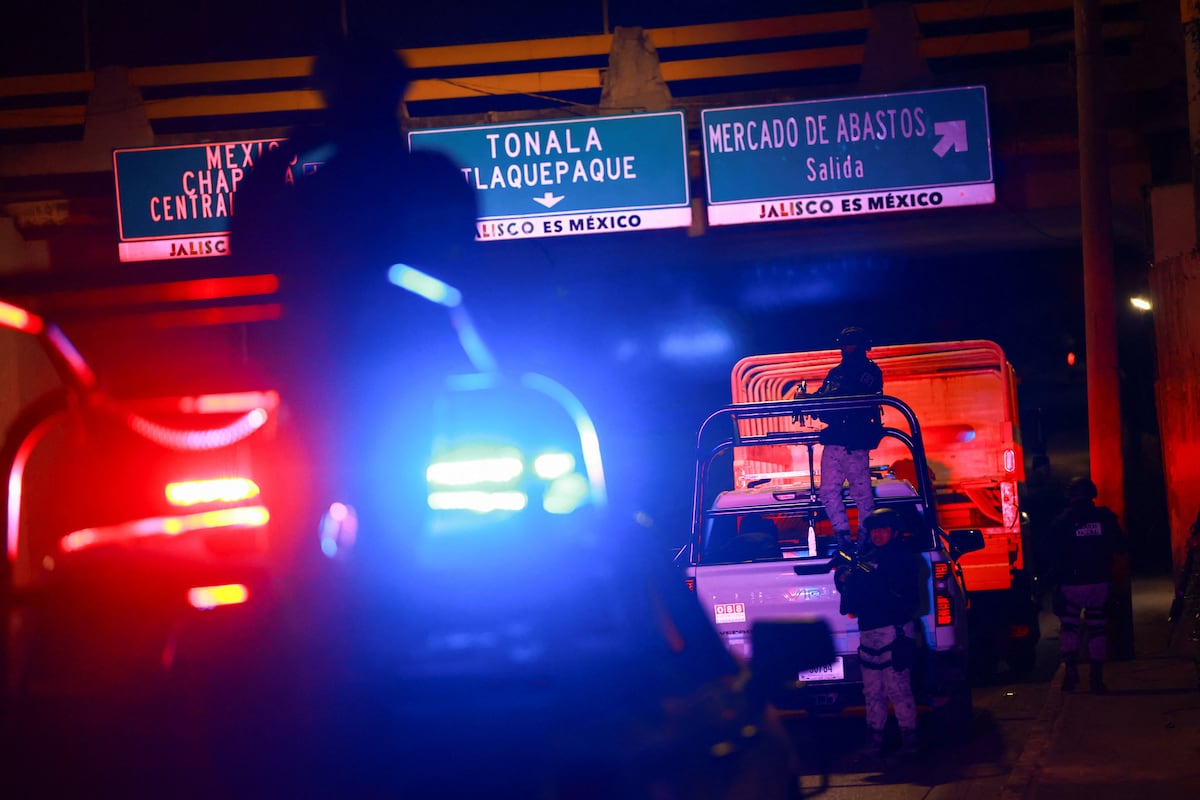
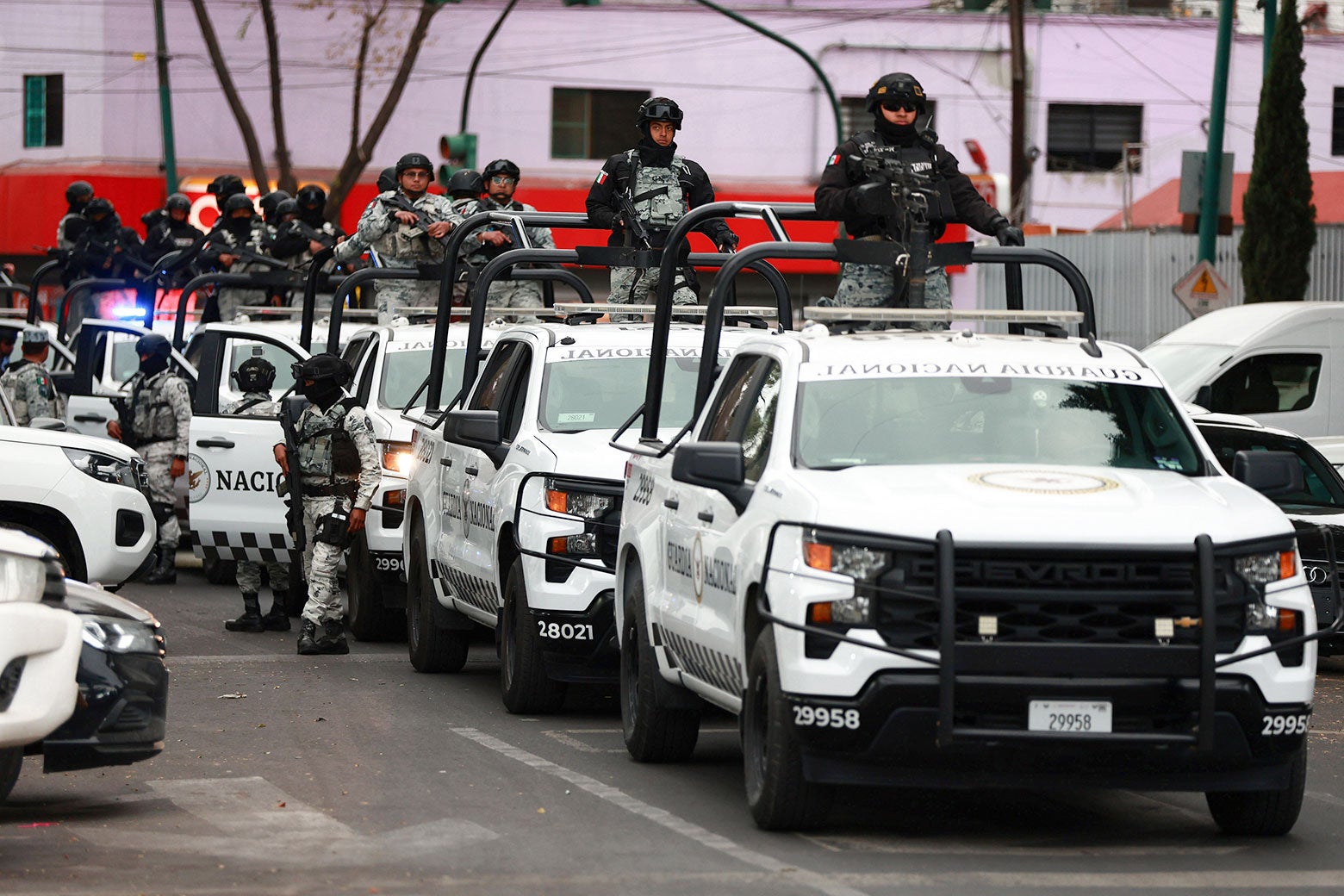
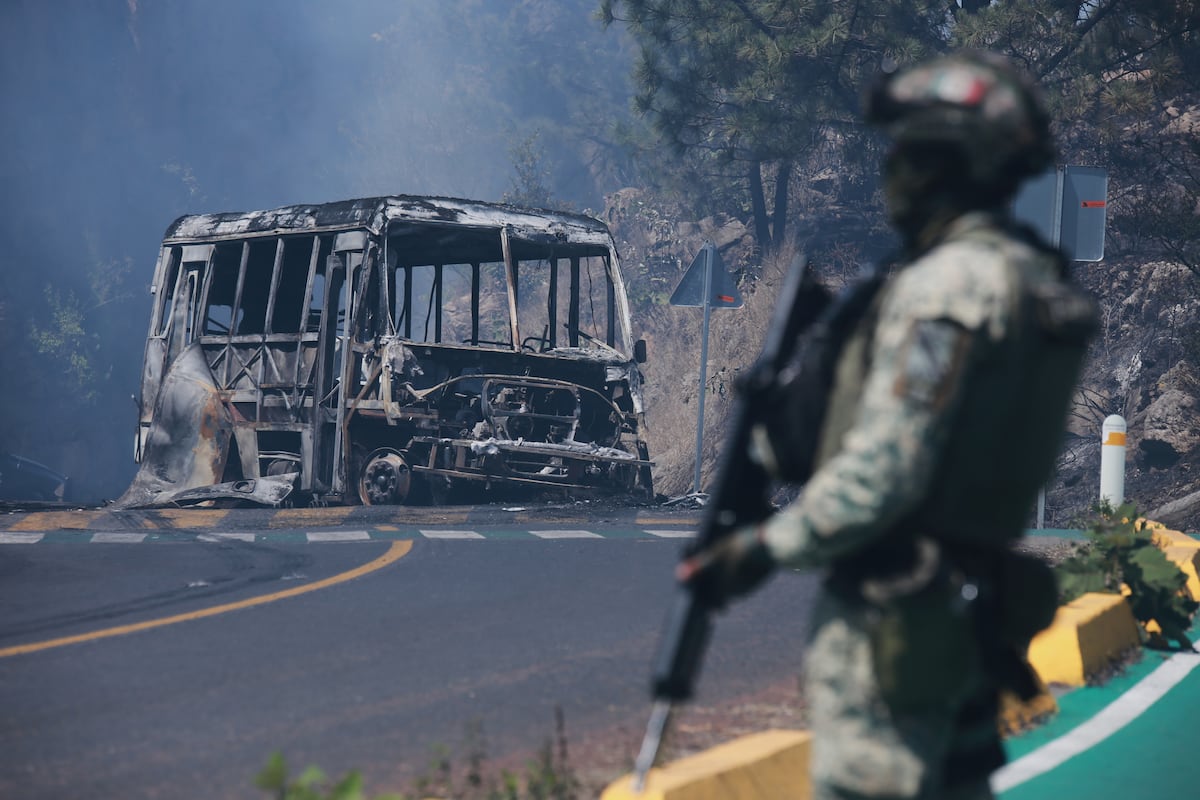
1 month agoKilling of Mexican drug cartel boss El Mencho' sparks wave of violence
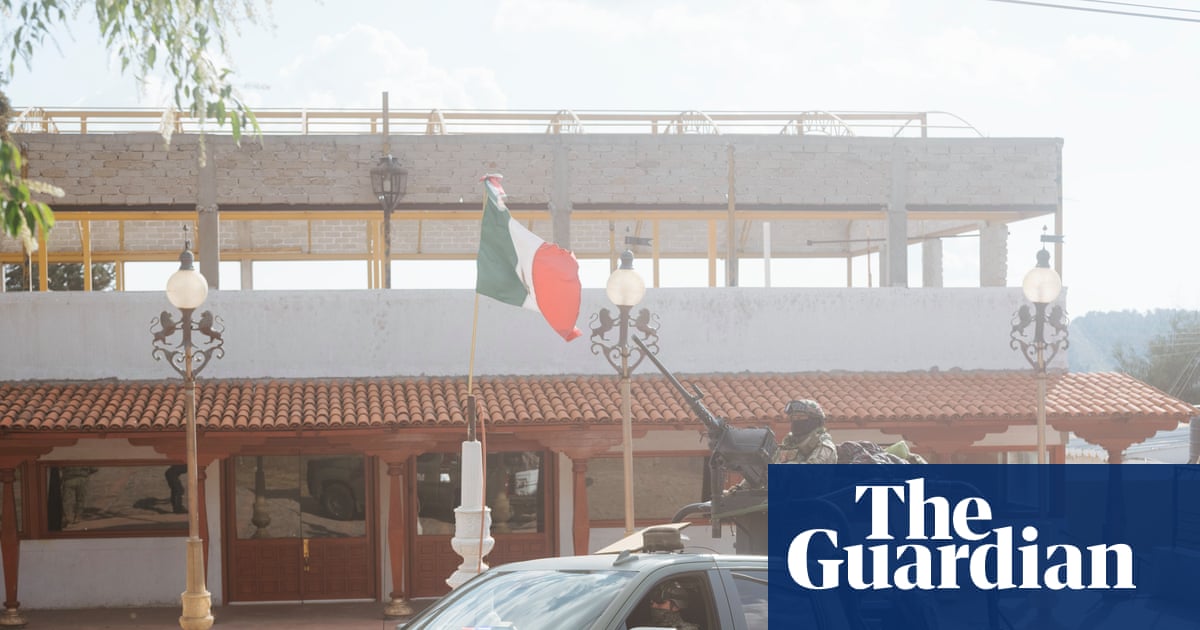
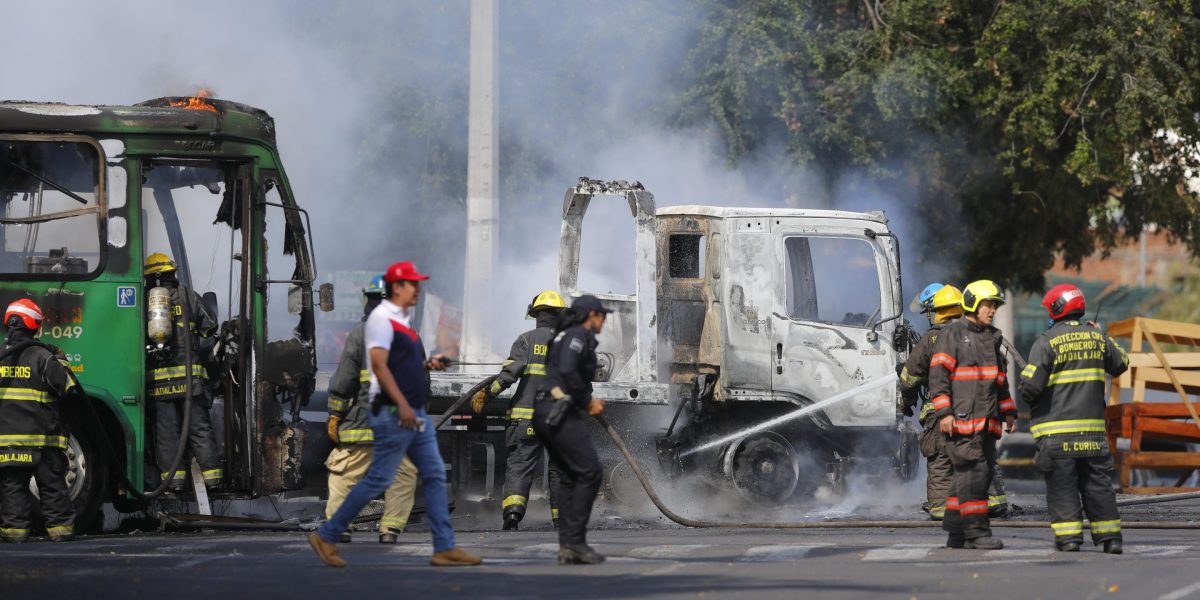
Whole areas of western Mexico have been all but shut down after a surge in cartel violence sparked by a military raid that killed one of the world's most wanted drug traffickers, known as El Mencho. Schools were closed in several Mexican states, and foreign governments warned their citizens to stay inside after the drug lord, whose real name is Nemesio Ruben Oseguera Cervantes, was declared dead on Sunday.
World news


fromenglish.elpais.com
1 month agoCocaine in Petro's car: A new sabotage allegation reignites Colombia's shadow war
On Tuesday, during an extended Cabinet meeting, Colombian President Gustavo Petro denounced two plots that initially drew little attention but would have halted the political agenda in almost any other country. As if downplaying it, Petro claimed that earlier this week someone tried to kill him while he was traveling by helicopter. According to his account, the aircraft had to change course and fly over the ocean for four hours before it could land.
World news
fromenglish.elpais.com
2 months agoLa Union Tepito, the cartel enriching itself through Tren de Aragua's sexual exploitation networks
Their attackers had tried to burn them to cover their tracks, but the double femicide left no doubt: it bore the mark of the Tren de Aragua criminal organization. In the wake of the crime, investigations and news reports about the Venezuelan gang followed. And arrests began. Although the Mexico City Security Secretariat tried to downplay its role, police operations proved that this criminal network, after spreading across the continent, was already operating in Mexico.
World news
fromwww.aljazeera.com
2 months agoMexico sends 37 more drug cartel suspects to US amid Trump attack threats
Mexico has sent another 37 alleged members of Mexican criminal organisations to the United States, the country's security minister said, amid US President Donald Trump's threat of ground attacks against drug cartels in the region. The handover of alleged drug cartel members on Tuesday is the third major transfer to the US in the past year and brings the total number of suspects transferred to 92.
World news
World news
fromenglish.elpais.com
1 month agoTransfer of cartel members to the United States underlines lack of control in Mexican prisons
Mexican prisons have become command centers where cartel leaders operate and extort from behind bars, prompting near-100 extraditions to the United States for security reasons.
fromenglish.elpais.com
2 months agoFrom chickens to lemons: The criminal life of El Botox,' Michoacan's biggest extortionist
The helicopters over the Michoacan town of Cenobio Moreno, in the Apatzingan Valley, on Wednesday foreshadowed significant arrests by the Mexican government. Authorities were searching for Cesar Sepulveda, alias El Botox, one of the most notorious figures in organized crime in the state, accused of more than a dozen extortions and murders, including that of Bernardo Bravo, leader of the local citrus growers' association, at the end of last year. He was finally captured that night in the neighboring town of Santa Ana Amatlan.
World news
[ Load more ]