#barbuto
#barbuto
[ follow ]
#italian-cuisine #cooking-tips #comfort-food #pasta #cooking #flavor-enhancement #olive-garden #pizza #recipes #cheese



fromTasting Table
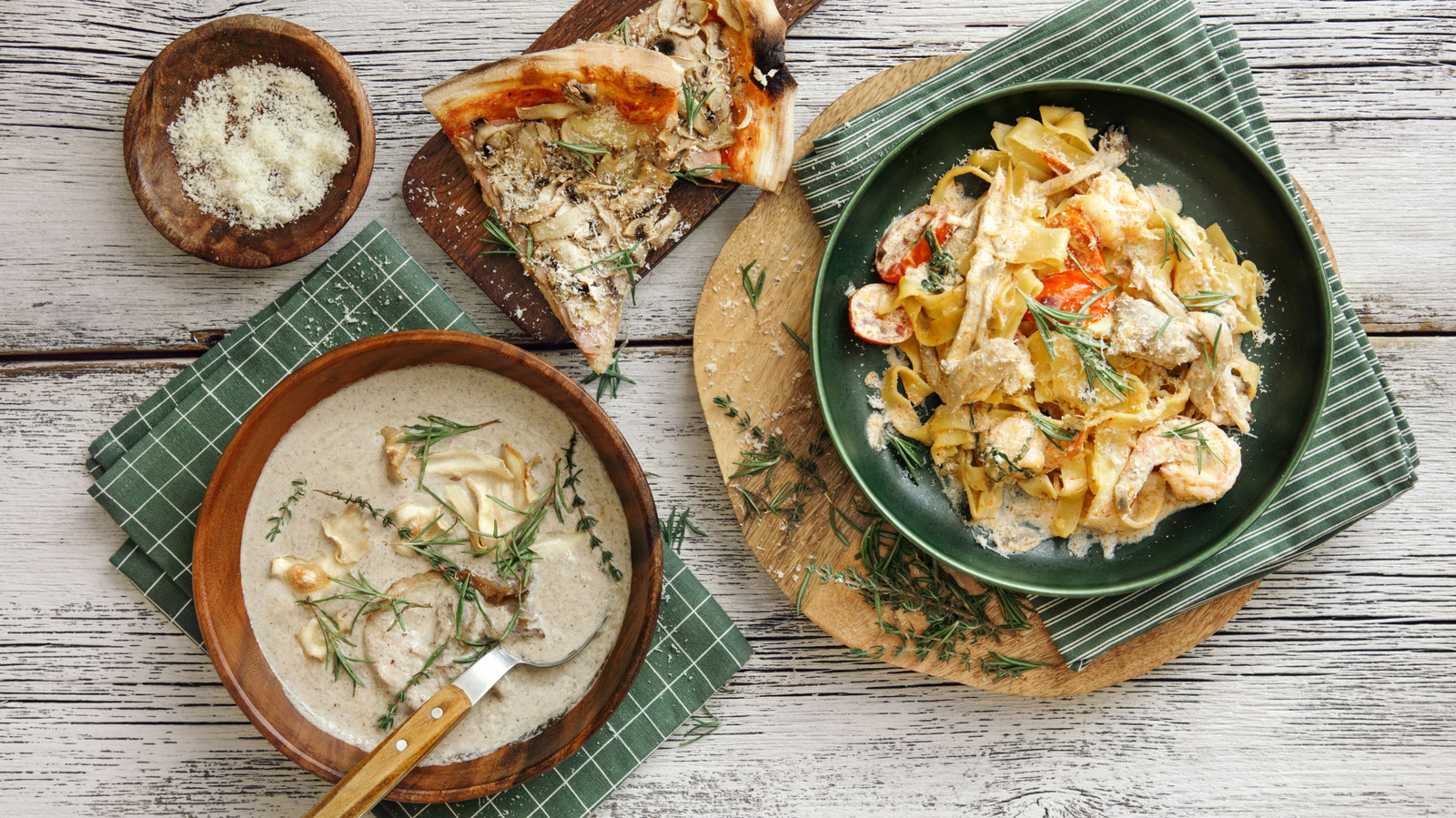
1 week agoThis Cocktail Staple Is The Secret To 'Amazing' Seafood Pasta, According To A Chef - Tasting Table
I use a lot of vermouth actually. Obviously it's a fortified wine and so therefore it has a lot of flavor. When I'm doing pastas, for example, I'm using white vermouth sometimes. If I'm doing a seafood pasta with clams, it's amazing. People are like, 'What's that flavor in there?'
Wine
Chicago
fromTasting Table
3 weeks agoThis Cozy Italian Restaurant Is A Suburban Chicago Favorite For Comfort Food - Tasting Table
Enzo & Lucia in Long Grove offers authentic Italian cuisine rooted in Northern and Southern Italian family recipes, providing suburban diners with exceptional regional Italian dishes beyond Chicago's city limits.
fromTravel + Leisure
4 weeks ago10 Best Italian Cities for Food Lovers-and the Iconic Eats They're Known For
Italian food products and cuisine have infiltrated just about every corner of the globe, but nothing compares to trying classic Italian dishes at their source-and there's so much more than pizza, pasta, and gelato. Don't expect to find the same dishes on menus all over the country. From carbonara in Rome to the best street food in Palermo, each Italian region has its own recipes.
Berlin food

fromTasting Table
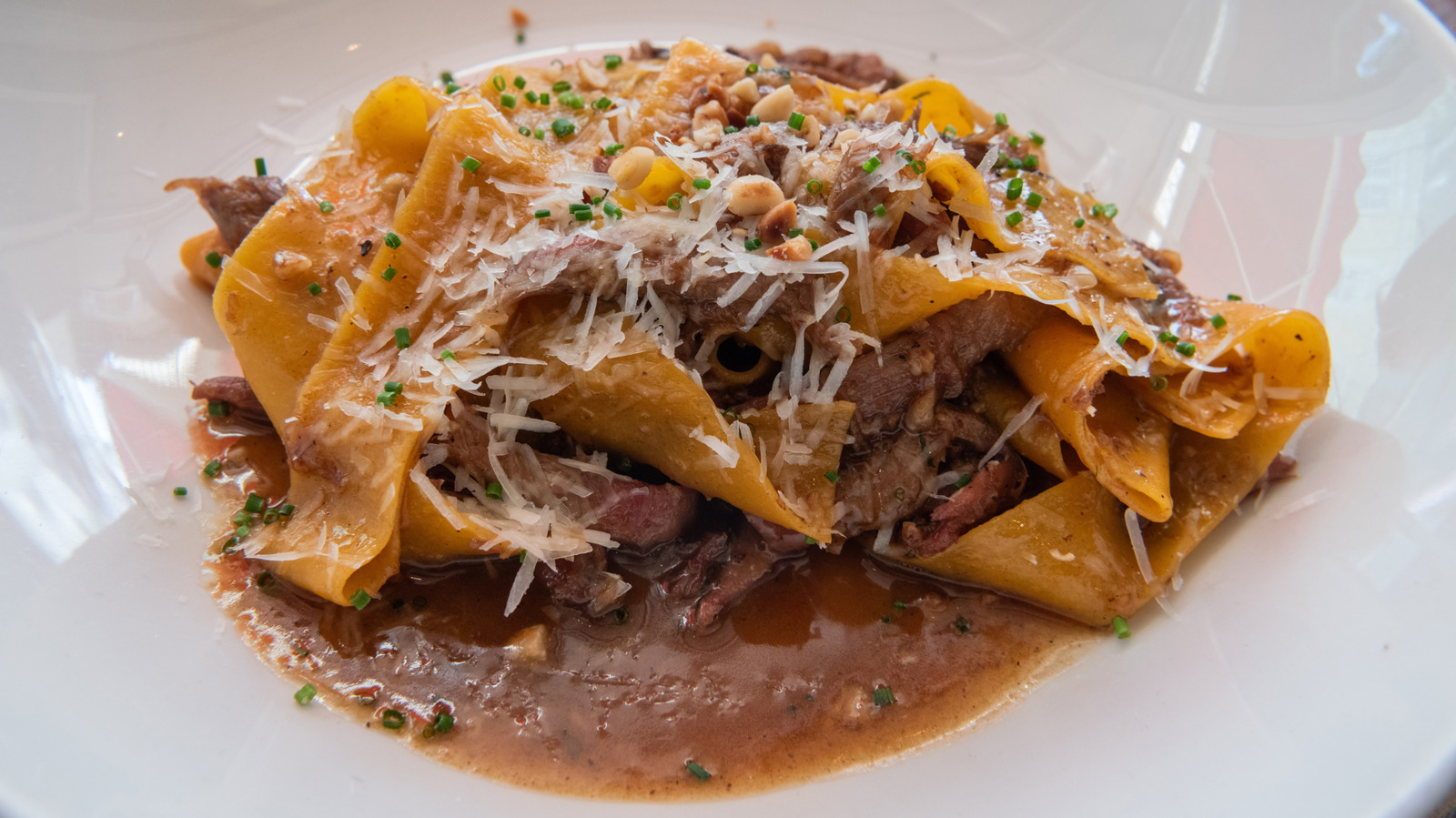
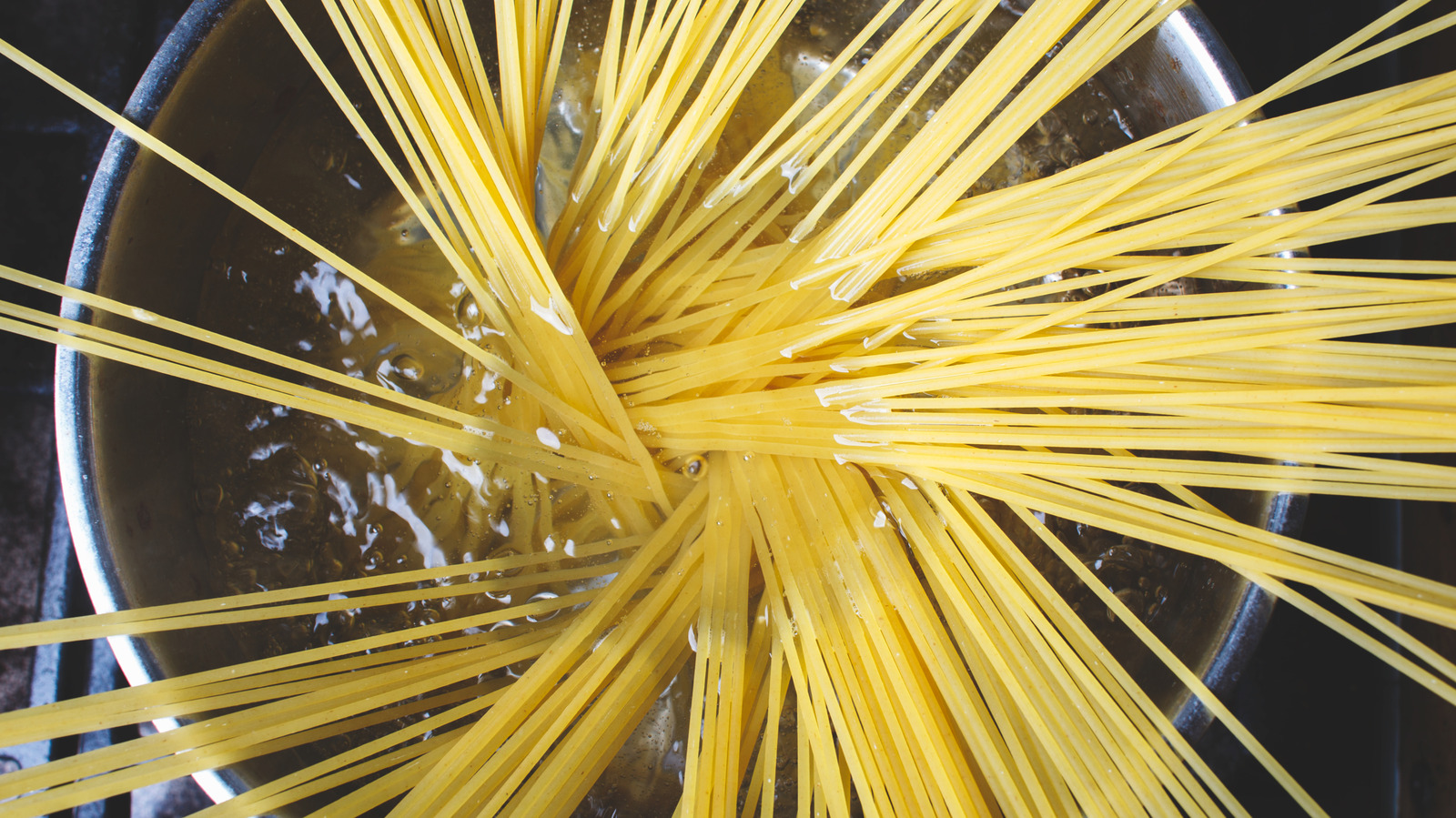
1 month ago8 Expert-Approved Tips For Pairing Non-Alcoholic Drinks With Italian Food - Tasting Table
Everything revolves around the food. Instead of trying to tweak a recipe to fit with a sweet or tangy drink, start with the food and ensure it remains the star of the show. The real purpose of seeking an appropriate drink pairing is to create balance with the food. Sweet with salty, bitter with sweet, etc. In this way, food flavors aren't masked with the addition of a drink, but instead are highlighted.
Miscellaneous
fromTravel + Leisure
1 month agoThese Are the 10 Types of Restaurants You'll Find in Italy-and Why You Need to Know the Difference
Historically speaking, an osteria was a spartan, no-frills establishment where people would go to have a drink. The original osterias date all the way back to the Roman Empire. If you go to Ostia Antica or Pompeii, you find the osterias of the era. They were like bed-and-breakfasts, with rooms for rent above the dining room where people could listen to music.
Dining
fromApartment Therapy
1 month agoWhile Traveling in Italy, I Learned the Easiest Coffee Upgrade I Now Do Every Morning
On my last trip, in Bologna, I found yet another way to enjoy Italian coffee (beyond ordering a doppio). One memorable café topped its coffees with fruit powder-infused whipped cream. They were listed under a section on the menu appropriately named "caffe della gioia" (yes, "joy coffee"). These joyful mugs are topped with a generous mountain of whipped cream that can be folded with fruit- or nut powders, like pomegranate, pistachio, orange, wild berries, and aniseed.
Coffee

fromTasting Table
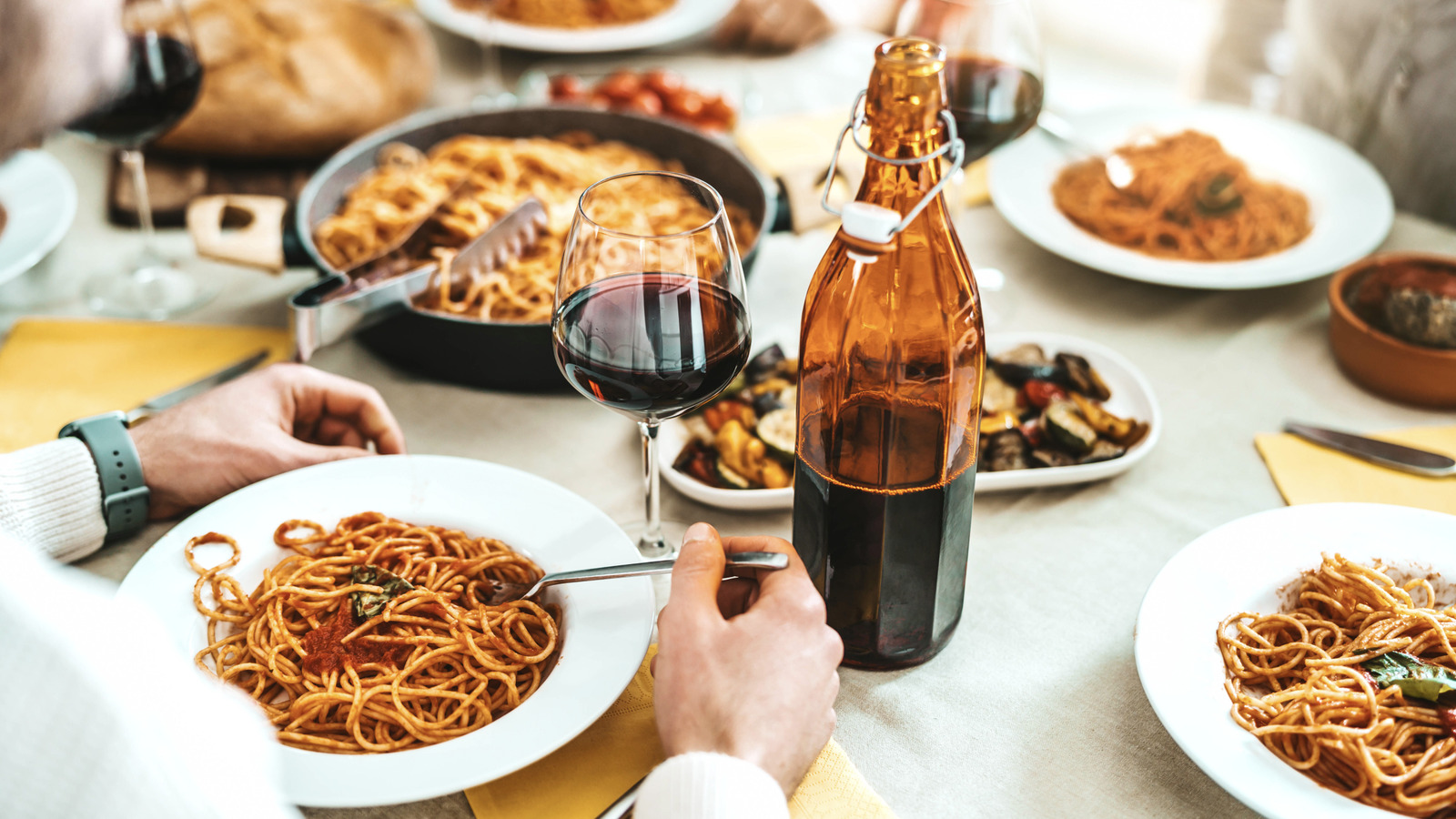
1 month agoReach For One Ingredient For Pasta Dishes Packed With Flavor - Tasting Table
Few low-prep dishes satisfy and delight on busy weeknights like one-pot pastas, and one of the best ingredients to take your pasta dishes to the next level is vegetable broth. Boiling dry pasta directly in vegetable broth instead of water imparts bolder flavor as the pasta soaks it up. Plus, you'll end up with a pot full of starchy cooking liquid from the boiled pasta, which can provide a solid base for building a pan sauce.
Food & drink
fromTasting Table
2 months agoThe Best Wine Pairings For 10 Popular Types Of Pasta Sauce - Tasting Table
Of course, pasta is incredibly versatile and can be transformed into dishes showcasing an endless array of flavors. So when you're looking to pair your pasta meal with a glass of wine, it's important to consider what type of sauce you'll be using to ensure the ingredients work well with the wine. While some pasta sauces are more flexible to pair with, others require a bit more care to ensure the flavors aren't overwhelmed, muted, or negatively impacted.
Wine
fromEsquire
1 month ago15 Best Italian Cocktails, According to Experts
What goes into the ideal Italian cocktail, as a result, is as much about sociability and presentation as it is about a specific flavor profile or provenance of ingredients. It isn't just a drink, it's a way of life. As soulful as a Puccini-penned opera. As colorful and exuberant as a summer sunset over the Amalfi Coast. Equally as expressive regardless of time or season.
Cocktails
fromTasting Table
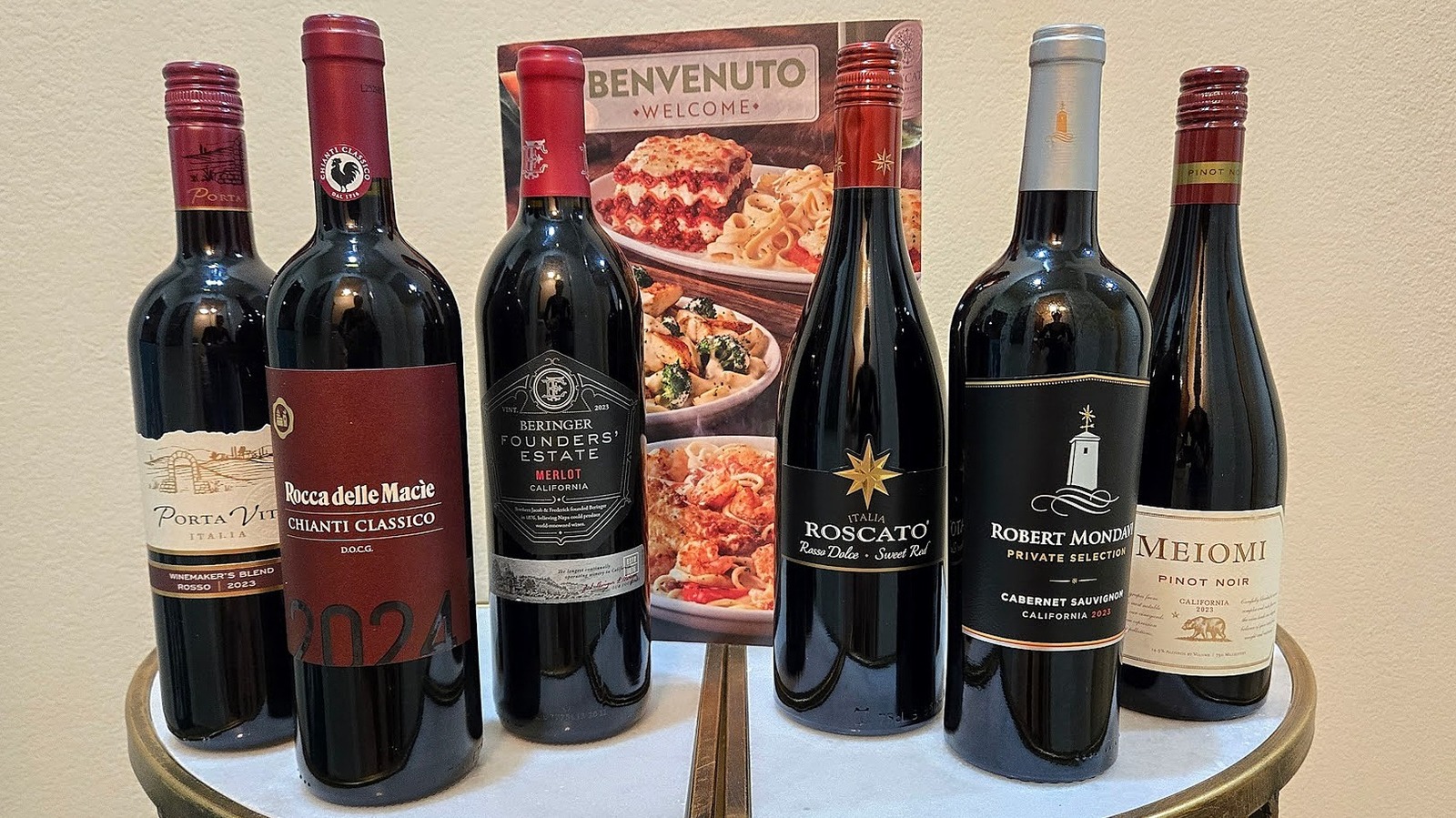
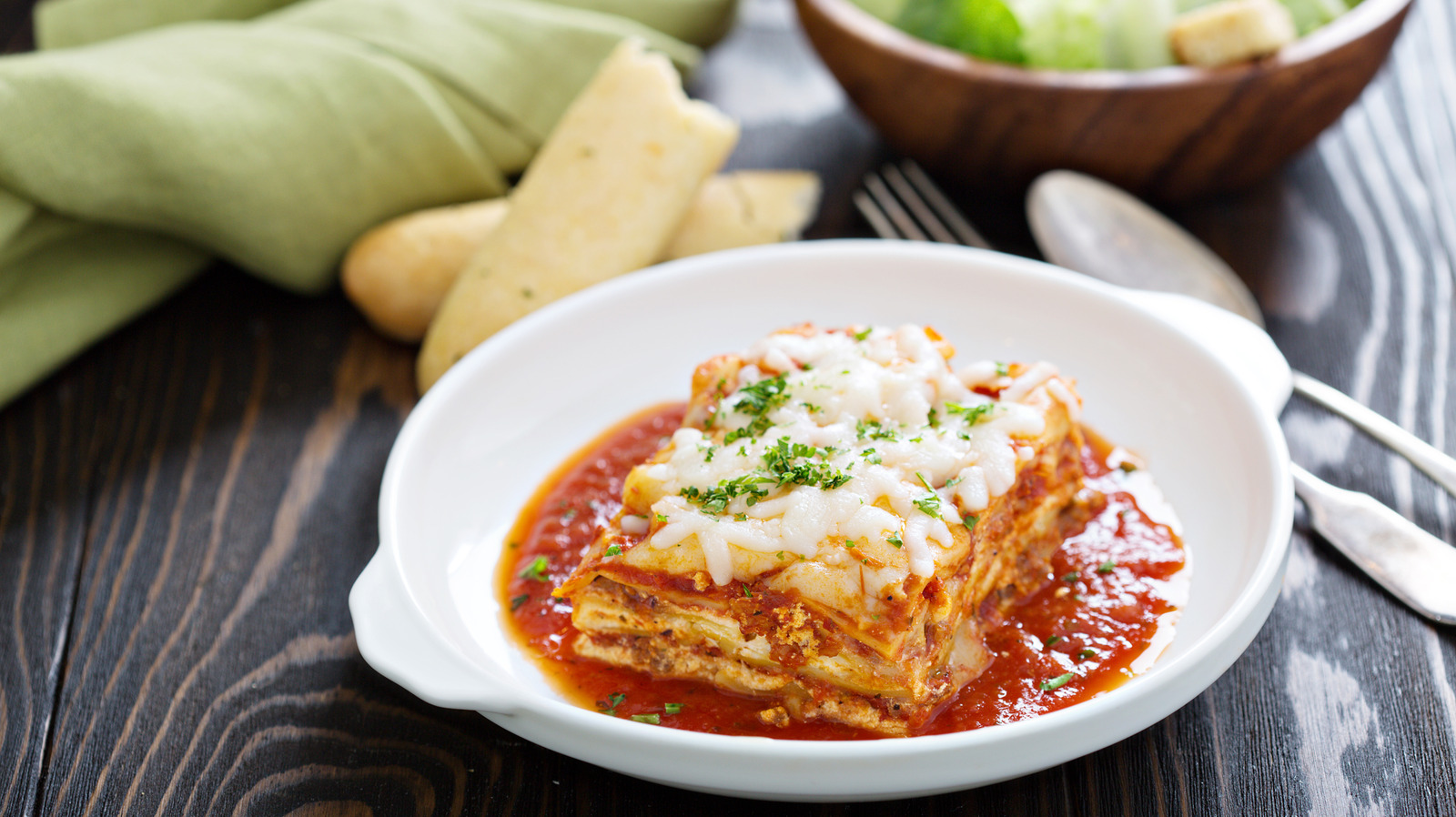
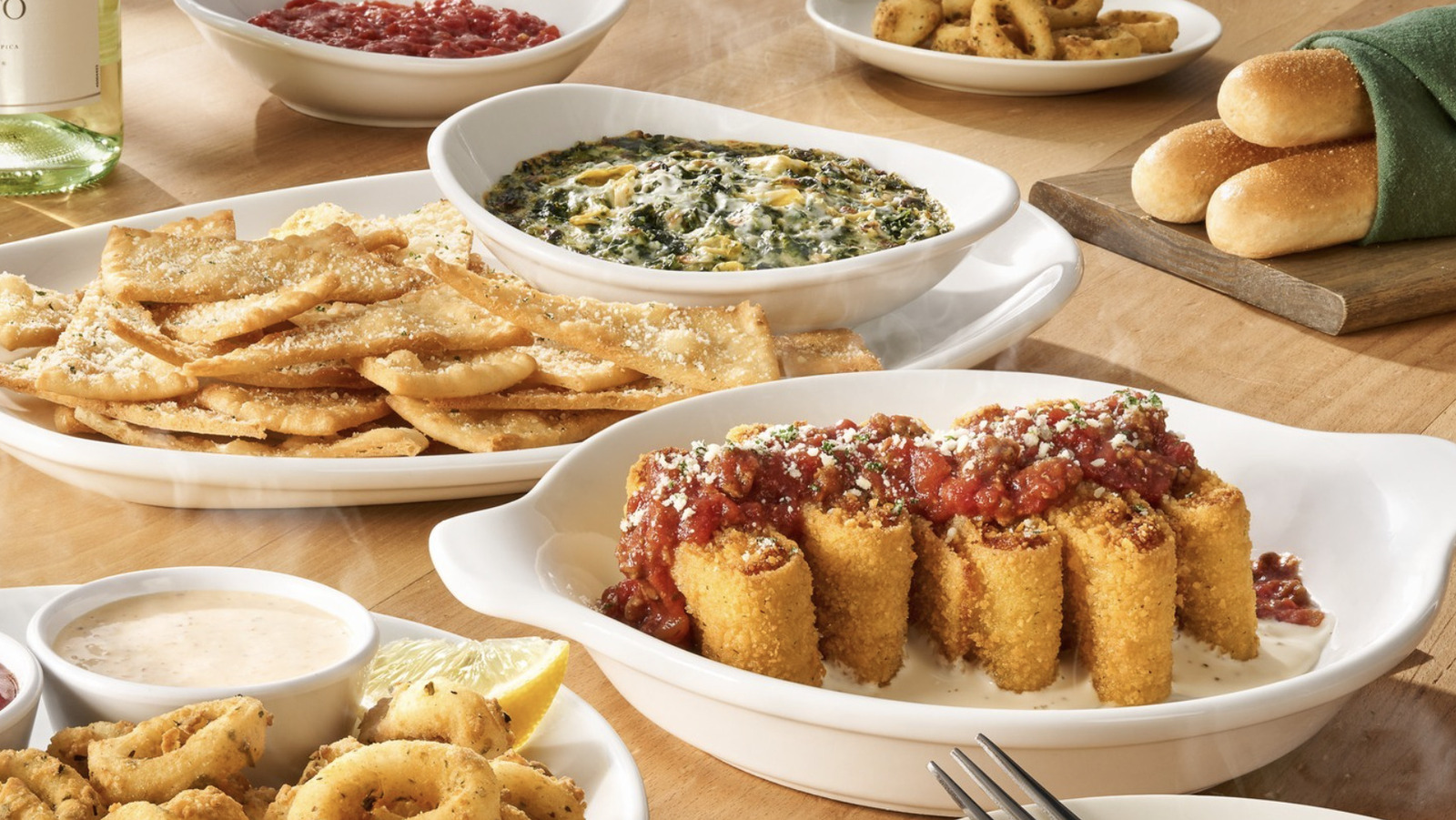
1 month agoOne Tangy Ingredient Gives This Classic Italian Sauce A Gourmet Edge - Tasting Table
Italian cuisine is among the most famous in the world, and for good reason. Iconic dishes like pizza and pasta are fan favorites no matter where you are in the world. And these two categories of Italian food in particular showcase the most classic Italian sauce, red sauce. Red sauce can be a stewed tomato sauce or a simple marinara sauce. While traditional recipes uphold strict standards that ban certain ingredients, an unconventional yet gourmet upgrade to Italian tomato sauces is balsamic vinegar.
Food & drink
fromTasting Table
2 months ago10 Foods And Drinks Where Country Of Origin Actually Matters - Tasting Table
Country of origin labeling became mandatory on all international products entering the United States in 2009. The goal was to ensure American consumers knew where the products they were buying came from, enabling shoppers to make informed buying decisions. These products include everything from Mexican avocados to French wine to pasta from Italy, with the latter thankfully safe from recent U.S. tariffs. However, does the location a product comes from actually matter?
Wine


fromBuzzFeed
1 month ago20 Cozy Northern Italian Recipes To Make During the Winter Olympics
Northern Italian cooking is built for long meals, cold weather, and patience, which is exactly the sort of food you want when settling in for hours of competition. From Lombardy and Piedmont to Emilia-Romagna and Liguria, these regions favor slow braises, creamy risottos, rich broths, and breads meant to be torn and shared. Whether you're feeding a crowd or committing to a cozy afternoon
Food & drink
fromTasting Table
1 month agoThis Cheesy Italian Fried Dough Is One Of Florence's Favorite Street Foods - Tasting Table
This coccoli, which can be a street food or restaurant appetizer, is truly an icon in Florentine - a term that simply means "from Florence" - fare. The word "coccoli" translates literally to "cuddles," and these fried dough balls do indeed feel like warm little hugs. They're about the size of dumplings; served hot, they've got a crispy exterior to crack into - with just the right amount of grease - where you'll find both fluffiness and chewy doughy-ness all at once.
Food & drink
fromwww.bonappetit.com
1 month agoAll the Recipes From Bon Appetit's Italian American Issue
Start with our cover star, food director Chris Morocco's one-hour bolognese that uses a pantry shortcut, Chinese black bean sauce, to kick up the umami. Then make his Green Chile Puttanesca Pork Chops where jarred jalapenos and guindillos offer buzzy heat and brightness to counterweight the rich meat. Senior Test Kitchen editor Shilpa Uskokovic also shared wintry vegetable dishes that can stand on their own.
Cooking
Cooking
fromTasting Table
1 month agoThe One Food You've Never Considered Stuffing Into Garlic Bread, But You Absolutely Should - Tasting Table
Meatball-stuffed garlic bread transforms garlic bread into a hearty main by combining garlic-buttered bread, saucy meatballs, mozzarella, and baking for crisp, gooey texture.
[ Load more ]