Design
fromPsychology Today
5 hours agoThe Future of Brain Health Is Architecture
The built environment significantly influences mental health, mood, and performance, with neuroscience guiding design for improved well-being.
'Never ever use these three things in a hotel room,' she warned in a video. Her first tip was to avoid using the 'wall-mounted refillable containers with soap and shampoo' now commonly found in hotel bathrooms.
Meininger, who grew up in Germany but now lives in London, likes making things. So when he saw how much his young sons enjoyed the jungle gym and play forts at the local park, he made an indoor treehouse for them.
When you design your home with intentionality, you are essentially 'hard-coding' healthy behaviors into your daily rhythm. Health outcomes are the result of thousands of micro-decisions—so in his own home, he prioritized spaces like the kitchen, whose open layout makes cooking a pleasure, and the gym, centrally located.
I'm usually [there] early because I have to meet a tradesperson. I'm constantly ordering cleaning products. The TV breaks down, buy a new TV; install the TV. If the beds get cracks in [them], buy a new bed. The biggest part of his job is the boring stuff.
I can't do anything about some of these big problems that the world and the city are facing. But I can do one modicum of something nice. So she started cleaning up. Ellen Baum's trash-collecting crusade gained the attention of local media and concerned New Yorkers who have joined the effort to clean up a bridge she considers her back yard.
My family had Slide Show Night when I was growing up. Not every Saturday, but a whole bunch of Saturdays. Either my sister or I would be in charge of setting up the projector, the screen, and loading the carousel. During the show, there'd be a few landscapes or skylines taken during vacations, but almost all the shots were up close. Like most dads, mine wasn't a professional photographer, but he did a good job of capturing memory triggers: faces, gestures, and decorations.
On a recent two-week trip to Japan with my fiancé - six cities, six hotels - every stay was gorgeous and perfectly appointed. We wanted for nothing. Except, in most cases, a proper bathroom door. Instead, we spent the better part of two weeks making accidental eye contact through frosted glass and translucent panels while one of us was otherwise occupied. A design choice, apparently. A test of intimacy, definitely.
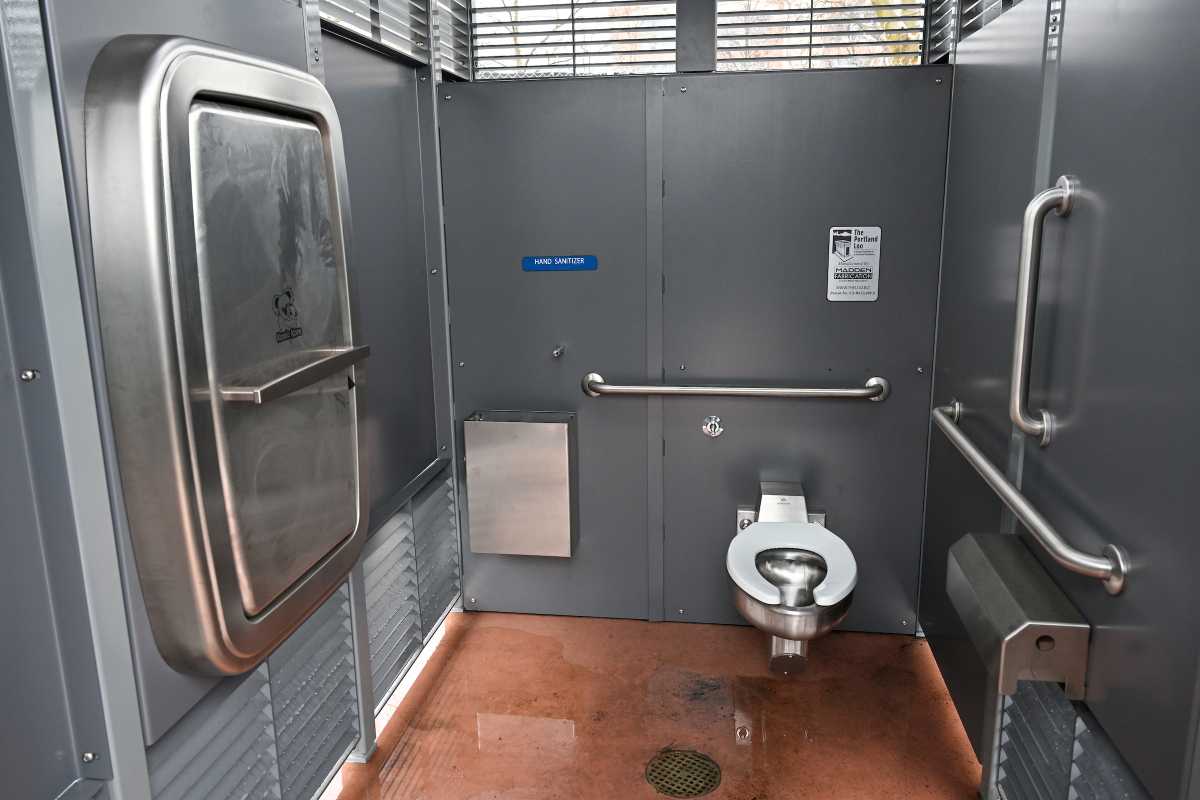
It's hard to think of two more fundamental social needs than a) not being forced to relieve yourself on the street and b) not having other people relieve themselves on the street yet the public toilet is an ignored and vanishing public amenity. The British Toilet Association reports that 40% of public toilets have closed since 2000 Victorian facilities in particular attract developers, not least because their dignified buildings endure: solidly built, centrally located and still embedded in the daily flow of the city.
In a statement on Friday, the council cited legislation that allows council bus drivers to refuse entry where a passenger's clothing is likely to dirty or damage the vehicle, or cause inconvenience or damage to other passengers or the driver. This can include circumstances where a passenger is wearing wet or sandy clothing that could impact the cleanliness and comfort of the shared transport environment, a spokesperson said.
Why would you do that? It's a way to remove distraction, calm your nervous system and practise mindfulness. And get clean. Yes, you also get clean. But this is more about finding those small, intentional moments that release you from the cares of your day. It sounds like an accident waiting to happen. You don't have to shower in complete darkness just in dim light, even by candlelight.
On a recent stay at a friend's house, I encountered a familiar problem. The friend, a thoughtful host, had left us washcloths, shampoo, body wash, toothpaste, and towels. She'd set out a bottle of filtered water and plastic cups. But when I stepped into the shower, I discovered that she had not given us what once would have seemed like a basic personal-care necessity: a bar of soap.
What is troubling me is I've always had an issue with taking a shower and all the oil and dirt flowing down my body. I think it's gross. Besides my resistance to actually taking a shower, I hate getting out of the shower and feeling cold, and trying to get dressed partially wet. When I've been in relationships, I force myself to shower, or I wipe down with hospital-type wipes.
Cities around the world share a common goal: to become healthier and greener, supported by civic infrastructure that restores ecosystems and strengthens public life. The question is how to reach this. Global climate targets, local building codes, and municipal standards increasingly guide designers and planners toward better choices. Still, many cities struggle to translate these frameworks into everyday, street-level comfort and long-term ecological protection.
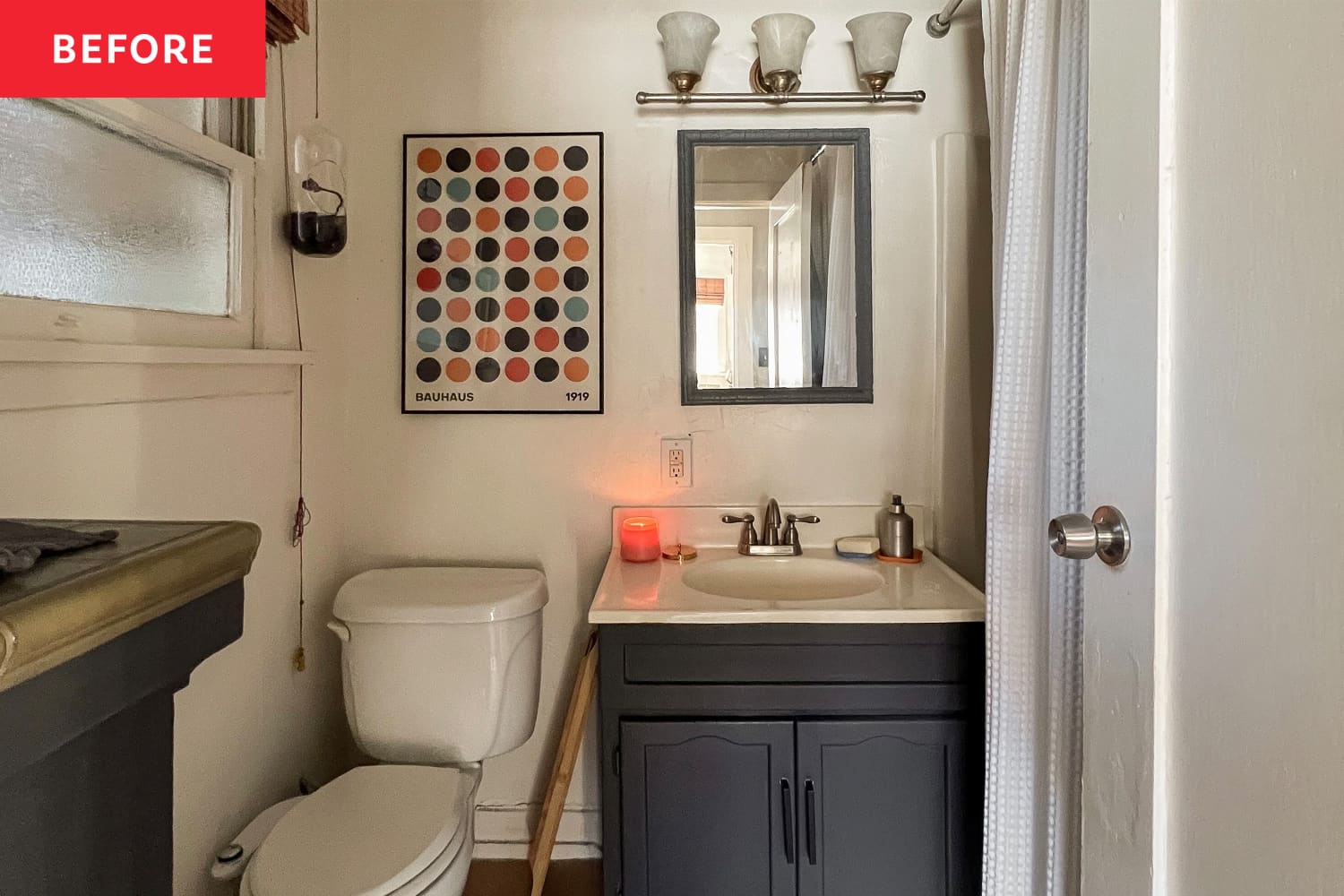
Because it's so important to the function of my home, it's become an afterthought when it comes to making it beautiful. All I need is a functional, clean space - it doesn't need to feel as relaxing as my bedroom or living room. Plus, it's not like I have the time (or money!) to invest in transforming the bathroom space by hiring a stager or designer. But I'm interested in making each space feel a little more beautiful these days.
When it's dreary outside, I usually hunker down and do household chores - running the dishwasher, catching up on laundry, maybe even taking a long shower and shaving my legs. These days, though, I take the opposite approach: I never do chores that require water use when it's raining outside. That's because I recently learned that my city, Milwaukee, has a shared sewer system - which means rainwater runoff, domestic sewage, and industrial wastewater collect in the same pipes.
The best way to overcome travel accidents is to always be prepared. That includes packing just a little soap before you go. "Bring concentrated liquid detergent in a small travel bottle-it's easier to rinse out than powder," O'Connor said. " Dr. Bronner's or Woolite works well for hand washing. You can skip fabric softener. This just adds rinse cycles you don't need."
Jane Jacobs was also one of the voices that challenged this predominantly rationalist logic, arguing that truly vibrant streets are those capable of sustaining the diversity of everyday life, its informal exchanges, and the forms of care and natural surveillance that emerge from them. What these authors share is a fundamental insight: streets are not merely infrastructures for circulation, but social ecosystems, shaped by the relationships, uses, and encounters that take place within them.
In contemporary interiors shaped by speed, productivity, and constant stimulation, seating has largely become passive. It is designed to hold the body while the mind drifts elsewhere. OSOLO challenges this condition. It is not a chair in the conventional sense, but a mindful seating platform, a ritual object that reconsiders how we sit, gather, and occupy space. OSOLO emerges at the meeting point of two ancient cultures: Japanese stillness and Turkish hospitality.
Leisure spaces are often where different generations cross paths. Without formal programs or assigned roles, they allow people to move, pause, and remain together, each engaging space in their own way. In a built environment increasingly shaped by specialization and separation, these shared spatial grounds have become less common, giving leisure-oriented architecture a renewed relevance. Discussions around public space have repeatedly pointed to the value of openness and flexibility in supporting collective life.
The best over-the-toilet storage is one that can maximize the space in a small bathroom without looking like an eyesore. Whether you have a tiny powder room or a bathroom of epic proportions in need of extra storage, the right bathroom shelf can help you create a clutter-free, organized oasis. Transform this often-overlooked area above the john with thoughtfully designed shelving that keeps toiletries neat and accessible.