#bioinspiration
#bioinspiration
[ follow ]
fromwww.scientificamerican.com
1 day agoSee these ziti-sized fish scale a 50-foot waterfall
During major floods, thousands of tiny fish convene at Luvilombo Falls in the upper Congo River Basin to undertake a peculiar vertical migration, described for the first time today in Scientific Reports.
OMG science


fromArs Technica
6 days agoHow new fishing tech can reduce bycatch of turtles and other creatures
"There are not very many conservation issues that I'm aware of where industry and conservationists and consumers and the fishermen and the resource users all want the same thing. Every stakeholder wants less bycatch."
Pets
Design
fromYanko Design - Modern Industrial Design News
3 days agoBiomimetic Architecture Reaches New Heights With This Bird-of-Paradise Yoga Space - Yanko Design
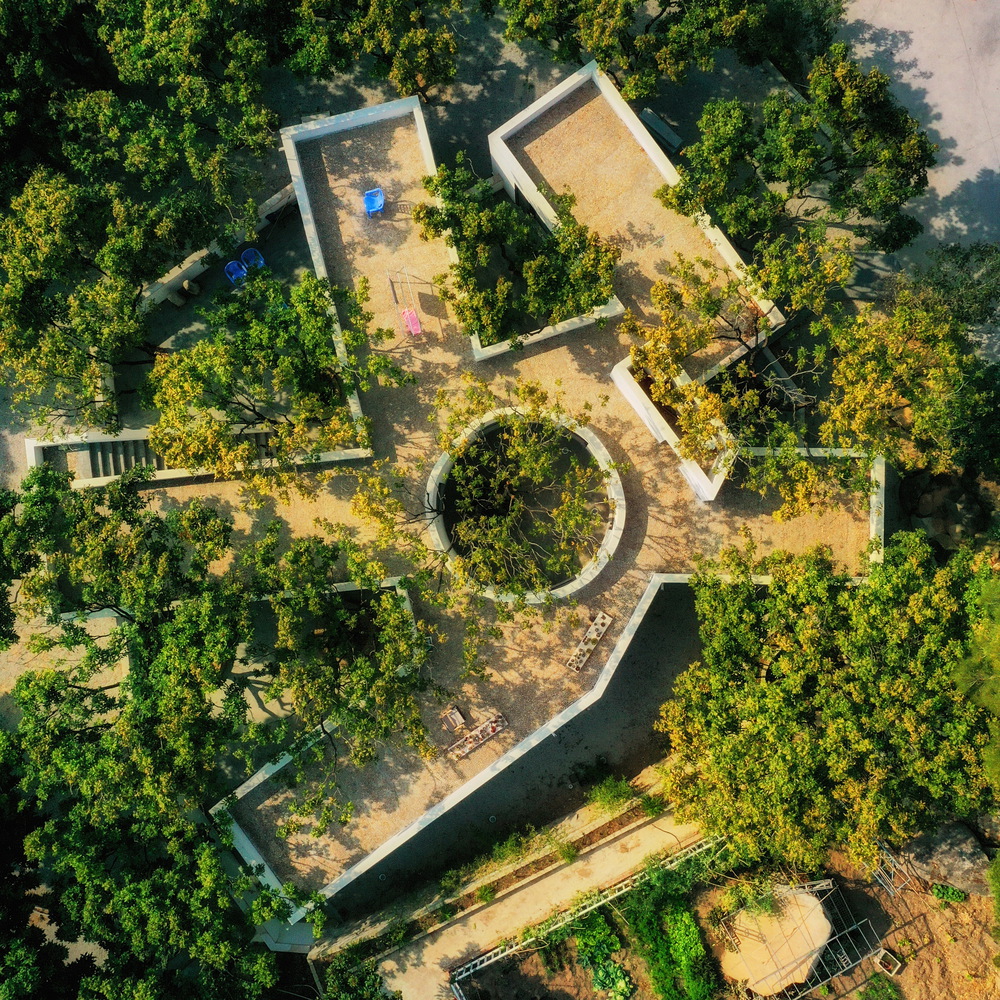
Thilina Liyanage's architecture translates animal gestures into functional designs, exemplified by the Rifle Bird Yogashala inspired by the Victoria's riflebird's courtship display.
fromdesignboom | architecture & design magazine
1 week agoexplore WINT design lab's regenerative futures where humans connect with their bodies
WINT Design Lab envisions regenerative futures through devices and biotextiles that allow humans to connect with their bodies more and free themselves from fossil materials that harm them and the environment.
Wearables
fromNature
5 days agoNow is the time for scientific societies to guide global research
Modern scientific societies are increasingly vulnerable due to their dependence on membership fees and journal subscriptions, which are being challenged by the rise of virtual networking and open-access publishing.
Science
fromArchDaily
1 week agoDesigning for Obsolescence in an Age of Perpetual Upgrades
In the nineteenth century, entire railway networks became obsolete almost overnight, not due to physical deterioration, but because of changes in the technical standards that supported them. The expansion of railroads across Europe and North America adopted different track gauges, and as a dominant standard gradually emerged, these infrastructures became incompatible with one another.
Renovation

Roam Research
fromdesignboom | architecture & design magazine
4 weeks agomushroom-inspired devices convert wasted energy into reusable power to charge gadgets
Spoa devices harvest wasted electromagnetic fields from household environments to generate reusable electricity for charging gadgets and appliances.
fromFast Company
4 weeks ago'We just have to experiment faster': AI's changed design forever. Now what?
If you've signed up for Cursor to do some casual vibecoding, you'll probably find yourself disoriented by the command lines and acronyms that live throughout the software. Lu proposes he can solve this tension with his new project, something he's calling 'Baby Cursor.' Lu imagines Baby Cursor as the next generation of the company's software, which first launched in 2023.
Web development
fromArchDaily
3 weeks agoBuilding with Earth: Traditional Knowledge in Contemporary Architecture
Rather than representing a simple return to the past, this renewed interest reflects a broader reconsideration of how architecture engages with materials, local resources, and environmental conditions.
Renovation
fromArchDaily
3 weeks agoHow Architecture Is Learning to Generate Its Own Energy
Photovoltaic (PV) solar energy represents a modular technology that can be manufactured in large-scale facilities, generating economies of scale, while also being adaptable to small-scale applications. From residential rooftop systems to large-scale power generation installations, photovoltaic solar energy has established itself as a cost-effective option for electricity production in many countries around the world.
Environment
Design
fromArchDaily
2 weeks agoRethinking Architecture at the Scale of Planetary Systems
Contemporary architecture operates within interconnected technological systems—energy networks, data infrastructures, and global logistics—that fundamentally shape what can be built, its affordability, performance, and waste production.
OMG science
fromArs Technica
1 month agoResearch roundup: Six cool science stories we almost missed
Scientists revived Edison's nickel-iron battery design using protein scaffolding and graphene oxide, creating an aerogel structure for improved renewable energy storage with extended range and longevity.
Design
fromYanko Design - Modern Industrial Design News
3 weeks agoThis Bio-mimicking Safari Deck Is Designed to Look Exactly Like a Rhino - Yanko Design
Thilina Liyanage designs a rhino-shaped wildlife observation deck that merges biomimetic architecture with functional safari infrastructure, creating a viewing platform whose form reflects the landscape and animals it observes.
Design
fromArchDaily
3 weeks agoFacing the Age of Robots? Material Innovation in Architectural Structures
Robotic technology in construction extends beyond automation and cost reduction to fundamentally reshape architectural design, material experimentation, and construction methodologies through collaborative human-robot workflows.
fromArchDaily
4 weeks agoArchiving the Technosphere: How Museum Architecture Mediates Human-Made Systems
The contemporary technology museum has emerged as a performative participant in the systems it seeks to document. The architecture of these institutions has become increasingly fluid and bold, often mirroring the velocity and complexity of the systems it houses. They operate as mediators between the human, the ecological, and the technological realms, transforming from encyclopedic warehouses into active educational engines.
Science
Design
fromYanko Design - Modern Industrial Design News
3 weeks agoMIT Finally Built the House Your Great-Grandkids Will Inherit - Yanko Design
MIT's Heirloom House project uses nine modular concrete components engineered to last 1,000 years, assembled through gravity and friction rather than permanent fasteners.
fromInfoQ
2 months agoHolistic Engineering: Organic Problem Solving for Complex Evolving Systems
I'll be talking about holistic engineering or the practice of factoring in your technical decisions, designs, strategies, all the non-technical factors that are actually forces that influence your organic socio-technical problem space. As much as you can see in this canyon how natural forces have influenced the shape of the earth, so you can see the color. You can see all the different layers.
Software development
fromInfoQ
1 month ago[Video Podcast] AI Autonomy Is Redefining Architecture: Boundaries Now Matter Most
Earlier we did episode one of this with Grady Booch where we discussed the principled view of that what's changing and what remains unchanged, what is hyped and what is actually naturally coming with the AI changes. We also spoke about that what is the difference between the design and the architecture and what teams are focusing and what they might be missing.
Design
fromAeon
1 month agoIn solarpunk cities of the future, tech follows nature's lead | Aeon Essays
In Indra's Net of pearls and jewels, every gem reflects every other, a shimmering image of interdependence. This ancient Vedic metaphor for connection across the cosmos also illuminates what the environmental philosopher Glenn Albrecht first proposed in 2014as 'theSymbiocene': the era after the Anthropocene, in which human technologies take their cues from living systems and work in partnership rather than through dominance.
Philosophy
fromMedium
2 months agoA Green Book for AI Apps
I use software as a creative instrument: in workflows, publications, client systems, and in all the quiet machinery that keeps institutions pulsing through connected ideas. I've now lived through two platform shifts up-close: the dawn of the consumer internet and the explosion of Web 2.0's networked creativity. The lesson that stuck is simple: the most exciting tools are rarely the safest place to store your work.
Software development
fromNature
1 month agoWhat my cave stay taught me about sensors
To capture the biological impact of this extreme environment, I used a comprehensive suite of sensors and biomarker analyses. I wore a wireless electroencephalograph (EEG) system to monitor brain activity, sleep stages and neural signatures of stress and adaptation; the Oura Ring to continuously track sleep patterns, heart-rate variability and circadian-rhythm shifts; and the glucose monitor to follow metabolic responses in real time.
Wearables
fromwww.nature.com
2 months agoCollective intelligence for AI-assisted chemical synthesis
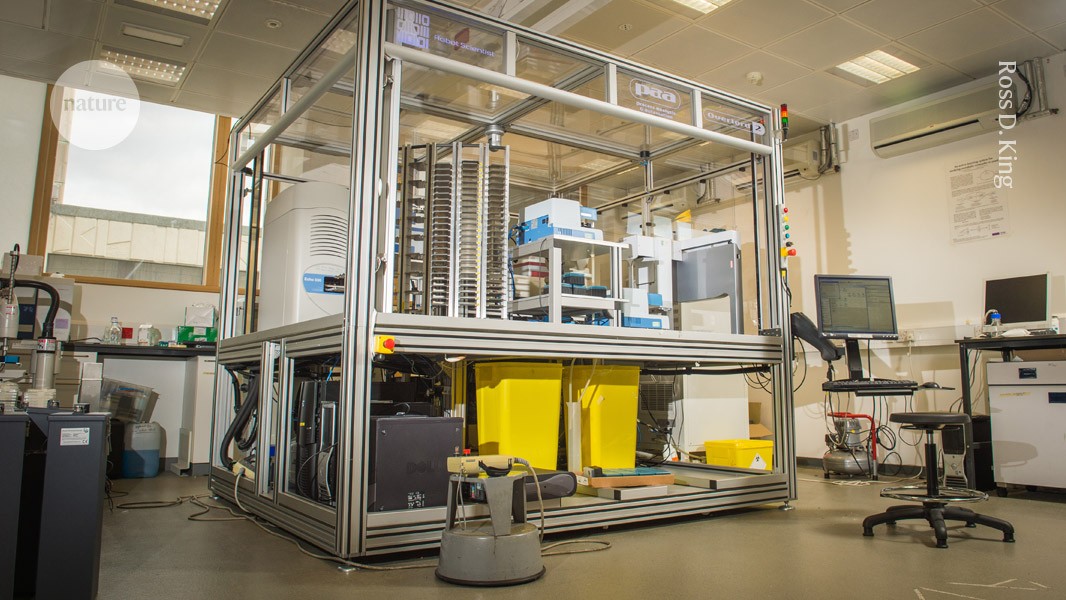
The exponential growth of scientific literature presents an increasingly acute challenge across disciplines. Hundreds of thousands of new chemical reactions are reported annually, yet translating them into actionable experiments becomes an obstacle1,2. Recent applications of large language models (LLMs) have shown promise3,4,5,6, but systems that reliably work for diverse transformations across de novo compounds have remained elusive. Here we introduce MOSAIC (Multiple Optimized Specialists for AI-assisted Chemical Prediction), a computational framework that enables chemists to harness the collective knowledge of millions of reaction protocols.
fromNature
1 month agoI know science can't fix the world - here's why I do it anyway
His message is clear: our world is built on abundant energy, around 80% of which has come from fossil fuels over the past 50 years. Because supplies are limited, energy consumption will peak in decades - sooner if humans attempt to limit climate change. To keep global warming below 1.5 °C by 2100, the use of fossil fuels must fall by 5-8% each year - a pace that is too fast for low-carbon energy to keep up with.
Environment
fromNature
2 months agoOctopus-inspired 'synthetic skin' changes colour and texture on demand
Bumps or grooves of a range of sizes - from the sub-micrometre scales of visible-light wavelengths up to millimetres - affect how a surface scatters light. This can make a material more or less dull, or change its colour when observed from different angles. Molluscs, such as octopuses and cuttlefish, use tiny muscles embedded in their skin to produce these effects for camouflage or communication.
Science
Design
fromYanko Design - Modern Industrial Design News
1 month ago5 Biomimicry-based Architectural Designs That Copy Nature's Best Ideas - Yanko Design
Design in the Amazon embraces layered, adaptive systems prioritizing resilient materials, natural ventilation, and environmental harmony to create comfortable, low-impact interiors and products.
Design
fromwww.archdaily.com
2 months agoFrom Material Intelligence to Circularity: Lessons from Architecture in 2025
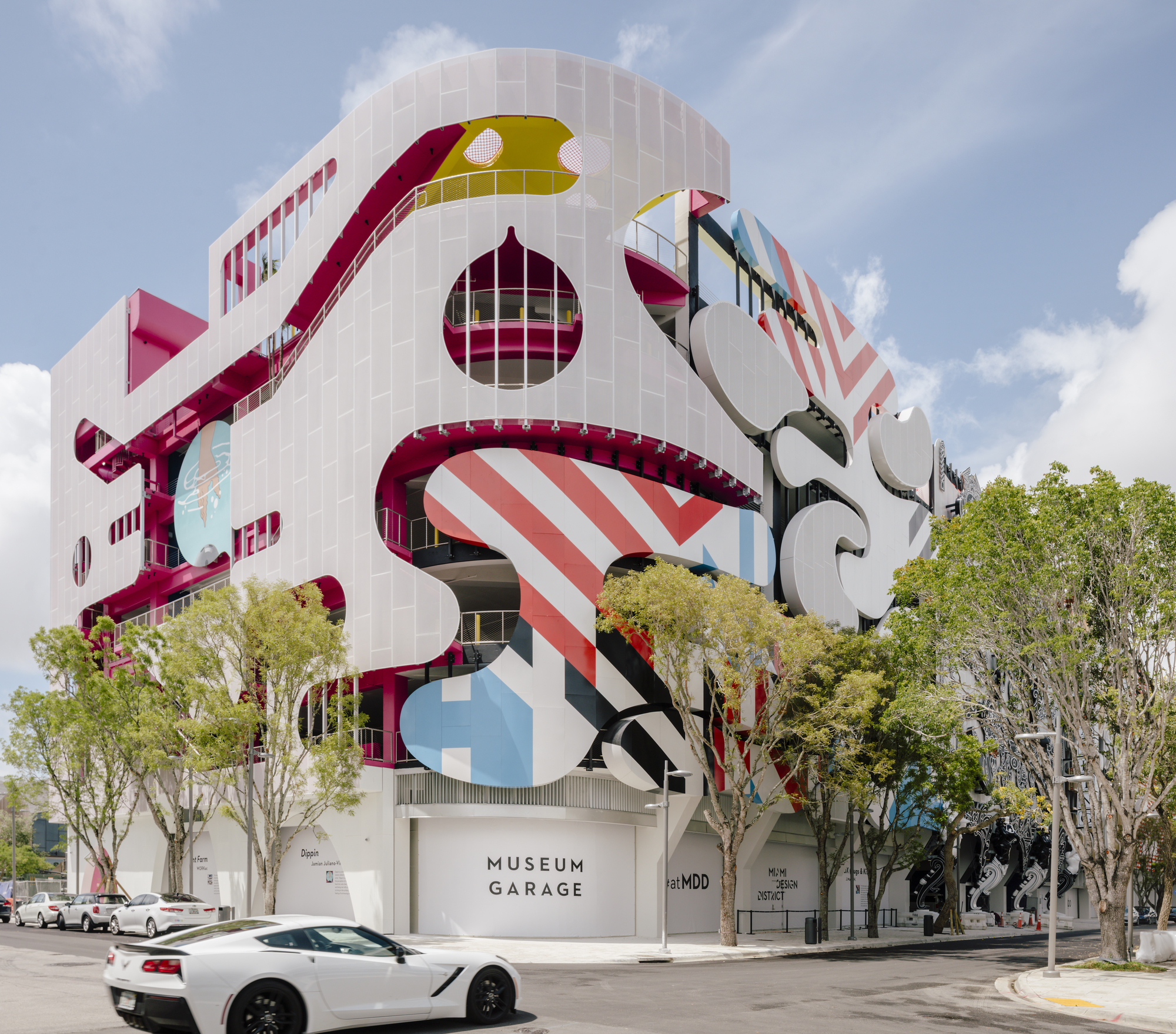
Architects prioritize material innovation in 2025—agricultural waste, recycled plastics, and living materials—balancing tradition, circularity, and material intelligence for resilient, low-carbon construction.
fromFast Company
2 months ago'People need to ask more of their buildings': 6 ideas that will define architecture in 2026
Fast Company asked architects from some of the top firms working around the world what they thought about the look of architecture in 2026. Of course, a building designed in 2026 almost certainly will not be completed in 2026, and construction timelines are notoriously fluid.
Design
fromNature
1 month ago'It means I can sleep at night': how sensors are helping to solve scientists' problems
In fact, Stawicki was on a mission to save the lives of around 1,000 zebrafish ( Danio rerio) in her laboratory. Similarities between lines of hair cells on the fish's flanks and those in the mammalian inner ear enable her to use them as a model to study hearing problems in humans caused by some antibiotics and chemotherapy drugs. A sensor had picked up that the lab's heating system had been knocked out by a power fault.
Science
fromNature
2 months agoSurface optimization governs the local design of physical networks - Nature
The vascular system and the brain are examples of physical networks that differ from the networks typically studied in network science owing to the tangible nature of their nodes and links, which are made of material resources and constrain their layout. The importance of these material factors has been noted in many disciplines: as early as 1899, Ramón y Cajal suggested that we must consider the laws conserving the 'wire' volume to explain neuronal design8
Science
[ Load more ]