#bls-revision
#bls-revision
[ follow ]
#unemployment #unemployment-rate #labor-market #job-growth #job-market #wage-growth #jobs-report #employment







fromFortune
4 days agoA Wall Street vet's Walmart recession indicator just hit its highest point since 2008-and he says the fear 'just keeps multiplying' | Fortune
'Walmart Worries' just keep multiplying. It's currently close to the highest level ever recorded which was during the Great Financial Crisis of 2008-09.
Business
#us-economy

fromFortune
1 day agoUS Elections
The jobs report looks good 'for the wrong reasons,' top economist warns: It's hiding how many Americans are giving up | Fortune
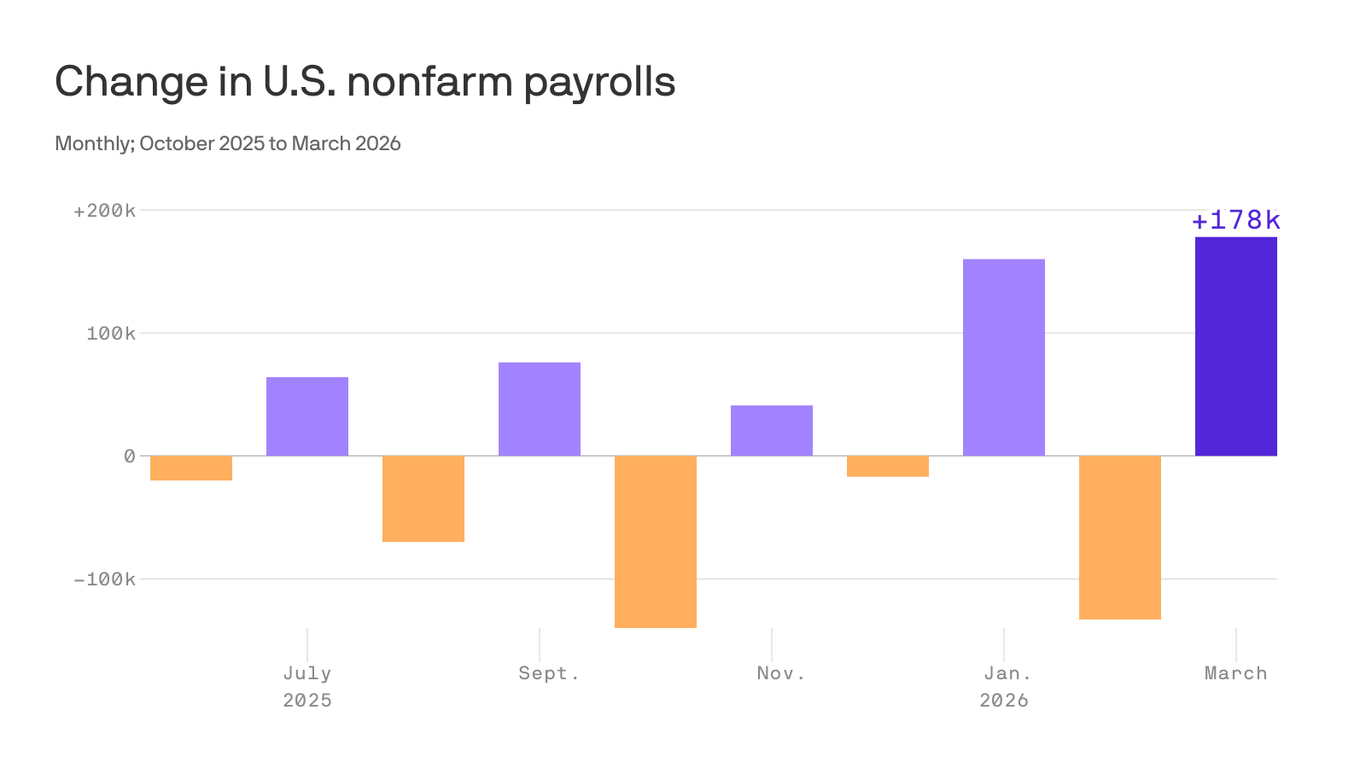
The U.S. economy added 178,000 jobs in March, with the unemployment rate decreasing to 4.3%, but concerns about labor force participation persist.
US politics
fromFortune
13 hours agoThe economy can shed jobs and still keep the labor market balanced, as Trump's immigration crackdown turns breakeven hiring negative | Fortune
The U.S. labor market shows a negative breakeven rate of employment growth due to immigration restrictions, indicating potential job losses without rising unemployment.
US Elections
fromFortune
1 day agoThe jobs report looks good 'for the wrong reasons,' top economist warns: It's hiding how many Americans are giving up | Fortune
The U.S. economy added 178,000 jobs in March, with the unemployment rate decreasing to 4.3%, but concerns about labor force participation persist.
World news
fromLondon Business News | Londonlovesbusiness.com
3 days agoDollar extends pullback amid softer labour signals and easing risks - London Business News | Londonlovesbusiness.com
The dollar weakened due to softening monetary policy expectations and reduced demand as a safe-haven asset amid easing Middle East tensions.


Artificial intelligence
fromFortune
3 days ago'Inflationary surge': Fed economists warn AI hype is overheating the economy whether or not the technology ever delivers | Fortune
AI optimism may hinder productivity and contribute to short-term inflation as households and businesses react to perceived future gains.






US news
fromwww.npr.org
3 weeks ago'Pro-worker AI,' streaming fatalities, and other fascinating new economic studies
MIT economists propose 'pro-worker artificial intelligence' where humans collaborate with AI to enhance existing jobs, create new opportunities, and enable workers to thrive rather than face displacement.
Business
fromwww.housingwire.com
4 weeks agoJob market softens as US payrolls fall by 92K in February
U.S. nonfarm payrolls fell 92,000 in February with unemployment rising to 4.4%, while prior months were revised lower, signaling continued labor market softening unlikely to alter Federal Reserve rate policy.
Careers
fromFortune
3 weeks agoAI layoffs are coming. The problem may be compounded because nearly 75% of people don't apply for unemployment benefits | Fortune
AI-driven job displacement is accelerating, yet nearly 75% of unemployed workers fail to apply for available unemployment insurance benefits due to eligibility misconceptions and other barriers.
fromFortune
4 weeks ago'The job market is struggling in the face of so many headwinds': labor market reels at unexpected 92,000 loss | Fortune
The job market is struggling in the face of so many headwinds. Companies are going to be even more reluctant to hire this spring until the war ends and they can see consumers still spending. It's a tense time for the U.S. economy.
US news
fromAnthropic
3 weeks agoLabor market impacts of AI: A new measure and early evidence
We introduce a new measure of AI displacement risk, observed exposure, that combines theoretical LLM capability and real-world usage data, weighting automated (rather than augmentative) and work-related uses more heavily. AI is far from reaching its theoretical capability: actual coverage remains a fraction of what's feasible.
Artificial intelligence
Business
fromFortune
4 weeks agoThe abysmal February jobs report shatters hopes of a labor market recovery for 2026 and leaves the Fed 'between a rock and a hard place' | Fortune
The U.S. economy lost 92,000 jobs in February, marking the worst monthly decline since October, with unemployment rising to 4.4% and payrolls contracting in two of the last three months.
Business
fromAxios
1 month agoThe labor market is finally stabilizing, data shows
Private sector job growth accelerated in February with 63,000 new jobs, but gains concentrated in education and health services, while wage growth inequality widened significantly between higher-income and lower-income workers.
US Elections
fromwww.aljazeera.com
4 weeks agoUS job market stalls, unemployment rate rises before Fed decision
The US economy lost 92,000 jobs in February with unemployment rising to 4.4%, driven by healthcare sector losses and tariff-exposed industry weakness despite economist forecasts of job gains.
fromwww.housingwire.com
2 months agoModest jobs gains in December signal even cooler labor market
Sectors that showed notable job gains in December include food services and drinking places (+27,000 jobs), health care (+34,000 jobs) and social assistance (+17,000 jobs). On the other end of the spectrum, the retail trade sector lost 25,000 jobs in December. Residential building construction lost 4,200 jobs in December, although employment for residential specialty trade contractors rose by 1,100 jobs. The real estate sector also posted a small increase, adding 2,300 jobs in December.
Real estate






fromFortune
1 month agoLayoffs and unemployment are quite low, actually, says BLS | Fortune
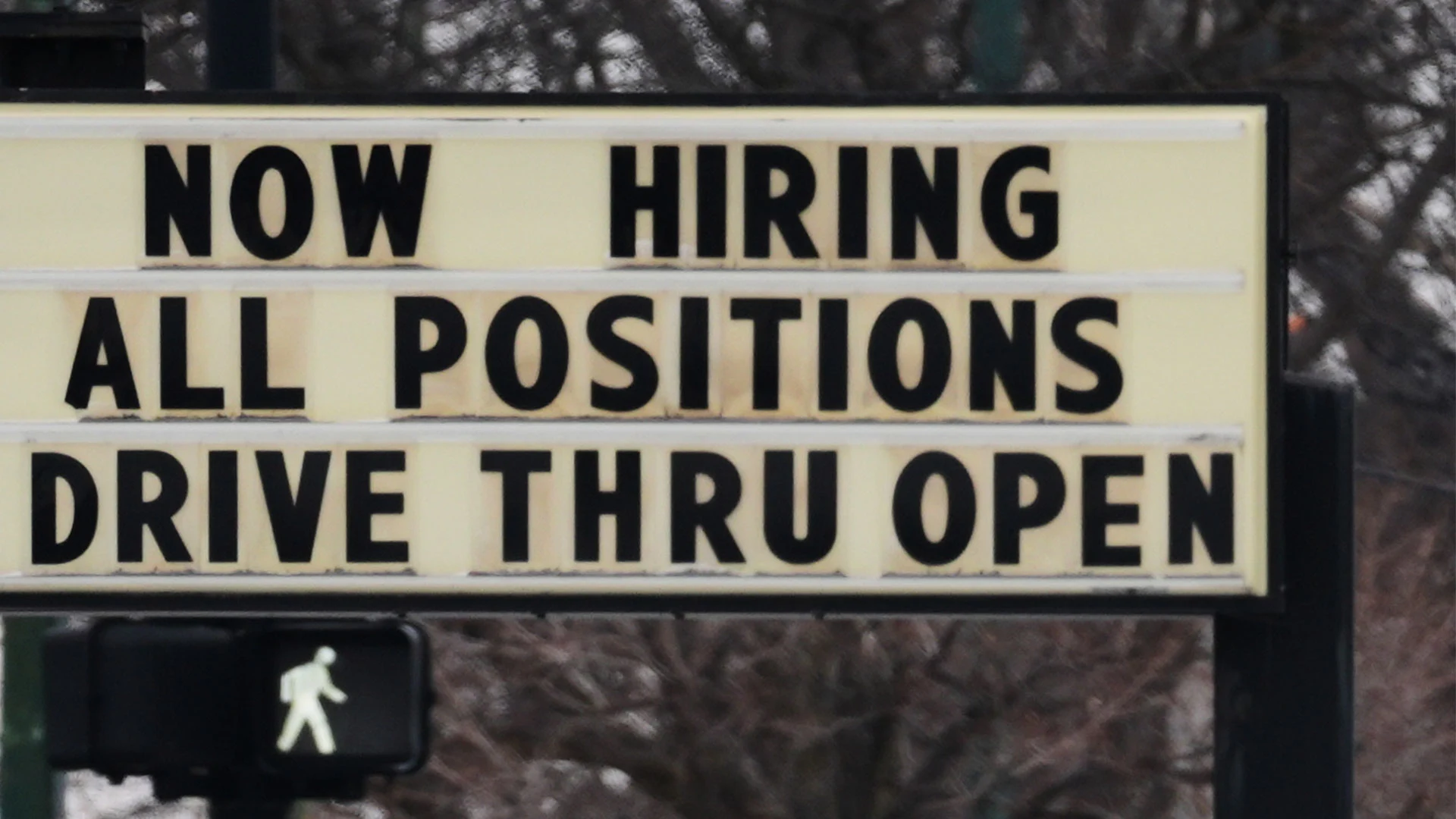
On Wednesday, the government reported that U.S. employers added a surprisingly strong 130,000 jobs in January and the unemployment rate fell to a still-low 4.3% from 4.4%. However, government revisions cut 2024-2025 U.S. payrolls by hundreds of thousands. That reduced the number of jobs created last year to just 181,000, a third of the previously reported 584,000 and the weakest since the pandemic year of 2020.
Business


fromBusiness Insider
2 months agoHere are the winners and losers in the frozen US job market - and what to expect in 2026
Friday's December employment report - the last for 2025 - reinforced the biggest theme in the job market last year: It's a hard time to be looking for work, unless you're looking at a few select corners of the economy. "The job market is ending the year with a fizzle rather than a bang," Daniel Zhao, the chief economist at Glassdoor, said. In total, the US added just 584,000 jobs in 2025, a big drop from the past few years.
US news
[ Load more ]