Books
fromThe Atlantic
1 day agoUnconventional Novels About Conventional People
Aging revolutionaries and conformists share parallel narratives of disillusionment and the loss of youthful dreams in recent literature.
My earliest independent reading memory is The Story of Ferdinand by Leaf and Lawson. I loved that bull! My favourite book growing up Big books gave me the whirlies so it took a while for them to start landing.
Whether it's a slept-on post-punk album from the '80s, a new sci-fi novel, or a cult classic horror movie, we're always finding new obsessions here at The Verge - and we want to share those obsessions with you. Sometimes that might be a new release, but often it's going to be something a little older, something not necessarily plastered all over TikTok or sitting at the top of the charts on Spotify.
Tracking a river through a cedar forest in Ecuador, Robert Macfarlane comes to a 30ft-high waterfall and, below it, a wide pool. It's irresistible: he plunges in. The water under the falls is turbulent, a thousand little fists punching his shoulders. He's exhilarated. No one could mistake this for a dying river, sluggish or polluted. But that thought sparks others: Is this thing I'm in really alive? By whose standards?
Obnoxious jewellery dealer Rodney Manderson has been killed outside the Bowery auction rooms, stabbed through the eye with the Victorian hatpin that his boss, Rose Bowery, has brandished in front of the nation on Bargain Hunt. As she discussed the pin's virtues as a deadly weapon as well as its millinerial uses, the fiercely loyal Rilke decides while feeling grateful to have skipped lunch and trying not to think of jelly to remove it before calling the police.
"Race Against Time: A Reporter Reopens the Unsolved Murder Cases of the Civil Rights Era" quickly became one of my favorite nonfiction books written by a journalist. I appreciated how he showed the grueling, day-to-day work local journalism requires, and how many layers of people fought him in revealing the despicable work of the Ku Klux Klan.
What does it mean to dig into the past, to uncover obscure facts about bygone decades or centuries and bring them to light in 2026? There's a lot of that in this rundown of February books, everything from a clear-eyed look at someone who history has depicted as a monster to investigations into the past situated a little closer to home.
Every season, the Next Big Idea Club editorial team reviews dozens of upcoming books to curate a selection of the most exciting, must-read nonfiction titles. We start with a broad pool of nominees from which we identify a small handful of finalists and, ultimately, an official season selection. Today, it's our pleasure to share our list of five finalists for Season 29! Without further ado, the new books we're most excited about right now are . . .
If you're hunkering down ahead of the big winter storm this weekend, we want to make sure you're well prepared. Yes, with batteries, flashlights, toilet paper, and food but perhaps most importantly with good reading material. We looked back through some recent interviews and Books We Love, our annual year-end reading guide, to find snowy suggestions to get you through the storm.
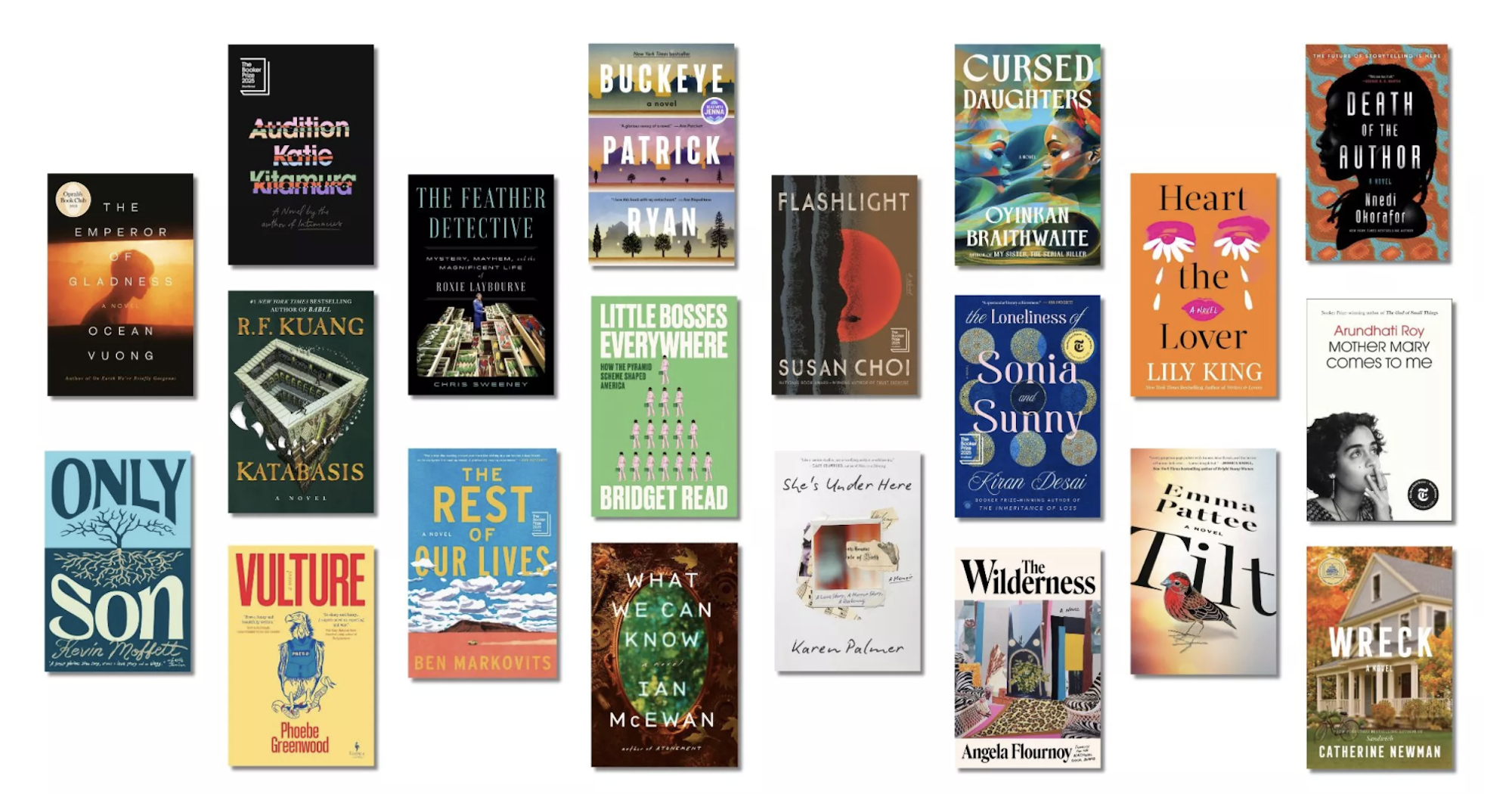
I guess I could explain the plot to you: An actress meets up with a man who is convinced she's his mother. It turns out she's not. I think? Maybe she is? Or, maybe she's not but actually kind of is? What is a mother? The most impressive thing about this Booker Prize finalist is how Katie Kitamura plays with the narrative and toys with the reader without being overly clever about it all. She's stingy with details and answers, but generous with intrigue and depth.
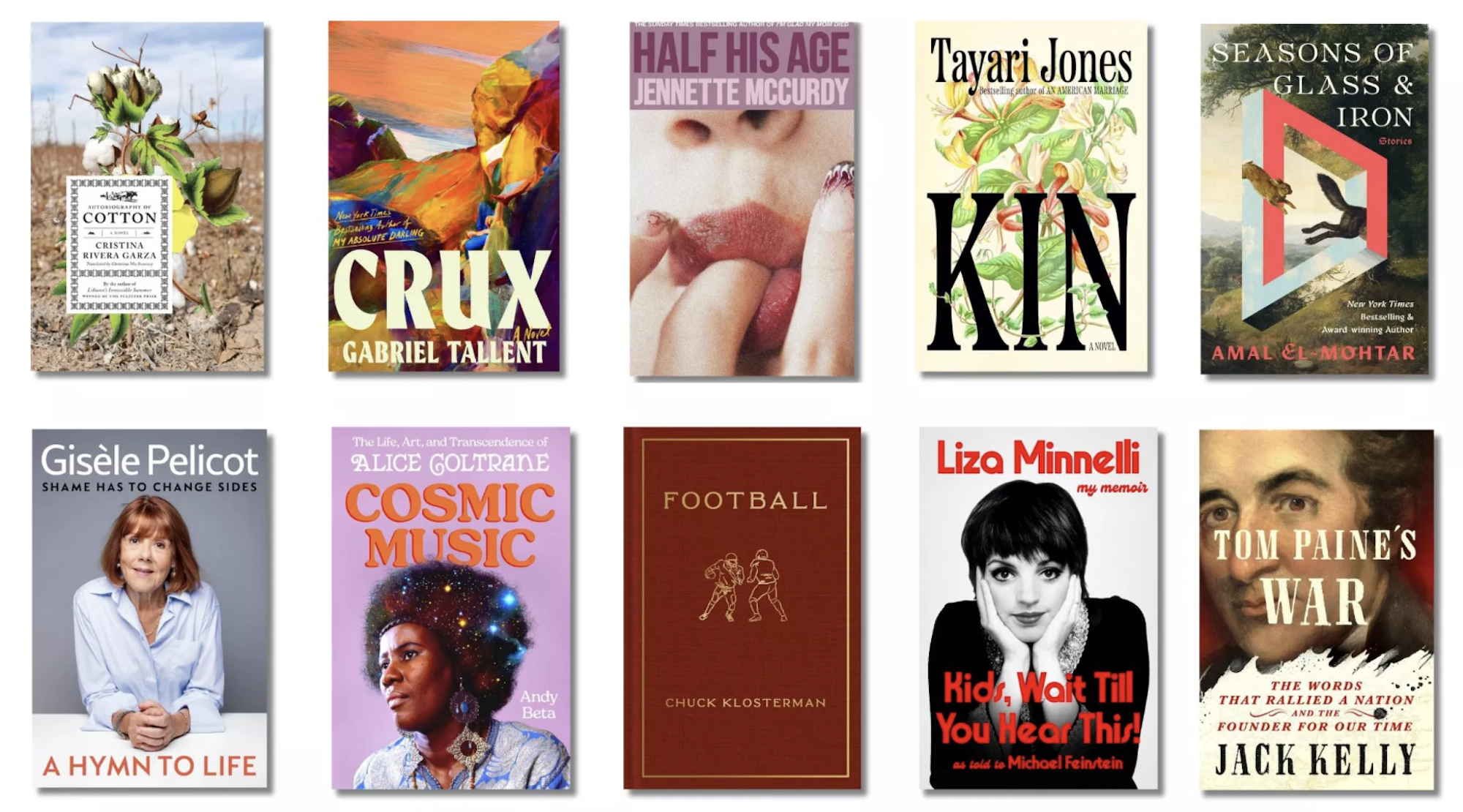
Two fiction books about good friends coming from different circumstances. Two biographies of people whose influence on American culture is, arguably, still underrated. One Liza Minnelli memoir. These are just a handful of books coming out in the first few months of 2026 that we've got our eye on. Fiction 'Autobiography of Cotton' by Cristina Rivera Garza, Feb. 3 Garza, who won a Pulitzer in 2024 for memoir/autobiography, actually first published Autobiography of Cotton back in 2020, but it's only now getting an English translation.
We meet him as a Gumby-like figure, asleep on a dirt floor, with only a jug of water and a toy horse. He has no idea how he got there. When he's around seventeen years old, Kaspar meets his captor, rendered in the book as a shadowy, hatch-marked father: "The Man in Black." The man teaches him to write his name; he teaches him to take a few fumbling goose steps outside.
Subsequently, runaway children turned the valley into a fortress, surviving on food they could catch or grow, with occasional forays into the towns below. Riley has heard the rumours, but it is only when she sees a green-clad boy or is it a girl? hovering outside her bedroom window offering directions on how to find Nowhere that she realises this might be her chance to escape and save her little brother from their sadistic guardian.
In a packed room in Sydney, an excited crowd riffles through stacks of stickers and bookmarks searching for their favourite characters. Another group flicks through racks of clothing, pulling out T-shirts that say romance readers club and probably reading about fairies. A poster on the wall, with tear-off tabs, invites visitors to take what they need: a love triangle, a love confession mid-dragon battle, a morally grey man or a cowboy. Half of the tabs have already been taken.
'Girl on Girl: How Pop Culture Turned a Generation of Women Against Themselves' by Sophie Gilbert Girls navigating the path to womanhood in the early aughts faced an onslaught of media telling them who and how to be. Contradictory depictions of young women were everywhere across pop culture: purity culture clashed with Girls Gone Wild, reality TV made beauty and love commodities, models went from "super" women to teenage waifs.