#booster-insurance
#booster-insurance
[ follow ]
#healthcare-costs #health-insurance #healthcare-affordability #affordable-care-act #medicare #medical-debt
fromwww.npr.org
6 days agoHow to navigate the maze of drug discounts to get the best price
Many of the medicines on TrumpRx include brand-name drugs that patients can find cheaper elsewhere as generics. For instance, Protonix for heartburn is available for $200 on TrumpRx, but the generic version, pantoprazole, costs less than $30 with a GoodRx coupon.
US news


Retirement
from24/7 Wall St.
2 weeks agoThe $2,000 Drug Cap Is Saving Medicare Retirees Over $1,500 a Year Right Now
Medicare premiums in 2026 are based on 2024 income, creating unexpected surcharges for those with one-time income spikes, while Part B premiums exceed $200 monthly and a new rule allows tax-free distributions for long-term care insurance.

Healthcare
fromLondon Business News | Londonlovesbusiness.com
1 week agoBupa to offer preventative care to customers before illness strikes - London Business News | Londonlovesbusiness.com
Bupa introduces 'Prevention Pathways' for proactive healthcare, targeting serious conditions before symptoms arise, benefiting over 200,000 customers by 2027.
fromTravel + Leisure
3 weeks agoYou Can Use Your Costco Membership to Get a Travel Vaccine-and It Saved Me More Than $100
On Costco.com, you can pay $40 for a travel service consultation through a company called SafeGard. The process was fairly simple. I paid my fee, and later that day, I received an email with my log-in information for the website. I filled out an online form, detailing my travel plans and vaccine history, and in less than 24 hours, I was sent a personalized PDF suggesting a host of immunizations and medications.
Travel
Public health
fromLGBTQ Nation
1 month ago17 states consider cutting assistance for HIV meds as prices increase - LGBTQ Nation
Seventeen states and D.C. have cut AIDS Drug Assistance Program costs while federal funding stagnates, threatening medication access for low-income HIV patients and risking public health crises.
fromBusiness Matters
1 month agoWhy Expense Policies Fail: A Deep Dive Into Workplace Psychology
Most company policies are written for a hypothetical, 'best-case' employee: rational, attentive, well-rested, and operating in a low-pressure environment. They assume employees will read the rules carefully, remember them, and apply them consistently at the point of purchase. As appealing as this assumption may be, it bears little resemblance to how real workplaces operate.
Business
Healthcare
fromMedCity News
3 weeks agoIt Took Years for Congress to Enact PBM Transparency, Delinking. What About Vertical Integration? - MedCity News
Congress passed initial PBM reforms in February 2026, but advocates seek stronger action against vertical integration between PBMs, insurers, and pharmacies through proposed legislation like the Break Up Big Medicine bill.



Healthcare
from24/7 Wall St.
1 month agoWhy Many Retirees Are Underestimating Healthcare Usage, Not Just Costs
Retirees underestimate healthcare costs by focusing on total spending figures rather than accelerating usage patterns driven by chronic conditions and age-related increases in doctor visits and hospitalizations.
fromEntrepreneur
1 month agoHow to Keep Your Health Plan Costs Manageable - Without Shortchanging Your Team
If you run a business, there's a familiar email you probably opened this fall: the one from your benefits broker with your 2026 health insurance renewal. You scroll. You see a double-digit increase, and your stomach drops. You want to do right by your team. You also have a P&L to protect. And the three standard options you're handed - pay the increase, raise deductibles or push more cost onto employees - all feel bad in different ways.
Business
Real estate
fromwww.housingwire.com
1 month agoRealtor associations add health insurance benefits for members
ORRA and ABoR offer members subscription-based, unlimited access to comprehensive national healthcare teams, reducing unpredictable costs for independent real estate agents and supporting wellbeing.


fromBusiness Insider
2 months agoYour boss is about to pull back your gym benefits
Workplace wellness programs have exploded over the past decade or so, with companies rolling out a suite of subsidized perks, such as gym discounts, mental health apps, and other benefits aimed at attracting and retaining workers. The pandemic upped the ante even more - in the face of a tight labor market and a hyper-stressed workforce, plenty of business leaders looked around and thought, "Well, a Zoom meditation session can't hurt, right?"
Wellness
Fundraising
fromAlleywatch
2 months agoBenepass Raises $40M to Help Employers Control Surging Healthcare Costs Through Consolidated Benefits Platform
Benepass unifies employer spending accounts onto a single Visa-based card, reducing benefits fragmentation and enabling targeted management of rising healthcare and GLP-1 drug costs.
fromAol
1 month ago7 Insurance Moves That Won't Leave You High and Dry, According to Brokers
Insurance is often one of those bills people think about only when premiums rise or a loss makes it necessary to review. Not updating a policy can cost you vastly more money than just paying a slightly higher premium, be that car insurance, home insurance or life insurance, to name a few. Rather than waiting to find out what coverage you have, brokers and other insurance experts offered some moves you should make as soon as possible.
Health
Healthcare
fromBusiness Insider
1 month agoWaiting for Medicare and skipping prescriptions: Meet the Americans on the brink of losing health insurance
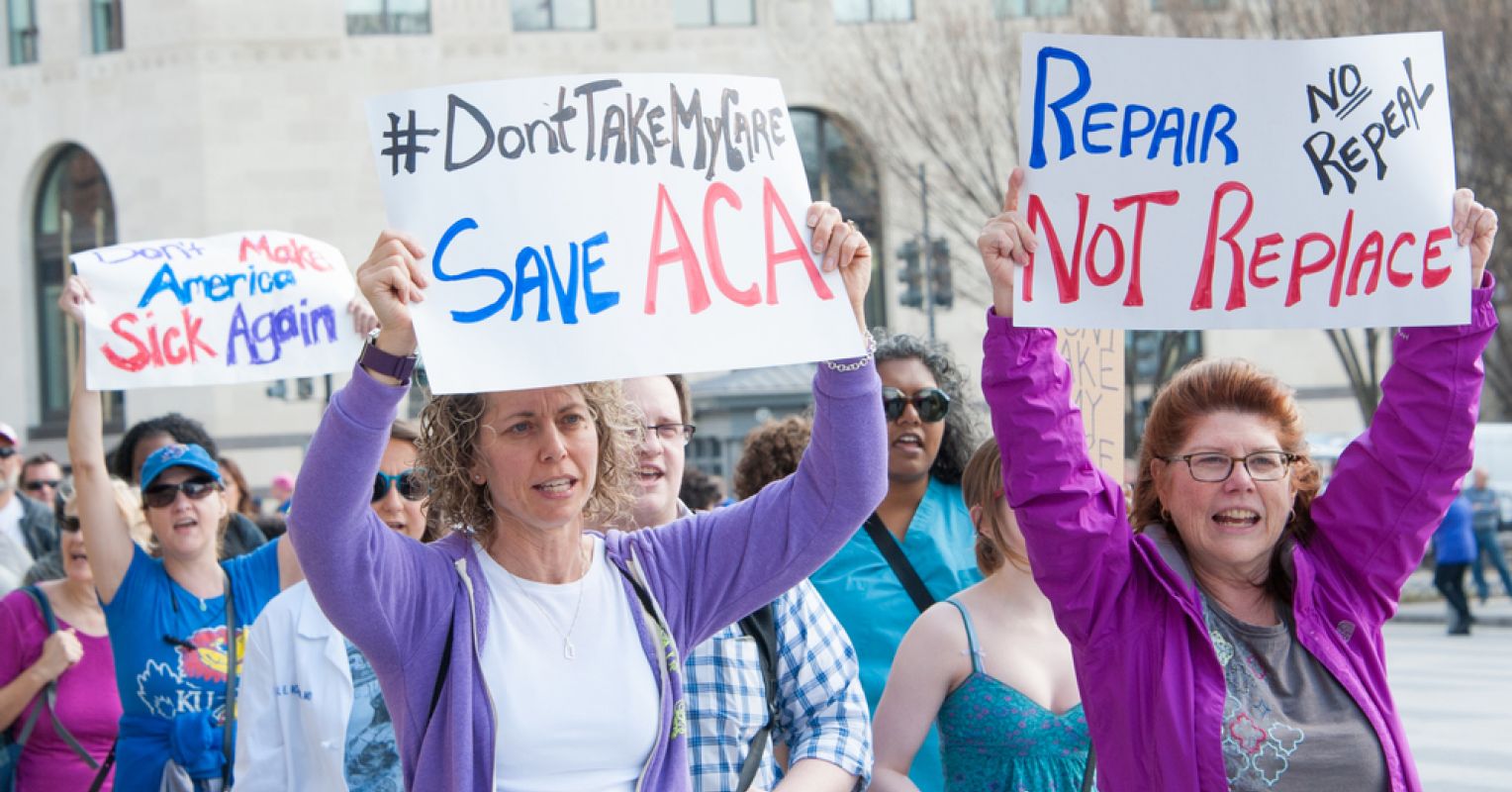
Expiration of enhanced ACA subsidies on December 31 caused monthly premiums to spike hundreds of dollars, forcing over 1 million Americans to cancel marketplace plans between early 2025 and 2026.
fromArs Technica
2 months agoHaving that high-deductible health plan might kill you, literally
The issue is particularly critical right now for people who have insurance plans through the Affordable Care Act marketplace. Prices for those plans have skyrocketed this year after Congress failed to extend critical tax credits. Without those credits, monthly premiums for ACA plans have, on average, more than doubled. Early data on ACA enrollments for 2026 not only suggests that fewer people are signing up for the plans, but also that those who are enrolling are often choosing bronze plans, which are high-deductible plans.
Public health
Mental health
fromBusiness Matters
1 month agoWhat Capitol City Residential Health Care Learned from Preventable Crises
Prevention-first, operations-focused residential care stabilizes high-acuity individuals by detecting missed signals, using consistent staffing, frequent plan reviews, and measured, person-centred adjustments.
Public health
fromwww.npr.org
2 months agoAre you on a high-deductible health plan? What do you wish you knew?
Rising marketplace premiums pushed many consumers into high-deductible bronze or catastrophic plans that qualify for health savings accounts, creating navigation challenges and HSA uncertainties.
Healthcare
fromBusiness Insider
1 month agoShe works in healthcare and pays $787 a month for insurance. She still can't afford her daughter's care.
Over 100 million Americans carry medical debt that impairs their ability to afford basic necessities and damages their credit scores, with Black Americans and rural residents facing disproportionate risk.
fromClassic Yoga
7 months agoThe New Rule For Health Insurance Coverage - Classic Yoga
Health insurance plays a vital role in safeguarding Indians from mounting healthcare costs. With medical inflation rising and hospital bills becoming unaffordable, having robust individual health insurance is no longer an option but a necessity. Recognising this, the Indian insurance regulator made a crucial change in April 2024. Now, health insurance and individual health insurance plans must cover hospitalisation cases where the patient is admitted for as little as two hours.
Yoga


Public health
fromkffhealthnews.org
2 months agoMedical bills can be vexing and perplexing. Here's important advice for patients
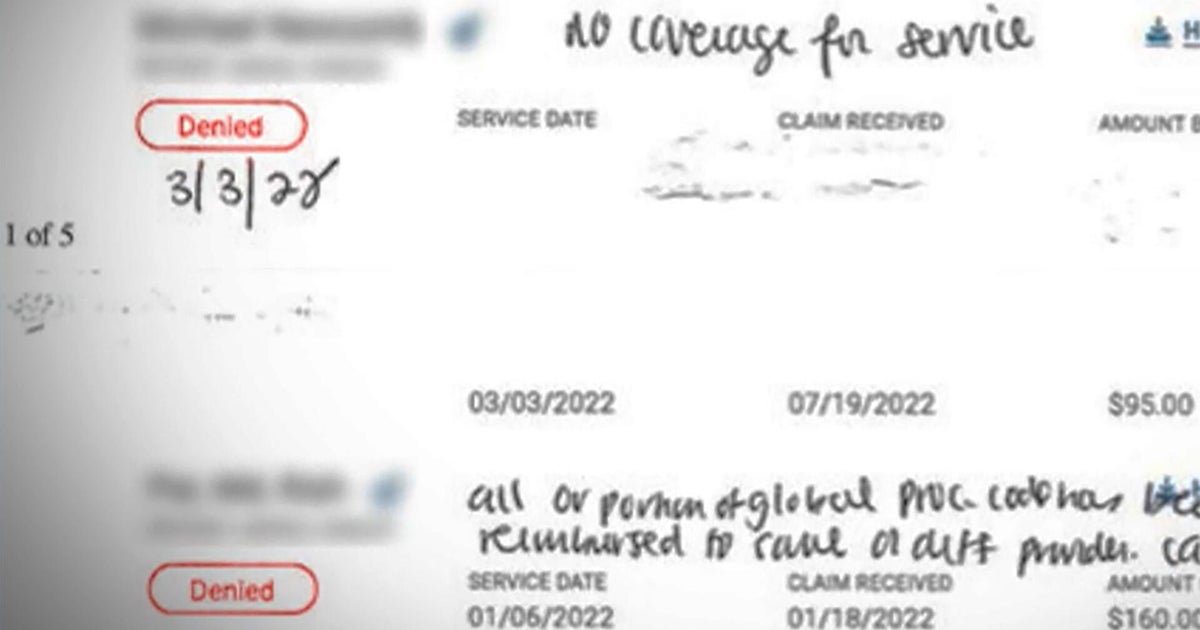
High and confusing medical bills affect insured and uninsured due to coverage gaps, unexpected plan restrictions, billing practices, and complex retroactive policies like COBRA.
fromMedCity News
1 month agoWhy HHS Scrapping Its 340B Rebate Program Is a Win For Providers - MedCity News
The 340B program allows hospitals to buy outpatient drugs at steep discounts, with the purported purpose of helping them fund care for low-income and uninsured patients. The now-axed rebate model would have invited drugmakers to participate voluntarily in a rebate-based discount system. Basically, instead of the provider receiving a discount upfront at purchase, the 340B discount would be applied after purchase via rebate - and subject to tedious data submission requirements.
Public health
fromLondon Business News | Londonlovesbusiness.com
2 months agoIs Bupa private health insurance right for seniors? Full review - London Business News | Londonlovesbusiness.com
Selecting private health insurance becomes very essential as you reach your 60s and later. Many seniors are considering private coverage to guarantee quicker access to specialists, diagnostics, and treatments as NHS waiting lists reach 7.4 million patients and treatment delays extend for months. Bupa is a household name among the major insurers in the UK. This thorough review looks at whether Bupa really provides
Public health
Public health
fromTravel + Leisure
2 months agoThese 5 Countries Offer the Best Health Care for Expats in 2026-and They're Surprisingly Affordable
France offers expats high-quality, accessible, and affordable health care with English-speaking doctors and much lower out-of-pocket costs than U.S. options.
fromBusiness Insider
1 month agoA single mom's ACA premium jumped from $3 to $164. Now she's skipping her medications.
Her monthly health insurance premium jumped from $3 to $164 a month in January, a cost too high for the single mom's tight budget. Her job as a dishwasher at Chili's barely covers rent, groceries, and other essentials. Like many Americans, Richards relies on the Affordable Care Act marketplace because her job doesn't offer health insurance.
Healthcare
fromFortune
2 months agoJohn Hancock CEO: We all have a role in driving better health outcomes for Americans | Fortune
While life expectancy is growing, the average American can expect to spend nearly 12 years in poor health, and lifestyle diseases including heart disease, cancer, stroke and diabetes are now leading causes of death, driving unprecedented expense and tremendous strain on individuals and their families. In 2024, 90% of the nation's $4.9 trillion in annual healthcare spending was attributable to chronic and mental health conditions, and projections suggest that by 2030, more than 80 million Americans will live with three or more chronic diseases.
Public health
Public health
fromBusiness Insider
1 month agoI was diagnosed with breast cancer 5 months ago. My first concern was how expensive treatment would be.
High cancer costs, lost income, and extra treatment-related expenses make community financial support and fundraising essential lifelines for patients and families.
fromMedCity News
1 month agoEmployers Celebrated PBM Reform. The Reality Is More Complicated - MedCity News
For years, Congress has signaled that it wants to crack down on Pharmacy Benefit Managers, the middle men that have come under fire for their vertical integration with insurers and their role in spiking drug costs. This week, it finally happened via the Consolidated Appropriations Act of 2026, promptingemployer groups including the Purchaser Business Group on Health (PBGH) and the ERISA Industry Committee to cheer its passage.
Healthcare
fromJezebel
2 months agoYou've Never Been More Likely to Get Cancer, Survive Cancer, or Be Bankrupted by Cancer
We're living in a curious moment for the status of cancer diagnosis and treatment, within the United States. The overall rate of prevalence for diseases that fall under the wide, wide title of "cancers" is increasing. At the same time, steady improvement to the standard of care and treatment, and newer breakthroughs in therapeutics, have raised survival rates higher than they've ever been before. But for all too many patients, the question is whether they'll be able to afford those
Public health
fromBusiness Insider
2 months agoWe want to hear your story about healthcare access
In 2026, the US healthcare system is changing. Enhanced Affordable Care Act subsidies have expired, causing premiums for marketplace plans to spike - and pricing some families out of health insurance entirely. President Donald Trump's One Big Beautiful Bill Act will reduce coverage for some patients with Medicaid and funding for hospitals, especially those in rural areas. Costs for Medicare and private insurance are also rising: Employer-based healthcare premiums have increased by 9%, the largest rise in more than a decade.
Healthcare
[ Load more ]