Cancer
fromwww.nytimes.com
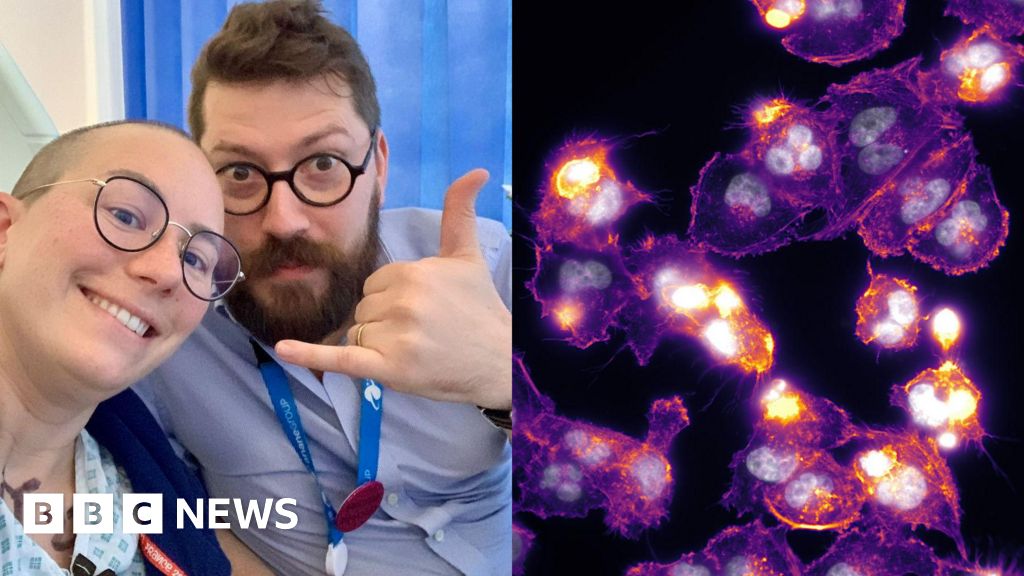
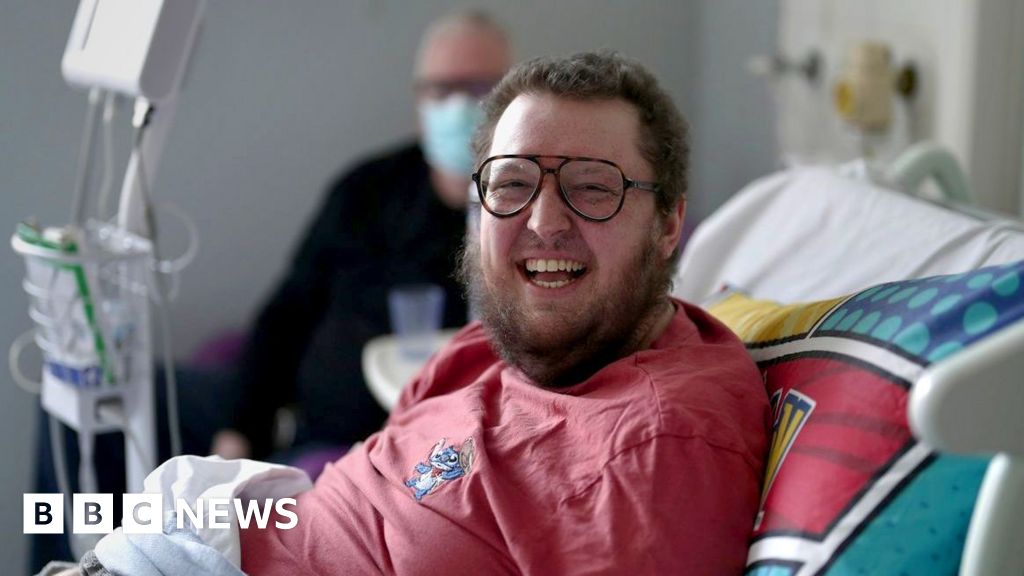
1 day agoWhat Is It Like to Get Cancer When You're Young?
Cancer is increasingly affecting individuals under 50, impacting their lives and relationships significantly.
Incyte tops this list due to its rare combination of commercial scale, cash generation, and pipeline depth. The company posted FY2025 revenue of $5.14 billion, up 21.2% YoY, anchored by Jakafi generating $828.2 million in Q4 2025 alone (+7% YoY) and Opzelura delivering $207.3 million (+28% YoY). With $3.58 billion in cash and 14 pivotal clinical trials underway, Incyte offers an acquirer immediate revenue, margin expansion potential, and a deep oncology pipeline spanning KRASG12D, CDK2 inhibition, and mutCALR.
The funds raised through Visionaries of the Year are used for research to advance lifesaving therapies like immunotherapy, genomics and personalized medicine, which are saving lives today.
When Lorraine Kelly Donnelly felt a cramp in her left hand at the start of 2025, she didn't think anything of it. But when a week later the pain was still there, she made an appointment to see her GP.
When mitochondria are exposed to tissue or blood, they lose the electrical gradient across their outer membrane. Mitochondria that lack such a gradient are recognized by a cell's internal machinery as damaged and quickly destroyed. The vast majority of previous studies involved injecting 'naked' mitochondria directly into the bloodstream or tissue sites, but the approach isn't very efficient, so researchers often have to use 'ridiculous' doses of mitochondria.
Some 1 million patients in the U.S. live with a type of heart disease called heart failure with preserved ejection fraction, or HFpEF, caused by a stiffening of a chamber of the heart that makes it much more challenging to distribute blood throughout the body. The condition has few approved therapies and high mortality rates.
The revamped outpatient space folds in more infusion stations, extra exam rooms and added specialty clinics, which officials and neighborhood advocates hope will shrink travel times and long waits for patients across southern Brooklyn. The center now stretches South Brooklyn Health's outpatient cancer footprint with additional infusion bays, more exam rooms and extra clinical staff.
A report last year found unnecessary surgeries were carried out, cancers were missed and poor standards of care were delivered at the University Hospital of North Durham and Darlington Memorial Hospital. CDDTF said it wanted to support the patients it had let down, including by offering access to psychological support, and to ensure they knew how to make a claim or raise concerns with police.
For years, scientists have viewed cancer as a localized glitch in which cells refuse to stop dividing. But a new study suggests that, in certain organs, tumors actively communicate with the brain to trick it into protecting them. Scientists have long known that nerves grow into some tumors and that tumors containing lots of nerves usually lead to a worse prognosis.
We're living in a curious moment for the status of cancer diagnosis and treatment, within the United States. The overall rate of prevalence for diseases that fall under the wide, wide title of "cancers" is increasing. At the same time, steady improvement to the standard of care and treatment, and newer breakthroughs in therapeutics, have raised survival rates higher than they've ever been before. But for all too many patients, the question is whether they'll be able to afford those
The surgery was long and grueling - almost 12 hours - and my recovery was tough. I couldn't lift my baby for weeks. My husband served as a caregiver for both me and our son, while my mom and sisters rotated shifts to help. I hated feeling like a visitor in my own life, but slowly my strength began to return. It took me about a year to fully recover and start to feel like myself again.
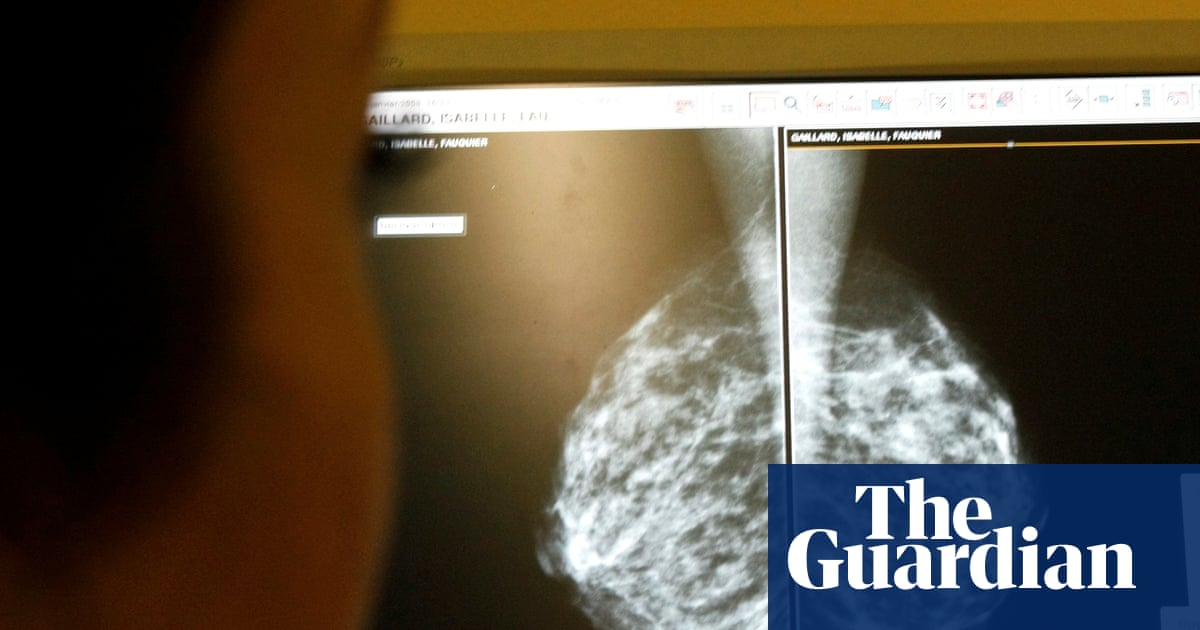
When Lisa Dutton was declared free of breast cancer in 2017, she took a moment to celebrate with family and friends, even though she knew her cancer journey might not be over. As many as one-third of people whose breast tumours are cleared see the disease come back, sometimes decades later. Many other cancers are known to recur in the years following an initial treatment, some at much higher rates.
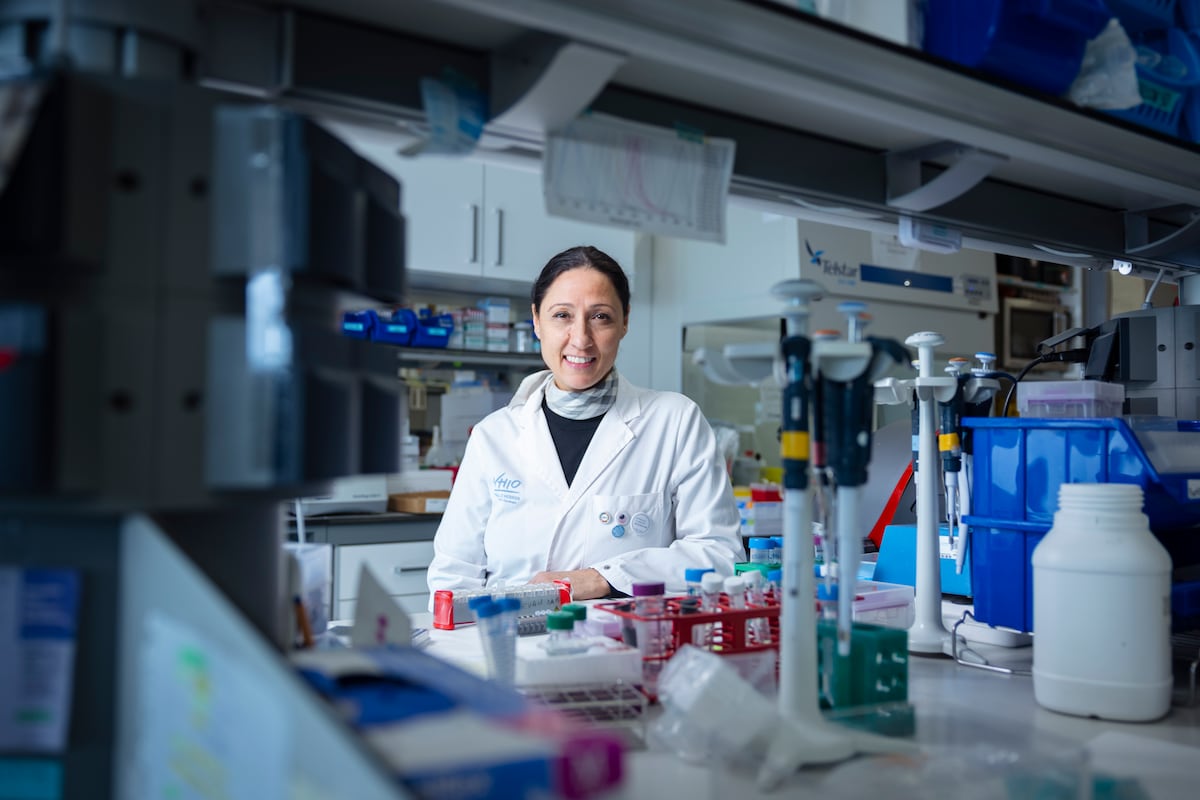
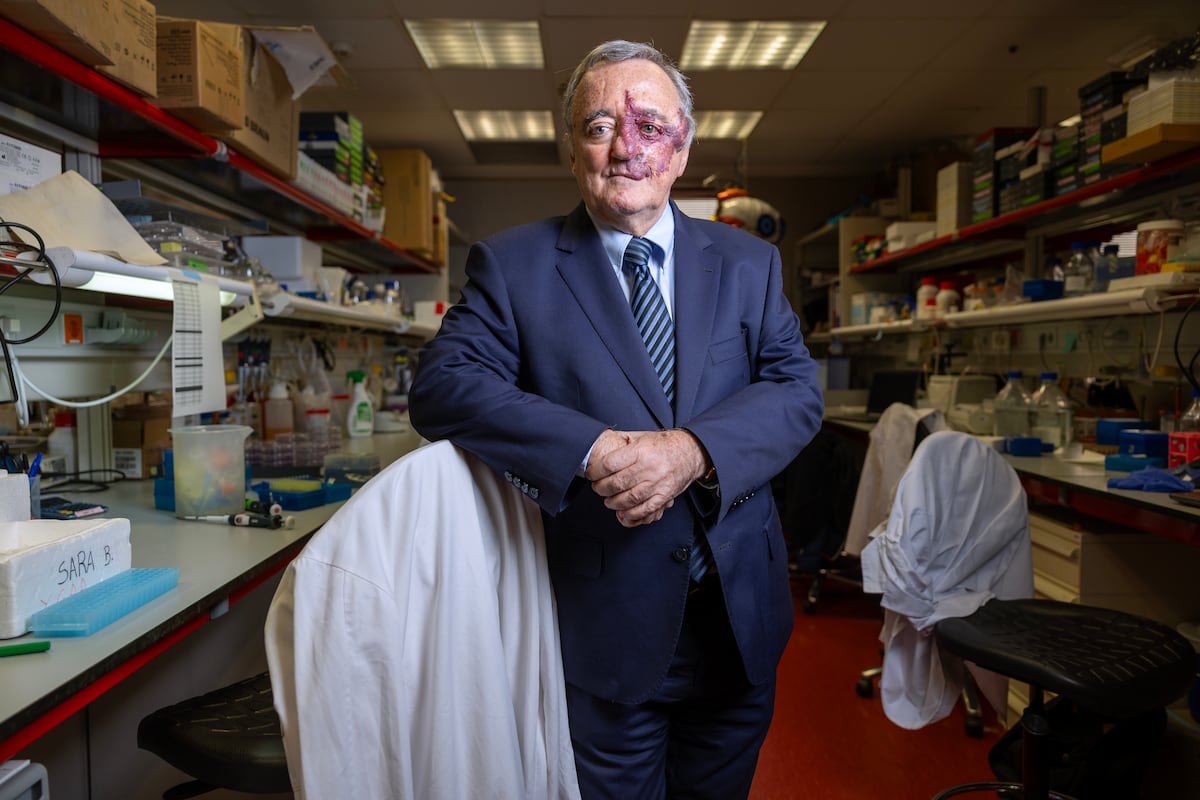
Eduardo Vilar-Sanchez has spent more than 10 years pursuing a goal that seemed very distant, but which he now sees as a little closer: to develop a preventive vaccine against cancer. The physician and researcher is leading a study that presented the first promising results of a colon cancer vaccine in a small group of patients suffering from a rare disease that makes them 17 times more likely to develop colon cancer than the general population.
Mucopolysaccharidosis type II (MPS II), or Hunter syndrome, is a rare genetic disorder primarily affecting boys, caused by a deficiency in the enzyme needed to break down sugar molecules. This harmful buildup in cells and tissues impacts multiple body systems, causing frequent infections, organ enlargement and developmental disabilities. Management involves supportive care and enzyme replacement therapy, as there is currently no cure,
CITYWIDE - NYU LANGONE HEALTH HAS APPOINTED DR. ANIRBAN MAITRA, a leader in gastrointestinal oncology, as the new director of its Laura and Isaac Perlmutter Cancer Center, an NCI-designated Comprehensive Cancer Center. Dr. Maitra is a preeminent physician-scientist whose work has widely influenced the field of pancreatic cancer research. As the inaugural scientific director of the Pancreatic Cancer Research Center at the University of Texas MD Anderson Cancer Center in Houston, Dr. Maitra focused his work on early detection and biomarker development, considered two key avenues for effective cancer treatments.
But these studies typically require large numbers of patients, huge amounts of data, and thorough follow-ups, none of which comes easy or free. The upshot is fewer investigations into scenarios that are clinically important but unlikely to yield a profit for the firms funding them. Accordingly, researchers have been developing an option that uses real-world data from insurers to save patients from falling through the cracks.
As for side effects, the companies reported that little had changed from previous analyses; adverse events were similar between the two groups. The top side effects linked to the vaccine were fatigue, injection site pain, and chills. The results "highlight the potential of a prolonged benefit" of the vaccine combined with Keytruda in patients with high-risk melanoma," Kyle Holen, a senior vice president at Moderna, said. They also "illustrate mRNA's potential in cancer care," he said, noting that the company has eight more Phase 2 and Phase 3 trials going for mRNA vaccines against a variety of other cancers, including lung, bladder, and kidney cancers.