#broiler-pan
#broiler-pan
[ follow ]
#kitchen-appliances #cookware #kitchen-tools #cooking-tips #kitchen-organization #kitchen-gadgets #food-safety
fromTasting Table
6 days agoCan You Put A Pizza Stone On The Grill? It Depends - Tasting Table
Most pizza stones are made with a high-grade cordierite material, which allows them to tolerate the heat of your grill or outdoor pizza oven, which was one of the best investments I ever made.
Everyday cooking
fromBon Appetit
1 week ago10 Chefs Share the Pans They Use Most in Their Restaurants
When churning out cover after cover at the saute station you can't exactly be picky about what's on the shelf above the stove. But that doesn't mean professional chefs don't have opinions about the pans they use every day during service.
Cooking


fromTasting Table
2 weeks agoCan You Use Aluminum Foil In The Broiler? - Tasting Table
The average oven broiler generally reaches 500 to 550 degrees Fahrenheit. As well as being an incredibly tough material and, despite its malleability, aluminum foil is well within its range to handle the high heat of a broiler. At 1,220 degrees Fahrenheit, it has a melting point over double the average temperature your broiler can reach.
Cooking
fromTasting Table
3 weeks agoWhen Oven-Cooking Bacon, Skip This Tip That Just Results In Extra Cleanup - Tasting Table
If you look for recipes for cooking bacon in the oven, many recommend lining a baking sheet with foil and placing the cooling rack on top. Then, bacon is arranged on the rack. The idea here is that the fat will drip from the bacon onto the baking sheet and you'll get a crispier, less greasy end product. What you also get is a bigger mess to clean up.
Cooking
Cooking
fromTasting Table
3 weeks agoAldi's Returning Cast Iron Cookware Has A Luxurious Look For A Fraction Of The Cost - Tasting Table
Aldi offers affordable pastel-colored enameled cast iron cookware from March 11-17, including a 4-quart braiser for $19.99 and 7-quart Dutch oven for $39.99, saving hundreds compared to Le Creuset alternatives.
Everyday cooking
fromTasting Table
4 weeks agoIf Your Plates Look Like This, It's Time To Toss Them Out, According To Chefs - Tasting Table
Chipped or cracked dinnerware poses health and safety risks by harboring bacteria, causing physical injuries, and potentially leaching harmful substances like lead into food.
Everyday cooking
fromTasting Table
1 month agoSkip The Microwave And Reheat Leftovers This Way For Even Heating - Tasting Table
Convection ovens reheat leftovers more effectively than microwaves by circulating hot air for even heating and crispy exteriors, and air fryers function as accessible convection ovens for home kitchens.
Cooking
fromTasting Table
1 month agoRIP To These Cooking And Baking Products That Vanished From Store Shelves - Tasting Table
Popular cooking and baking ingredients are being discontinued without official announcements, leaving consumers searching for alternatives or mourning the loss of beloved products.

fromTasting Table
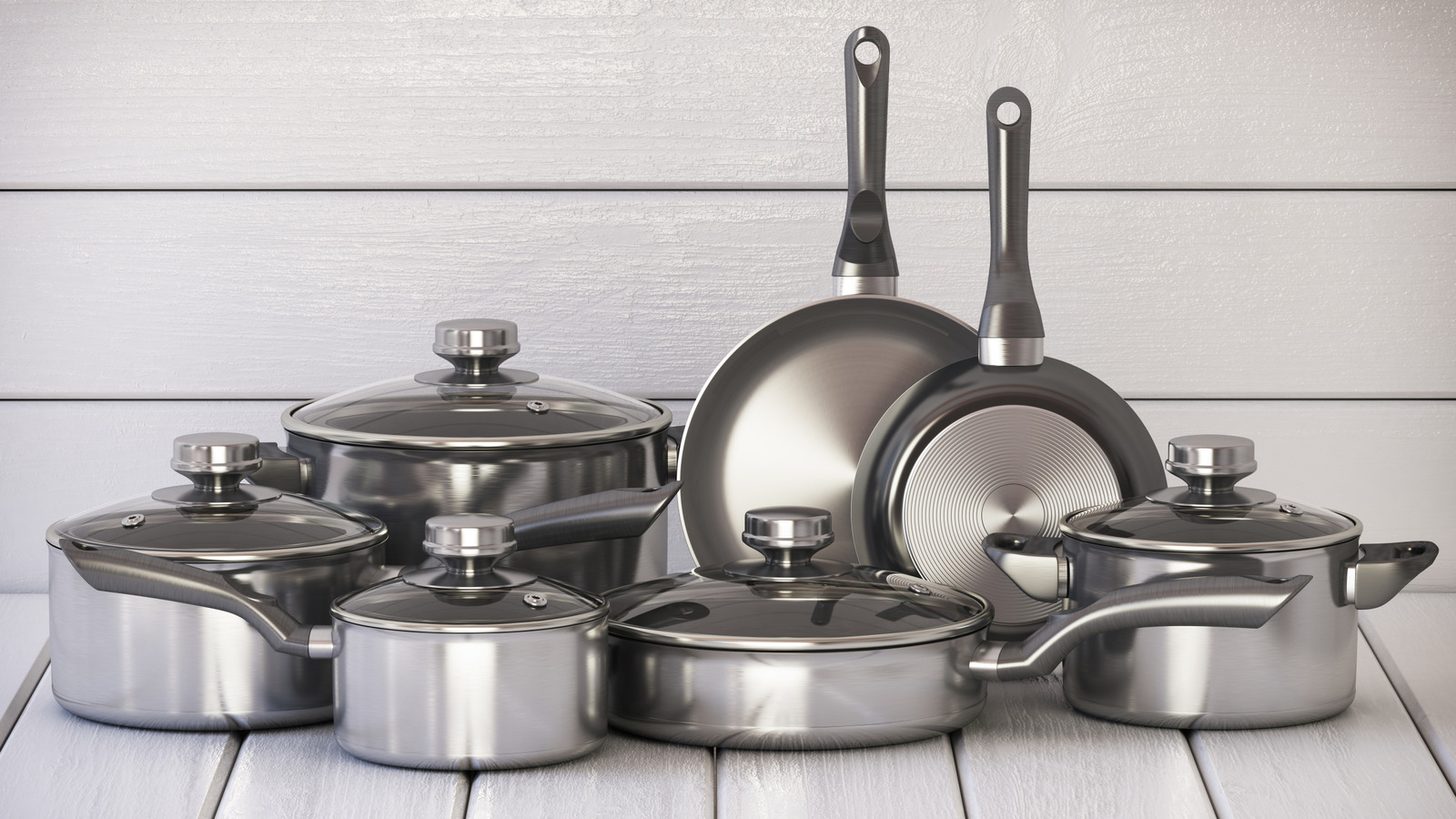
1 month agoThe 10 Mistakes Everybody Makes When Cooking With Stainless Steel - Tasting Table
others are more likely to damage your pan and may even shorten its lifespan. It turns out that some of the main complaints you have about cooking with stainless steel might be because of user error, even if you're a seasoned cook. In fact, once you correct what you've been doing wrong with your stainless steel cookware, you might use them just as often or more than your non-stick pans, especially if you're worried about non-stick forever chemicals.
Everyday cooking


fromTasting Table
2 months agoThe Major Downside Of Using A Stainless Steel Cutting Board - Tasting Table
Don't get us wrong, stainless steel cutting boards have their merits. On a maintenance note, they're easy to keep clean, and don't hold onto stains as fiercely as plastic boards. They also don't require regular seasoning, which is a major convenience factor over wooden boards. For aesthetically-minded home cooks, they perpetuate a sleek, contemporary vibe sitting on the countertop. These boards are made from food-grade stainless steel, often 304 steel, the material used in professional restaurants and hospitals.
Cooking
fromTasting Table
2 months ago12 Mistakes Everyone Makes With Silicone Baking Mats - Tasting Table
Instead of using parchment paper (which comes with its own set of potential mistakes to make), which you can use a maximum of a few times before you have to throw it out, you can keep using the same silicone baking mat over and over again. They're also great when you want to keep a really even, consistent temperature while baking your pastries, since they're known for distributing heat well.
Cooking
fromTasting Table
1 month agoThis Genius Tool Solves The Mixing Bowl Problem Every Cook Knows - Tasting Table
If you've ever mixed something vigorously in a large bowl during a cooking project, you have probably experienced the universal frustration of a tilting, wobbly bowl. Maybe you're whipping cream by hand, whisking a vinaigrette, or even just beating eggs for a casual, but perfect, omelette, and notice the bowl starts migrating across the counter. There are some low-tech workarounds, like a damp towel or a silicone mat slipped underneath the bowl. Neither works terribly well, especially with super-slippery granite countertops.
Cooking
fromA Couple Cooks
2 months agoOven Baked Eggs
Fresh eggs: You'll use two large eggs per ramekin. Butter or oil: This creates a rich base that prevents sticking. For a dairy-free version, substitute with olive oil. Optional toppings: I like adding a sprinkle of Parmesan cheese to each dish for best flavor. Baking dishes: Small ramekins or ceramic dishes work best. I use 5-inch ramekins that are just the right size for two eggs.
Cooking
[ Load more ]